

12 Foods People Hate Because They're Preparing Them Wrong, According To A Chef
When someone first told me to "sweat" my eggplant, I looked at them like they had three heads. But their tip was a culinary game-changer, as I had thought for years that restaurants must have an exclusive secret way of preparing eggplant that I could just never master. And as it turns out, they did ... but it wasn't a secret. There are so many little preparation tips I learned over the years, even before becoming a recipe designer and chef, that help to elevate my dishes and expand my reach. However open-minded you may be, there could be ingredients you've been missing out on over the years because you've never tasted them prepared properly. Do you find asparagus stringy? Tomato paste metallic? Tofu bland? Mushrooms slimy? Many of these are a result of mis-preparation. If you're willing to give them another try, I'm going to explain the top 12 foods you might hate because you've likely been unknowingly preparing them wrong all these years.
Many top chefs understand that the only way to improve is by recognizing weaknesses, reassessing methods, and mastering the foods you'd rather not deal with. Luckily, most of these preparation changes are easy-peasy, and some only take a matter of seconds to accomplish. At the end of the day, even if you prepare food properly, you might still not like it. Taste is subjective, but hopefully these tips will get you one step closer to expanding your palate.
Quinoa
For years, I avoided quinoa like the plague. I couldn't understand why everyone was so obsessed with this trendy, bitter, soapy grain-alternative, which left my stomach twisted. Yeah, it was easier to cook than rice, and it was loaded to the brim with essential nutrients, but at what cost to your taste buds? But one fatal night at a dinner party, I was subjected to yet another bowl of quinoa — but this time, it was delicious. Those delicate seeds were soft with a slight pop of crunch, flavored to perfection, and there was no sign of bitterness or soapy flavors to be found.
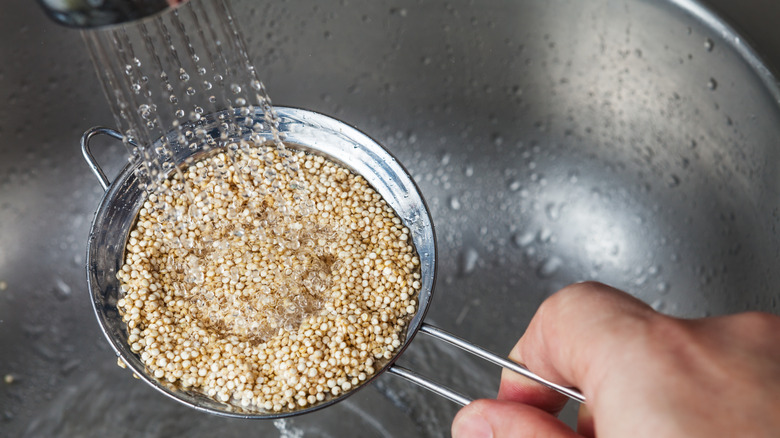
As it turns out, you should always rinse quinoa before cooking it to remove a substance called saponin. Oops. I had done that zero times, hence the unpleasant flavor. In addition, saponin can sometimes cause an upset stomach, which is why some people believe they are allergic to the pseudo-grain. Saponin can actually have an anti-nutritional and mildly toxic effect. Although it's distributed throughout the seed, the bulk of it can be rinsed or ground off. Simply dump your uncooked quinoa seeds into a fine strainer and rinse for about a minute. This should eliminate most of the saponin on the outside of the seeds, leaving you a sweeter, milder, more flavorful bowl of quinoa. If you've given up hope on liking quinoa, give it just one more try, and don't forget to flavor it with a minimum of salt and a dash of olive oil. However, every grain deserves to be boldly seasoned, and there are plenty of ways to add more flavor to quinoa.
Tempeh
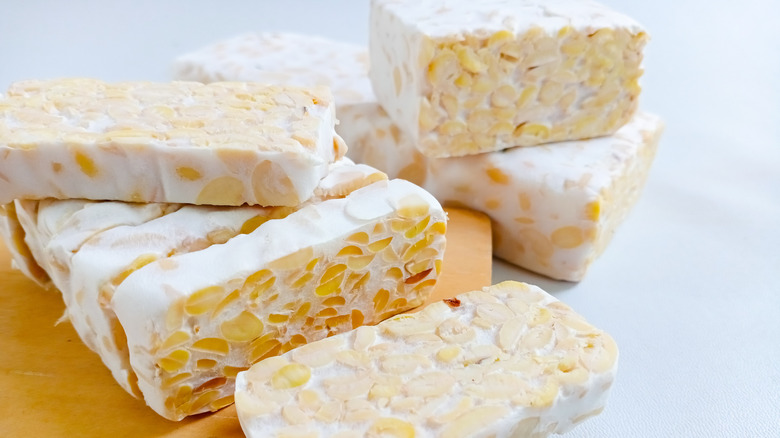
Even if you like the texture of tempeh, and you can get past the irregular coloring, you might find it to be a bit bitter. In that case, you may be in a pattern of ignoring it at the grocery store or even avoiding it on menus. But here's a little insider secret: tempeh isn't supposed to be bitter. Before you marinate, cook, or process tempeh, it needs to be steamed first. Any expert will tell you that when cooking with tempeh, it's best to start with a bitter-free, clean palate, as tempeh is supposed to be a neutral vehicle for sauces and seasonings.
This doesn't mean you have to get out the steamer basket and stovetop pot, which adds another whole extra step to your cooking process, and more dishes to the sink. Instead, you can simply sauté your block of tempeh in a little water or microwave it in some water until it's had a chance to steam-simmer, or boil that bitter flavoring out. We can blame the saponins for making tempeh taste bitter, but luckily, it's nothing a little steam can't fix. Some brands may have more detectable bitterness than others, and some may require no steaming at all. However, this quick fix may change your mind about tempeh for good. Just remember, when cooking with tempeh, it's important to marinade it or drench it in sauce or seasonings because the second biggest mistake you might make with tempeh is under-flavoring it.
Eggplant
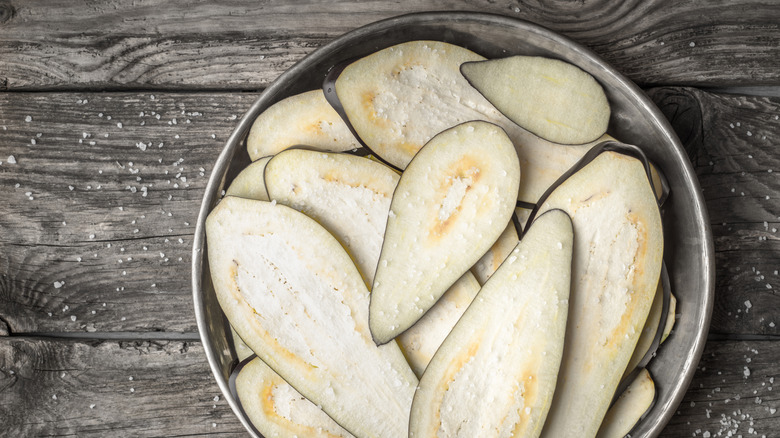
As mentioned earlier, eggplant can sweat. Surely you read that wrong. Nope, just like you and me, eggplant can sweat. The mechanism is different, but the outcome looks pretty darn similar. And if you're not sweating your eggplant, you might find it to be bitter and even soggy, especially if it's overripe. To sweat eggplant, all you need to do is slice it, sprinkle it with salt, and let osmosis do the rest. The salt will draw out the bitter liquid from the vegetable, and you can dab it with a clean cloth before continuing to prepare your dish. It's really that simple, and it makes a world of difference. This works especially well for a crispy eggplant dish because of the reduction in moisture, as well as prompting the veggie to absorb less oil.
Freshly picked eggplant is less bitter, but the more it sits out after it's harvested, the more opportunity for bitterness (of which the compound solanine is responsible) to creep in. Never suffer through soggy fried eggplant again with this seasoning tip. Just be sure to keep track of how much salt you used and account for the salt that has been dabbed off so as not to over-salt your veggie. Who knew a little osmosis could make such a big difference in the flavor and texture departments?
Tofu
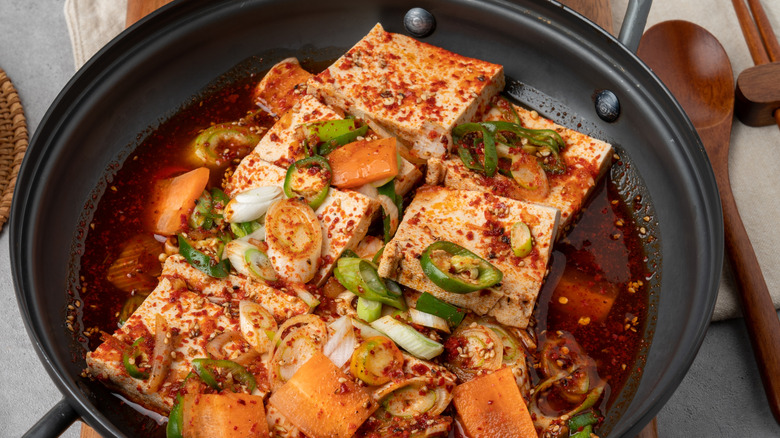
Tofu is a vehicle for flavor, with endless options for texture. Yet, folks often don't like tofu because it can either be too bland or overwhelming. Rarely do people eat it cold and plain. It is bland, on purpose. It's essentially a blank slate, ready to be marinated, battered, pressed, or grilled. You can make it tender, chewy, crispy, tough, or mushy ... it's all up to you.
The first thing to do when working with tofu is to choose an angle. There is no one "right way" to process or flavor tofu, so an inexperienced cook may feel overwhelmed. In that case, follow a recipe. For a more confident home-cook or chef, it's time to get marinading. Make your favorite sauce, rub, or marinade to soak your tofu in, typically after you've pressed the excess moisture out. Next, choose a cooking method. I enjoy crumbled and air-fried tofu for tacos or as a meat replacer, but you can also slice it thinly like lunch meat, cube it, squish it, or leave the block whole. Work with extra-firm tofu for a meatier texture, or silken tofu for an almost pudding-like consistency. There are plenty of mistakes you can make with tofu, but as you can tell, there are also many directions you can take. Once you get the hang of it, tofu can be a chef's best friend.
Asparagus
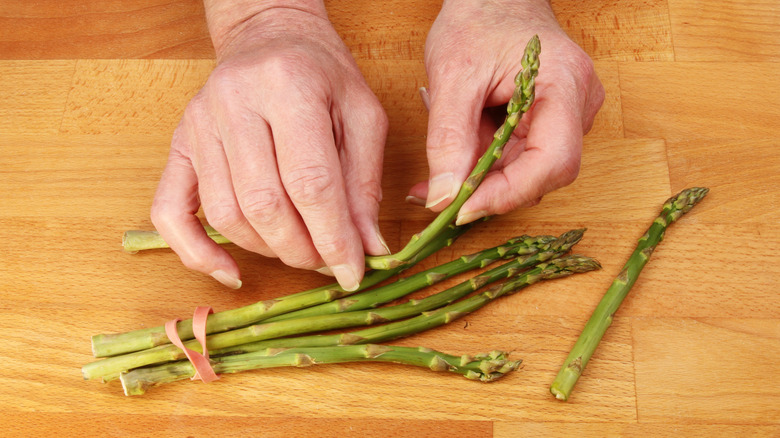
For longer than I'd like to admit, I thought I didn't like asparagus, all because of one unfortunate night dining out at a subpar restaurant. Not only was it mushy, but it was also stringy with a woody base. I was young enough to believe that this was what asparagus tasted like, and I gave up on it all altogether. Fortunately, I was eventually forced to eat it again at home and realized that asparagus, when cooked properly, can be crunchy, buttery, and tender yet crispy.
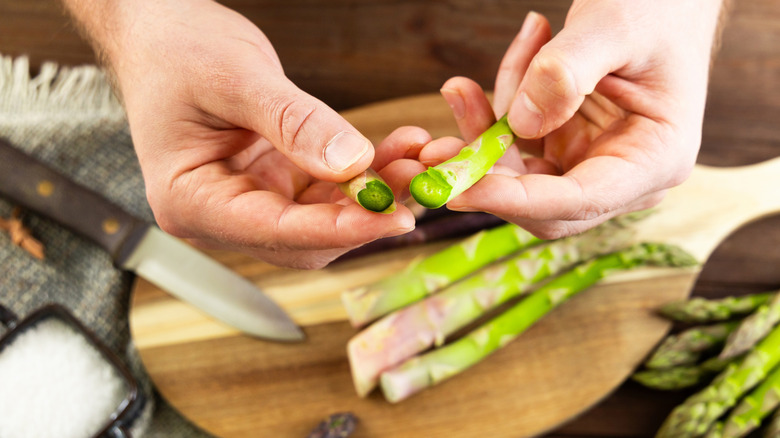
There are two major reasons why asparagus often ends up bitter, mushy, stringy, and woody. The first is that it's over- or undercooked, but usually overcooked. This breaks down the vegetable too much, leaving you with an unpleasant mouthfeel. To prevent this, I usually remove asparagus from the heat source before I deem it done. It will cook a little more from the residual heat and end up nice and crunchy, but still tender and sweet. The other issue that we often run into is that the woody stalks on the ends of the asparagus are either left on or not cut off enough. One of the best ways to find the sweet spot is by snapping asparagus. However, the asparagus snapping method might lead you astray if you are snapping them all at once, so be sure to snap them one by one and take your time.
Mushrooms
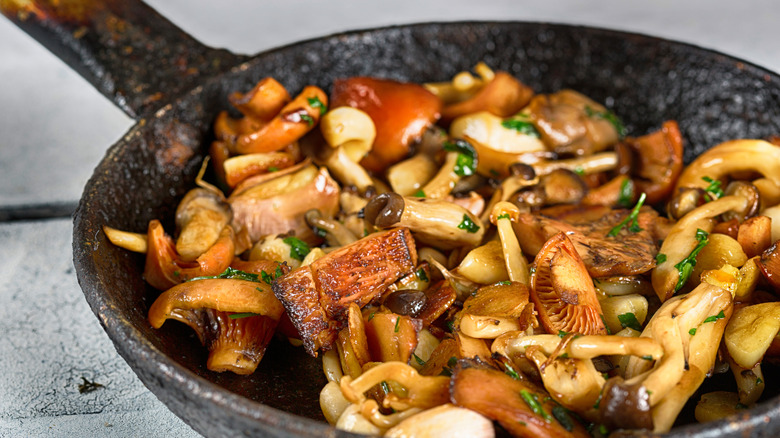
Some folks deem mushrooms inedible, and most of the time, it has something to do with their distaste for the texture rather than the flavor. The truth is that mushrooms can have endless textures depending on the type of mushroom used and how it's prepared. We can assume that those who don't like the texture find it to be slippery, slimy, or soggy, and you can certainly prepare mushrooms to be that way. However, many love a chewy, crispy, tender mushroom packed with umami and savory notes.
So, how can we prevent the slippery texture? Less stirring is the key to perfectly browned mushrooms. First, let the pan heat up, oil it, and then toss the mushrooms in to sizzle. Do not stir them, or maybe once, during the entire process. Season them towards the end with a little red wine or tamari and turn off the heat. At least one side of each mushroom should be crispy, caramelized, and brown. Stirring those 'shrooms too much prevents the crispy browning effect that's so desirable, so do less and enjoy more.
Peas
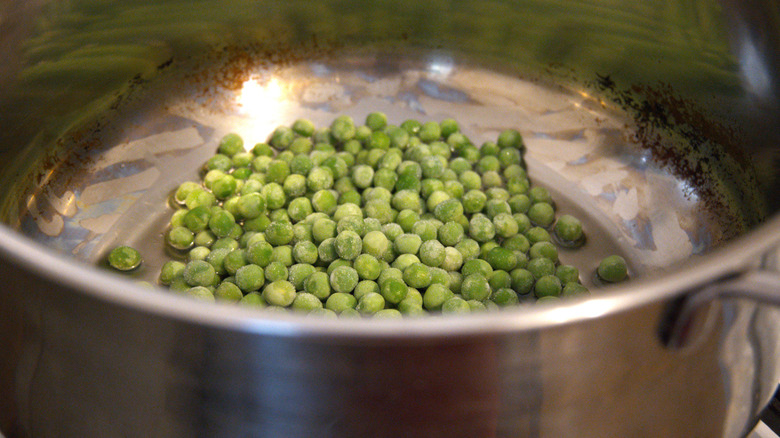
Genuine, freshly picked peas can be incredible, but once they've sat on that grocery store shelf for too long, they dry out and lose their appeal. That's why I buy frozen peas. Now, let's chat about how to heat them up. Have you noticed that microwaving frozen peas, or boiling them, often results in a tough, flavorless texture? One may even believe that this is what peas are supposed to taste and look like ... wrinkly and bland. However, peas should actually be plump, moisture-rich, grassy, tender, and sweet.
Don't fret, everyone makes this mistake with frozen peas. So, should you boil or sauté these frozen little green pearl veggies? I recommend sautéing them in a little fat. The butter or olive oil helps to lock in moisture during the heating process and boosts the flavor and mouthfeel. You'll want to be careful not to overcook them, so do little taste tests often and remove them from the heat the moment they are warm all the way through. Overcooking frozen peas is one of the biggest mistakes you can make. This shouldn't take much more time than the alternatives, and it makes a world of difference in the flavor and texture departments.
Black beans
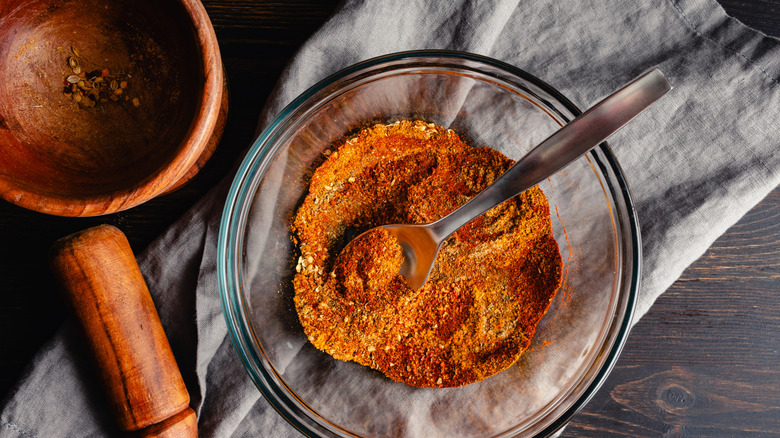
I'm always hesitant to order vegetarian food at restaurants that serve meat. The reason for this is that while the meat dishes tend to be well-seasoned and drenched with sauce, those same herbs and spices never seem to reach the vegetables. I've found this to be true, especially with beans. If you're ordering or making a black bean taco, those black beans should be just as seasoned as any carnitas or ground beef you might otherwise add. I'm convinced this is a major reason folks avoid black bean tacos — they are often tasteless.
You should always season your black beans. A quick rule of thumb is that you should be using herbs and spices, some form of sugar, fat, salt, and acid. Go heavy on the spices, and an undetectable amount of sugar for balance, and load up on lime juice or add a small splash of vinegar. Olive oil or other fat will create a rounded mouthfeel and density. If you're feeling lost, consider how you might season chicken in a similar cuisine. You can even add a little tamari or miso for a salty umami flavor. Most proteins are bland before they're seasoned, so season your canned black beans to perfection.
Tomato paste
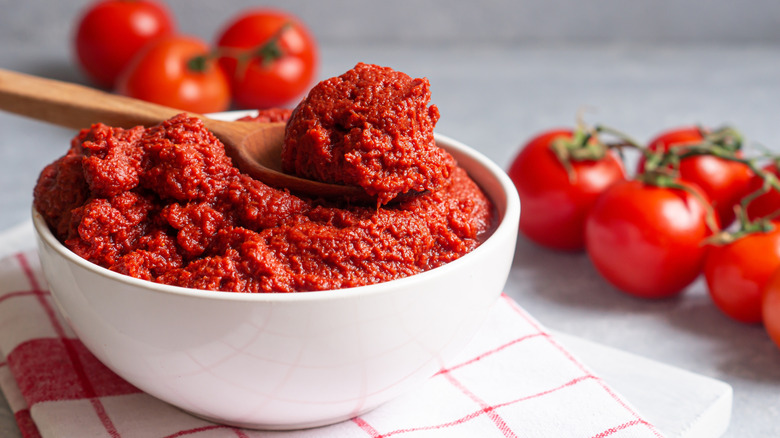
Do you like to taste-test ingredients as you go? If you're a finger-licking kind of cook, then you may have questioned the flavor of a few ingredients before adding them to your recipe. For example, fresh-from-the-can tomato paste on its own can have a metallic taste that shines through the deep umami and sweet notes. Don't let that turn you off of the magical ingredient altogether. Instead, learn how to prep tomato paste in a way that allows it to reach its full potential. You can do this by caramelizing the tomato paste first.
Believe it or not, you should always be browning your store-bought tomato paste. This should only take four or five minutes, or until it changes color. The concept is similar to cooking off tomato sauce for hours, but this change happens in a matter of minutes. You can use a small amount of oil during the caramelization process. Do a little before-and-after taste test the first time you brown your tomato paste to see what a difference a little direct heat can make. The bitter acidity cooks off, leaving a sweet and umami-rich flavor to deepen your dishes.
Corn tortillas
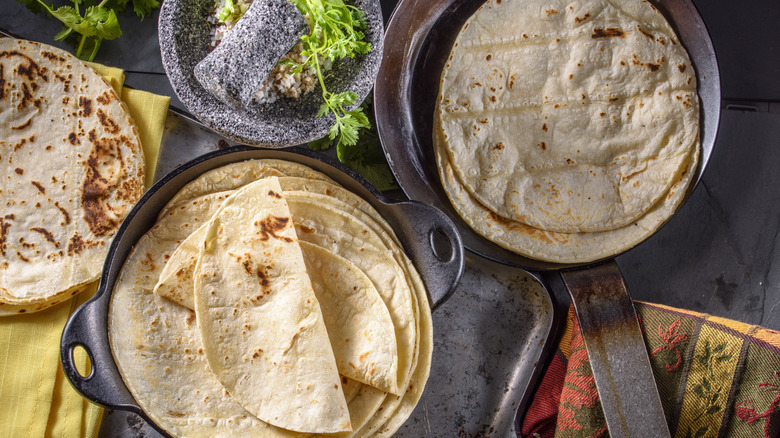
Many know the feeling of defeat when you go to enjoy your soft corn tortilla taco and the center crumbles, taking with it all of those delicious fillings. So, you try to double-layer, and again those beans and sauteed veggies come crashing down onto the plate. You've tried microwaving your tortillas with damp paper towels and heating them up in a dry pan, yet each time you're left with a crumbly mess. Instead of switching to flour tortillas, try this simple step to prevent your tacos from falling apart.
The key to breakproof corn tortillas is a splash of oil and high heat. Heat your pan, drizzle in some oil, and toss in your tortillas one at a time. Let them sizzle for a minute or so, then flip them. They should still be pliable but have a small amount of browning scattered throughout the surface area. Remove promptly and fill with your taco ingredients. You may just find that your taco-eating experience is more enjoyable, cleaner, and even tastier. Never settle for microwaved tortillas again.
Salad
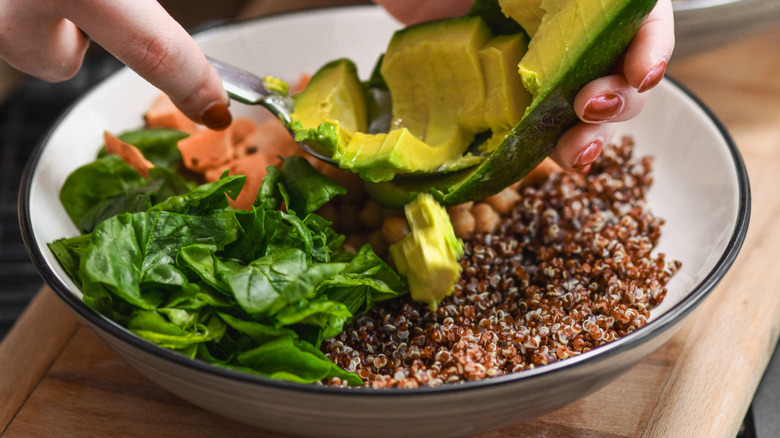
There is a reason many Americans aren't huge fans of salad, and it's not because they can't stomach leafy greens. Many salads are made with chopped iceberg lettuce or wilted spring mix, pre-shredded carrots, a few rings of raw red onion, whole cherry tomatoes, and a store-bought dressing of some kind in a dish on the side. Bonus points for sprinkling cheese. A complete salad though, is made with dark leafy greens, intentional iceberg, or a variety of crisp, spicy greens, raw and roasted vegetables, grilled proteins (if you're not vegan or vegetarian), air-fried chickpeas, seeds and toasted nuts, dollops of homemade dips, fatty avocado, dried or fresh fruits, freshly minced herbs, and a homemade salad dressing you could eat with a spoon. This salad is heavy, dense, and filling. Its textures vary, and its flavors coordinate.
There are endless ingredients that can help elevate your salad. Try leafy greens like massaged kale, spicy arugula, grilled romaine, or seared endives. Add caramelize onions for a sweet pop, and sprinkle with roasted sweet potato or seared mushrooms. Smear the inside of the bowl with tahini dip, tapenade, pesto, or hummus. Mix in seasoned grains like quinoa or wheat berries. And more importantly than anything else, make that dressing from scratch. It should be balanced, fatty, flavorful, and intense. And remember, the fresher the produce, the better the salad.
Oatmeal
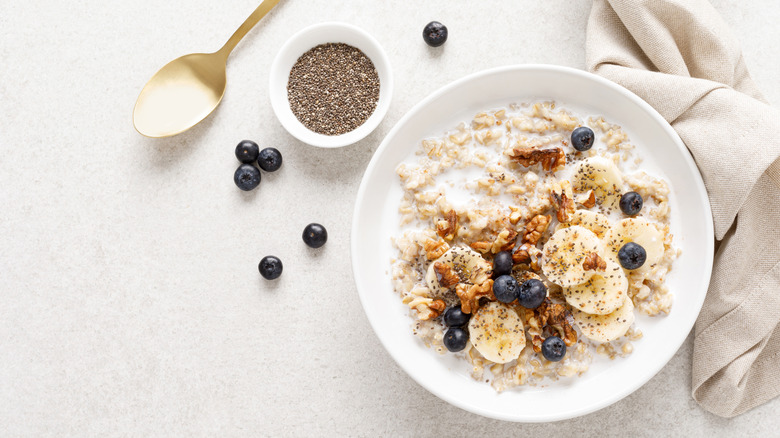
Oatmeal has a bad rap. It's the soggy, slimy breakfast alternative that many have to load up with brown sugar to slurp down. However, if oatmeal is done correctly, it can be enjoyed in a variety of ways and has a very pleasing texture and tons of flavor. The first step is to target your desired outcome. If you prefer a chewier oatmeal, consider steel-cut oats, or for a mushier texture, try instant oats. Contrary to popular opinion, oatmeal can be overcooked. Unless you love that mushy, gluey, slippery texture (and in that case, keep doing you), you'll need to keep an eye on that stovetop pot.
I like to cook my oatmeal in milk or non-dairy milk for a richer flavor, along with butter and sea salt. Coconut oil adds a nice density, and warming spices are a must. If you like to sweeten your oatmeal, stick to brown sugar or maple syrup. The goal here is to create an incredible base flavor and then top with ingredients that have different textures. This could include nuts, seeds, fresh fruit, or dried fruit. Once you've cooked and flavored your sweet oatmeal to perfection, check out the wonders you can create using broth, meats, and so much more.