

10 Mistakes Everyone Makes With Canned Soup
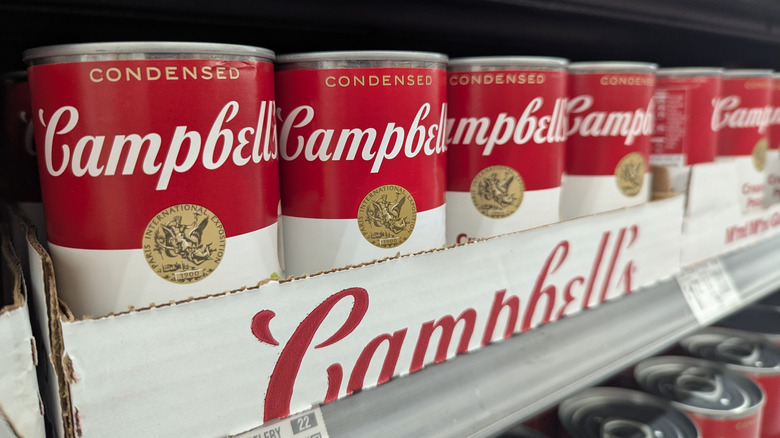
With everything that life throws at us, it's no surprise that sometimes we need to turn to a convenience meal every now and then to fill up with something tasty, hot, and filling. Best of all, it should be shelf stable, so we don't have to worry about it going off too soon. When we don't have it in us to prep ingredients and cook, a can of soup can do the trick. It feels healthier than ordering take out, and it's certainly easier on the pocket, making it a reliable "old faithful" that all of us can access. Plus, when we're fully in soup season, and canned soup can warm us up from the inside just as well as homemade soup does. The best part is that there's a flavor for everyone's taste. Plus, with vegetarian, vegan, or meaty options, you're likely to find a canned soup you love.
While canned soup can often be among the foods we stock up for emergencies, it can actually be something delicious to look forward to. But, too often we don't use it to its best potential. Part of what makes us undervalue it, is how we serve it. Just because something is a cheap or quick meal, it doesn't mean that a little care towards it isn't needed. With a tiny bit of effort, you can take canned soup to another level. Here are some mistakes everyone makes with canned soup.
1. Not warming up the soup sufficiently
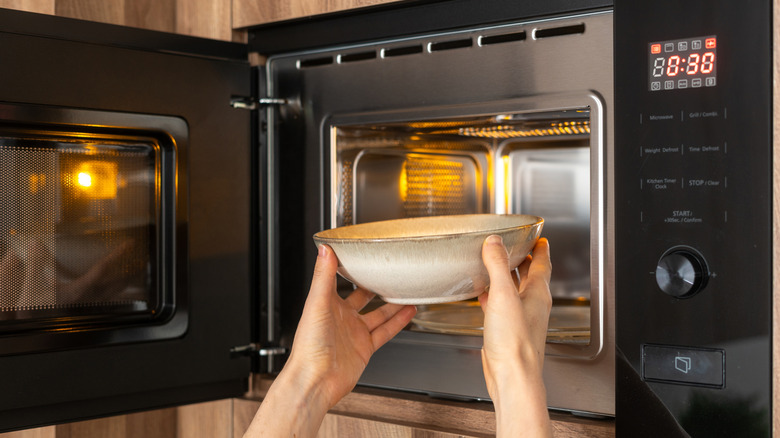
One of the best things about eating soup is that it's warm, nutritious, and cozy, and it soothes us with each sip. Part of the therapeutic appeal of having some soup is that it's hot. It may sound obvious, but how much you warm up your soup can greatly determine how much you enjoy it. With canned soup, you might decant it in a bowl and stick it in the microwave for a minute only. Since you're likely looking for speed and convenience, you might not be taking care to warm it up sufficiently. However, eating lukewarm or even warm canned soup is a common mistake that can make it a huge disappointment. It just isn't as comforting or tasty when it's not hot enough, so give it some extra time in the microwave, or better yet, let it come to a low boil on your stovetop.
Often with canned soup, if you're microwaving it, you need to give it a stir or two to get even heating. Stop your microwave halfway through warming up and give everything a mix with a spoon. This way, you'll ensure that you don't end up with cold spots in your bowl of soup while you're eating. You won't realize how much it makes a difference until you actually make your soup hot enough that you have to blow on each spoonful. It's just a few extra minutes and it will be worth it.
2. Eating out of the can
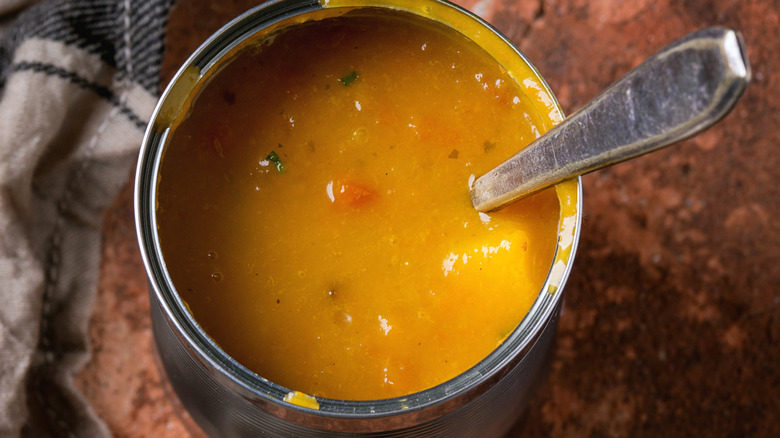
We're not doing ourselves any favors by eating canned soup straight out of the can. Firstly, eating it out the can usually means we're eating it cold, which if you hadn't noticed, was the first mistake mentioned here. Secondly, you're going to be eating soup that has that faint flavor of can. There's no escaping that taste of "tin" if you're taking each spoon straight out of the can. It just isn't appetizing, and you're not going to feel as good eating out the can, especially when your soup could actually taste great if you decant it and warm it up.
Sure, decanting your soup will dirty a dish that you'll need to wash, but, if you need to, tell yourself you've already saved on washing by not cooking. Don't then punish yourself by just drinking cold soup out the can. The other thing is that canned soup is often filled up to the top and doesn't give you enough room to properly mix the soup. Unless you remember to shake your can before opening it, the soup might have separated and needs to be well stirred so that all the good bits are left at the bottom.
3. Thinking you can't mix and match different types of soup cans
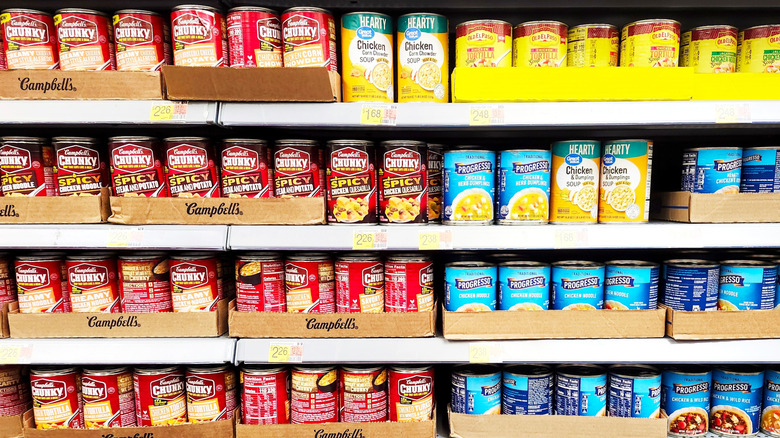
Something that many of us don't think of doing is mixing and matching various canned soups to make a new tasty creation. It's as if there's some unspoken rule out there that you can only have one flavor of canned soup at a time, because mixing them can seem like a strange thing to do. In truth, there are some really tasty combos you can make by simply mixing two different canned soups together. Broccoli and cheddar mixed with cream of chicken soup would work a treat, or something like tomato and minestrone soup, or even chicken noodle mixed with creamy mushroom. Loaded potato and bacon soup mixed with clam chowder would also be delicious. These are quite classic pairings but you can play around and experiment with the flavors that appeal to you the most. You'll never know until you try it.
Plus, there are other canned ingredients you can add to the mix. For example, a can of baked beans in tomato would actually go great with some chunky beef and vegetable soup. Alternatively, you can actually make some soup using a can of coconut milk and a can of Thai curry. Mix these two in a pot on the stove and you've made some Thai curry soup. The possibilities are as endless as your creativity.
4. Opting for the cheapest brand
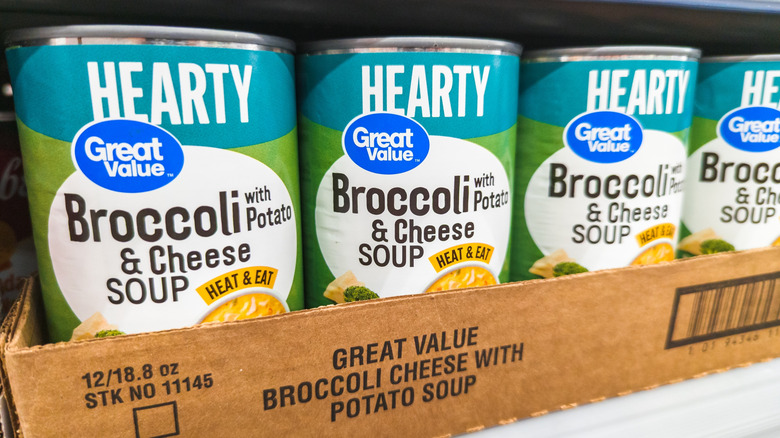
While affordability is often the top priority we have when buying canned soup, it's not always the best choice to get the cheapest brand. Canned soup can be great, but not all brands are made equal. For the best flavor and ingredients, there are some soup brands that rank above the rest, and if you like spicy food, have a look at our take on the best store-bought spicy soups on the market. It might take an extra bit of time going through what each can offer you, but doing so will give you a better bowl of soup later.
Plus, it's always good to check the ingredient list on the back of the can to see how nutritious the food is in your can, versus sneaky extra sugars, sodium, fat, and thickening agents, used to enhance the flavor. You'll find that many of the other well-known brands of soup, while perhaps a little pricier, are better bang for your buck if you're getting more nutrition and deliciousness out of them. So, if you can afford to, get the better brands since they would be worth it.
5. Leaving out an acid component

There are many ways to improve on the taste of canned soup, and these can be anything from toppings to condiments. If you are looking for just one ingredient to level up your canned soup then let it be something acidic. A simple squeeze of lemon juice can often be the thing that makes your canned soup taste homemade. Acidity instantly brightens any dish and rounds out the flavor beautifully. It's especially good for canned soups which can tend to have an excess of salt or sugar, which some acidity can really help balance out. You'll be amazed how much difference it makes to your dish to just add a hint of acid to it.
You can choose different types of acid, and you don't have to stick to just lemon juice. Some white, brown, apple ciders, or even balsamic vinegar, would work really well, as would a splash of wine. Choose white wine for creamy and lighter colored soups, and red wine for tomato or red-meat based soups. Alternatively, you can also use some hot sauce, as hot sauces tend to be relatively acidic.
6. Not immediately decanting your soup once the can is opened
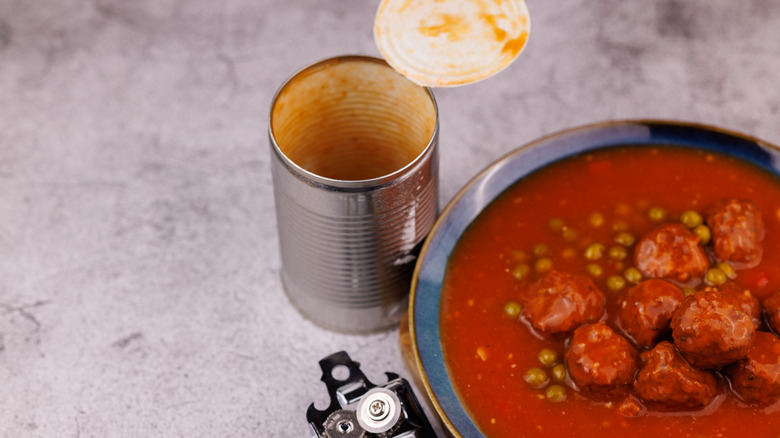
Many of us grew up with the idea that canned food can give you lead poisoning if you didn't immediately decant the contents after opening. While the current reality isn't as bad as that anymore, it's still not a good idea to leave your soup in the can once opened. New health regulations mean that cans are no longer going to leach lead into your soup. But although it's technically safe to keep the food in the can, it's still not a good idea. That's because the open can is still going to affect the quality and taste of your soup.
Plus, there is the fear that the type of can you buy may still have been lined with BPA, a substance that is harmful to your health. Most canned soup isn't made with BPA anymore, but a very small amount still is. So, to be safe, and to ensure the best tasting soup, pour it out into a storage container and refrigerate it. So, if you grew up with paranoia around opened cans of food, it's not a bad idea to stick with a little bit of that hesitation.
7. Thinking you can't freeze leftover canned soup
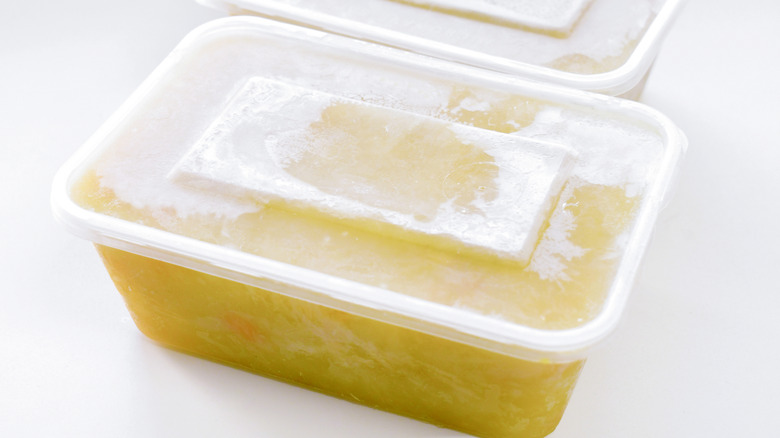
Canned soup is our shelf stable hero at times. It can stay in your pantry for ages without going bad, making it super reliable in times of crisis. You may be wondering just how long can you store an open can of soup. Well, once it's opened, it loses that shelf stability. It should be refrigerated and consumed within a couple of days, just like other cooked foods. However, there's also the option of freezing leftover canned soup, making it last much longer.
It can be confusing to people whether you can freeze canned food, but the truth is that you can freeze just about any cooked food. As long as you don't freeze a closed can of soup, it works fine. So don't despair if you've opened up a couple of cans of soup to feed your family, and ended up with leftovers. Don't waste the leftovers, just pour it all into an airtight container and place it in your freezer until you want to eat it.
8. Foregoing a cheese topping
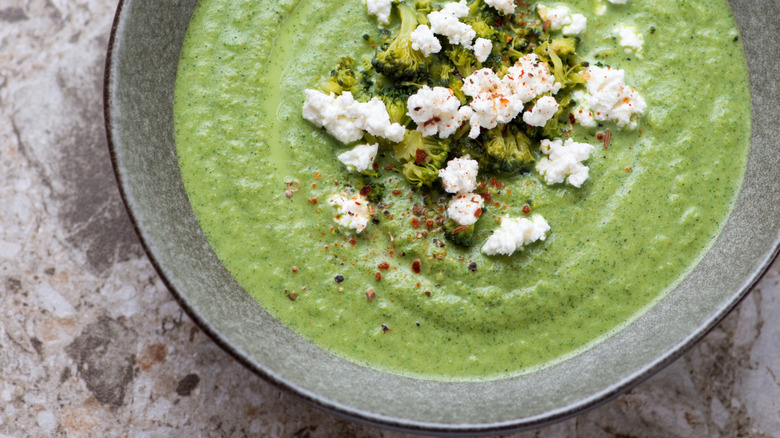
There's little out there that can't be improved by adding a some cheese to it. In fact, even a bowl of ramen can be taken to the next level with some cheese. Canned soup is no different. It may be ready to eat, but you'd be amazed at how a small handful of cheese can transform it into a craving-worthy meal. There are so many cheeses that would work really well in canned soup that there's really no going wrong. Think of some crumbled feta in your pea soup or even some pumpkin soup. It adds salt and creaminess that takes an otherwise one-note soup to new heights.
Another favorite is grating some mozzarella into any type of chunky soup. It's a natural choice for minestrone, for example, and it makes delicious stringy strands of melted mozzarella in each bite. Of course, you can also fancy it up and throw in some blue cheese into your humble can of cream of mushroom soup to feel extra elevated and pack it with umami goodness. So whenever you're buying some canned soup, get some cheese to go with it and you'll be eating really well!
9. Saving your good olive oil for fancier dishes

If you're not yet familiar with just how much good olive oil can enhance your cooking then you're in for a treat once you get started. It's been used throughout history, and is sure to make your canned soup taste more elevated. It has a subtle fruity aroma and richness that coats each spoonful, without overpowering the flavor of your soup.
Just like with most foods, the better the quality of your olive oil, the better it will taste. But unlike other foods, we know good quality olive oil can cost a pretty penny, and you may save it only for special recipes. Well, don't hold back if you're having some canned soup because a small drizzle of good quality olive oil can help your canned soup taste more homemade and give it some depth. Plus, since canned soup is usually on the cheaper side, think of it as balancing your pocket by combining it with a slightly more expensive topping.
10. Not adding leafy greens and other vegetables that would add freshness

One way to ensure a more nutritious meal is to add some greens to your canned soup. Adding any vegetable will certainly add to the health content of your meal, but greens can be a great way to add freshness, too. Adding some fresh green vegetables to canned soup can give it that homemade feel and taste, adding both flavor and texture. You can always cook your spinach a little before adding it to your soup, or simply warm everything together on the stove, essentially cooking your spinach in the soup. For hardier greens like chard or kale, this might take a bit longer, so perhaps it's better to cook it separately to not risk overcooking it.
Some canned soups can really taste like it comes out of a can, but throwing in some fresh herbs like cilantro, basil, or parsley can do wonders to it, and make it feel like it's homemade. Now, if you're adding greens and you happen to combine some of the other additions in this list, like a splash of lemon juice with a little bit of cheese on top, your canned soup will be heavenly, and likely be your new go-to for a quick but scrumptious weeknight dinner.