

8 Gin Brands You Should Avoid Buying
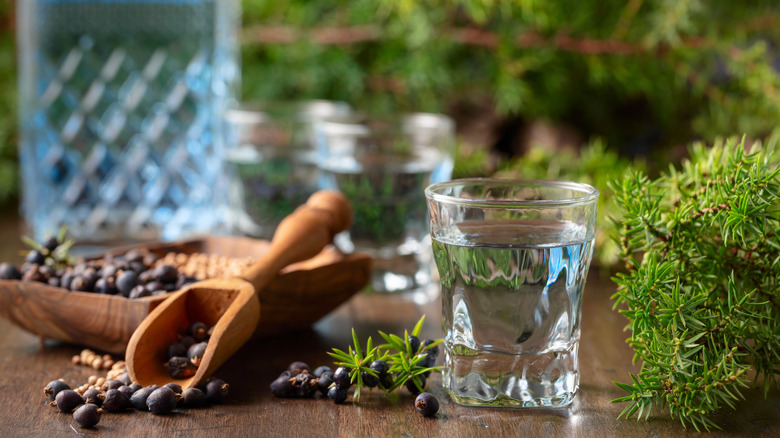
Given that I live right next to the world's oldest non-stop gin distillery, I have long admired this classic spirit. I present this list with no bias, as one of the brands from my local G&J Distillers has the misfortune of making an appearance here. When it comes to organizing your home bar, gin is an easy spirit to get wrong. There are almost countless brands to choose them, including bottles that go well beyond the classic London dry gin style. Due to this, it can be hard to know which brands are going to be worth your money. This is especially true if you don't know a lot about gin.
For gin lovers, we won't all agree on what the perfect flavor profile is. However, what many of us can agree on is which brands simply don't deliver. I've spent the best part of two decades learning everything there is to know about the gin industry. This includes visiting distilleries, speaking with industry insiders, and studying the ins and outs of this historic spirit. Of course, this also includes plenty of drinking experience, including all the brands here. The result is a reliable list of brands you should avoid buying. Not all of these brands make bad gin, but each has a clear reason to be avoided. Rather than any attempt to shame, here I'll guide you through why these eight gins fall short of being recommended.
Gordon's
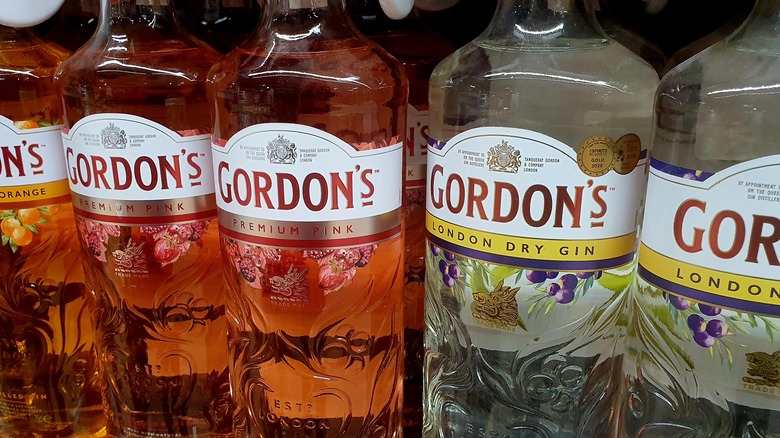
I feel Gordon's is one of those big brands that are overly reliant on their popularity, luring in casual shoppers rather than appealing to gin enthusiasts. The biggest issue with Gordon's is simplicity. You want gin to have a lovely botanical flavor profile where you can pick out bright individual notes. With Gordon's, you too often get muted flavors. You can still taste the classic juniper notes, but they are too often flat and one-dimensional. If you're not sure what I mean, coffee and chocolate are good examples of other products where cheap versions can have flat and muted taste.
With high-quality products, you get more depth and layers to your tasting experience. With the reputation Gordon's has, you're left expecting more. It may not have the alcoholic burn of the cheapest bottom-shelf gins, but there is also a roughness with Gordon's that you don't find elsewhere. Is Gordon's a terrible brand? Absolutely not. In most cocktails, it's perfectly suitable, and you won't find anyone spitting it out. However, it's one to avoid buying as there are simply better-quality options out there for anyone looking for some character, such as Beefeater London Dry Gin. Also, with more affordable gins out there, you have no real reason to buy Gordon's.
Aviation American Gin
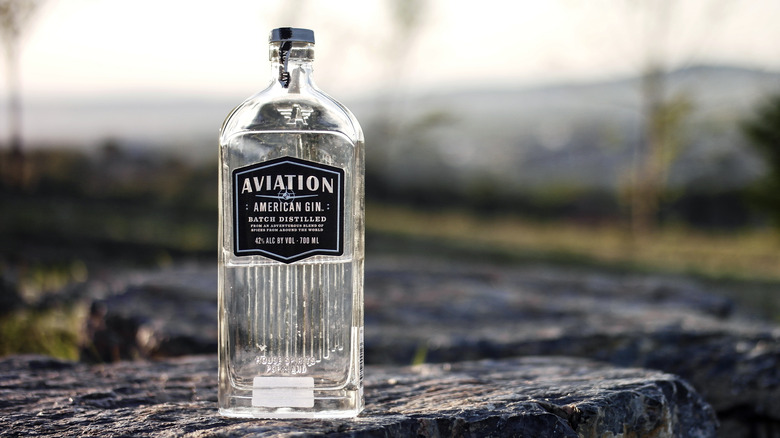
Aviation Gin has hugely increased in popularity in recent years. That's mostly due to its aggressive marketing and the fact that actor Ryan Reynolds acquired a stake in it. With any spirit, it's always important to look past the hype. Whether it's funny advertisements, celebrity backing, or a fancy bottle, the only thing that'll ever truly matter is the liquid inside. First of all, it doesn't have the juniper-forward style that many will expect, which may put a few people off. Instead, it lets other botanicals take the spotlight. This leaves it with notable citrus and spice flavors. You get a little orange and lemon on the palate, along with cardamom warmth and some herbal sweetness.
The New Western style makes it decent for mixers, but the issue is that these notes lack definition and can feel a little thin. It means the gin can get lost in even simple drinks, such as gin and tonic, leading it to feel quite weak and unbalanced. In more spirit-forward gin cocktails, such as a Vesper martini, it doesn't have the boldness to cut through the other flavors. If you want your gin to be extremely soft and subtle, this may be good for newcomers. However, I'm sure I'm not alone in wanting my gin to have a bit more character.
New Amsterdam
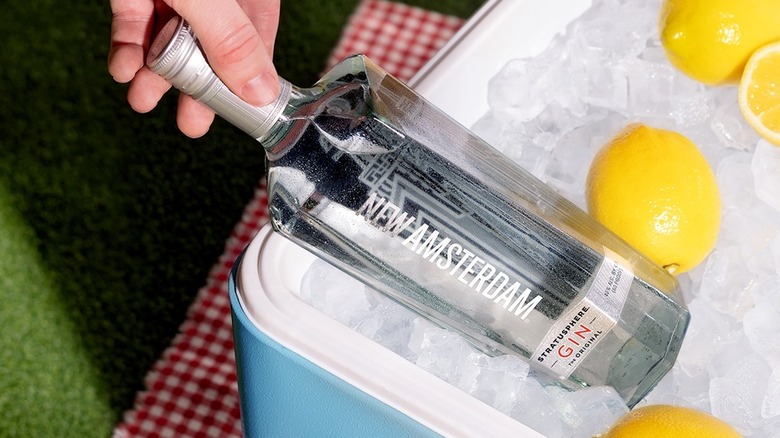
New Amsterdam has many of the same shortfalls as Aviation Gin. Both brands have a smooth and light taste. These types of spirits are often described as approachable mainly because they aren't harsh and are a simple entry point for beginners. That can be a positive trait when it comes to spirits such as whiskey, but there is an issue with these terms when talking about gin. If a gin becomes too light, it begins to taste like flavored vodka. That may sound good if you're a big fan of well-made vodka, but gin isn't meant to have a neutral taste.
For me, New Amsterdam is a well-made spirit, but its flavors are barely detectable. It doesn't have a distinct juniper backbone and showcases only a slight orange and lemon citrus quality. Due to this, I just feel it has no personality. It doesn't stand out on its own and can make cocktails taste a little flat. I said it's well-made as it's certainly drinkable and lacks any alcohol burn, harsh aftertaste, or other common signs of a cheap gin. But if you love gin and are learning to appreciate a botanical structure, you want more complexity. It's an easy-going choice, but I feel this list is for anyone looking to seriously get into gin. If that's you, New Amsterdam isn't worth buying.
Bombay Sapphire
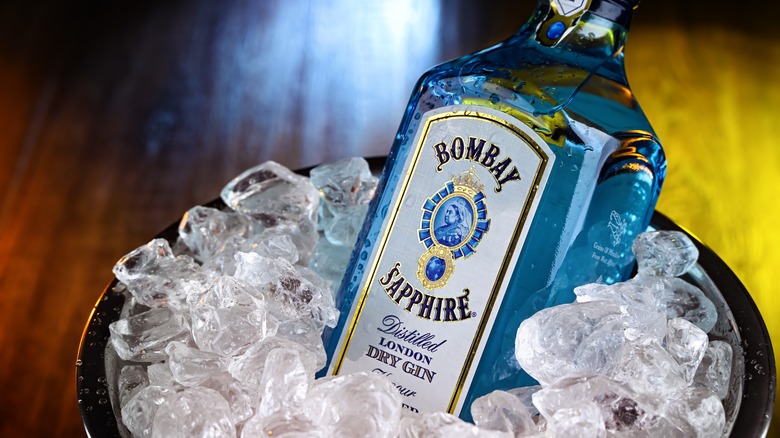
There are many popular gins out there that offer good value for your money. Sadly, I don't think Bombay Sapphire is one of them. The gripe here is a common one, as the flavor is a little too light. It falls in that bracket of not being as interesting as other well-known gins, which puts it in no-man's land in terms of why you would buy it. The juniper is present, but the citrus flavors take more of the center stage, most notably with lemon. There are a few herbs and spices, but they are muted and faint. If you have never tried gin before, this would be a fine introduction. However, if you already have a liking for gin but haven't tried Bombay Sapphire, you can just go ahead and try a more interesting gin instead.
As with New Amsterdam, it can easily get lost in any cocktail that has any other alcohol added. Added to the negatives here, Bombay Sapphire may not be expensive gin, but it's not a budget brand either. With this in mind, it's a little overpriced for what you get. If you were casually picking up a gin without much care for its tasting profile, it makes sense to get something a little cheaper, like Beefeater. It leaves you with the proposition where you can either pay more for better quality or pay less for better value.
Seagram's Gin
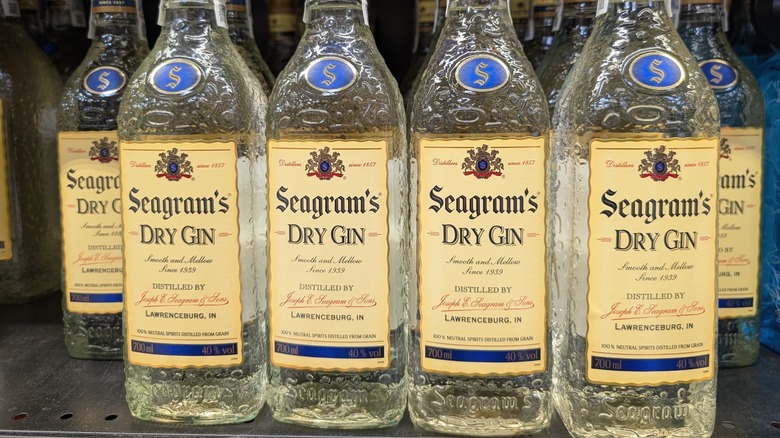
Seagram's is a long-standing name in the world of spirits, but the brand is far from the force it once was. I mentioned the common downsides of cheap gin when talking about New Amsterdam above. While New Amsterdam avoids those pitfalls, Seagram's doesn't. It has that low-quality alcohol bite that anyone who has consumed cheap spirits will know. It burns in your throat, and the harshness can hide any subtle tasting notes it may have. There is no balance here, and it can ruin an otherwise good cocktail.
What I didn't mention is how bad spirits can also have an artificial taste. That happens here too, with Seagram's feeling a little synthetic and perfumed. What you can taste often strays into feeling a little too sickly and sweet, with any juniper being quickly lost in the process. It's one of those bottles that people may buy with the intention of getting drunk at a party. I'm not going to frown on that idea, but if you want a good impression of what good gin is, this is not it. There are plenty of affordable gins on the market that are of better quality. They may not be quite as cheap as Seagram's, but spending only a few dollars more can lead to a vast increase in quality.
Tanqueray
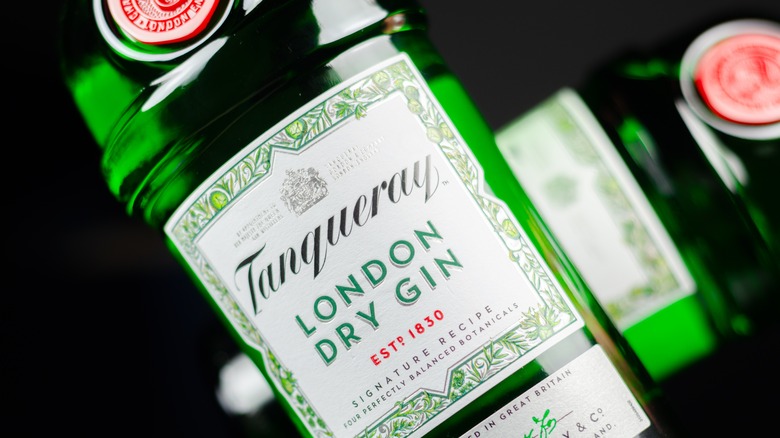
When deciding which brands I should add to this list, Tanqueray was the one I mused over the most. Does it really deserve to be here? I eventually decided it did. If I were being honest and had to reduce this list to seven instead of eight, I would have left it out. It was included on our list of the best gins for beginners, and I wouldn't necessarily disagree with that. That's because it can give you a good introduction and is almost a rite of passage. However, if you want to buy yourself a good quality gin, it doesn't stack up when compared to many of its rivals. When it comes to its tasting notes, it has an intense juniper backbone and delivers the classic London dry profile. On top of this, you get nice spice and citrus that allow for a crisp flavor.
However, that juniper can be a little too dominant, which means the spirit can lack nuance. It works well in a gin and tonic, but in other cocktails, it can overshadow the finesse of other flavors, making it too sharp and gin-heavy. Its boldness is not a terrible thing, as there will be some who prefer their juniper to be intense, but it does limit versatility. Ultimately, I don't think there's any reason to buy Tanqueray other than curiosity about what it tastes like. And I don't think that's a good enough reason.
Larios
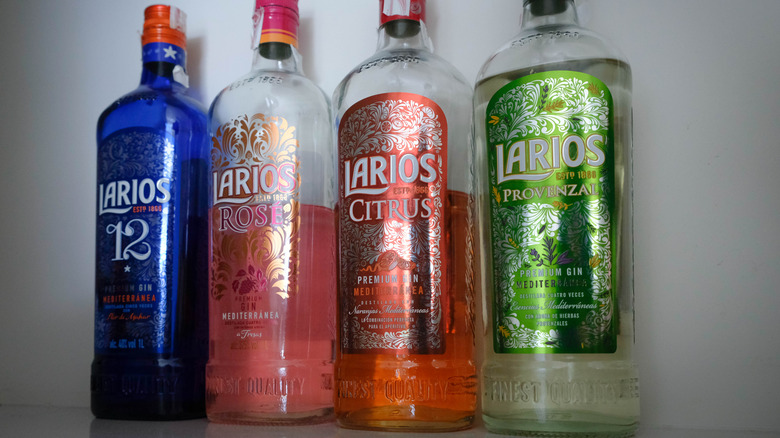
Juniper isn't everything when it comes to gin. But even if it has quite a gentle profile, you at least expect other tasting notes to be balanced. With the Larios range, it feels overly subdued and is crowded by much more dominant citrus notes. Larios leans too heavily into orange zest and sweet citrus. This can actually be quite nice when you first try it, as it's fresh and a little different. However, the novelty quickly wears off, and it doesn't stand up to repeated tastes.
The citrus cuts through cocktails a little too sharply, and the back of botanical backbone means it doesn't stand out in martinis and other drinks that require gin. You'll soon see how it lacks depth, and the mouthfeel is a little too thin for a respectable gin. Even the Larios 12 doesn't stack up against high-end craft gin, as it lacks the layers of flavor you'd expect. At the start of the bottle, you may think it's quite fun. By the end, you'll be wishing you bought something else.
Opihr
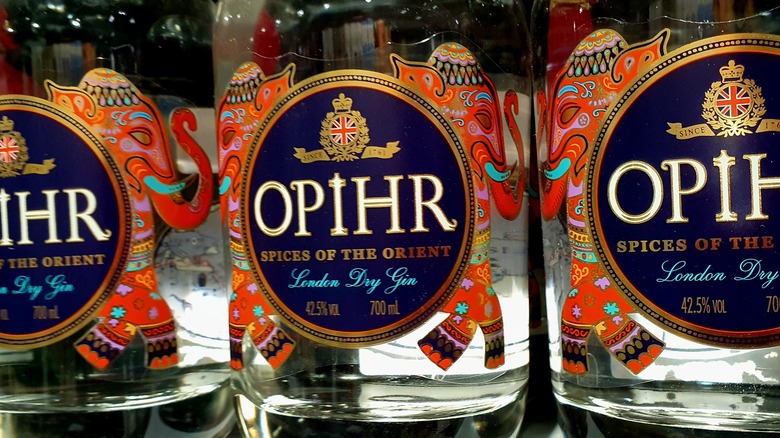
I mentioned that one of the brands from my local distillery is on the list, and I saved it for last. Opihr comes from the English G&J Distillery but presents itself as a spice-infused oriental gin. To achieve this goal, it uses botanicals such as cubeb, cardamom, coriander, and black pepper. I love classic spirits, but I also love it when brands dare to do something different and come up with a great new creation. The reality is that far too often, they don't work. The issue here is that the spicy elements are over the top.
My hope before tasting this was for a well-balanced gin with a spicier edge. Instead, you get hit with the cardamom and cumin up front. Whether in whiskey, gin, or even a curry, these spices work best when they give a warm bedrock for other flavors to thrive. Instead, they are too dominant, and the juniper gets pushed into the background. The result is a gin that lacks subtlety and depth. It struggles in any simple format, such as in a gin and tonic or a classic martini. Even in a Tom Collins, the spiciness stands out a little too much. It may have a narrow niche appeal, but I feel most people wouldn't see this as money well spent.