

10 Asian Cooking Staples You'll Find In Almost Any Grocery Store

The bold flavors of Asian cuisine are continuing to grow in popularity across the U.S. In fact, around 12% of all restaurants in America serve Asian food. But, it's not just when we're dining out or grabbing takeout that we get our fix. More and more home cooks are stocking their kitchens with Asian pantry staples, too. While there are over 3,700 specialist Asian grocery stores across the country, most traditional supermarkets also have their own dedicated Asian or ethnic section, and demand for products in this aisle is booming. Between April 2023 and April 2024, sales of such items increased around four times faster than overall grocery sales. This increased demand has only seen stores broadening the selection of Asian foods on offer, and now, many once hard-to-source ingredients are deemed everyday staples.
If you're a fan of sticky Chinese noodle dishes, fresh Japanese sushi, or warming Southeast Asian curries, you'll find plenty of inspiration in the Asian aisle. From umami-rich sauces and fragrant oils to aromatics that bring plenty of bright, punchy flavor, there is a wide range of ingredients that can help you recreate your favorite dishes at home. Below are 10 of our favorites that are both readily available and wonderfully versatile — true must-haves for anyone looking to level up their Asian-inspired cooking.
Soy sauce
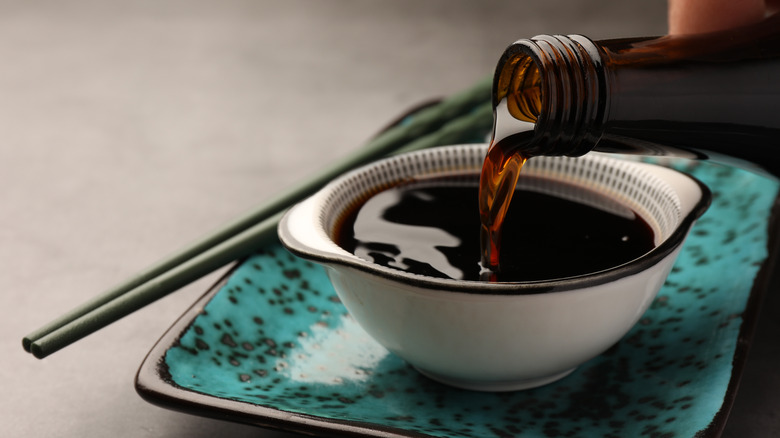
Soy sauce is one of the most essential condiments in Asian cooking. This rich, dark liquid is bursting with umami flavor, and a small splash can go a long way in boosting the savory depth of everything from stir-fries to salad dressings. It comes in multiple varieties, with most grocery stores stocking both light and dark versions. You may also be able to find regional versions, such as Indonesian kecap manis — a type of soy sauce with a sweet, spicy flavor profile, thanks to the addition of palm sugar, star anise, and galangal. Tamari is another top pick, which boasts a higher soybean content and a thicker consistency.
Made by fermenting soybeans and wheat with a starter culture, soy sauce can take several years to brew, but it's this lengthy fermentation process that gives the sauce its intense salty flavor. This condiment is an exceptionally versatile addition to any kitchen, and due to its highly concentrated nature, you'll generally only need to use a small splash at a time, meaning a bottle will likely last for months. It can boost noodle dishes, soups, marinades, and fried rice, and serves as a flavorful dipping sauce for sushi. But it's also just as useful outside of Asian cuisine. Try adding it to burgers, or using it to jazz up a tomato pasta sauce, where it'll bring heaps of umami goodness.
Fish sauce
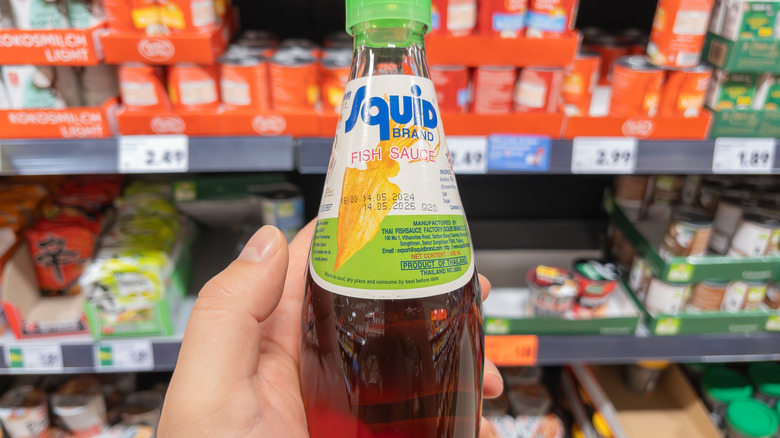
With a pungent aroma and the bold flavor to match, fish sauce is a transformative component of many Southeast Asian dishes. This thin, reddish brown liquid is made from fermented fish such as anchovies or shrimp, which are salted and pressed. It offers a distinct savory taste and features heavily in Thai, Vietnamese, and Filipino cooking.
When paired with other ingredients like fresh aromatics, coconut milk, and noodles, fish sauce brings an irresistible umami hit. Used correctly, it shouldn't make your dish taste overly fishy. Instead, it will enhance other elements of the recipe, bringing out richer, more complex flavors. Fish sauce is a must-have for whipping up a classic pad Thai or spicy Thai green curry. It's also used to enrich the broth in a Vietnamese pho, and serves as a key ingredient in the traditional nước chấm dipping sauce that's often paired with spring rolls. And, if stir-fries, stews, or marinated grilled meats are favorites in your meal rotation, fish sauce is the perfect tool for adding savory depth to your creations. You'll find it fits in beautifully alongside acidic ingredients like lime juice and rice vinegar, as well as fiery chili-based seasonings and sauces, and fresh lemongrass, garlic, and ginger.
A common misconception is that fish sauce needs to be refrigerated after opening. In fact, this condiment can be stored at room temperature for up to four years, even once you've opened it.
Sesame oil
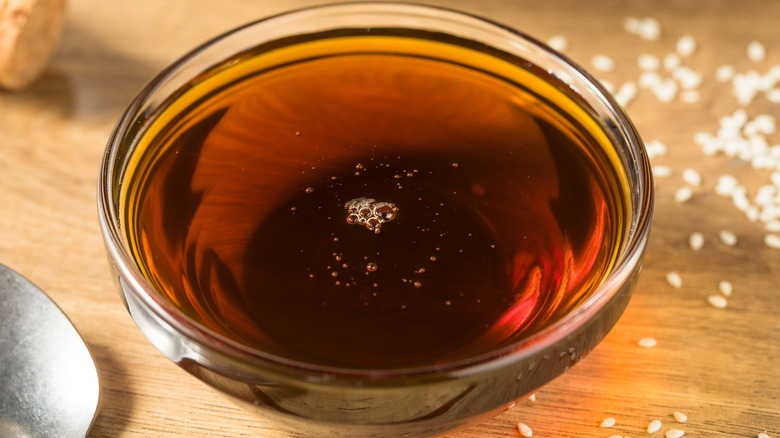
The foundation of countless stir-fries, marinades, and sauces, sesame oil boasts a rich, nutty flavor that fits seamlessly into both hot and cold dishes. There are two key varieties of this condiment, one being toasted and the other being light. The former is dark in color, with a deep, roasted aroma, while light sesame oil is paler and milder. This is the variety most typically used for sauteing and frying, and toasted versions are better for drizzling over dishes after cooking.
One of our favorite ways to use light sesame oil is in a simple bok choy stir-fry, where it pairs beautifully with fresh ginger, garlic, and oyster sauce. Once pan-fried, the tender greens pack plenty of toasty flavor, and they're perfect for serving alongside soups or curries with a scattering of sesame seeds.
Toasted sesame oil is a go-to for jazzing up a vibrant noodle salad. Consider crafting a nutty, zingy marinade by combining the oil with ginger, garlic, lime juice, and soy sauce, plus a dash of chili flakes and a drizzle of honey. This can then be tossed with tender noodles and crunchy veggies to create a fantastically flavorful side dish or light main. Toasted oil varieties are also great in a soy-based dipping sauce for dumplings, perhaps alongside fiery chili oil and tangy rice vinegar.
Rice vinegar

Many Asian dishes pride themselves on providing the perfect balance of sweet, salty, spicy, and sour elements. Rice vinegar (aka rice wine vinegar) is an effective tool for bringing that all-important sourness, adding brightness to dishes while helping to cut through the richness of other ingredients. Made from fermented rice, this condiment has Chinese origins, and its use dates back thousands of years. Today, rice vinegar is a staple across multiple cuisines, often found in Japanese, Korean, and Vietnamese recipes.
When selecting a bottle of rice vinegar at the store, you may be presented with multiple options. Generally, the most popular variety, white rice vinegar, has a clean, mild taste. Mellower still is black rice vinegar, which tends to be sweeter and smokier, while red rice vinegar offers a more tart flavor profile.
Try pairing white rice vinegar with soy sauce and sesame oil in a stir-fry sauce, or using it to season a batch of sticky sushi rice. Red and black varieties shine in dipping sauces, soups, and seafood dishes. You could add a splash of black rice vinegar to a steaming pot of Chinese hot and sour soup, or drizzle red rice vinegar atop a vibrant poke bowl.
Hoisin sauce
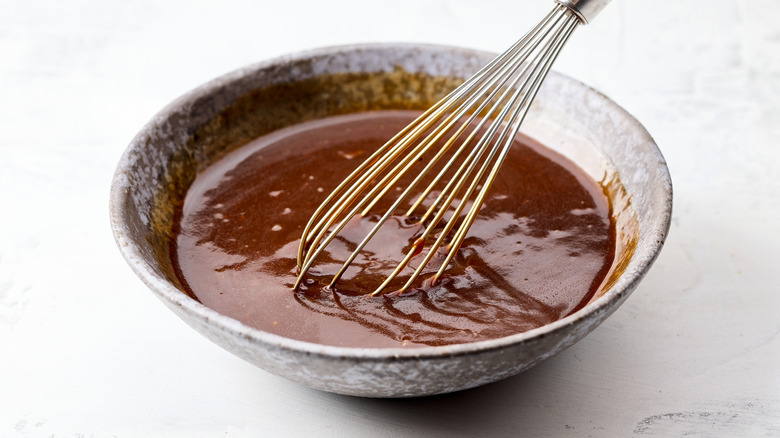
A thick, fragrant sauce with a wide array of applications in the kitchen, hoisin sauce is loved for its unique sweet and tangy taste. This condiment is especially popular in Chinese cooking, where it's ideal for building complex flavors in both meat and veggie-based dishes. The name "hoisin" stems from the Chinese word for seafood, though modern versions don't actually contain any fish. Instead, the sauce is made from fermented soybeans, sugar, vinegar, garlic, and various spices.
Hoisin sauce is sometimes likened to barbecue sauce, though it tends to be much richer and saltier than the American favorite. Oyster sauce shares some similarities with hoisin, too, though this is generally a little less complex and more briny in flavor. The thick, sticky consistency of hoisin makes it ideal for glazing roasted meats like duck or pork, though it's equally delicious served as a dipping sauce for spring rolls or stirred through fried rice. You can even combine it with mayonnaise to create an umami-rich sandwich spread or burger sauce. Though shelf-stable when sealed in the bottle, hoisin sauce should be stored in the fridge after opening, where it'll keep well for up to a year.
Fresh aromatics
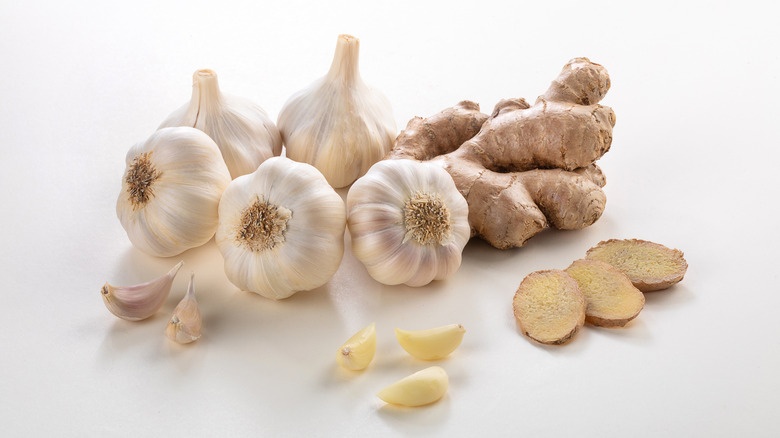
Asian cuisine simply wouldn't be the same without fresh aromatics. These punchy ingredients are essential for building fragrance and complexity, often sauteed in oil as the first step of the cooking process to set the flavor foundation for the dish. Garlic, ginger, and lemongrass are popular features across all corners of the Asian food landscape, and these staples bring a level of depth that's hard to replicate with dried seasonings.
With its signature spicy warmth, fresh ginger shines in stir-fries, marinades, and sauces. Lemongrass, which is commonly used in Thai cooking, offers unique citrusy notes that are great for bringing lightness to creamy curries and soups. Then, there's crowd-pleasing garlic, which seems to enhance just about anything it touches with its savory richness. These fresh aromatics pair well with other Asian condiments such as soy sauce, fish sauce, and rice vinegar, as well as creamy coconut milk, and fresh herbs like cilantro and Thai basil.
Aromatics can be used separately or combined to create layers of complementary flavor. And, there are a few different ways you can prepare them. Finely minced or grated aromatics will yield the most intense flavor, and this is a particularly great approach if you're stirring the ingredients into a sauce or marinade. On the other hand, larger slices or crushed stems or cloves are ideal if you're slow-simmering the ingredients in a broth and want a more subtle hit of aromatic goodness.
Gochujang
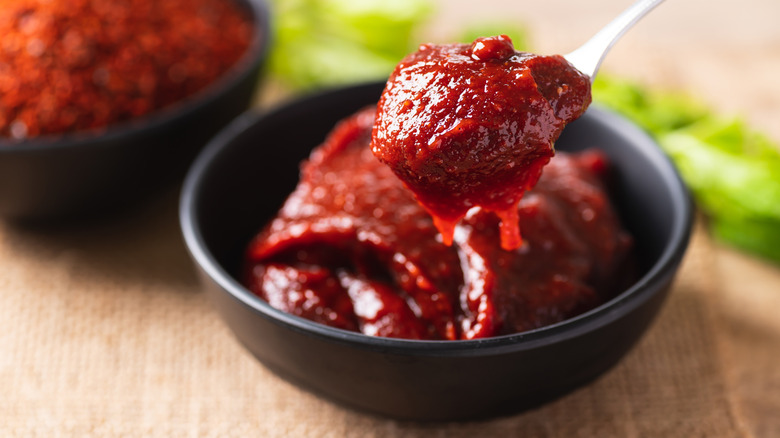
A favorite for injecting dishes with a hit of tangy heat, gochujang is a Korean fermented paste with a fantastically complex taste. Its spicy profile also features notes of sweetness and umami, making it an intensely flavorful addition to various dishes. Gochujang consists of chili powder, glutinous rice, fermented soybeans, barley malt powder, and salt, which are fermented with a fungus called koji. The fermentation process can take up to six months, with the flavor deepening over time.
While gochujang has long been a staple in Korean cooking, in recent years, it's become increasingly trendy amongst American home cooks. As well as being a popular add-in for savory glazes and marinades, the paste has also found its way into some more unusual places, from cocktails to cookie recipes. Somewhere it works particularly well is in seafood dishes. We love adding gochjang to a creamy sauce for tilapia, alongside coconut milk, ginger, and green onions. Or, try incorporating it into a sweet and spicy marinade for shrimp. Mixing the paste up with some soy sauce, rice vinegar, sesame oil, garlic, and sugar can also create a flavor-packed drizzle that's perfect for enhancing salads, rice bowls, and noodles.
Panko breadcrumbs
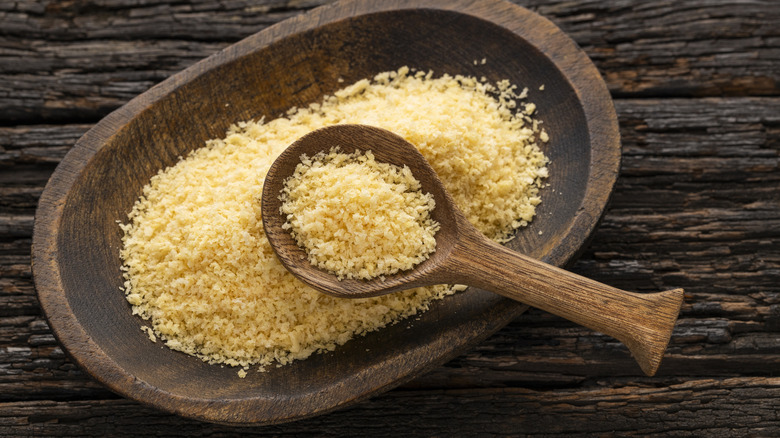
Japanese panko breadcrumbs are a delightfully light and crispy alternative to traditional breadcrumbs, made with a specific variety of white bread that's baked in a rather unique way — using an electrical current. Once baked and broken down into flakes, the breadcrumbs are then dried to further boost their crunch. Panko is the star of Japanese favorites like crispy tonkatsu and chicken katsu, where a crisp, satisfying coating is essential. But its uses extend far beyond fried meats.
Panko breadcrumbs can add texture to meatballs, crab cakes, and fritters, and make an excellent topping for casseroles and baked mac and cheese. They're also the perfect tool for breading veggies, creating a crispy crust on zucchini fries and baked florets of broccoli or cauliflower. The great thing about panko is its ability to maintain its crunch. Unlike regular breadcrumbs, which can become soggy if they absorb too much moisture or oil during cooking, panko delivers a consistent, crispy finish, whether you're pan-frying, oven-baking, or air-frying. So, having a bag of this handy shelf-stable staple in your pantry is always a good idea.
Cilantro
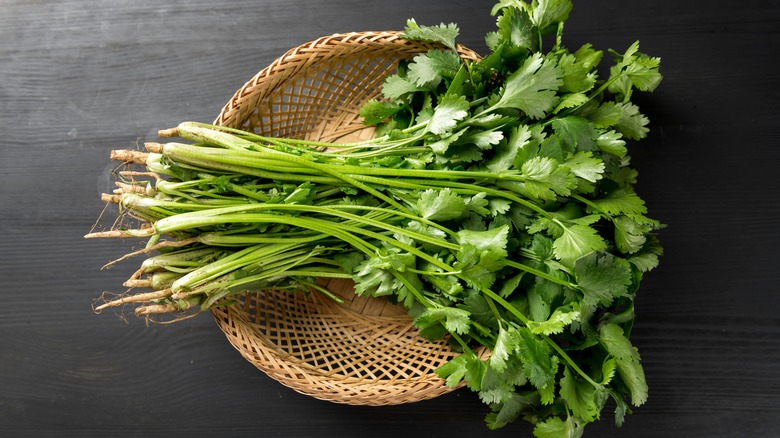
Love it or hate it, cilantro is an undeniably effective flavor-booster. Fans of this vibrant herb will know just how transformative it can be as a simple garnish, and that citrusy brightness fits beautifully into a variety of Asian-inspired dishes. Cilantro does an excellent job of cutting through the bold, spicy flavors that are so central to Asian cuisine, and it's great for adding a pop of color, too.
Cilantro is often used to add a fragrant finishing touch to dishes like soups, curries, and noodle bowls. A simple scattering of leaves can upgrade a bowl of Vietnamese pho, or balance the heat of an Indian vindaloo. Finely chopped, it's perfect for scattering over grilled meats and veggies, or tossing into salads. In a Thai-style green papaya salad, cilantro tastes incredible paired with crunchy peanuts, red chiles, and a umami-rich dressing. You can absolutely blitz this versatile herb into dressings and sauces, too. Think switching basil for cilantro when whipping up homemade pesto, crafting a spicy chimichurri sauce, or making a tangy cilantro-lime crema for your next taco night.
Dried noodles

An essential for adding sustenance and texture to broths, stir-fries, and salads, noodles are always sure to bring the comforting vibes. Bought dried, they're wonderfully convenient, keeping well in the pantry for months. What's more, they're affordable, versatile, and incredibly easy to prepare. Typically, dried noodles require just a few minutes of boiling or soaking in hot water to rehydrate them, after which they can be drained and used right away.
Most large grocery stores will have a wide selection of dried noodle products on offer. Rice noodles are a go-to for dishes like pad Thai, pho, and spring rolls, offering a lightness and subtle taste. These come in the form of thinner, string-like vermicelli and flat, ribbon-shaped rice noodles, which are great for soaking up flavor in aromatic broths and sauces. Then, there are wheat-based noodles, such as lo mein and chow mein, which have a thicker texture that holds up great in Chinese stir-fries. Udon noodles are thicker still, known for their satisfying chewy texture, and perfect for giving soups a hearty upgrade. Made with buckwheat, Japanese soba noodles have a distinct nutty taste and dark brown color, and they taste wonderful tossed in a simple soy and sesame-based sauce.