

Neither Basil Nor Rosemary: This Is The Easiest And Fastest Herb To Grow In Your Kitchen
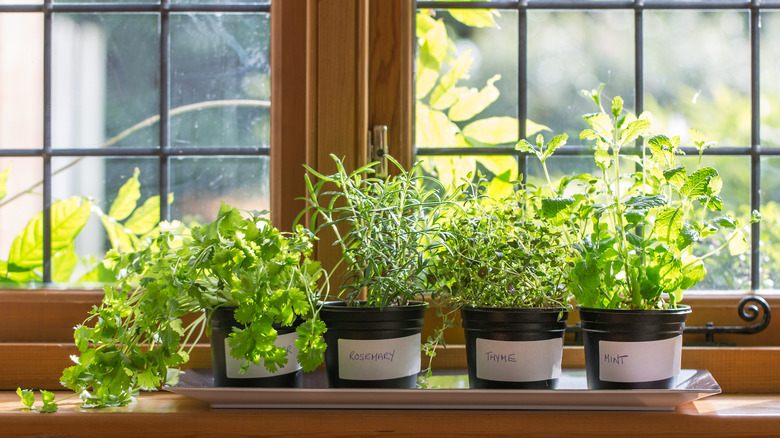
Growing herbs in your kitchen is always a good idea. As many of us look to personalize our kitchens despite having limited space, kitchen decor that's also useful is a win. Not only do potted herbs provide lively pops of green as well as lovely aromas, these plants also grant you instant access to fresh ingredients. You'll find yourself incorporating fresh herbs into more meals simply because they're right in front of you, ready to be plucked. Many are also versatile, so you truly can use them in so many ways.
Tasting Table actually ranked the best herbs to have in your kitchen based on versatility, and it's no surprise options like rosemary and basil were high on the list. But there's one herb that is both the most versatile and the easiest to grow: mint. From tea to cocktails and fresh chutneys to fruit or grain salads, the sheer variety of possible uses for mint makes it an appealing option — but what really seals the deal when you're choosing herbs to add to your indoor kitchen garden is how fast and effortlessly mint grows.
Buy a mint starter plant and pot it with well-draining soil; place it in a window facing east or west so it gets a good amount of light, but not too much direct sun; and keep the soil moist but not saturated, watering every few days or so when the top layer feels dry. Within weeks you'll have mint leaves you can use in all kinds of recipes.
Tips for growing and using mint
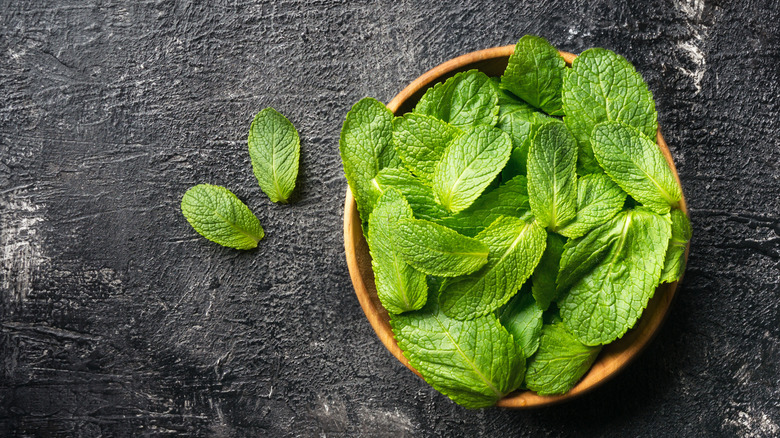
Especially if you're just starting your very own indoor herb garden, mint is beginner-friendly, hardy, and rewarding. You will want to make sure you explore the different types of mint, like how mint differs from peppermint, spearmint, and chocolate mint — there are even varieties like apple mint and margarita mint. All these types live under the general "mint" umbrella, with spearmint being what's considered the basic mint. These culinary varieties all grow similarly, so it's just a matter of deciding what you might use more. Peppermint is more intense, so it's ideal for cooking with stronger flavors, for example; while some of the best uses for chocolate mint are teas, smoothies, and cocktails.
Mint may actually be best to grow indoors versus outdoors, according to Ina Garten's mint-gardening advice. Since it does grow so quickly, it can spread out and take over your garden in no time. Keeping it in pots in your kitchen helps you maintain control. Trimming mint regularly accomplishes this, while also encouraging it to keep growing. You'll likely be doing this anyway, considering how much you can use this herb. Put it in salads, sauces, savory dishes, desserts, beverages — mint can even repel pests and soothe stomach aches in tea. With that fertile, well-draining soil that you keep consistently moist, plus some morning and late afternoon sunlight, your mint plants can last up to five years or longer if you replant every few years.