

16 Essential Tips On Growing Basil All Year Round
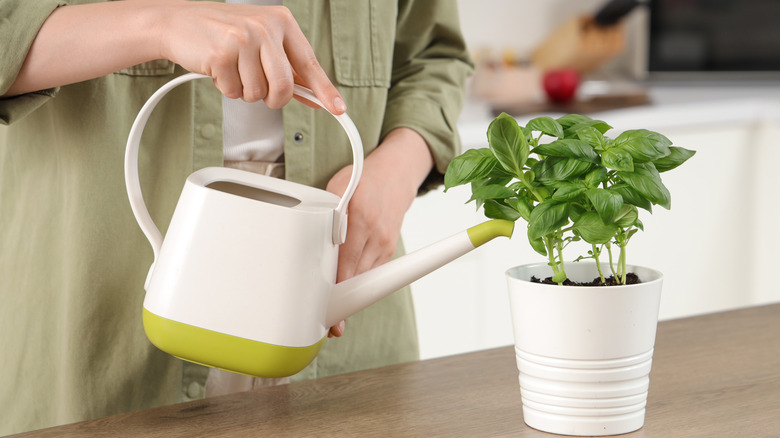
There are few plants as rewarding as basil. Not only is it easy to grow, but it's a versatile herb that can be used in a wide variety of recipes. Added to its cooking qualities, it has a beautiful aroma and is a lovely addition to any home or garden. As the owner of a gardening business, I've spent many years growing and selling basil. This gives me an expert insight into not only how to grow this herb, but also how to get fresh leaves all year round.
Due to its suitability as an indoor plant, you can enjoy fresh basil even in the depths of winter. Her,e I bring together 16 essential tips on how to grow basil throughout any season. While it is simple to grow from seed, it can be a temperamental plant that can die off quickly if you make mistakes. With a little attention and care, you can enjoy an almost endless amount of basil whenever you need it.
Choose the right variety
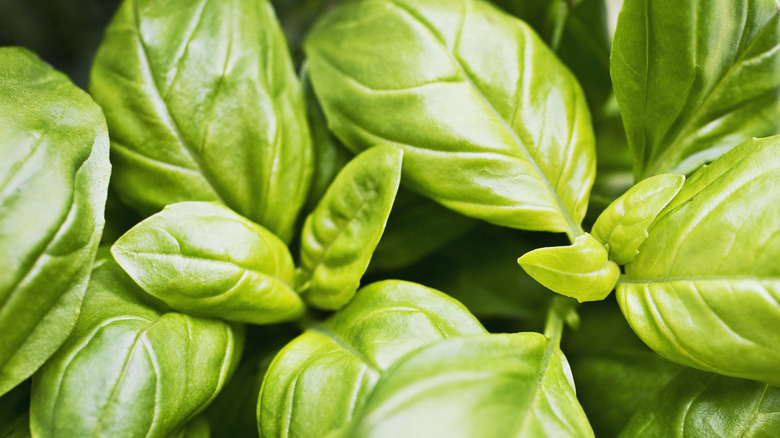
Not all basil is the same, and it's a great idea to choose your variety wisely. This is because it means you'll know exactly what you are growing to get the taste profile you most desire. Sweet basil is a group of basil varieties that are the most popular and give you that classical basil taste and aroma you crave. Of the varieties of sweet basil, Genovese is a great choice. Not only does it have those taste qualities, but it can be grown in either a garden bed or a pot, and both inside and outside.
This means you can grow one variety without worrying about whether or not you're giving it the right conditions. There are too many varieties to go through here, but double-check that you are getting a variety that is suitable. For one example, Greek basil copes particularly well if bright sunlight is going to be an issue. Often, you'll be limited by where you buy your seeds, but a little bit of research can go a long way.
Start with healthy seeds
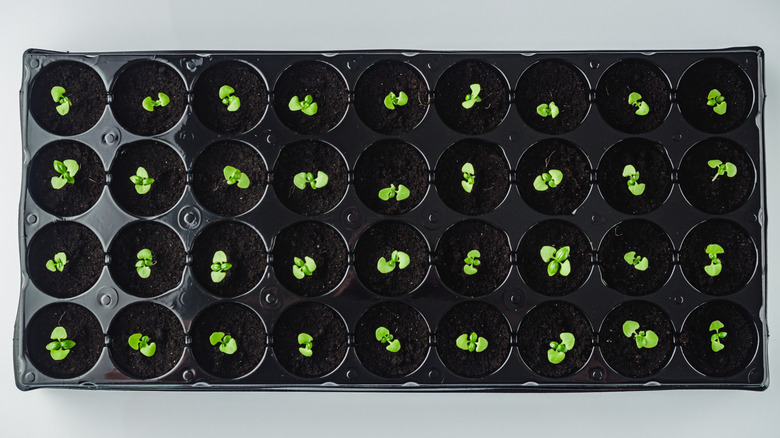
You can often buy a fresh basil plant from stores, but I never like doing this for a few reasons. You don't know how it has been treated, what specific variety it is, or the conditions it has grown in. Basil's not only easy to grow, but it's quick to germinate, and you can grow multiple plants at once. By sowing yourself, you have complete control over the process and can start your own lineage of basil plants.
You'll also be giving them the best start in life. With the right conditions and feed, you'll develop strong roots and vigorous leaf growth, something that can't always be guaranteed with a store-bought plant. To grow from seed, all you need is some good compost and a warm windowsill. Seeds will usually germinate in around a week and will grow rapidly. Once it has at least two sets of true leaves, you can start to harvest your plant.
Use a well-draining soil mix
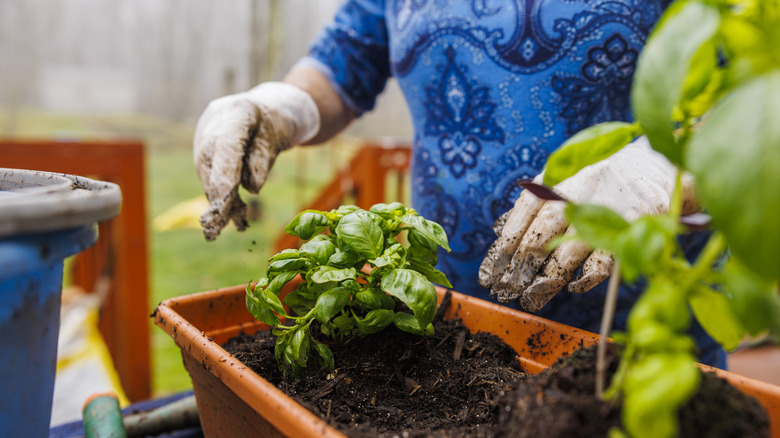
Basil doesn't cope well with waterlogged soil. The best quality soil will be able to retain an adequate level of moisture while still letting excess water drain through. When growing from seed, an all-purpose potting mix will work just fine. This will be a combination of compost and organic matter, such as perlite. This is designed to ensure a growing plant has enough aeration and prevents the soil from becoming compacted.
When it comes to potting on your seedling, a regular high-quality compost will give it all its growing needs. If you're planting in the ground, remove any heavy garden soil and ensure you have an adequate amount of compost. To ensure the fullest growth, add a balanced fertilizer to your feeding schedule once every couple of weeks.
Give them plenty of sunlight
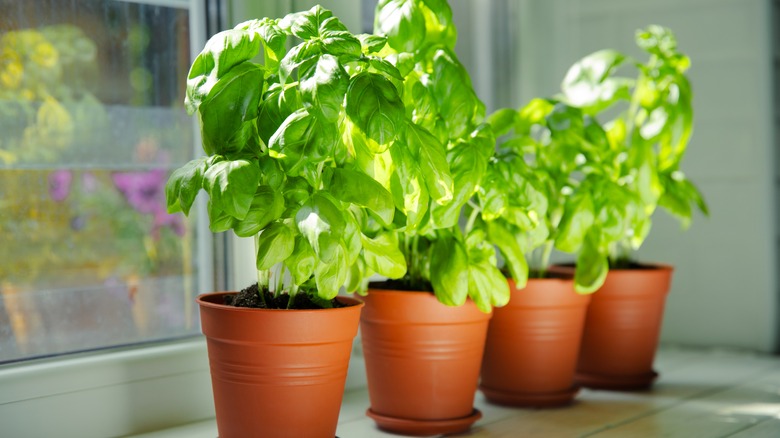
One of the biggest challenges to growing basil indoors is giving it an adequate amount of sunlight. Basil plants rank up there with the likes of strawberries as being true sun lovers, ideally having at least 6 hours per day. Placing them on a south-facing windowsill can often be good enough, as long as that windowsill doesn't get too cold. Without enough light, the basil plant can start to get a little weak and lose much of its aroma and taste.
If this is a struggle, you can supplement the light they need with grow lights. These are easier than ever to get, with compact and energy-efficient options that can be easily used at any spot you choose. It means you can allow plants to thrive even in the darkest of days. You can also use this as a backup option. If your basil plants start to look a little leggy, you can place them in a grow light area until they look healthy again.
Know that your pot size will affect growth
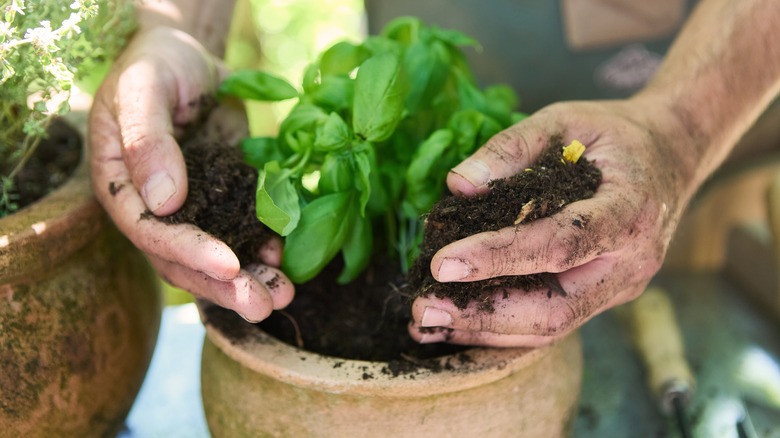
It's a general rule that a plant will grow to the size of its pot. Without adequate space for root development, the plant won't reach its full potential. That's not always a bad thing, as it can depend on your space and aesthetic. I've successfully kept basil in a 4-inch (10 cm) pot, but here it will remain quite compact. For a large and healthy plant, you want at least a 6-inch (15 cm) pot, but ideally a little bit bigger.
There are a few key advantages to a larger pot size beyond root development. Having a larger volume of soil allows you to better control moisture, as it won't dry out as quickly. Added to this, it gives more space for nutrients to be stored. A large plant is simply going to be more resilient as well. It's easier to harvest continually, will better overcome stress, and it will have a thicker stem. Finally, choose a pot with good drainage to prevent roots from being waterlogged.
Use cuttings to keep a constant supply
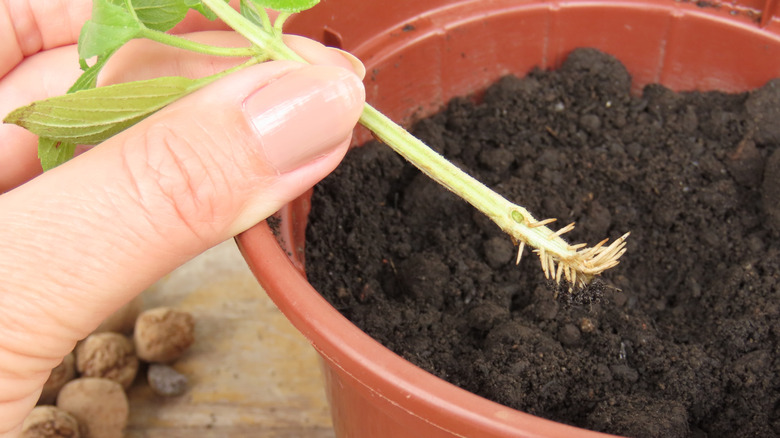
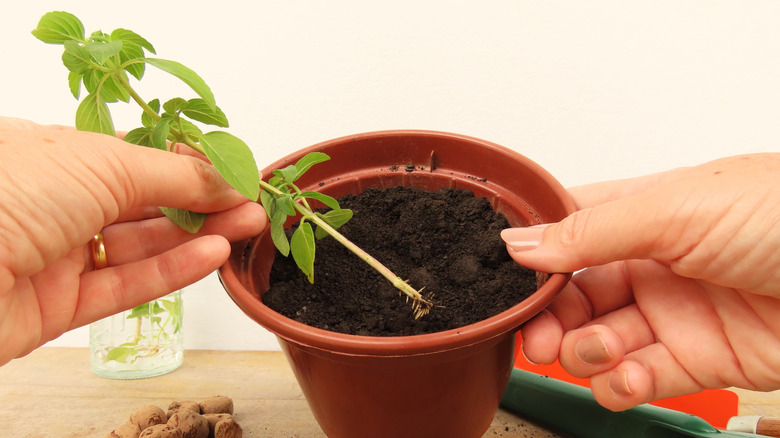
I love starting with seeds for the reasons above. However, once you have grown your first basil plant, all your subsequent plants can come from cuttings. You can theoretically have an infinite amount of basil from just one plant. You want to wait until you have a stem large enough that you can cut off at least 4 inches (10 centimeters) and still leave a healthy plant. Cut just above a set of leaves, remove the lower leaves from the cutting, and then place it in fresh water.
When in a bright and warm spot, it will start to grow roots in a week or two. You can then transfer your cutting into a new pot, where it will grow into a strong and healthy basil plant. You can repeat this process as many times as you want to enjoy an endless cycle of basil. Even if well cared for, a basil plant will only last for up to a year at the most, so cuttings are a way to keep those genetics going for years.
Keep the soil consistently moist
One of the biggest mistakes for any beginner gardener is presuming that plants need continuous watering. There are a huge number of plants, such as rosemary, that can develop root rot if they remain saturated. For a delicate plant like basil, this almost certainly means plant death. Basil will best thrive when the soil stays consistently moist. If you pick up a little dirt from the surface, you should feel the moisture between your fingertips without any visible water droplets. In dry or war, conditions, this can mean watering every day, especially if your plant is outside.
It's best to water your plant deeply when the top inch of soil feels like it's starting to get a little dry. With deep watering, make sure your basil plant is in well-draining soil and, if it is in a pot, it has drainage holes to let any excess water through. Depending on your climate and where you keep your basil, you'll soon develop a good sense of when it needs a drink. If you're finding evaporation to be an issue, add some mulch to the surface, as this can help to trap the moisture in.
Make sure indoor air isn't too dry
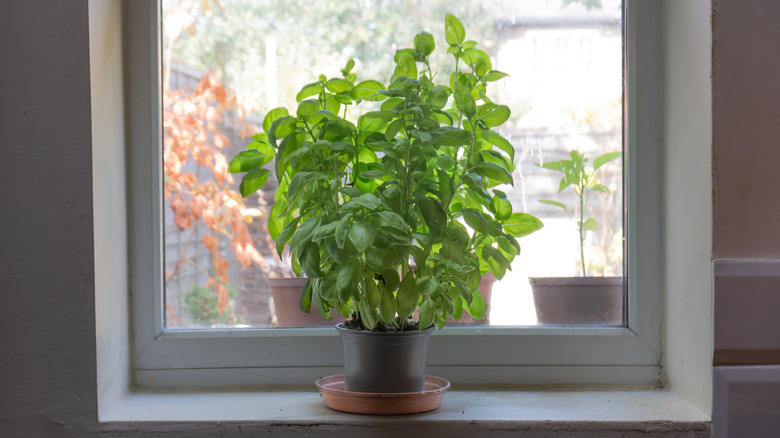
Cold air doesn't hold as much moisture as warm air. However, when we heat our home, we increase the temperature without adding any water. That adds up to a warm yet dry environment. That may suit some plants, but it stresses out basil. This can cause its leaves to curl and turn brown, taking away from their flavor and freshness. It's important to increase the humidity for your basil plant, but thankfully, this is an easy fix.
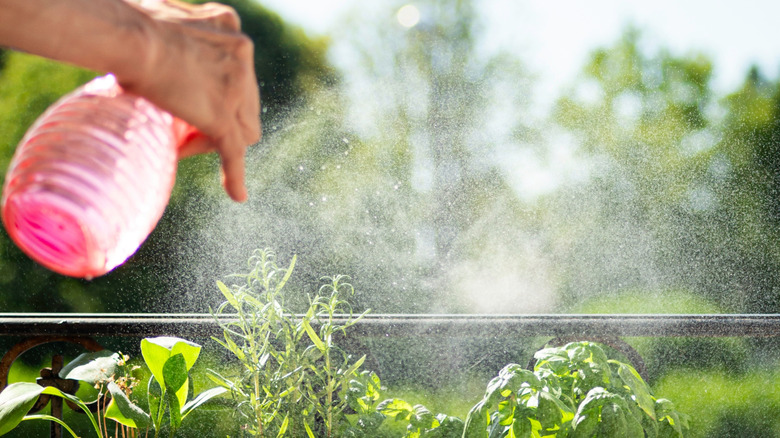
There are two options here, with one of them being to mist the leaves every few days. This is different from watering, as it isn't done for the roots. A more elegant solution is a pebble tray. This is where you place your plant pot on a tray of pebbles, partially filled with water. As the water evaporates, it creates the humidity required. The ideal humidity for basil is in the 40-60% range, so if your house is always in that range, you don't need to take any steps. The most comfortable humidity for humans is in the same range, so it may make sense to invest in a humidifier if this is generally an issue in your home.
Never let it flower
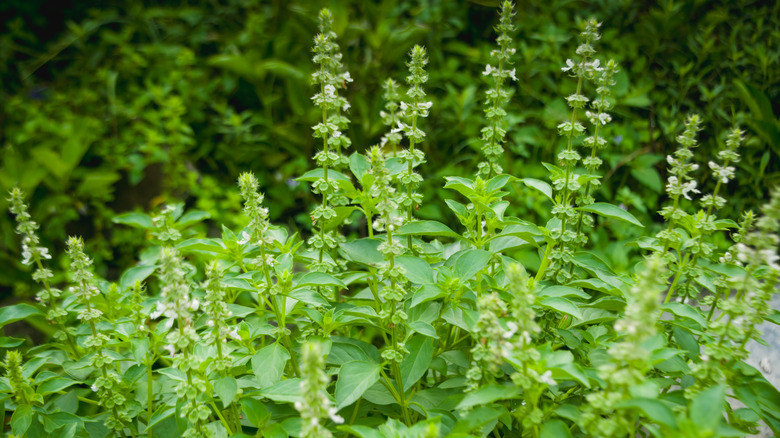
Essentially, every plant wants to grow, flower, be pollinated, create seeds, and then spread those seeds. That is oversimplified, but it's important to appreciate this life cycle. When it flowers, the energy it spends on creating broad and healthy leaves gets diverted. For the likes of tomatoes, you want this to happen as the focus goes on growing large fruits. However, when it comes to harvesting leaves, a plant going to seed is usually a bad idea. Leaf production will drastically reduce, and the leaves that are there will lose a lot of flavor. Simply put, when basil goes to seed, it becomes useless to us humans.
As we've seen, you don't need to harvest the seeds, as you can grow more quickly from a cutting. The plant will naturally start developing flowers in as little as six weeks, but there are a few factors that can hasten the process. Stress through the likes of lack of water and hot weather can make it bolt, meaning it panics and goes to seed prematurely. The first step here is to keep its conditions ideal. As for how to stop it from flowering, that brings me on to the next section.
Harvest even if you don't need leaves
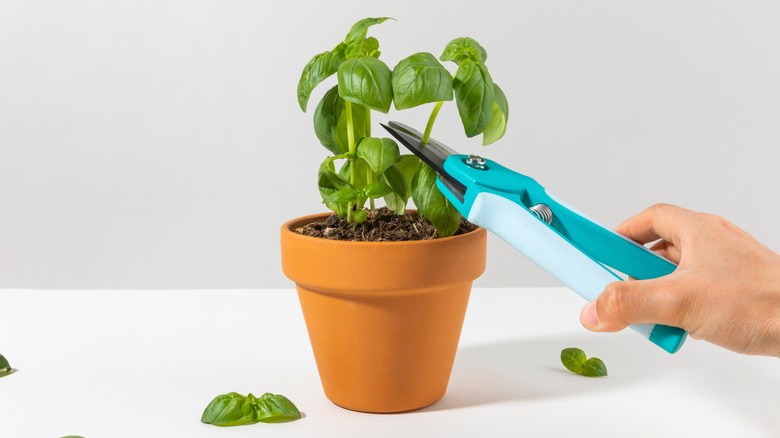
There are a couple of reasons you should keep snipping off leaves, but I'll start where I left off. The basil will grow a flower head from its central stem. If you keep cutting this off, then it makes it much harder for the plant to go to seed. It either has to regrow its main stem or grow multiple stems. Due to this, it will constantly have to redirect its energy back into leaf production. Even if you think picking leaves you don't need is a waste, it will actually benefit you in the long run. There is also no need to waste basil, as these leaves can either be frozen or dried.
The second reason is that if the plant has its main stem cut, it will try to find other ways to thrive. It will become bushier and fuller, eventually leading to more stems and therefore more leaves. It also makes for a prettier plant. I mentioned that when taking a cutting, you want to snip above a set of leaves. When harvesting leaves, the same applies; cut above a set of leaves, as this will promote quicker regrowth.
Check them often for pests
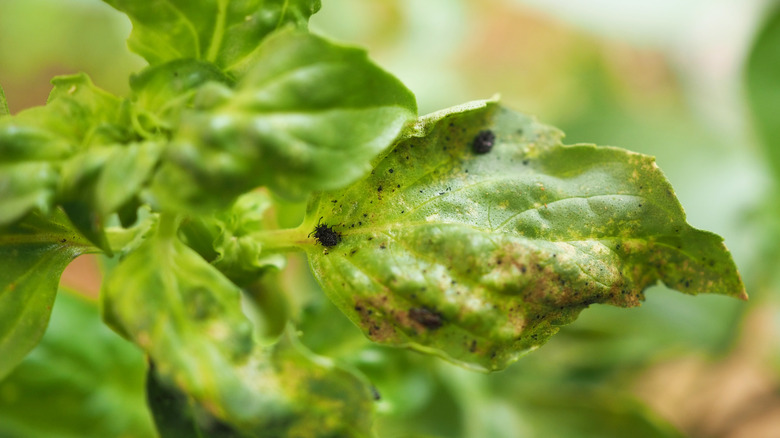
Basil can often be a great companion for many plants, such as tomatoes, due to its ability to deter many common pests with its strong smell. However, this doesn't mean that it's immune, as it can still be a target, especially indoors, where natural predators aren't present. You want to be on the lookout for critters such as aphids, spider mites, and whiteflies. There are only tiny, but in high enough numbers, they can feed on sap and drain life out of your plant.
These will be mostly found on the underside of leaves. Thankfully, the solution is often as easy as giving them a spray with water and a mild soap. For more severe infestations, neem oil spray will be the most effective defense. If you have any other plants, either indoors or outdoors, make sure to check them too to prevent any issues from spreading.
Refresh their soil periodically
As you've seen, with being able to grow basil from fresh cuttings, it's tempting to grow new basil plants in the soil from a previous plant. The same applies if you have grown basil in the ground. However, even with regular feeding, plants will eventually use up all the nutrients in the soil. Along with this, soil will also get more compacted over time and won't be able to hold moisture and oxygen as effectively as possible.
Due to this, you want to refresh your soil when it's time to put a new basil plant where another one once grew. This also applies to other plants you may have grown. I like to put used soil in my compost pile so that it can rejuvenate once again. For existing basil plants that have been in a pot for a while, it can also be a good idea to replace the top few inches of soil a few times a year if it starts looking dry and lifeless.
Plant cuttings outside in the spring
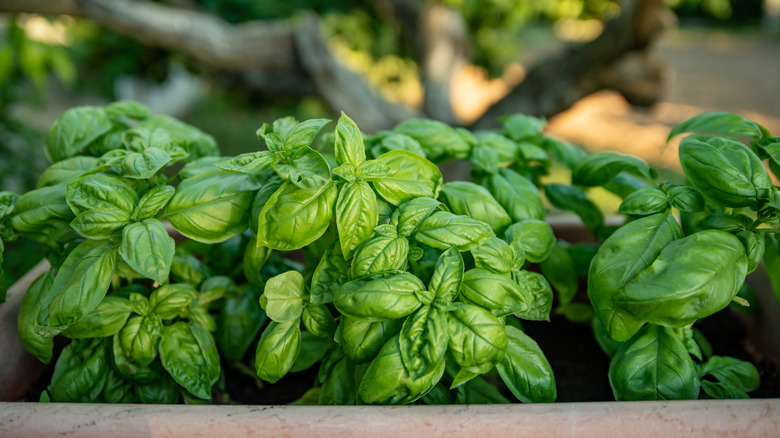
Even if you want to grow your basil inside, it makes sense to make use of the growing season. This can free up your indoor space, and you won't need to worry as much about fresh air and sunlight. The outdoor environment increases your chances of having fuller growth and better flavor. Crucially, it also gives you a backup if anything happens to your indoor plants.
Instead of letting these plants die off when the colder months, you can either transplant them indoors or use them for cuttings that you can replant. As I also mentioned before, basil is an excellent companion for many plants, which can make your life easier when growing other crops. You can grow basil exclusively indoors, but planting outside in spring gives you a better chance of creating a continuous growing cycle.
Keep several plants at once
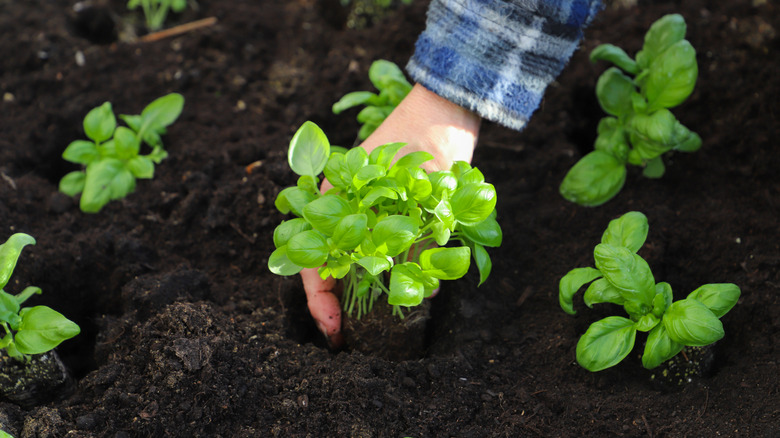
Basil can be a little unpredictable. It can be susceptible to sudden temperature changes, pests, or overwatering. When problems come with basil, they come very quickly and are often irreversible. You may go on a weekend vacation only to find that your basil plants have wilted or gone to seed. Due to this, it's not only prudent to grow several basil plants at once but also to have them in different locations.
This means that if you have a problem in one area, you can save your basil crop by rejuvenating another. This is better for harvesting too, as you don't have to overharvest one plant and stress it out too much. With a nice, even spread, you can protect yourself from disasters while also allowing your plants to regrow easily after you've picked leaves. This means you'll always have lush and fragrant leaves when you need them.
Keep it above 50F at all times
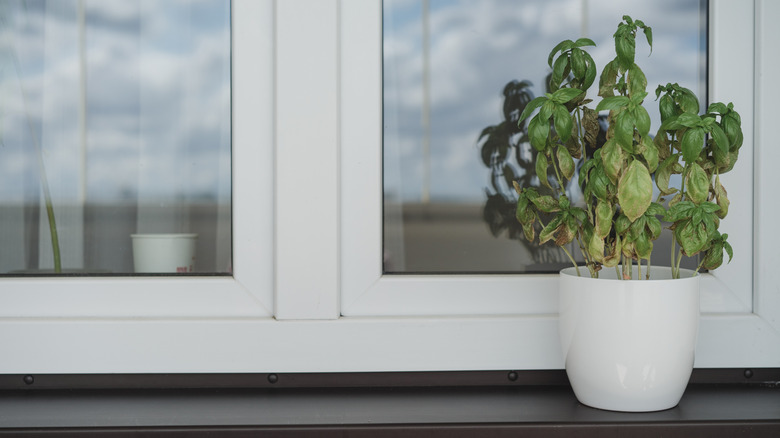
I've mentioned that basil can be susceptible to temperature changes. When it gets below 50°F (10°C), the plant will generally see that as a sign that the growing season has ended. The leaves will start to go black, and if they haven't already, they will try and go to seed. Where basil can be temperamental is that this can happen even if exposed briefly to chilly drafts or cold windowsills.
Check the temperature near your windows and make sure it stays warm enough, especially at night. Moving them slightly away from the glass, using a heating mat, or placing them near a window but not right next to it are often good solutions. If you're growing them outside, make sure you have transplanted them or taken cuttings before the temperature drops below this figure.
Rotate your plants
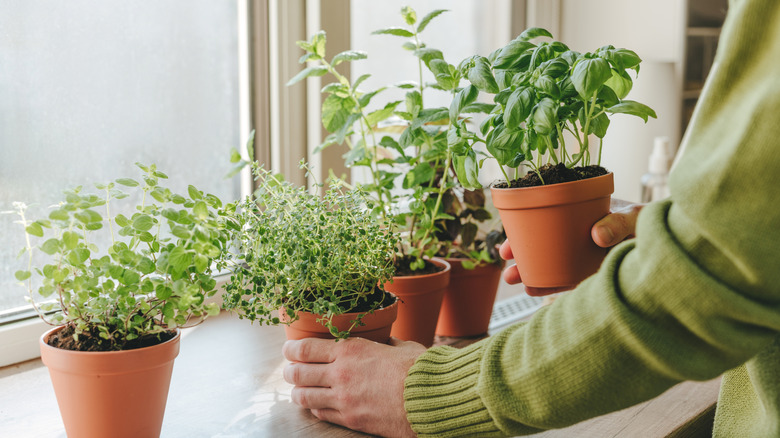
It can be hard to meet all the needs of your basil plants at all times, especially when it comes to sunlight. Over time, you'll figure out which places in your home support the best growth and which others don't. If you are growing multiple plants, you may place some pots in a place that isn't ideal. Due to this, it's best to rotate your plants both in terms of location but also which side of the plant is facing the sun.
This can allow for more consistency and even growth. For example, you may want a plant on your kitchen windowsill for ease, but it could be a north-facing window. Once you've harvested a few leaves, you can place this plant in a more optimal spot to regrow while you replace it with another. This rotation can also help with airflow and reduce the chance of stagnant, moist air. It's another part of ensuring you have fresh basil all year long.