

8 Tips For Planting Rosemary In Your Garden
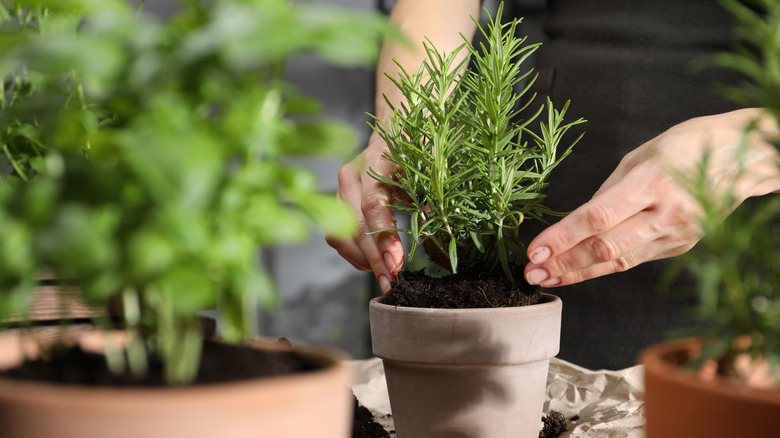
The growing conditions of herbs can vary greatly. Whereas the likes of basil can be quite temperamental, rosemary is a resilient and hardy crop. Not only is it a tough plant but its bushy growth and elegant fragrance make it a fantastic addition to any garden. As someone who runs their own gardening business, I've had a lot of experience with rosemary. Whether it's through selling it or just growing it for myself, it's always nice to have something that is low maintenance so you can dedicate time to your more temperamental plants.
While it can be simple to grow rosemary, it only becomes low maintenance if you know what you're doing. Making mistakes can lead to poor harvests, ugly growth, and even plant death. These are easy mistakes to avoid once you follow some basic tips. That's where I can help. With my experience, I can guide you through the right steps to take. Once you've finished reading, you'll be able to have a healthy and prosperous rosemary plant for many years to come. Whether you've tried and failed to grow rosemary in the past or are a complete beginner, you'll soon know how to master this brilliant herb.
1. Choose a warm, sunny spot
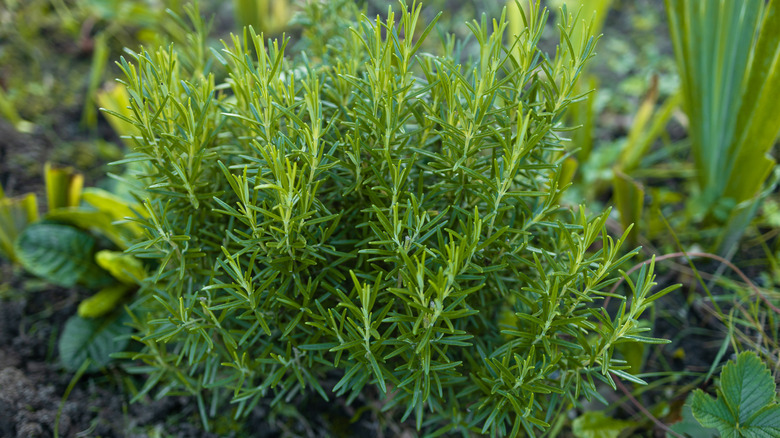
When growing any type of plant, it's good to know where it is native to. Rosemary is a Mediterranean herb. From this, we can safely assume that it is used to dealing with plenty of sunshine and it can survive long periods without rainfall. If you want your rosemary to thrive, then it's a good idea to try and replicate these conditions. Due to this, you want to choose a spot in your garden that is warm and sunny. You should aim for at least 6 hours a day of direct sunlight. Rosemary can still grow okay without this level of light, but it will be more leggy and weaker than it otherwise would have been.
In my experience, it's best to plant it in an open space or south-facing spot in your garden. The best spot for you may depend on different factors, such as neighboring trees or buildings that might block the sunlight. Due to this, it makes sense to track the sun throughout the day and see which spot gets the most sunlight. Many other plants, such as tomatoes, thrive in these spots so you may end up needing to decide which plants you want to give the most ideal conditions, too. But if you want your rosemary to have vibrant color and that beautiful fragrance, it needs a lot of sunshine.
2. Make sure you have the right soil
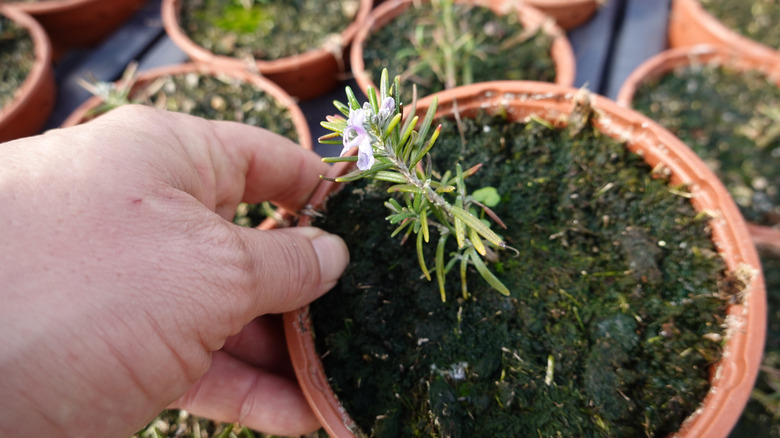
In my view, overlooking soil quality is the most common mistake I see with beginner gardeners. There seems to be an expectation that any type of soil is all you need to grow a plant. While some plants can cope better with poor quality soil than others, rosemary has some fairly specific requirements. It may seem counterintuitive for a plant, but rosemary hates being too wet. Rosemary naturally grows in quite rocky soil. One of the features of rocky soil is how water drains through it extremely quickly and doesn't sit at the roots.
Root rot is one of the biggest dangers when growing rosemary, and this happens if the soil is waterlogged. If you're planting rosemary into the ground, make sure you have loose soil. If you don't, it's best to remove 45 inches of soil and replace it with compost. This is a significant undertaking, especially if you want to do this to a wide area. Thankfully, rosemary can grow perfectly well in large pots. Whether in the ground or in a pot, you want to use a free-draining soil mix. It's also a good idea to add some horticultural grit, which is essentially inert rock that can aid in aeration and drainage. Rosemary also prefers slightly alkaline soil, but this isn't as complicated as it may seem. Store-bought compost is usually quite neutral but can be made slightly acidic by adding some garden lime.
3. Give them plenty of space
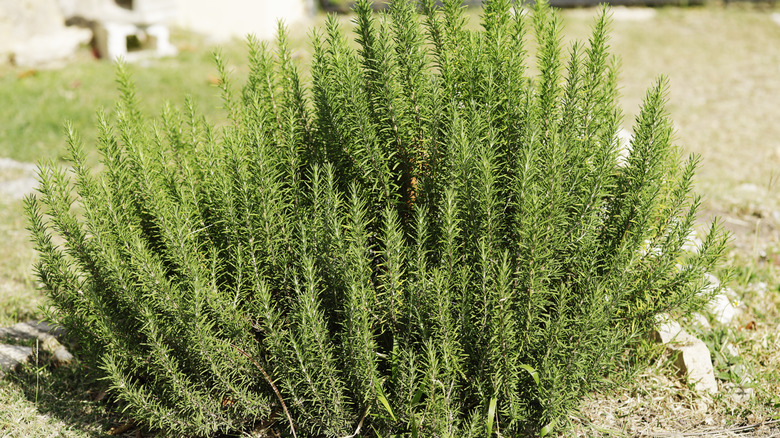
Before planting anything you need to give consideration to its full size. Rosemary can eventually grow into a sturdy and bushy plant. Therefore, you need to make sure it has plenty of space to thrive, especially if you are growing multiple rosemary plants together. Unless they have a good level of airflow, plants can be susceptible to fungal problems that thrive on standing water. Airflow can also help with preventing the buildup of humidity and allowing for a natural level of evaporation to happen.
When planting rosemary, you want to give at least 18 inches between it and any other plant. This not only ensures that it has sufficient air circulation, but it also means the roots will have adequate space to grow and won't be competing for nutrients with any other plant. If you are growing rosemary in a container, it's best to have a lot at least 12 inches wide and around 10-12 inches deep. Rosemary isn't a heavy feeder of either nutrients or water so therefore it doesn't need a massive pot to thrive. When planting, make sure the soil is loose and keep the top of the root ball level with the surface of the soil. At this point, you want to water the plant deeply for the first and last time, as this will help the roots to establish.
4. Make sure to not overwater
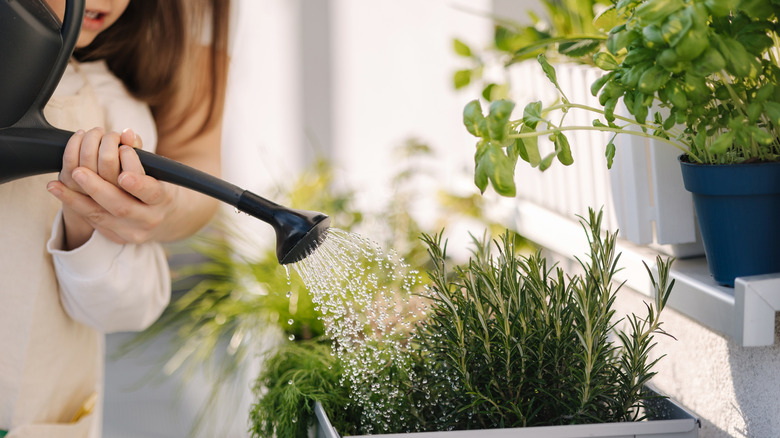
As a gardener, it's only natural to assume your plants need as much water as possible. In reality, overwatering can be harmful. Again, it's good to think about the Mediterranean climate that rosemary is native, too. Plants in this region can go for long periods without water in those long, dry summers. It's due to this that rosemary is drought resistant. This means that it can cope for long periods without watering as its roots are adept as seeking out any moisture that may be in the soil. When it sits in saturated water for too long, the roots of a rosemary plant can start to rot. This initially shows as yellowing leaves and weak growth, but it can eventually lead to the death of the plant.
When watering your garden, it can often be the best idea to leave your rosemary plant alone. It will need watering again once the top few inches of the soil have dried out completely. And as I mentioned above, make sure this soil drains easily. Over the winter, you can cut back watering even further. If they are left outside, nature will likely do all the watering for you. If you're not sure whether or not your rosemary plant needs watering, then leave it alone until you are sure. It seems counterintuitive but overwatering can kill it. If you underwater rosemary, it will quickly bounce back once it has a drink.
5. Keep pruning them regularly
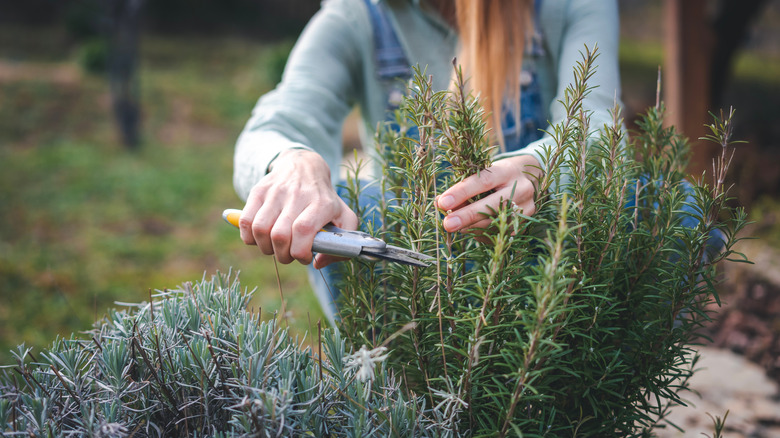
Regular pruning is not only important for the health of the plant, but it also keeps it more attractive. As with many perennials, when left on its own, rosemary can become what's called woody. This is where each year the new growth will grow at the tips of the old growth. The old stems will stop producing fresh leaves and become wooden. When this happens, the base of the plant becomes sparse and instead of having a vibrant bush of rosemary, it will look leggy and scraggly. This process can be very difficult to reverse, so therefore you want to keep on top of it.
By pruning the tips regularly, you are signaling to the plant that it needs to focus growth on other areas of the stem. This leads to denser and bushier growth. For gardeners, this is a win-win. Not only will you get a healthier plant, but it will look much better, too. A part of this pruning will be done through harvesting for your rosemary recipes, but you should keep on top of it throughout the growing season. Some plants need what is called hard pruning before winter, where you cut it right back. Rosemary does not need this. Instead, it's better to do your last cut back in late summer to encourage some new growth before winter sets in.
6. Check regularly for pests and diseases
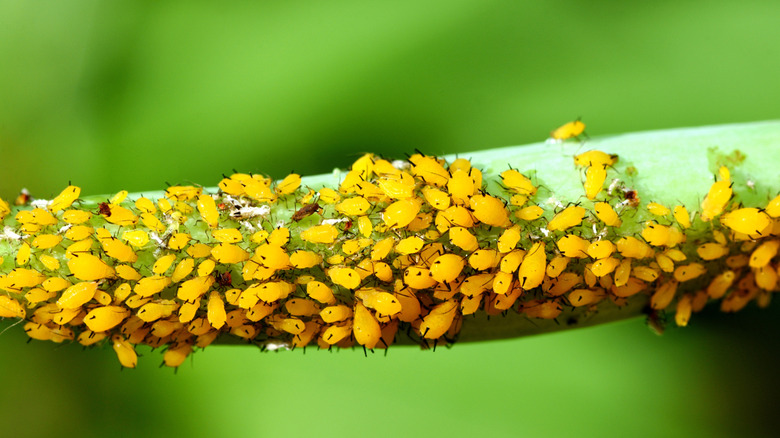
Rosemary is quite a resilient and hardy herb, but it still needs to be checked for pests and disease. As for pests, your biggest enemies are going to be aphids, spider mites, and whiteflies. These tend to hide on the underside of leaves and can suck at the sap. When left unchecked, this can gradually weaken the plant. With these pests, the damage they cause is only a big issue if it has gone unchecked for long periods of time. If you catch an infestation early, the plant will almost certainly bounce back. Starting with a spray of water and a touch on mild soap is usually enough to get rid of them. For more stubborn infestations, neem oil is highly effective.
Powdery mildew is mainly the biggest concern with fungal diseases, which usually shows up as a white and dusty coating on the leaves. Cutting away the affected growth and applying an organic fungicide or perhaps even a little bit of milk are the best options here. Again, this is rarely a big issue if treated early. The biggest problem can come from root rot. If your plant is wilting with yellowing leaves and has been in waterlogged soil, this could be the issue. The only real solution here is to remove any roots that are black, mushy, or smelly. The healthy roots should then be sterilized in a fungicide solution. With root rot, the prevention is much easier than the core, so ensure your rosemary has well-draining soil.
7. Give them some helpful companions
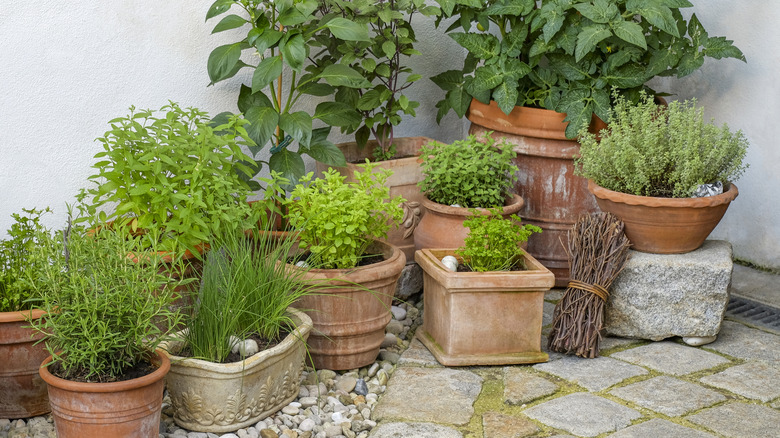
Companion planting is the idea of grouping different types of plants together that can be beneficial to each other in some way. Rosemary can grow well on its own, but it can still be aided by some helpful friends. Other herbs such as thyme and sage can be great companions as they share much of the same requirements, meaning you can plant them together without worrying about conflicts. Rosemary's strong aroma can deter many harmful pests, so it can help vegetables such as carrots and beans have a natural level of protection.
It's almost always a great idea in your garden to plant flowers that can attract beneficial insects, such as ladybirds and hoverflies. That's because these garden friends are prey for nasty pests and have no interest in damaging your crops. Yarrow, calendula, cosmos, and marigolds are just some of many examples of flowers that can not only attract beneficial insects but also give your garden more beauty. As for bad companions, avoid plants that will grow dense and busy or anything that has highly contrasting growth requirements. Especially avoid anything that is a high feeder and needs plenty of watering, such as tomato plants.
8. Keep them protected over winter
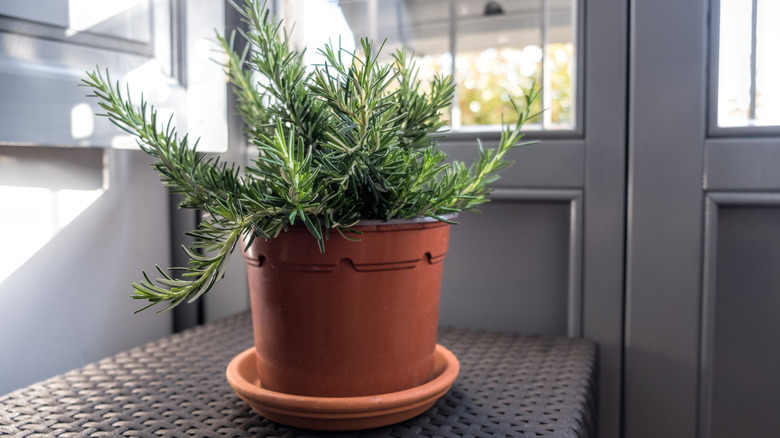
Rosemary is a hardy perennial, which means it will come back year after year. During the winter, it will go dormant before bursting back into life. While rosemary is tough, all perennials have their limits. You don't need to keep the plant warm but you want to protect it from extreme cold, with around 23 degrees Fahrenheit (-5 degrees Celsius) being the danger point. If the temperature where you live never goes below that, you don't need to worry. If it goes below that level for extended periods, it's best to keep your rosemary in a pot so you can bring it inside. If you live in an area where those cold spells are possible but are not guaranteed, there are ways to protect your plant.
The most obvious step is mulching, as this will help to keep the roots insulated. Frost cloths and horticultural fleeces are also a good idea if they are particularly exposed. These are generally simple to use and can be just draped over the shrub. If moving your rosemary inside, it's best to follow its natural cycle and give it the dormant rest it needs. This means keeping it in a cold greenhouse or a garage, instead of a warm home. If this means taking it out of the sunlight for a few ways, that's okay in short periods. With protection, you can enjoy vibrant and fresh rosemary year after year.