

These Are The Fastest-Growing Chain Restaurants In 2025
The American restaurant scene is shifting faster than you can pull up into a drive-thru. While legacy chains like McDonald's (founded in 1940), Chick-fil-A (founded in 1946), and Starbucks (founded in 1971) continue to dominate the market, ambitious restaurant chains are racing to claim real estate across the country. From celebrity-backed hot chicken joints and Southern comfort food shops to Korean barbecue restaurants and submarine sandwich stores, 2025 is shaping up to be a banner year for rapid expansion in the fast-food industry.
But what's driving this growth? A perfect soup of factors. Private equity firms are buying up chains that have mastered the franchise model. Pandemic-era shifts in dining habits have created opportunities for brands to refine takeout, delivery, and drive-thru services. And consumers, heavily influenced by social media and always hungry for the next big thing, are embracing both nostalgic comfort food and bold new flavors. The result? Some chains are opening 50 to 60 new locations per month, while others have signed dotted lines to add hundreds of shops over the next few years.
The chains expanding fastest aren't the popular ones you'd most expect. Sure, there are chicken shops galore — and you might be familiar with a few of these — but you'll also find coffee shops leaving tiny but impactful footprints in the market, sub makers going international, and Asian specialists carving their own path. Here are ten chains that are growing the fastest and why you should keep an eye out for them.
Dave's Hot Chicken
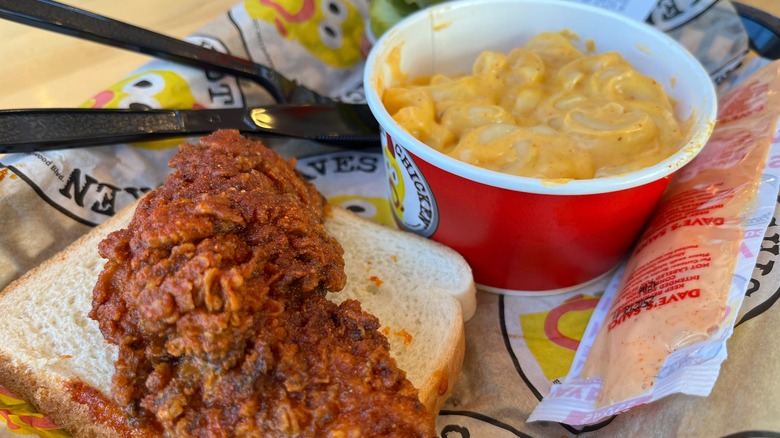
When a restaurant starts in an East Hollywood parking lot and ends up with nearly 1,000 locations in development, you know something epic is underway. Dave's Hot Chicken has become the poster child for explosive growth in the restaurant industry, and 2025 is proving to be its biggest year yet. The Nashville hot chicken specialist isn't just expanding across America; it's taking its spicy menu across the globe with a plan for 180 new restaurants spread across 10 European countries.
The brand's momentum caught the attention of Roark Capital in June 2025, and the private equity firm, which also owns Subway, didn't think twice before buying the chain for a cool billion dollars. Fresh off its heels, the chain also partnered with Azzurri Group, one of the U.K.'s largest hospitality brands, to spearhead its 180 restaurant expansion across 10 European countries. The plan is to leverage joint venture partnerships with local vendors in each country, including France, Portugal, Spain, Germany, Poland, Hungary, the Czech Republic, the Netherlands, Italy, and Turkey. The chicken chain is already established in the U.K.
Celebrity backing also put Dave's on the map. The restaurant chain boasts an impressive roster of celebrity investors, including Drake, Samuel L. Jackson, Maria Shriver, Michael Strahan, and Tom Werner. Dave's struck a good balance between Instagram popularity and food that's actually delicious, and those celebrity endorsements have helped Dave's Hot Chicken become so famous. At the restaurant, the chicken heat levels range from mild to "Reaper" (if you dare), and the meat itself is genuinely good, juicy, well-seasoned, and fried to perfection, giving you more than your money's worth.
Raising Cane's
Todd Graves, CEO and co-founder of Raising Cane's Chicken Fingers, nearly doubled his fortune in 2024, with his net worth hitting $22 billion as the chain continues its relentless climb across the market. The numbers don't lie. In 2024 alone, the chain opened 118 new restaurants, with another 100 locations planned by the end of 2025. What's even more remarkable is that the company maintains a company-owned model rather than franchising, giving it more control over quality and operations at every single location.
The secret to Raising Cane's success isn't complicated; it's actually very simple. The menu offers chicken fingers, crinkle-cut fries, Texas toast, coleslaw, and that signature Cane's sauce. No complicated, overcrowded menu boards. No paralysis about what to order. Just a laser focus on doing one thing supremely well. This streamlined approach has translated to remarkable efficiency, with average unit volumes of $6.6 million — more than double the fast food industry average. Those kinds of numbers clearly tell why Raising Cane's has become the third-largest chicken chain in the U.S., surpassing even giants like KFC, with only Popeye's and Chick-fil-A above it in the pecking order.
The brand isn't stopping at domestic domination either. Raising Cane's announced plans for European expansion with a London opening planned for late 2026. And it makes total sense that Cane's success can travel overseas once you understand the experience of eating in one of its restaurants. People love honest and consistent food. The chain's chicken fingers are always fresh, never frozen, and hand-battered throughout the day and cooked to order. And the biggest thing that makes Raising Cane's famously craveable chicken so good is the Cane's sauce, that umami-rich, ketchup- and mayo-based concoction always hits the right spot.
Jersey Mike's Subs
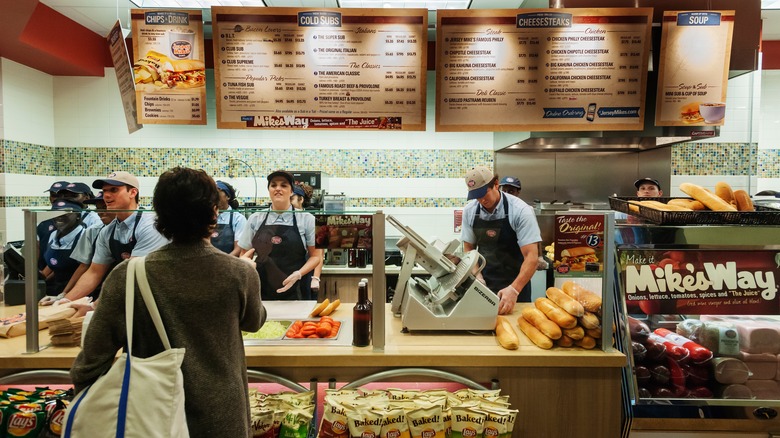
Private equity giant Blackstone dropped $8 billion to acquire Jersey Mike's Subs in 2024, and the strategic partnership has caused the number of Jersey Mike's stores to skyrocket. The numbers for this year have been mindblowing: As Subway is struggling and closing restaurants left and right, Jersey Mike's founder and CEO Peter Cancro told Entrepreneur that the company was aiming to open 1,000 new stores in the U.S. from 2025 to 2027, with an additional 300 locations in Canada. The chain is also looking to expand into the United Kingdom, but there are no solid plans for that yet.
Jersey Mike's has grown 45% over the last three years and now operates over 3,200 restaurants nationwide at the time of writing. A closer look explains how the brand's commitment to quality ingredients and that signature "Mike's Way" preparation sets them apart from the rest. In an era where consumers are taking a magnifying, social media-powered lens to everything they're consuming, Jersey Mike's emphasis on fresh-sliced meats and cheeses has resonated well. This also helped the chain position itself as the premium alternative in the sub sandwich category. Unlike Subway, there's no legal battle here over whether there's actually tuna in Jersey Mike's tuna sandwiches.
Walk into any Jersey Mike's, and you'll immediately understand why Canadian markets are welcoming them with open arms. There's fresh meat being sliced right in front of you, to order. This not only builds trust but also makes a huge difference in taste and texture. Jersey Mike's bread is also baked in-house, always delivering a satisfying brown color and fresh taste. It's the kind of sandwich shop that reminds you what a good sub actually tastes like.
Bojangles
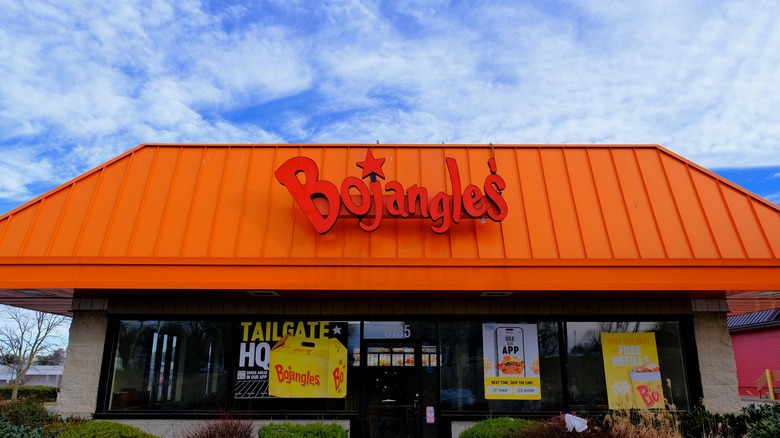
Southern comfort food is having a moment, and Bojangles is all about it. The North Carolina-based food chain, famous for its buttermilk biscuits and seasoned fried chicken, currently has more than 850 locations across 20 states, mostly in the Southeastern U.S. But those numbers are about to transform dramatically. According to Nation's Restaurant News, Bojangles has plans to reach 1,000 locations in 31 states over the next five years.
Acquired by investment firm The Jordan Company and private equity firm Durational Capital Management in 2019, the chicken chain has since undergone significant operational changes and strategic pivots. Bojangles is returning to markets where it previously struggled, including a notable push back into New York City and an ambitious expansion into states along the West Coast, leading with California.
Bonjangles mainly sells fried chicken, biscuits, and sweet tea. If you've never had a Bojangles biscuit, you're missing out on one of fast food's most genius inventions. These aren't the floured-up hockey pucks you get at other chains; they're fluffy, buttery, made-from-scratch treasures that would make any Southern grandmother smile with approval. The Bo-Berry Biscuits, sweet with blueberries and icing, have achieved cult status, while the Cajun Filet Biscuit delivers a perfect spicy kick to start any meal. It also sells the absolute best fast food chicken tenders, which are fried to perfection and seasoned with a spice blend that you won't find anywhere else.
Bonchon
Korean fried chicken has recently evolved from a niche international delicacy to a mainstream craving. And Bonchon, which launched in South Korea in 2002, is leading the charge in bringing this crispy, twice-fried gem to American restaurants. Since its first U.S. location in New York City in 2006, Bonchon has grown to 130 locations nationally and over 430 restaurants spread across nine countries. The global footprint shows this chicken company has real ambition, but it also shows a universal appeal for Korean fried chicken and Bonchon's sweet and spicy glazes.
The expansion plans Bonchon has for the next five years are nothing short of extraordinary. Bonchon, a chain we're guessing most Americans haven't even heard of, has set its sights on 500 U.S. locations and 1,000 restaurants worldwide. That nearly quadruples its domestic presence and more than doubles its number of international locations.
What sets the chain apart in an increasingly crowded chicken market is its distinct flavor profile and prep method. The double-frying technique of Korean fried chicken creates a crispy, crunchy shell that retains its bite even during delivery, a crucial pro in today's takeout-dominated industry. Bonchon's signature sauces, like soy garlic and yangnyeom, provide that distinct Korean flavor that sets them apart from other fast food chicken wing chains. And as American consumers continue to relish traditional international flavors, seeking something beyond the ordinary chicken sandwich or bucket of wings, there's a perfect opportunity for Bonchon to become a titan of fast food in the U.S.
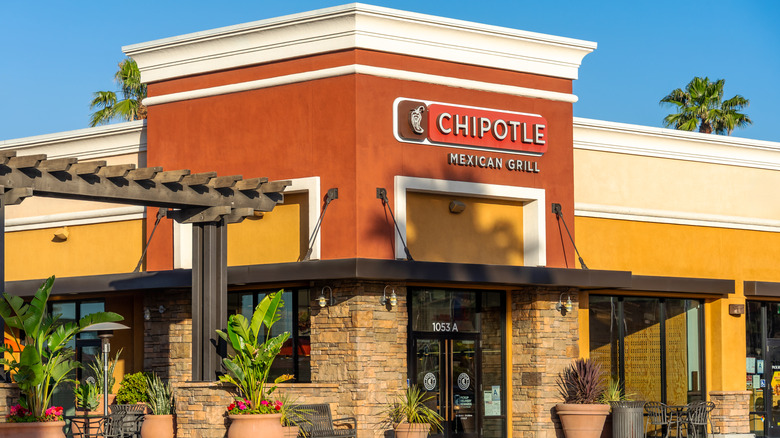
Chipotle
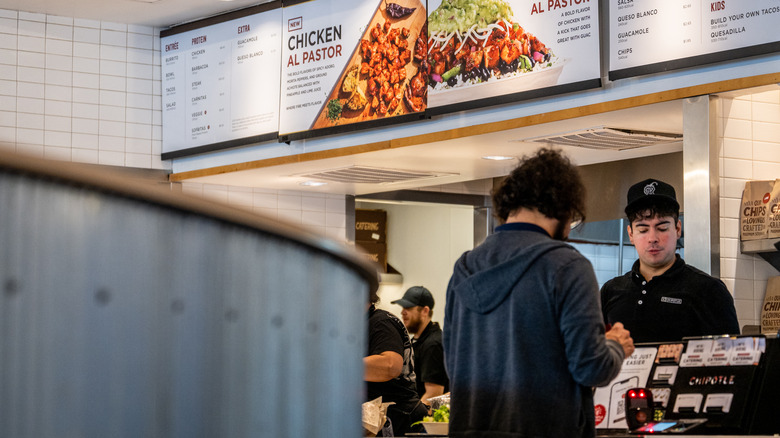
While the U.S. is already familiar with Chipotle, the chain is preparing for market domination with a transformative strategy that will cement its position as a global giant. The fast-casual pioneer has announced plans to open nearly 3,500 new stores over the upcoming years. This expansion strategy dwarfs most competitors' ambitions, complete with Chipotle's first-ever footprint into Asia, especially South Korea and Singapore, in a joint venture with SPC Group, planned for 2026. Previously, Chipotle also signed its first international development agreement with Alshaya Group to enter the Middle Eastern market. And further, in 2025, it signed with Alsea, S.A.B. de C.V., a leading hospitality operator in Latin America and Europe, to enter Mexico.
Beyond geography, Chipotle is also thinking out of the box when it comes to store formats. The chain is rolling out Chipotle drive-thru pickup lanes called "Chipotlanes," which have been very successful in boosting sales and improving customer experience. These lanes prioritise digital orders, acknowledging the reality that many of Chipotle's sales comes through mobile apps — as many as 35.4%, according to Fortune. And this enduring popularity is all thanks to a simple formula: fresh ingredients, customizable meals, and a dining experience that feels refreshingly healthier than traditional fast food, without compromising on taste or convenience. Actually participating in creating your burrito bowl creates a sense of transparency and control that customers enjoy. The produce comes from local farms, the guacamole tastes like it's made from actual avocados, and the grilled chicken and steak are charred to perfection.
Culver's
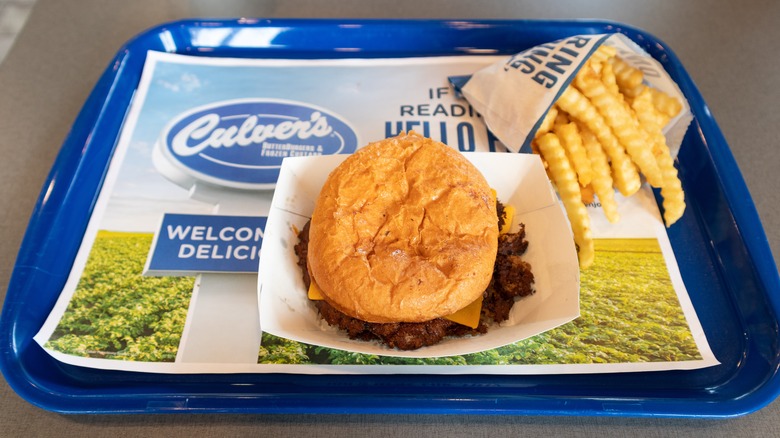
Some chains take the market by storm, while others grow sustainably, building loyalty one butterburger at a time. Culver's sits firmly in the latter category. The Wisconsin-based chain, which began franchising its stores in the 1980s, has popped up in 50 to 60 new locations annually for several years, aiming for a more measured pace that reflects its commitment to maintaining quality.
What makes Culver's expansion noteworthy is its strategic focus on untouched markets in the South or Midwest rather than stepping into already-saturated territories. The chain is bringing its signature Culver's burger, fresh frozen custard, pretzel bites, and Wisconsin cheese curds to communities unfamiliar with the culinary culture of the Midwest. This approach is what makes the expansion so exciting for newer markets.
The growth of the company stems from its refusal to compromise on quality. The chain uses fresh, never frozen beef, cooks food to order, and makes frozen custard fresh in small batches throughout the day. When you try Culver's, it's like stepping back to a time when fast food was genuinely soulful. The ButterBurger, a beef patty placed on a golden, buttered, toasted bun, sounds simple but tastes so wholesome. The frozen custard can put any soft-serve to shame, and the rotating Flavor of the Day keeps things exciting enough for regulars to keep coming back for more. Apart from iconic vintage American flavors, Culver's also has that family-friendly atmosphere, making it the perfect community gathering spot, which explains why the brand's steady expansion is backed by a loyal fanbase.
Dunn Brothers Coffee
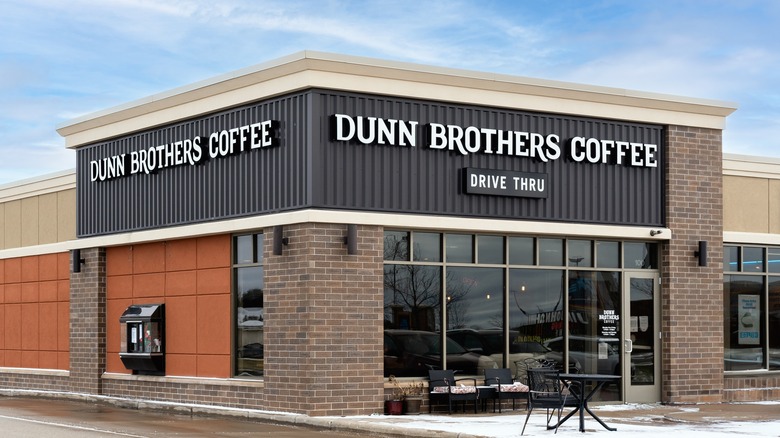
The coffee wars are intensifying, and a Minnesota-based chain is positioning itself as the next major competitor to the likes of Starbucks and Dunkin'. Dunn Brothers Coffee has proudly announced plans to open 250 new locations over the next five years, an expansion that would put the brand on the national map. It's the brand's way to reimagine what a regional coffee chain can become with the right resources and smart strategy.
This transformation is being spearheaded by the company's president Ben Anderson and private equity firm Gala Capital Partners, who are bringing a contemporary vision and capital to the decades-old brand. One significant change is the extension of the offerings, including menu innovations, acknowledging that modern coffee shops are also a destination for meals, not just matcha lattes. Dunn Brothers has some good coffee, too — we named it the coffee chain with the best cold brew.
Dunn Brothers' edge comes from its commitment to fresh-roasted coffee at each location and a more artisanal approach that sets it apart from mainstream chains. Consumers are increasingly drawn toward local and craft experiences, even from regional chains, and Dunn Brothers is trying to hit that sweet spot between the convenience of commercial brands and the authenticity of homegrown coffee shops. If the expansion is successful, Dunn Brothers could become the Midwest's answer to Starbucks or Dunkin' Donuts, showing that regional players with rooted identities and quality products really can stand toe-to-toe with much larger competitors.
First Watch
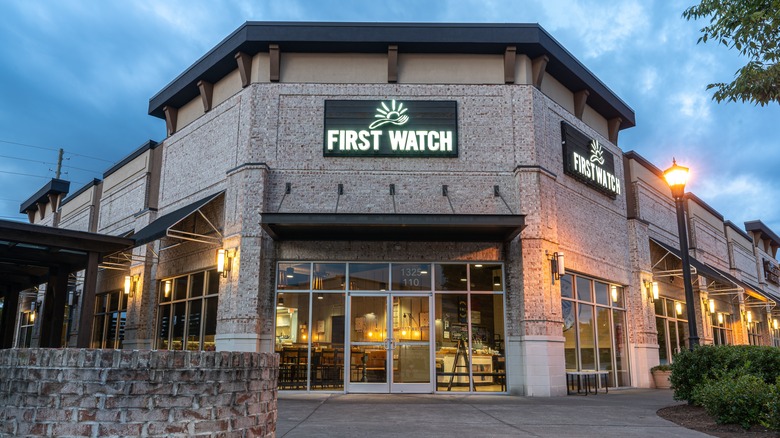
Breakfast and brunch have evolved from occasional treats to dining segments with serious growth potential, and First Watch is all about that trend. The daytime-only specialist already operates 600 units and plans to add more than 60 by the end of 2025. But what's more impressive is the fact that the chain is projecting 20% revenue growth for 2025 — enviable numbers, to be sure, especially in this economy.
First Watch's expansion strategy focuses on entering entirely new markets rather than dipping into already crowded ones. The chain is pushing into Indiana, Maryland, Massachusetts, Tennessee, Virginia, and more, bringing its fresh, health-conscious breakfast and brunch options to communities that appreciate a daytime dining experience. Unlike many casual sit-in chains, which aim for dinnertime crowds, First Watch absolutely stands by daytime dining, focusing almost obsessively on the morning and midday meal. This concentrated approach translates to better execution, more consistent quality, and a clear brand identity that sticks in customers' minds.
The menu is healthier than competitor breakfast chains, too, featuring plates of avocado toast, quinoa power bowls, breakfast tacos, and fresh juice, along with must-have breakfast favorites like pancakes, French toast, and biscuits and gravy. This positions the brand perfectly for demographic trends, as older diners want the familiar favorites while younger diners are seeking more health-conscious options without compromising on flavor or experience. First Watch is also one of the best fast food restaurants if you're looking for a gluten-free menu.
Port of Subs
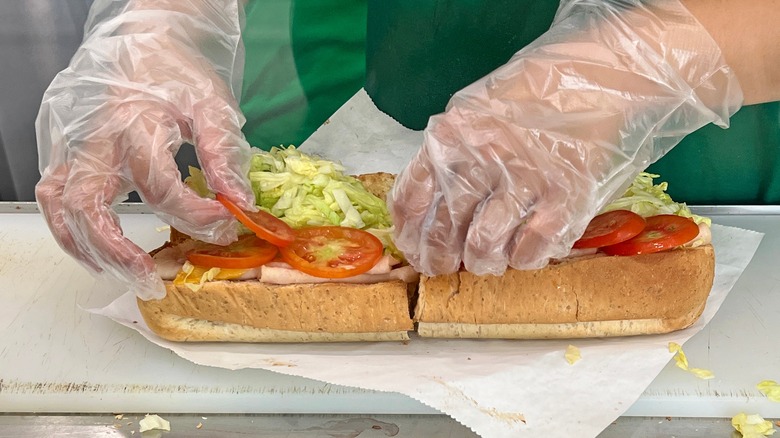
Sometimes the most interesting growth tales come from brands you might not expect. Port of Subs, a West Coast sandwich chain, has more than 450 new locations in development nationwide. The expansion represents both a doubling down on home territory and a big step into newer markets. In 2024, the 50-year legacy brand signed a 70-unit deal to enter Virginia, Maryland, and Washington, D.C. Then, this year, Port of Subs announced the addition of another 40 locations across the Denver and Dallas-Fort Worth metro areas, as well as 20 units in Eastern Virginia. These aren't small, cautious steps into new territory; these are massive moves to establish the brand as a significant player in markets where it previously had zero presence.
For West Coasters who're familiar with the flavors of Port of Subs, the appeal is obvious. And those diners can vouch for why the chain deserves to be discovered by a national audience. Like Jersey Mike's, Port of Subs slices its meats fresh to order, and has been doing so since the 1970s — it was founded in Nevada in 1972 and franchised a few years later. The bread is freshly baked, with chewy crust and fluffy insides. The "grilled" sandwiches have the perfect pressed, toasted crust, and the portions are generous without being overwhelming. Port of Subs' greatest superpower is just solid sandwiches made the right way.