

10 Ingredients To Upgrade Homemade Cranberry Sauce
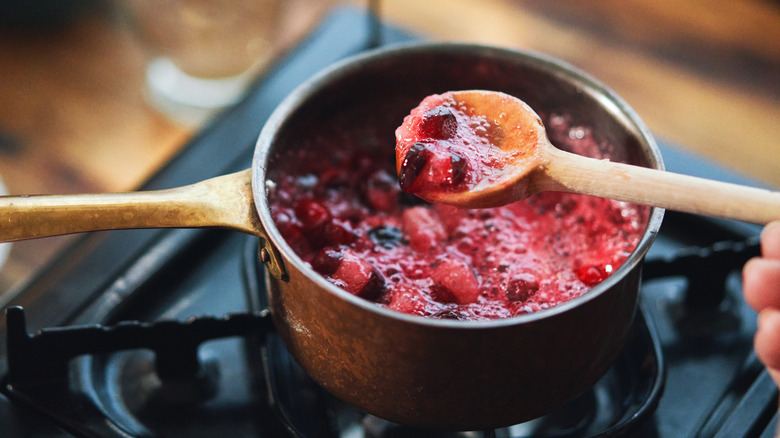
In many international diets, chutney is frequently used as a palate cleanser. For the standard American diet, we often only see fruit sauces with our desserts, or on Thanksgiving. Notably, cranberry sauce, which makes its annual appearance when the leaves start to fall, is famously coupled with turkey and stuffing. It's tangy, sweet, tart, and gives your taste buds a reset when forking in mouthfuls of consistently dense, fatty, and savory foods. Unless you're a straight-from-the-can sort of cranberry saucer, then it's likely you have a go-to recipe that's been passed down through generations. Well, it's time you added your personal flair, building on the tradition and enhancing the tangy sauce we all love. As a chef and recipe designer with a special interest in fruits and vegetables, I'm dishing out my top 10 ingredients to upgrade homemade cranberry sauce so your holiday can sparkle.
While cranberries are the main event, there are other basic ingredients that are expected to make an appearance. Sugar, or some kind of sweetener, helps to balance the intense tartness of the berries, and often some kind of citrus is used to give the sauce a hefty zing. Some sauces are raw, others are simmered for hours. Some include herbs and savory ingredients, while others are purely sugar-laden. It's all about personal preference and creating a cohesive dish that everyone can enjoy. Experiment with new flavors in moderation, and enjoy a little variety in your tradition.
Bourbon

Did you know that adding alcohol to your recipes can actually help to intensify the flavor? A portion of the alcohol will cook off, but how much exactly depends on how long it simmers for. As it interacts with the compounds of the food, it assists our olfactory glands to pick up on even subtle notes of flavor. Adding bourbon to your cranberry sauce helps to intensify the existing flavor, but also adds a very unique spin of its own. Bourbon has a very warming, caramel, and oak-like flavor. This pairs very well with a cranberry sauce filled with warming spices like cinnamon, nutmeg, cardamom, and ginger. This woody undertone offers layers of flavor, full of depth.
Use bourbon in cooked cranberry sauce, particularly one you intend to simmer for an extended period of time. Couple the splash of bourbon with a sweetener like brown sugar, molasses, or maple syrup. These smoky sweeteners will help connect the dots and create cohesion with the bourbon barrel flavoring. If you don't want to use alcohol in your recipe but do enjoy the bourbon flavoring, try a bourbon barrel maple syrup instead. If you're starting from scratch and don't have a recipe in mind, target one that already includes bourbon as an ingredient. It will set you up for success, including complementary flavors. Cook that baby down to eliminate most of the alcohol to prevent it from tasting like booze. And remember, your cranberry sauce isn't complete without a splash of bourbon.
Whole oranges
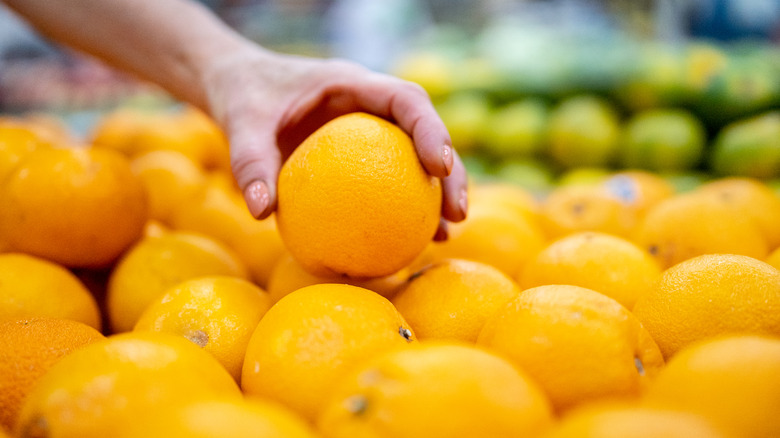
My family recipe for cranberry sauce was unique in the sense that it didn't involve a can or stovetop pan. Each year, my mother would grab the food processor and three ingredients: Whole oranges, raw cranberries, and maple syrup. Chop, chop, chop. She was done in an instant, and everyone loved the chewy, tart, and smoky-sweet cranberry sauce. The key is finding the perfect balance of ingredients and not going too overboard on the maple syrup.
Now, when I say whole oranges, I truly mean whole, skin and all. I typically cut them into quarters to remove some seeds and to make my food processor's job a bit easier. Fresh ingredients are important here, so you don't want to select an orange that's been sitting in your refrigerator for a few weeks. And before you loop back to double-check with me about the peel, I'll go ahead and answer your question: Yes, orange peels are edible and nutritious. Please remember to wash your oranges before adding them, and your cranberries too. You can use an alternative sweetener other than maple syrup, but I'm a born and raised Vermonter, so I wouldn't recommend it. I like to leave the mixture a little chunky, but pulse away until its texture reaches somewhere between bruschetta and pesto. Consider making it the night before so it can sit overnight, allowing the flavors to marinate and blossom.
Maple syrup
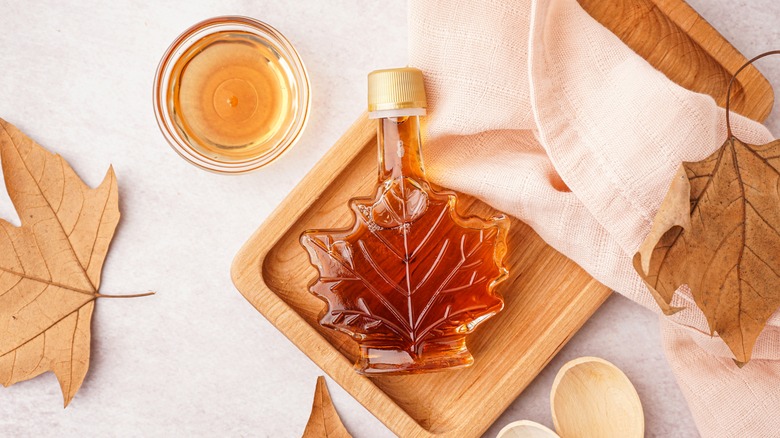
Although maple syrup makes an aggressive appearance around the holidays, its bigger harvest season is actually in the early spring, when the sap starts to thaw and flow. However, that won't stop us from using it all year 'round, especially in the fall when those red twirling leaves remind us of the sweet sap. It's the perfect sweetener for cranberry sauce for several reasons. The first is texture. Maple syrup is sap that's been reduced, so it's thick and sticky and really can't be reduced much more. This will add syrupy thickness to your sauce, allowing it to drizzle nicely.
The second factor is flavor. Maple syrup is smoky, woody, and almost caramel or vanilla-like. It's intensely sweet, so you don't need to use much to make an impact. Please, avoid using "syrup," which is very different from 100% "maple syrup" in the flavor department. Consider using maple syrup in place of white or brown sugar, or let sugar and syrup work together to create something unforgettable. Sweeteners are essential in a cranberry sauce, as cranberries are incredibly tart, almost sour. Cooking them will help to mellow some of that tartness, but the real balance comes from the sugar, so drizzle away and let it simmer. If you're feeling ambitious and have the right kind of trees and climate to work with, consider making your very own maple syrup from home. Talk about cranberry sauce from scratch!
Walnuts
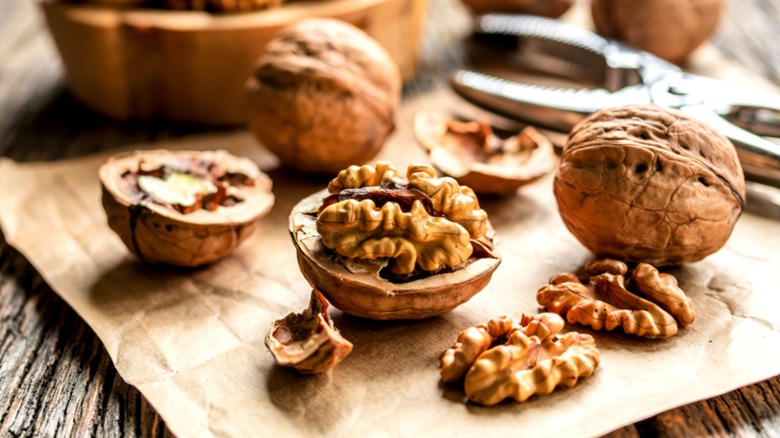
When it comes to designing your own recipes, it's important to consider more than just flavor. Texture is another component that requires plenty of consideration. Each of your senses is at work when you're enjoying food, so including a variety of chewy, sticky, smooth, crispy, and crunchy ingredients can make a world of difference. Because cranberry sauce is typically an ingredient enjoyed with other foods, typically meat, it often offers a varied texture. However, there are ways to add some variety to elevate your cranberry sauce. One of those is to include walnuts.
Walnuts are classically crunchy, but become chewy and meaty when cooked. They will offer a break from the intense sweetness of the sauce, instead providing some earthiness and fatty richness. There are two main types of walnuts you could consider working with: English walnuts or black walnuts. English walnuts are lighter and less intense, and make for the perfect addition to your citrus cranberry sauce. However, if you're steering in more of a rustic bourbon-spiced sauce, then you can certainly consider using black walnuts. Whichever you choose, chop them into quarters or eighths so they can easily distribute throughout the sauce. Use just enough to include some walnut in each bite, but don't overpower the sauce with nuts, which will change the mouthfeel.
Chipotle
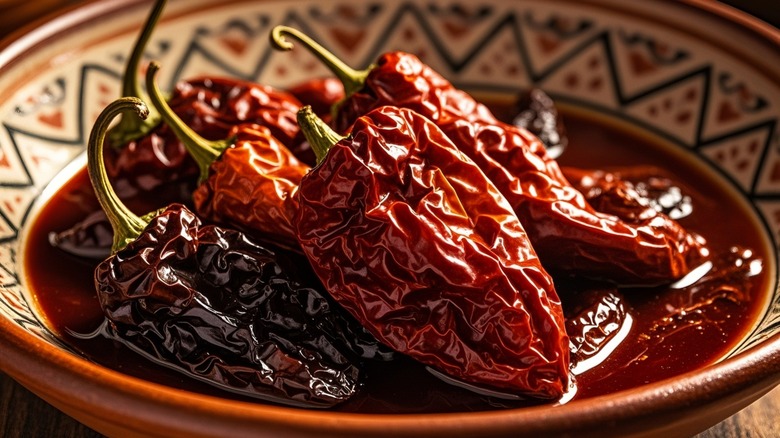
There's nothing I love more than adding smoky elements to sweet foods. One pepper that provides both heat and smoke is chipotle peppers. This sauce will read both sweet and savory, and add incredible flavor. Because it has intense elements, including significant heat, you'll want to be sure to use it in moderation, and it will make a boldly spiced and flavored turkey or meat. Cranberry sauce should act to enhance your dish, not steal the spotlight.
I recommend buying canned chipotle peppers in adobe sauce. Blend them until smooth, and then mix them right into your simmering sauce, sweetened with maple syrup and flavored with lime juice and zest. Consider including a little garlic in the mix to enhance the savory flavors, but be sure to balance with enough sugar. The result is a unique blend of smoky, spicy, sweet, and tart notes. Although you may have never paired hot peppers with fruit before, they often play nicely because peppers are, in fact, a fruit and have a slight fruity sweetness to them. If this concept seems out of left field, just add a small amount of chipotle to the sauce. Keep in mind that those spices will blossom overnight and may even become spicier, so it's a good idea to go light on the peppers even if you're a fan of heat. This chipotle cranberry sauce combination makes for an incredible Thanksgiving sandwich leftover spread, so be sure to make plenty extra.
Celery
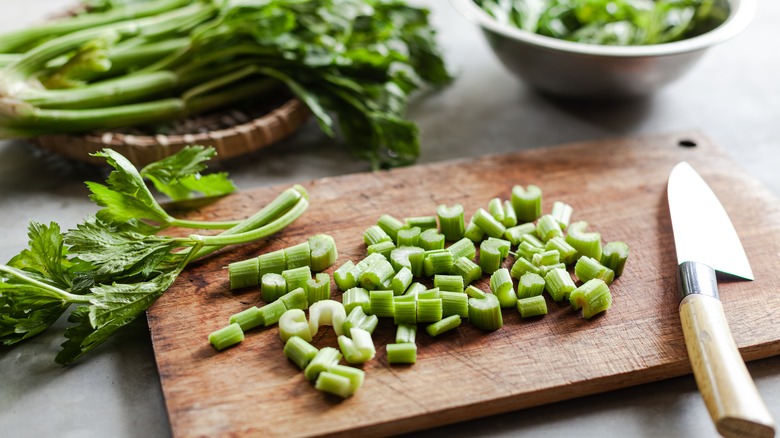
Celery typically makes many appearances throughout Thanksgiving dinner. But have you ever thought about adding it to your cranberry sauce? Something I love about cranberry sauce is how you can combine both savory and sweet flavors, which will result in a complex and dynamic mouthfeel. You can't just toss any old sweet and savory flavor together and expect them to get along, but adding celery to your cranberry sauce works wonders. Celery has a fresh, salty, grassy flavor that complements fruit. It also has a nice watery crunch, which can add texture to those mashed berries.
Chop your celery into tiny squares, somewhere between a mince and dice, and add them in towards the end of the cooking process. This will ensure that they can absorb the flavors around them, but won't get soft. It's important to retain that crunch so it can play a role in both the flavor and texture departments. This works well in a classic sauce, perhaps featuring orange juice and maple syrup. However, it can also work well in a sauce that leans into the savory flavors, perhaps one that includes ingredients like broth or herbs. Adding celery to upgrade your homemade cranberry sauce can help you ease into the world of savory cranberry sauces without jumping in with full force.
Thyme
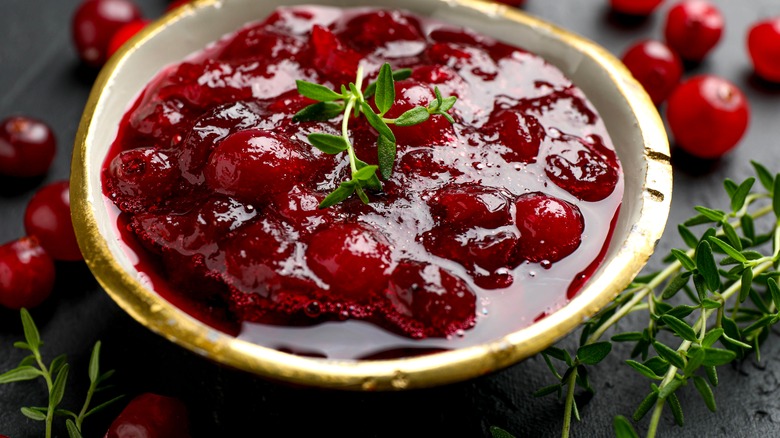
My favorite herb on the planet is thyme. It covers a magnitude of flavors, playing with earthy, peppery, botanical, and even fresh and piney. It's a classic Thanksgiving herb, often finding its way onto the turkey, in stuffing, in gravy, and mashed potatoes. This herb has quite a bit of reach to upgrade your homemade cranberry sauce. Cranberries are tart and fruity; the sweetener you use will add intense sugars to the mix, and then it's up to your other ingredients to deliver balance and flavor. Thyme can be used in an ultra-sweet cranberry sauce or help to add savory notes to a more umami-rich sauce.
If you're using it in a sweet capacity, consider including extra sugars or fruit juices to drive your point home. This way, the thyme will add just a hint of botanical, herby flavoring, but the overall dish will read sweet. If you're moving in a savory direction and have included broth, vegetables, and walnuts, then herbs can help push the sauce further from sweetness, even if quite a bit of sugar or sweetener was used. The fresh and woodsy notes help to create a festive flavor when coupled with the tart berries, and can help create some cohesion between the cranberry sauce and the rest of the dinner. Rachael Ray suggests checking for a healthy stem when picking out fresh thyme. A nice, healthy, sturdy stem will be easier to strip leaves from, making your cranberry sauce-making process that much easier.
Broth
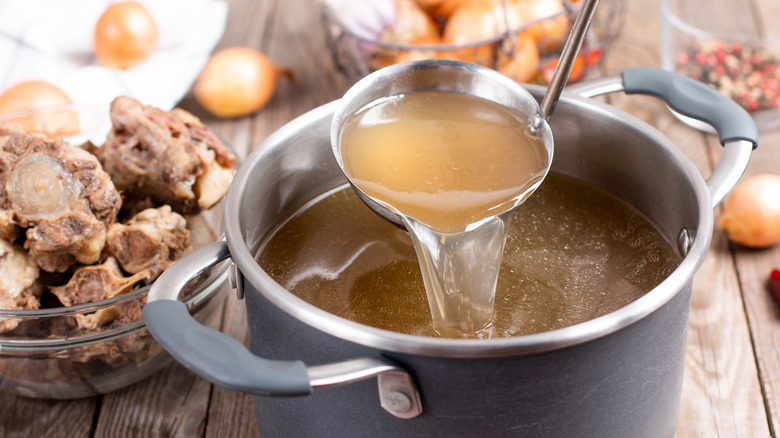
There's nothing I enjoy more than the meeting of savory and sweet. Classically, cranberry sauce is overwhelmingly sweet. Sometimes the canned stuff is so sweet that folks will mix in other ingredients to quell the intensity. Well, even if you've used plenty of sugar, you can certainly load on the savory cranberry sauce ingredients as well. Just be conscious that your dish includes complementary ingredients so it doesn't taste like an everything-but-the-kitchen-sink situation.
Consider using broth as a liquid in your savory and sweet cranberry sauce. A poultry-based broth in particular will have undertones of umami and a meaty aftertaste. Make note of any vegetarians at the table, as cranberry sauce is typically a safe option for them, or use an umami-rich vegetarian broth like a miso broth. This opens the opportunity to use other savory ingredients like herbs, celery, and walnuts. Your goal here is to add just enough sugar or sweetener to mellow the cranberries and create balance, but not to overpower the dish, as the chicken broth will then feel out of place. If you're not feeling confident in reaching this balance solo, then use a recipe that specifically calls for a poultry-based broth. Remember, you can even use homemade broth from roasting your turkey.
Ginger
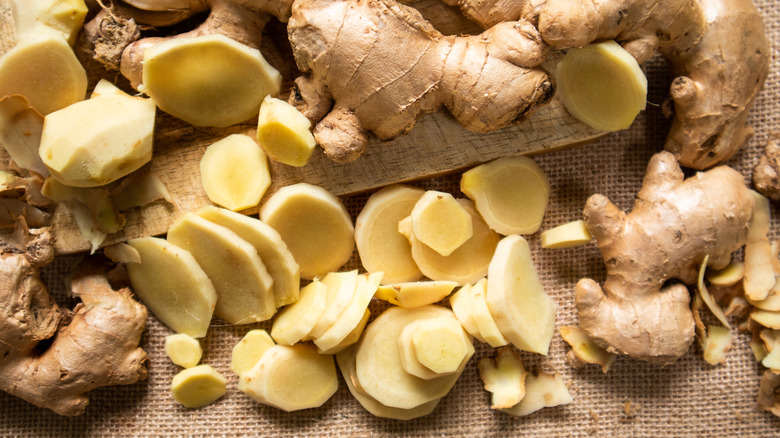
Ginger is an underused spice in the standard American diet. It's peppery, fresh, earthy, and has undertones of subtle sweetness. It pairs beautifully with all fruits, including cranberries. Consider using fresh ginger whenever possible. It's more intense, juicier, sweeter, and less peppery than powdered but still contains that warming spice sensation. Grate your ginger, or chop it finely. Use it sparingly, as a small amount can go a long way, similar to garlic. Ginger can be included in a sweet or sweet-savory cranberry sauce. It should also be considered for a raw cranberry sauce.
Use ginger in an ultra-fruity or ultra-spicy cranberry sauce recipe. For a fruity cranberry sauce where you've opted to add other fruits like currants or blueberries, or fruit juices like apple cider or orange juice, ginger helps to balance out the sweet notes with a noticeable zing. In a spicy sauce, it will help to bridge the gap between the other spices and the fruity cranberries. This is a fantastic way to add some heat without going right for a chipotle or jalapeño pepper. You may not even notice the spicy flavors, but it will certainly help to excite the taste buds.
Jalapeños
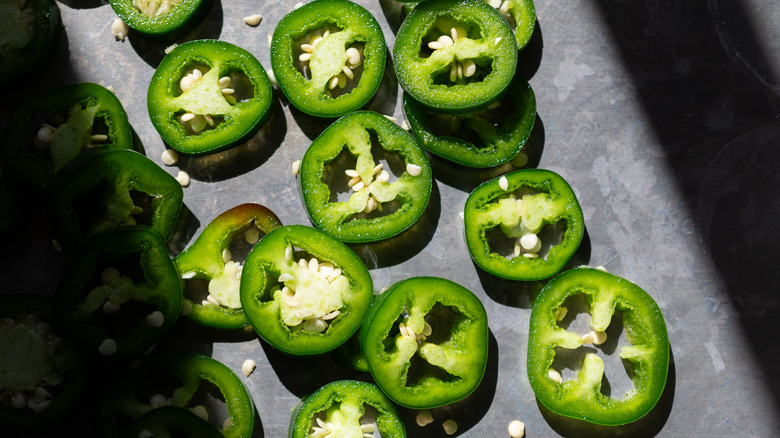
Your traditional cranberry sauce or chutney recipe likely doesn't contain hot peppers, and it's about time we changed that. The job of cranberry sauce is to reset the palate and break from the monotony of the salty, fatty, and starchy dishes. A little heat can certainly redirect the taste buds, even in moderation. Consider mincing up some jalapeños to add to your cranberry chutney, which offers a grassy note with an undertone of sweetness that pairs classically with fruit. It's a spicy ingredient that frequently gets added to desserts, so it's no wonder that jalapeños taste so good in an ultra-sweet cranberry sauce.
If your sauce seems a bit basic and fruit-heavy, like an orange cranberry sauce loaded with sugar, then jalapeños might be just what you need to elevate your recipe. You could either mince up some jalapeños to cook right into the sauce, or slice a few larger rings to incorporate. The smaller cut will ensure each bite is riddled with spice, while the larger rings will offer some variety from bite to bite. Either way you slice it, adding jalapeño to upgrade your homemade cranberry sauce can make your meal memorable. Who knows, a spicy cranberry sauce might just be your new favorite tradition.