

10 Bottled-In-Bond Bourbons You Need To Buy
There used to be a time when the whiskey you bought could be far from pure. Thankfully, the Bottled-In-Bond Act of 1897 helped change that. It ensured that a distillery had to follow a strict set of rules to be 'bonded' and give consumers confidence they were receiving a high-quality product. While we no longer have to worry about bourbon being pure, bottled-in-bond label (BiB) is still a sign that whiskey has reached a certain threshold of quality. For a very brief overview, bottled-in-bond bourbon must be distilled in one season and by one distiller. It has to be bottled at 100-proof, remain unadulterated, and have clear labeling.
Though most of those requirements are expected these days, one vital rule that's crucial for bonded bourbon is that it needs to be at least four years old. It means that you can be assured the whiskey has received at least two more years of aging than the minimum required for straight bourbon. As a whiskey expert with many years of expertise in the drinks business, I've always had confidence that any BiB bourbon is going to be good. However, some expressions are better than others, while some aren't good value for money. Here are 10 that will always be worth your time and money. As I have a lot of experience with each of these bottles, I'll guide you through the tasting notes and price range, providing a few tidbits of information along the way.
Henry McKenna 10 Year Single Barrel
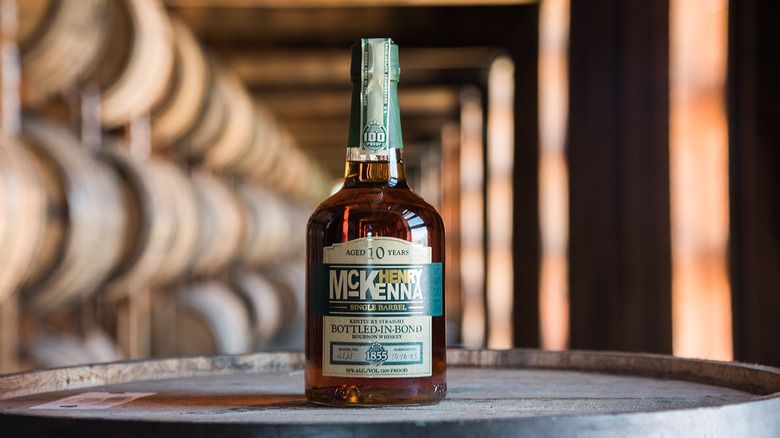
I feel that bottled-in-bond bourbons roughly fall into two categories. There are those that are made with the intention of being marketed as a bonded bourbon, and then there are others that don't use it as the main selling point. Henry McKenna is the latter. When it comes to bourbon lovers, 10-year aging and being single-barrel are probably going to be more appealing than anything bottled-in-bond. This Henry McKenna is a rare whisky as it meets all three designations. It's a whiskey that deserves a lot of respect, and we even featured in the list of the best single barrel bourbons. The decade of maturing in oak helps to give it a beautiful depth and balance of flavor, way beyond the minimum level expected for a bottled-in-bond expression.
The aroma is a beautiful mix of sweet notes with rich vanilla and caramel. You get toasted oak coming through, along with more subtle herbal qualities. The rich caramel from the nose transfers into a dark and deep tasting experience. The oak influence is notable, but it doesn't dominate the palate. There is a touch of cinnamon and nutmeg spice as well. On repeat tastings, you can get some nuts, raisins, and toffee. At an average price of around $70, it is one of the more expensive whiskeys here, but it's more than worth it. Its high availability also means you're not left paying inflated secondary market prices. Even if it wasn't bottled-in-bond, this bottle is a must-try for any bourbon lover.
Heaven Hill Bottled-In-Bond
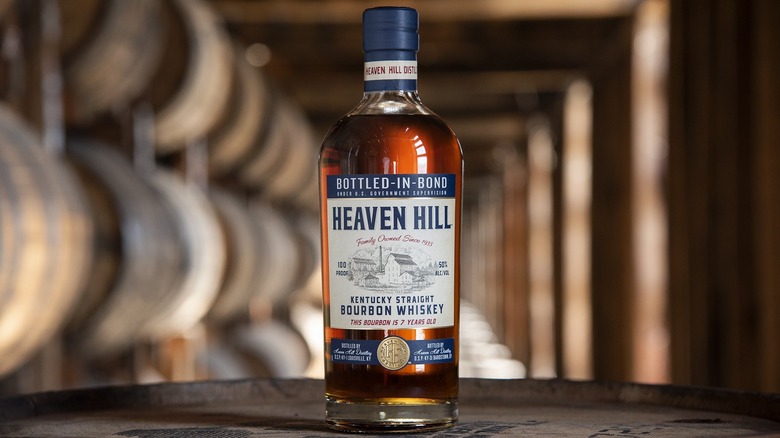
Heaven Hill is a huge distillery that produces many excellent whiskey brands, including the Henry McKenna expression. This is one of the few bottles it produces under its own name, and it's another that goes well beyond the minimum requirements of a bonded bourbon. Aged for seven years, you notice the maturation on the nose as you're greeted by a deep interplay of sweet notes. There is some spice, but you can mostly expect classic bourbon sweetness. It's like smelling a beautiful dessert, but one that is meant to be drunk and not eaten.
There isn't much in the way of unique tasting notes. Instead, it delivers the expected bourbon flavors with a delectable richness. Of all the sweet notes you can pick out here, it's butterscotch that stands out the most. There is a little char to give it some backbone, and you do get some rye creeping through, finishing with a little kick. It is perhaps the most elegant whiskey on this list, as it's smooth on the tongue and isn't overly spicy. It's a little cheaper than Henry McKenna, making it a good option for those who want to sample extra-aged bonded bourbon.
E.H. Taylor, Jr. Small Batch
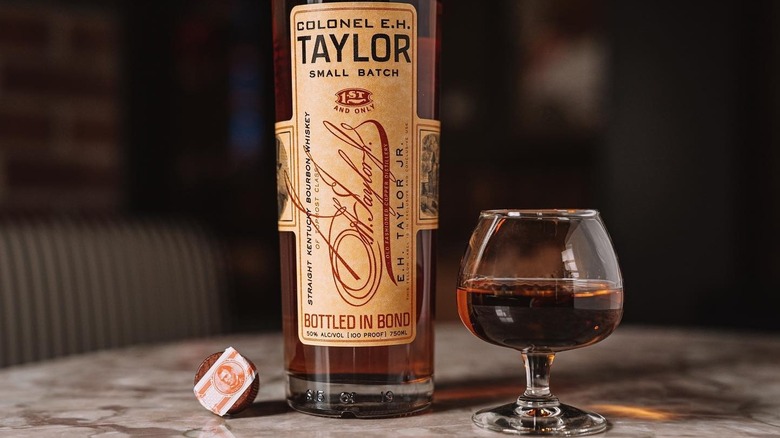
I mentioned how some bottled-in-bond bourbons don't use this designation as a main selling point, and this also applies to E.H. Taylor, Jr. Small Batch, a whiskey that gets its reputation from the quality of what's inside the bottle rather than what's on it. Partly due to this reputation, it's also the most expensive and hard-to-find bottle in this list, with an average price of around $100. For many people, including myself, it's worth the price. The aroma isn't significantly different from the first two examples, in that it's dominated by sweetness. However, you do get a touch of oak and some floral notes.
Once sipped, you'll immediately notice the mouthfeel as it's rich and smooth. That thicker texture allows the caramel to shine — it's beautifully dark and deep in flavor. Once the initial sweetness passes, you notice a bed of oak char and spice. It isn't a spicy whiskey as such, but you can still pick out individual notes such as cinnamon and clove. The finish isn't quite as long as you may expect, but it's still lovely. Many bourbons have similar flavors but differ in how they are delivered. E.H. Taylor, Jr. Small Batch provides an elegant array of sumptuously deep flavors.
Old Forester 1897 Bottled-in-Bond
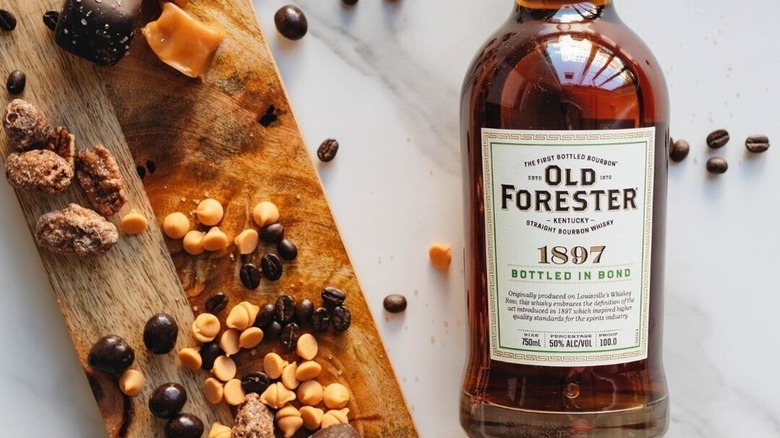
Rather than simply being a bonded whiskey, this is a bottle that directly pays homage to the Bottled-in-Bond Act. Named after the year the act came into force, it's one of the best offerings from the impressive Old Forester range. It delights with a few unique notes that can be found on both the nose and palate. For the aroma, you get some roasted coffee along with oak and dark fruits. It's warm and inviting and goes well beyond the minimum expectation. As is usually the case with bourbon, this is often reflected in the tasting experience itself.
The general dark fruit aroma develops into a more distinct cherry on your taste buds. That's supported by a bright oak spice with lasting caramel notes. Without being overly hot, it's bolder than previous labels. The finish lingers with spiced wood, rounding off a long and pleasant tasting experience. It's an impressive whiskey that combines the tradition of bonded bourbon with modern-day craftsmanship. Available around the $50 mark, it's another bottle that is worthy of being added to your whiskey wish list.
Benchmark Bonded
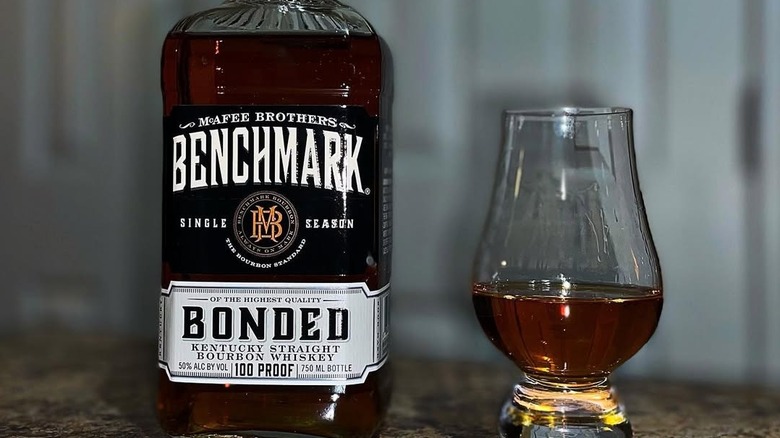
This is perhaps the first whiskey on the list to echo the true essence of bonded whiskey. I say that because it has a highly affordable price tag. The cost of around $20 may put some people off, thinking you can't get a high-quality bourbon at that price. However, as it was meant to do all those years ago, the bottled-in-bond designation should give you confidence about what's inside. It's by no means the best whiskey on this list, but if I were ranking it based on value for money, Benchmark Bonded would be a strong contender for the top spot. But even if you didn't take value into account, it's simply a very good bourbon.
There is some citrus on the nose, which is a nice surprise, considering it's not common with bourbon. Aside from that, it has a pleasant yet fairly standard aroma. The nice surprises continue on the palate. There is a lovely undertone of brown sugar along with some darker fruits, such as cherry or red apple. There is a subtle oak and spice that helps to build up a slight earthy quality. The finish lingers quite nicely and gives you a peppery feel sitting alongside caramel. It may not compete with the premium bourbons here, but it stands up as a lovely sipper. Just as with the flagship Benchmark Bourbon bottle, it doesn't just compete with bottles in a similar price range; it usually beats them.
Wilderness Trail High Rye Bourbon
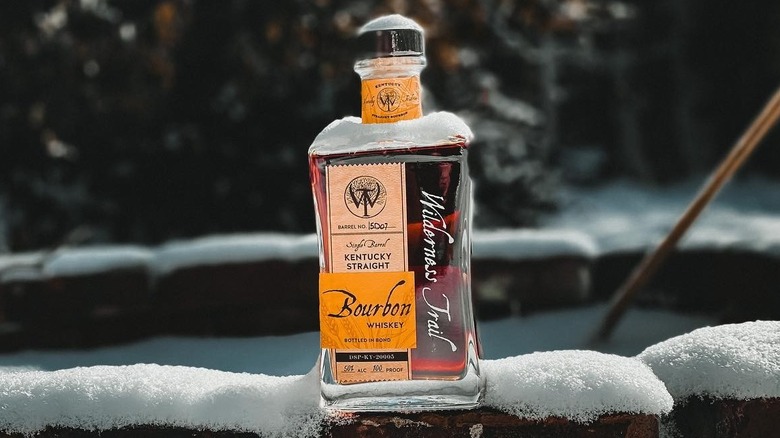
In terms of brand power, I'd probably say this is the least known whiskey on this list, but its quality means a good reputation won't be far away. As you may have noticed, this Wilderness expression doesn't market itself as a bottled-in-bond bourbon. Instead, it focuses on the high level of rye it has in the mash bill. With high rye almost always comes a high level of spice, and that's exactly what you get here. That is quickly evident in the aroma, but it's hard to pick out any individual notes in that respect. There is also a general dark fruit nuance. Overall, the aromas are nice without any particular note standing out.
It's a different story on the palate as the aromas diversify into specific and excellent tasting notes. Brown sugar is probably the most unique, with the spiciness developing into pepper and cinnamon. There are also some roasted nuts here, which are balanced with delectable honey. The price is around the $50 mark, which is fair. The sweet mash fermentation and use of four grains help make Wilderness Trail stand out from the crowd. All expressions are a tempting option for bourbon lovers who look for something a little different.
1792 Bottled-in-Bond
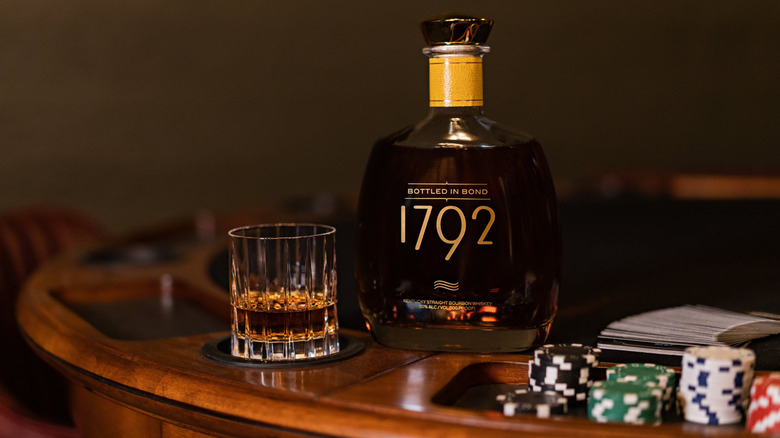
This 1792 bottle is perhaps the most stylish option. Luckily, the whiskey matches the beautiful exterior. It may look expensive, but it's usually sold for less than $50, which is a surprisingly good value. The whole range from 1792 is impressive, but this expression is perhaps the best of the lot. The nose immediately hits you with some earthy notes, as you'll notice a strong charred oak influence. On deeper inspection, you'll be able to pick out cinnamon, cloves, and nutmeg, which hint at the kick you'll get from the tasting. Butterscotch is the strongest sweet nuance, and there is even a fruity quality present. This is perhaps the nicest nose on the list.
The clean mouthfeel gives a nice oak foundation for vanilla and butterscotch. Added to those spices from the nose, you also get some pepper, raisins, and coffee to give this whiskey impressive depth and complexity. It's bolder than many bottled-in-bond bourbons but still has softness to it. The influence of rye continues to be noticeable on the finish as it is long and warm, with an oaky char lingering to the end. It seems to have come down in price over the last few years, which makes it even more tempting than it once was.
New Riff Kentucky Straight Bourbon
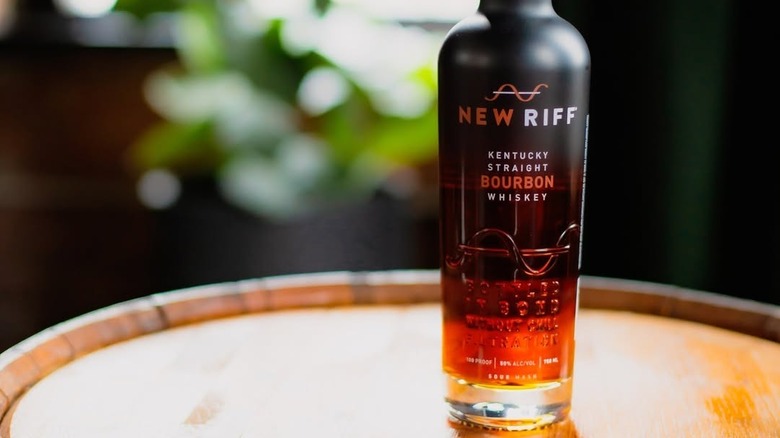
It's understandable why some bourbons aren't marketed as bonded, especially if extra aged. Though not including the phrase in the name here is a little perplexing, it is beautifully embossed on the bottle. The big standout feature of this expression is high rye in the mash bill, coming at 30%. This is important to mention as bourbon is usually seen as high rye if it features around 20% rye. That typical rye spice is notable on the nose, but it doesn't dominate. There is an elegant aroma of butterscotch and vanilla, along with some fresh oak.
When it touches your lips, the first thing you may notice is the full-bodied mouthfeel. New Riff states that it's only aged for a minimum of four years, but it feels like it's been longer, which is surely a testament to the craftsmanship. Creamy vanilla starts off the sumptuous tasting experience, but you're soon hit by cloves, cinnamon, and pepper that come from that high level of rye. Some dark berries and oak are added to the impressive experience. Looking at the mash bill, you'd be forgiven for expecting it to pack a fiery punch. Instead, you get a bold yet well-balanced bourbon that is priced at a similar level to the 1792 above.
Evan Williams Bottled-in-Bond
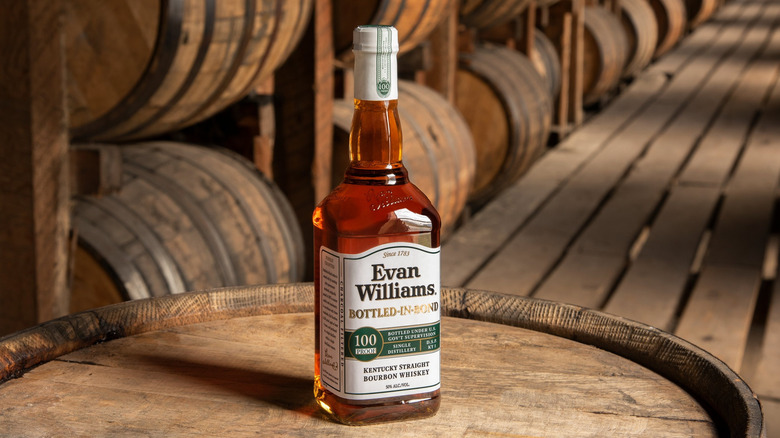
This is another brand that specializes in providing excellent value for money. Both Benchmark and Evan Williams made our list of the underrated bourbons you need to buy for that very reason. The third and final entry from the Heaven Hill Distillery opens with the lovely sweetness on the nose, with caramel and vanilla delighting the senses. Subtle oak notes are also present, but this is one of those bourbons where the aroma is quite straightforward. However, the blend of those notes is lovely.
Plenty of corn is revealed on the palate, and that oak from the nose also comes through. This is underpinned by a gentle spice that helps to ground the whole tasting experience. The finish is quite long and has a woody quality without harsh aftertaste. It's easily good enough to be sipped neat, but these cheaper bonded bourbons are an excellent addition to cocktails as the extra aging helps the whiskey shine through in most combinations. Often even slightly cheaper than the Benchmark bottle, this bonded Evan Williams is a brilliant place to start if you've never tried this type of whiskey before.
George Dickel Bottled-in-Bond
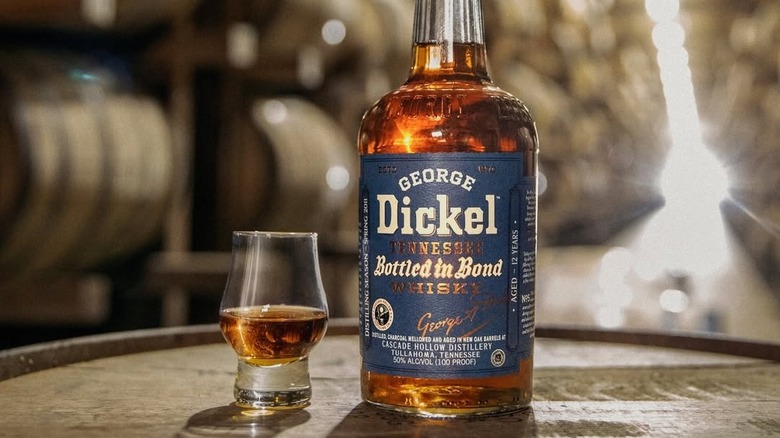
Though it's not marketed as such, this George Dickel expression meets all the requirements to be classified as bourbon. This is the same case as with the classic Jack Daniel's Old No. 7. While technically bourbon, there are a few factors here that make it significantly different from anything else on this list. The first is the Lincoln County Process – charcoal filtration that makes the whiskey mellower – the step spirits have to go through to be marketed as Tennessee whiskey. The second element is high percentage of corn (84%) in the mash bill. When combined, the result is a soft and sweet expression that is exceptionally easy to drink.
You get a sense of its gentle nature on the nose as the corn shines through with some gingerbread spices and a range of orchard fruits. You immediately sense the softness when you take a sip, and the fruitiness is quite upfront. The filtration and the mash bill can't hide the barrel influence, which is a good thing. Due to that, you also get some cinnamon and a toasted char. All these flavors underpin the buttery sweetness that comes from vanilla and caramel. Another bottle around the $50 mark, it has strong competition in mid-level whiskeys in general. However, it's a unique and excellent whiskey that makes it more appealing than many of its rivals.