

9 Of The Biggest Produce Recalls Of All Time
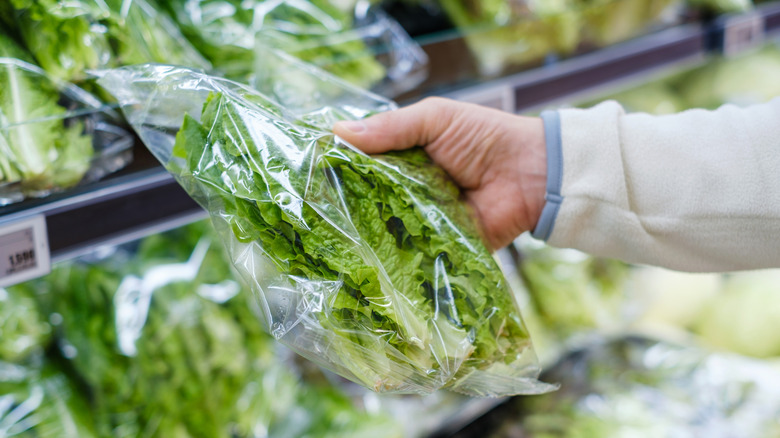
Back in 1920, canned olives were the cause of the first major food recall in the U.S. The reason for the recall was Clostridium botulinum, which, if consumed, can lead to the life-threatening disease botulism. Since then, there have been many, many food recalls. Some have been linked to canned foods, many have been linked to meats, and several have been linked to produce.
Yep, fruits, vegetables, and fresh leafy greens aren't immune from recalls. Over the years, watermelons have been pulled from the shelves due to toxic pesticides, while bagged salads have been contaminated with bacteria like Listeria. Even peaches have been recalled due to an outbreak of Salmonella.
Below, we've listed some of the biggest produce recalls of all time. Sadly, some have not only cost brands and retailers millions of dollars, but also hospitalized dozens of people and even led to the deaths of a few vulnerable individuals.
10 million watermelons destroyed due to pesticide contamination (1985)
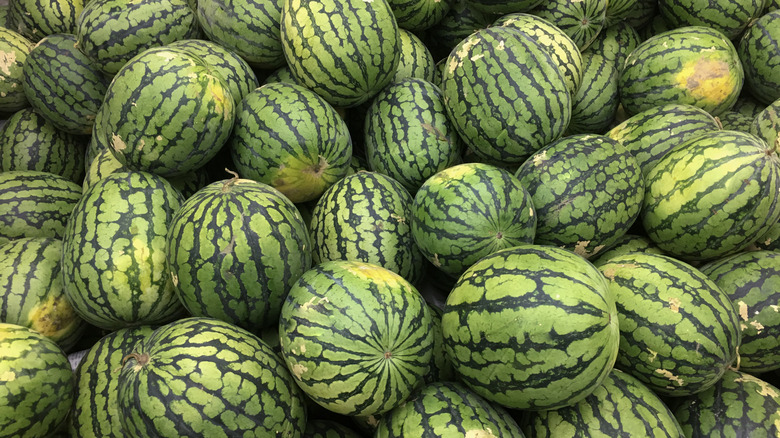
Watermelon is usually a healthy choice. It can help you stay hydrated, and it's a good source of essential vitamins and minerals, like vitamin C and potassium, as well as potent antioxidants. But in the mid-1980s, this innocent fruit made hundreds of people sick. Why? Because it was coated with a toxic pesticide, called aldicarb. As a result, 10 million watermelons already sitting on West Coast store shelves were destroyed. Anyone who had already purchased a watermelon at this time was also urged to destroy it themselves.
Aldicarb was first introduced to the pesticide market in 1970. It's an incredibly potent and powerful insecticide, but it's also toxic to many animals, including human beings. When consumed accidentally (like, say, through a watermelon), it can lead to symptoms like dizziness, chest tightness, blurred vision, coma, and even in some cases, death.
Fortunately, most people affected by the contaminated watermelons in 1985 recovered. However, the incident did lead to 17 hospitalizations, and potentially contributed to two stillbirths. At the time, aldicarb was only permitted for use on crops like cotton, sugarbeets, and citrus fruit, not watermelons.
In 2015, aldicarb was generally phased out in the U.S., but still used on rare occasions. In 2021, the Environmental Protection Agency went back on recommendations and approved the use of aldicarb on citrus fruits. Back in the 1980s, after the watermelon scandal, the California Department of Agriculture filed civil lawsuits against three farmers for the unlawful use of aldicarb.
Chilean produce recalled from stores across the U.S. over cyanide scare (1989)
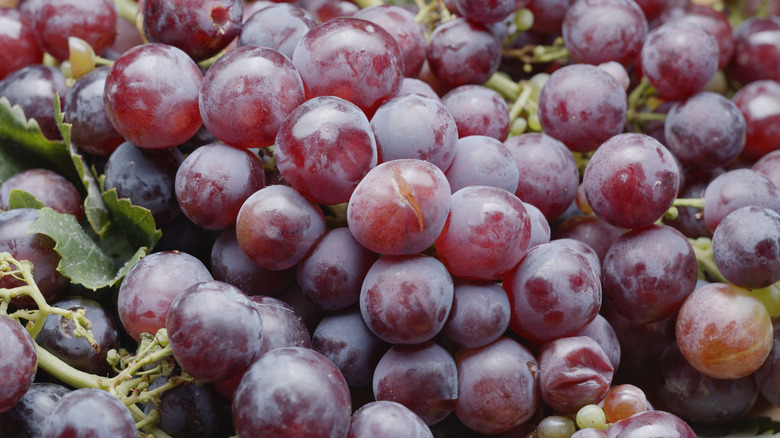
Cyanide, a lethal poison sometimes used as a war weapon, is not something you want in your grapes. This is why in 1989, there was widespread panic after traces of the chemical were found in a shipment of Chilean grapes in the U.S.. It wasn't enough to make anyone sick, but it was enough to take it seriously.
As a result, major retailers started recalling any produce that had been sent from Chile. In Southern California, for example, stores like Vons, Albertson's, and Ralphs started pulling all Chilean produce from the shelves. Not just grapes, but pears, quince, elephant garlic — everything.
The U.S. banned all Chilean fruit for several days, which had a catastrophic impact on the Chilean industry. As a result, more than 2,500 Chilean workers and American importers filed lawsuits against the FDA, blaming the federal agency for around $210 million in losses. Ultimately, however, a federal judge ruled that the FDA was not responsible for the financial damage.
300,000 cases of cantaloupe melons recalled amid deadly Listeria outbreak (2011)
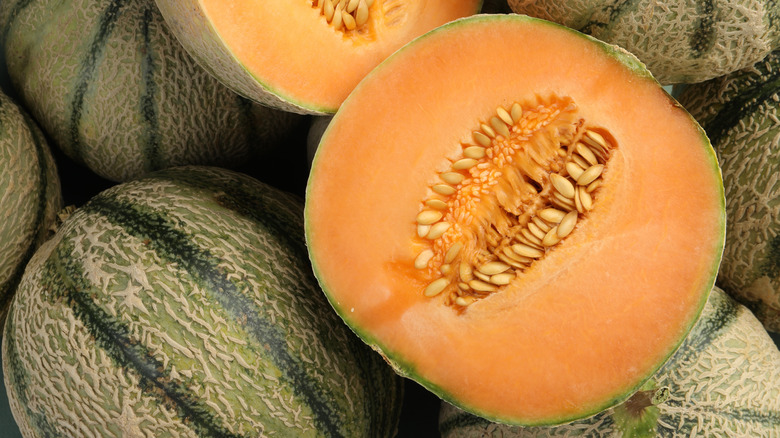
Decades after the watermelon pesticide poisoning scandal, melons were once again pulled from the shelves amid serious health concerns. In 2011, 300,000 cases of cantaloupe melons were recalled over fears they were contaminated with Listeria, a strain of deadly bacteria.
Unfortunately, by the time the pathogen was discovered on the melon, 25 people had already died from listeriosis. The infection is caused by consuming Listeria bacteria, and while most will recover, it can be deadly for the elderly or those with a compromised immune system. As well as the 25 people who died, a further 98 people were sickened by consuming the contaminated cantaloupe watermelon.
Listeria is a hardy bacteria; it's usually found in places like soil, sewage, water, or animals, and it can survive even in very cold temperatures. In 2011, a government investigation revealed that the pathogen had contaminated the melons due to unsanitary conditions in the packing sheds where they were being prepared for sale.
Dole recalled bag salads from 13 states due to Listeria fears (2016)
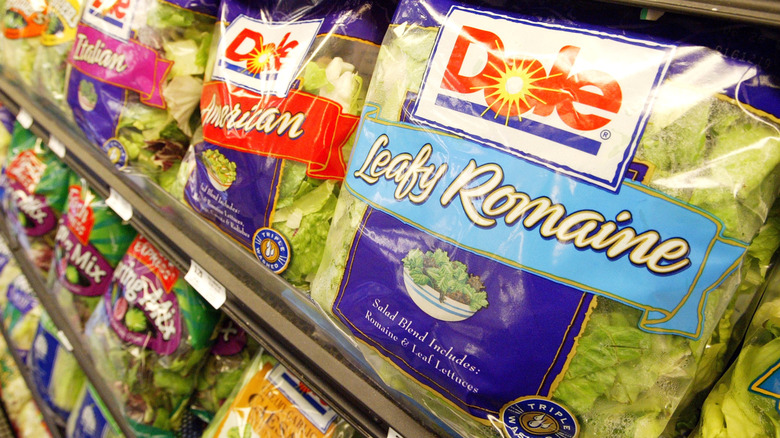
Listeria is one of the most serious forms of food poisoning, but it is rare. Per the CDC, roughly 1,250 Americans are infected with the bacteria each year, and around 172 people die from the infection. This is why it's vital that brands recall products from the market as soon as there is any hint of a chance of infection.
In 2016, produce giant Dole pulled bagged salads from stores in 13 states, after a strain of Listeria was found in two of its facilities. Unfortunately, though, an ongoing investigation into an outbreak of listeriosis at the time found that the salads likely infected 19 people with Listeria, all of whom were taken to hospital for treatment. One person died from the infection.
A subsequent investigation by Food Safety News, however, suggested that Dole may not have acted as quickly as it should have. In fact, the news platform reported that Dole's officials knew of the presence of Listeria as far back as 2014. As a result, multiple lawsuits were filed against Dole.
Peaches recalled nationwide from more than 12 retailers due to Salmonella concerns (2020)
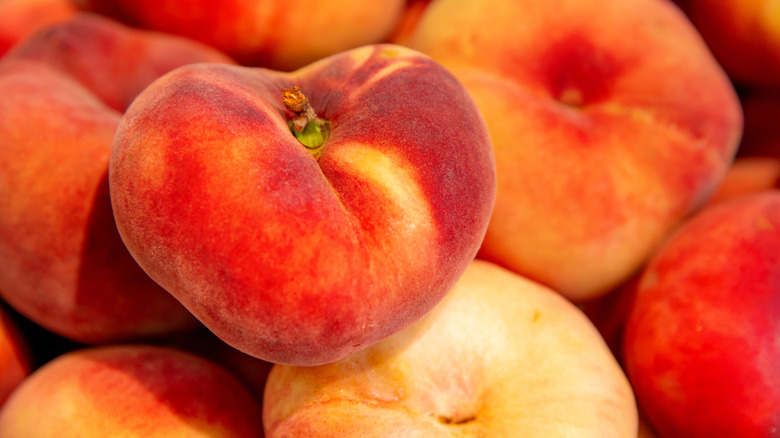
Melons aren't the only fruit that can be contaminated with harmful bacteria. In 2020, stone fruit supplier Prima Wawona recalled bagged and loose peaches from the shelves of more than 12 major retailers, including Kroger, Aldi, Walmart, Target, and Wegmans, across the U.S. amid fears they could have been contaminated with a strain of salmonella.
Unfortunately, Prima Wawona was correct, and the recall was too late for many people. The contaminated peaches led to more than 100 cases of salmonellosis, which is the bacterial infection caused by consuming salmonella. Again, most people recover from the illness, but it can be life-threatening for many vulnerable individuals. The 2020 incident led to 28 hospitalizations.
Most cases of salmonella are caused by consuming chicken, as the animals carry the bacteria in their intestines. However, salmonella can also contaminate produce, likely through infected irrigation water.
Dole salad recalled from stores in 36 states due to Listeria risk (2021)
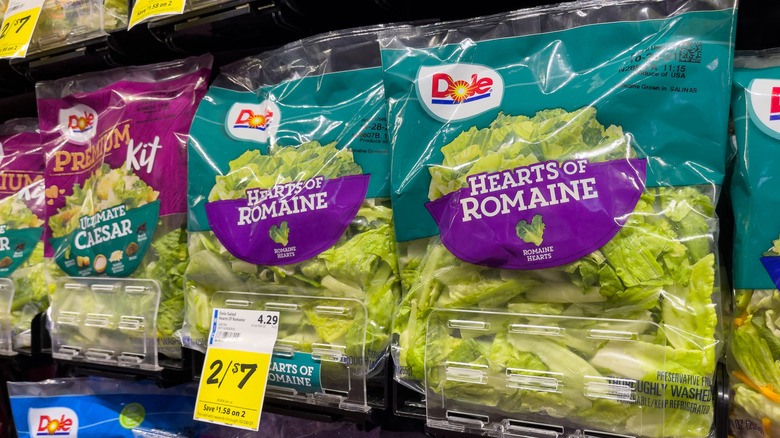
Five years after the 2016 incident, Dole had to recall salads again. And just like the time before, it was to do with fears over Listeria contamination. The recalls, which implicated salad products sold in stores across 36 states, started in October 2021, and ran through until January 2022.
Once again, multiple people were sickened as a result of the contamination. This time, 18 people in 13 states were affected by listeriosis. Sixteen people were admitted to hospital, and three people died. The CDC didn't officially declare the outbreak over until April 2022.
The Dole recall and others like it has led to widespread concern over consuming salads in the U.S. It is particularly frightening for people who are pregnant, as listeriosis can lead to serious pregnancy complications, including miscarriage and stillbirth. It's important to note, however, that Listeria is still a rare foodborne infection. As a precaution, the CDC advises pregnant people to avoid foods like premade deli salads, unwashed produce, and unheated deli meats.
Peaches, plums, and nectarines recalled from stores nationwide over Listeria concerns (2023)
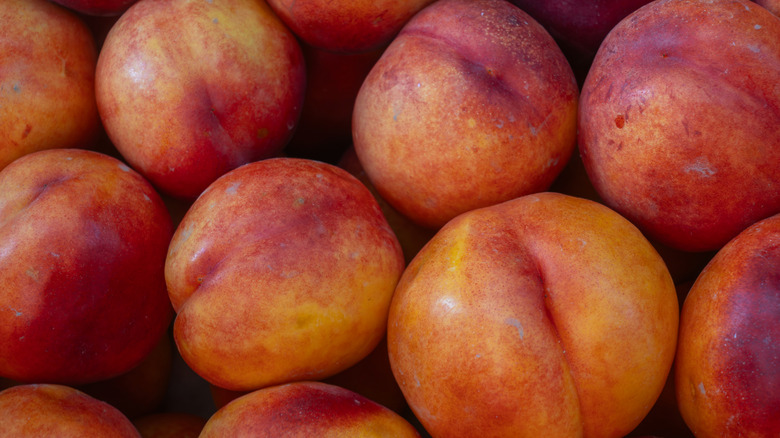
In 2023, peaches, plums, and nectarines were recalled from stores across the U.S. due to fears they might be contaminated with Listeria. The fruits had been produced by California-based HMC Farms, and shipped to several major retailers, including Walmart, Sprouts, and Sam's Club. Unfortunately, though, the recall was not enough to save 11 people in seven states from listeriosis. One person died as a result of the infection, and another, who was pregnant, was sent into early labor.
Food recalls are on the rise in the U.S. In fact, according to Trace One, between 2020 and 2024, recalls increased by 15%. Many of these are to do with pathogens, like the HMC Farms recall, but undeclared allergens and even foreign objects are also leading causes. The best things to do to protect yourself? Stay informed, store food correctly, keep your environment clean, wash your produce, and always, always clean your hands when preparing a meal.
Organic carrots recalled from major retailers nationwide over E.coli contamination (2024)
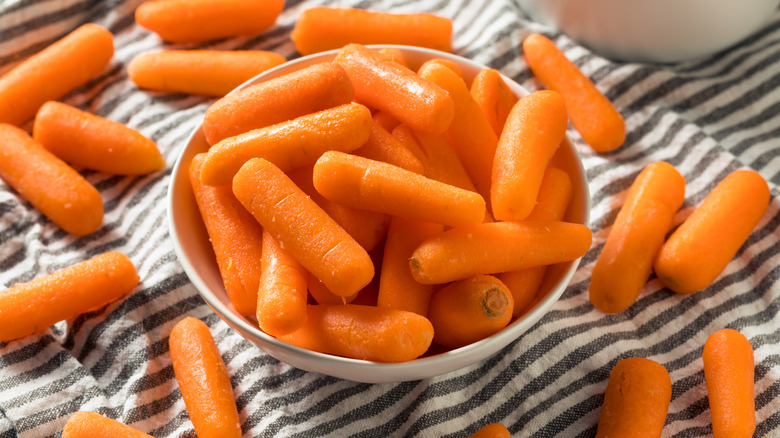
Many people buy organic produce because they want to limit pesticide exposure or because they deem it to be healthier than regular produce. But unfortunately, there is no guarantee that choosing organic produce will keep you safe from harmful pathogens. This was demonstrated in 2024, when California-based Grimmway Farms issued a recall for organic whole and baby carrots from several major retailers across the U.S. over E.coli fears. At the time of the recall, the organic carrots were being sold under popular private-labels like Target's Good & Gather, Whole Foods' 365, and Kroger's Simple Truth.
Like salmonella and Listeria, E.coli is a harmful strain of foodborne bacteria. It lives in the gastrointestinal tracts of animals, but can be spread to vegetable crops through the use of contaminated water or animal feces in the soil. Most people who are infected with E.coli will recover, however, for some, it can lead to life-threatening complications. Regrettably, one person died as a result of consuming contaminated Grimmway Farms organic carrots. There were nearly 40 reported infections, and 15 hospitalizations.
Broccoli recalled from Walmart stores in 20 states due to Listeria fears (2025)
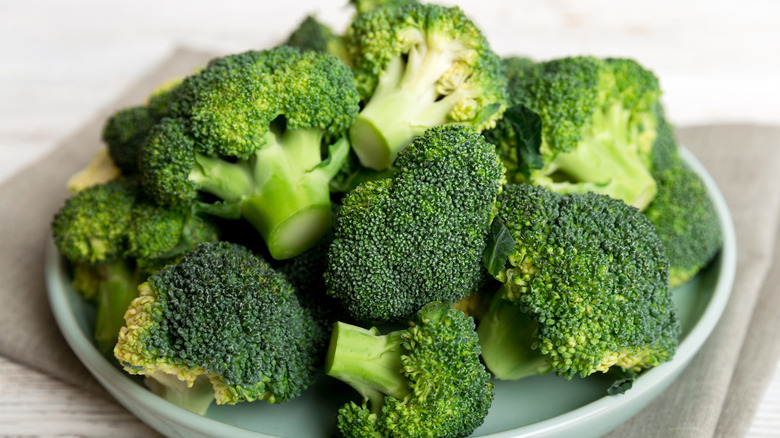
If you purchased broccoli from Walmart earlier this year, you might have been caught up in another Listeria-driven recall. In January 2025, the FDA issued a Class 1 recall for nearly 6,000 cases of Marketside Broccoli Florets from Walmart stores in 20 states over fears they had been potentially contaminated with the bacteria. A Class 1 recall is the FDA's highest classification, and means there is a feasible possibility that consuming the contaminated food could lead to serious illness or death.
The recall followed a previous advisory released in December 2024 by Baga Fresh, the producer of the Marketside broccoli. It stated that during random testing, Listeria had been found in broccoli sold at a Texas Walmart. Fortunately, however, despite the size of the recall, no illnesses were reported as a result of consuming the potentially contaminated broccoli.