

8 Mistakes Everyone Makes When Seasoning Food
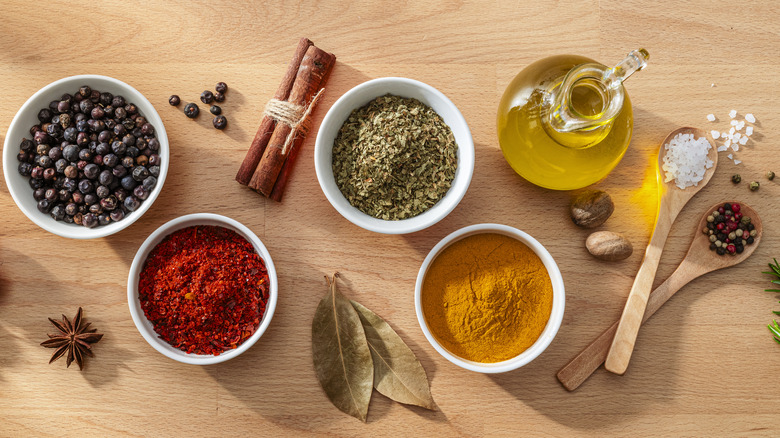
If there is one skill that all home cooks should master, it is the art of seasoning. No matter how good the ingredients, a dish that is poorly seasoned won't be able to impress as it should, with the flavor feeling a bit dull and flat. There is so much more to seasoning than simply adding a sprinkling of salt, and learning how to do it properly can make a huge difference to your culinary results.
From lemon juice to toasted cumin and even garlic, there are so many ways to enhance the flavor of your food that go beyond the usual salt and pepper, and even the way that they are added is important. Learning how to use a variety of seasonings across your dishes will make your food more vibrant and bring the joy back to tasting and preparing home-cooked meals. The good news is that the most common seasoning mistakes are easily rectified, as soon as you realize you are making them. Whether you have just started cooking from scratch or are a seasoned pro (pun definitely intended), let's take a look at eight mistakes everyone makes when seasoning food.
Relying primarily on salt
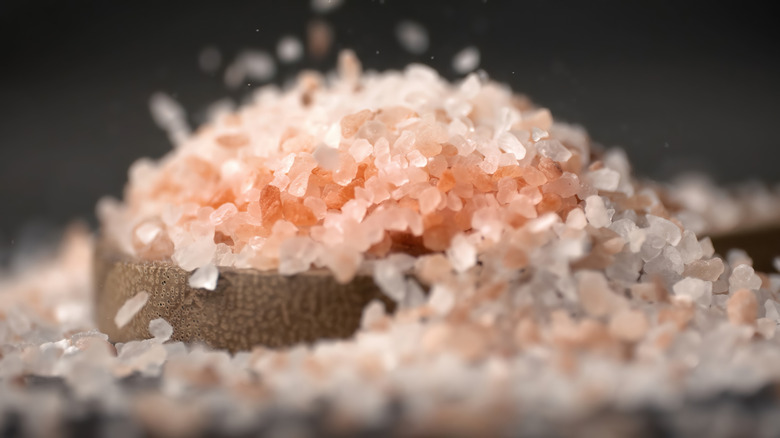
When we talk about seasoning, many people automatically think of salt, and while it is an important part of the process, making your food taste great is a more complex procedure than simply grabbing the salt shaker. There are so many other delicious ingredients that can enhance the flavor of your food, without increasing your sodium intake at the same time.
If you have a herb and spice rack in your kitchen, it may be time to turn to it more often. These flavor boosters shouldn't only be called upon when the recipe demands it, but should be a regular part of your seasoning arsenal. Dried herbs such as oregano and thyme can add a Mediterranean flair to many everyday dishes, while the warming taste of cumin or cinnamon bring a subtle spice to soups and even desserts.
Garlic and ginger are also aromatic ingredients that you may have in your cupboards, but don't think to add if the recipe doesn't call for them. Adding fresh herbs at the end of cooking will also add a punch of flavor to your dishes, and mean that the salt that is needed can be reduced. Using a wide variety of seasonings makes it so much easier to experiment with flavors, and means that your weeknight meals can feel varied and fresh each week.
Under seasoning
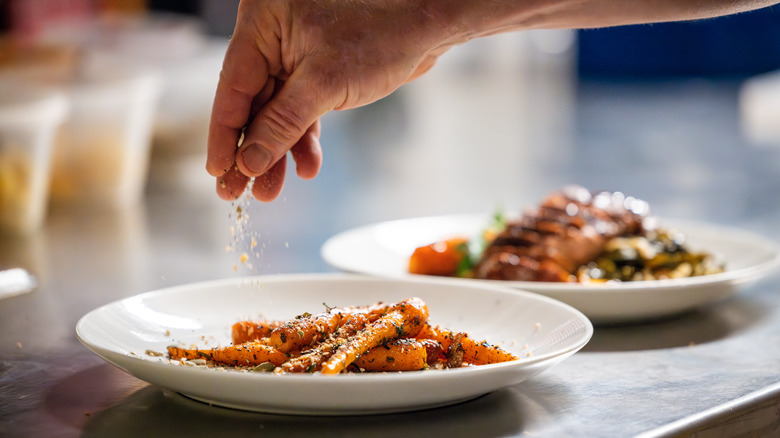
Seasoning is one of the key aspects of making food taste great, but many of us are hesitant to add too much seasoning for fear of overpowering the dish. If you have ever tasted a sauce or soup that was too salty, you will know that it can ruin the balance and, at times, make it inedible. The opposite, however, can be just as bad — bland, boring food that doesn't do the ingredients justice. The key is to get the amount of seasoning just right, to enhance the food and allow it to shine.
Seasoning food doesn't necessarily mean adding salt once you have plated it up. Adding salt throughout the cooking process is a much more effective way to properly season the food, without making it taste too "salty." Adding salt to water when foods are cooking is a much better option than piling it on afterward, and seasoning meat or fish before they cook will give very different flavor results than if you do the same thing at the end.
Salting tomatoes half an hour before you cook them (and discarding the water that is drawn out of them) will intensify the tomato flavor, whereas adding the same amount as you plate up the dish will result in an overpowering salty taste. The next time you are seasoning food, don't be scared to add a little more than usual, especially if you are at the beginning of the cook — your taste buds will thank you for it at the end.
Not grinding the black pepper to order
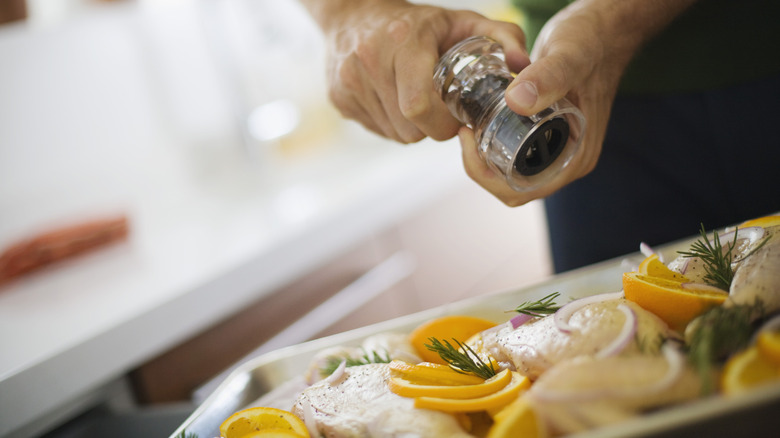
Alongside salt, black pepper is one of the classic seasonings that we add to many dishes, as it creates a powerful burst of spice that beautifully enhances savory dishes. If you usually buy pre-ground black pepper or grind your own in advance, you are missing out; freshly ground pepper has a much bigger impact on the taste buds.
The aromatic oil inside a black peppercorn is protected from the air by the hard shell around it, which is broken as you grind it. This releases the delicious oil, which should then make its way directly to your food to work its peppery magic. If the peppercorn is ground long before adding to food, the best part of the oils will be lost, and the flavor will be significantly more subdued than if it were fresh. The flavor loss is actually two-fold, since black pepper increases our ability to taste other foods, as well as adding its own distinctive flavor. To make sure you are not missing out on the superpowers of black pepper, buy yourself a gorgeous pepper mill and keep it sitting on the countertop or dining table, to make sure you use its delicious properties to their full effect.
Forgetting to taste regularly
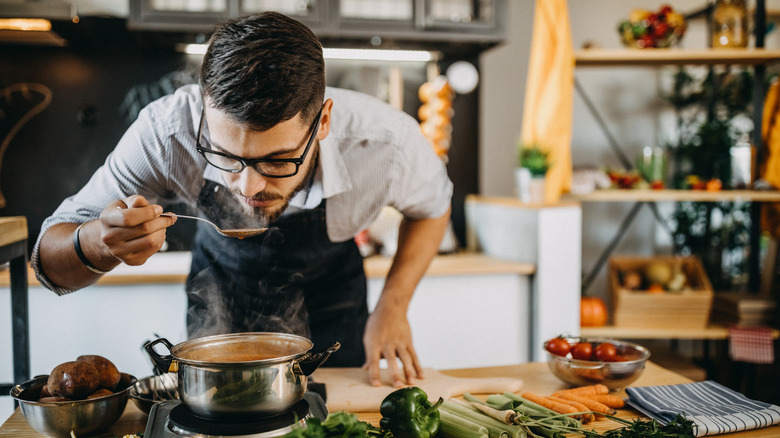
If there is one practice that can lead to food being under-seasoned or over-seasoned, it is the lack of constant tasting as you cook. Depending on what flavorings you are using, a little addition can have a huge impact on the flavor, so it is crucial to continue tasting as the dish develops.
Many dishes change dramatically as they cook: Think of the difference between a fresh tomato and a slow-roasted one. This means that tasting a tomato-based dish when you season it at the beginning of the cooking process will not reflect how it will taste by the end. This is why you should taste whenever something changes in a dish, whether you have added a new ingredient or taken it out of the oven at the halfway point. If you think it needs more punch, add your chosen seasoning in small amounts. Too much salt or lemon juice can be very difficult to correct. Start small and add more as the cook progresses, once you are certain that it will be required in the final dish.
Not toasting the spices
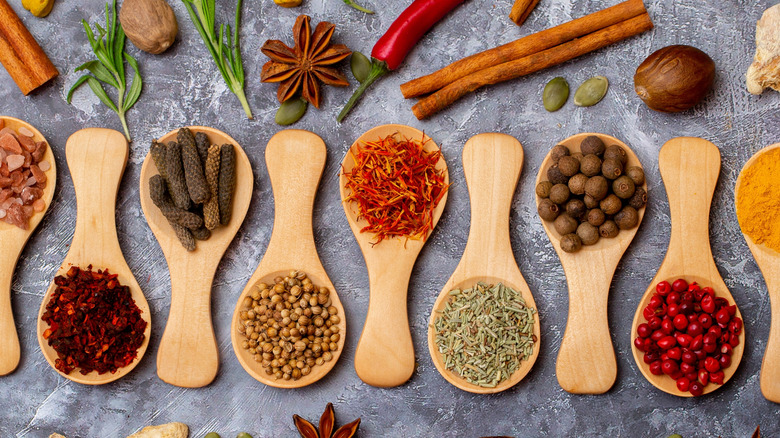
As keen home cooks, we all know that adding spices to certain dishes is crucial to create a complex flavor, but there is one important step that is often missed. Toasting spices doesn't just give them a smoky flavor; it transforms the taste from a more muted version when raw to a warming, aromatic flavor that will work wonders for your food.
All spices contain natural aromatic oils that provide their flavor, but much of it is wrapped up inside the seed or the cells of the spice itself. When they are heated gently, the flavor bursts out, creating a magnificent aroma in your kitchen and transferring that same warming spice into the food. Toasting spices is easy and only takes a few minutes, and the most crucial aspect is making sure you don't burn them. You should be toasting, not frying, the spices, so use a dry pan or wok, and shake the spices gently as they cook to achieve even toasting on all sides. They can quickly go from perfectly toasted to burnt, so as soon as you smell that beautiful aroma, turn off the heat.
If you are toasting ground spices, they will only need a few seconds to release the flavor hidden inside. Taking just a few minutes to toast your spices before using them can have a huge effect on the seasoning of your dishes, and your curries and soups will benefit immensely.
Lemon juice
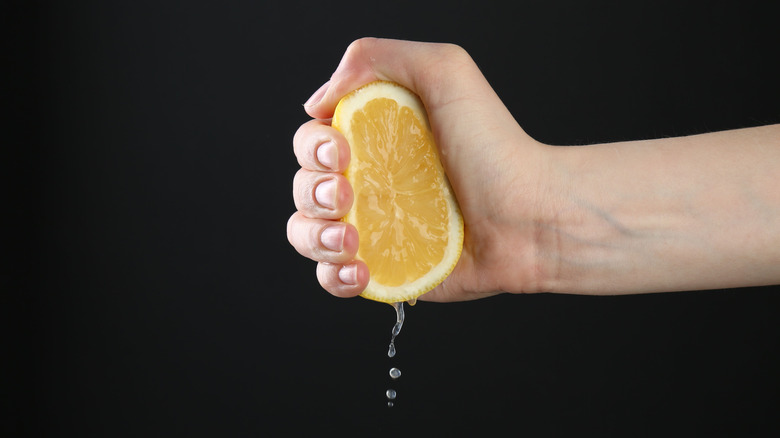
Lemon juice is an ingredient that is often overlooked as a seasoning, but it can transform meat, vegetables, and sauces, and bring formerly bland dishes to life. One squeeze of the bright citrus flavor can intensify the savory elements of a steak or add a fresh zing to roasted veggies. Studies have actually shown that adding lemon juice while cooking boosts the flavor within the dish, meaning the sodium level can be reduced by up to 75%.
One of the big benefits of lemon juice is its acidity, which can cut through richer elements in dishes and bring balance. Like salt, lemon juice can have a different effect depending on when it is added. When incorporated into a dish during the cooking process, the effect will often not be the addition of a notably lemon flavor, but a general brightness that lifts the dish, whereas adding raw lemon directly before serving will add a distinctive lemon flavor. Both can enhance the meal, and the timing of adding the citrus will depend on the layers of flavor you are hoping to achieve. Lime and orange juice can have a similar acidic effect, but with different flavors, so you can switch up the citrus seasoning to create a variety of tastes within your regular meals.
Stale seasoning

It doesn't matter how well you season your food and focus on getting the timings spot on; if the seasonings themselves are past their best, you will never get the vibrant flavor you are aiming for. Although dried herbs, spices, and salt are unlikely to spoil, they have a finite lifetime in terms of quality, and leaving them in the cupboard too long will definitely dull their flavor.
Herbs and spices contain essential oils that give them their signature flavors, but these fade over time. So the dried herbs that have been lingering at the back of the kitchen cabinet for the last few years are unlikely to have the punchy flavor you expect, and will have a much more muted effect on your dish instead. As a general rule, dried herbs will be good for one to three years, and powdered spices will be around two to three years at their best. If the spices are whole, and the essential oils inside are still protected by the outer shell, they will keep their potency for up to four years. If you want your seasonings to stay bright and punchy, check the expiration dates regularly and replace any that have been languishing at the back of the cupboard for a while. If you make the effort to use a variety of seasonings more often, you will find that they will need to be replaced before they have a chance to decline, and you can be confident that your dishes will be singing with the aromatic flavor that they provide.
Layering seasoning
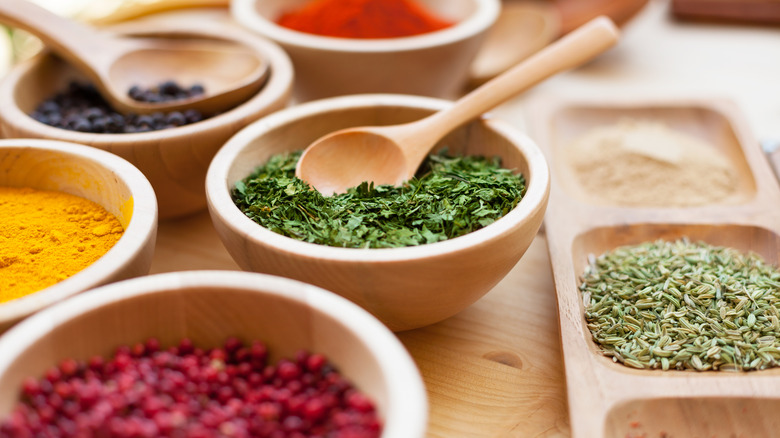
Seasoning your food perfectly doesn't just mean chucking all the herbs, spices, and salt in at the same time, unless you want to overload your senses. Instead, the perfect dish will be seasoned in layers throughout the cooking process, so that the ingredients and seasonings can complement each other, and have time to mingle and absorb while the dish bubbles away.
As a rule, dried seasonings can be added early in the process, where they will have a chance to infuse the sauce or dish with their robust flavor, which will remain by the end of the cook. However, if you try to add fresh basil or cilantro before cooking for an hour, the flavor will be destroyed, and the aromatic benefits won't reach the final meal. Salt is added at the beginning of most recipes, especially to sauces or boiling water for pasta or rice, but can also be added toward the end for an extra burst of seasoning. Fresh herbs, finely chopped chilis, or delicate lemon zest can all be added as a garnish once the meal has been plated, to retain their beautiful fresh flavor and aroma.