

6 Dishes To Avoid Ordering At A Restaurant, According To Gordon Ramsay
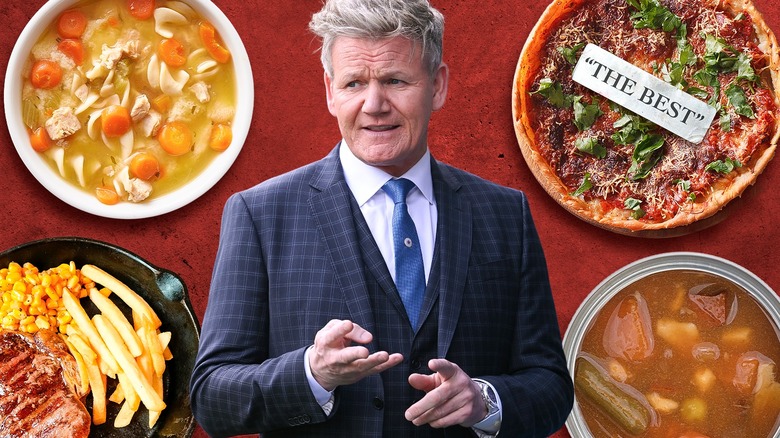
Gordon Ramsay is first and foremost a chef, with a slew of successful restaurants around the world and a Guinness World Record for making the largest beef Wellington. Still, much of his fame comes from shows like "Kitchen Nightmares," where he investigates why a restaurant is struggling and sets it on the right path. This show, in particular, is premised on Ramsay's impeccable standards in the kitchen and his knack for uncovering restaurant mismanagement, unsanitary practices, and appalling food quality.
These particular skills, along with Ramsay's culinary training, are what make him a top authority on visiting restaurants. Just as Ramsay can recommend the best restaurants to visit, he can also advise you on which dishes you should avoid ordering. He knows the nitty-gritty details of what goes on in most restaurant kitchens, which means he knows exactly what red flags to look out for when he walks into a dining establishment or reads through a menu. Let's take a look at some of those red flags, so that you can learn to identify them yourself the next time you go out to eat.
Soup of the day
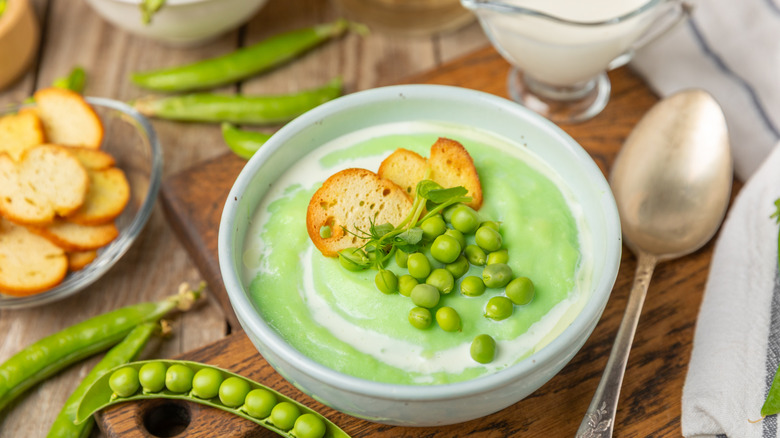
Diners seem to like it when restaurants switch up some menu items from time to time (as long as their favorite remains a stalwart). So when a menu features a soup of the day, it can be hard to resist trying out what tasty new tidbit your favorite restaurant has come up with. But according to Gordon Ramsay, you may want to steer clear of the soup of the day.
"Ask what yesterday's soup du jour was before today's special," Ramsay told Town & Country. "It may be the case that it's the soup du month." This means that a restaurant may make a huge batch of soup that it serves over the course of several days to save money on ingredients. Unless you get there on the day the soup is made, you may end up eating something less than fresh that was made a while ago.
Dishes made with canned items
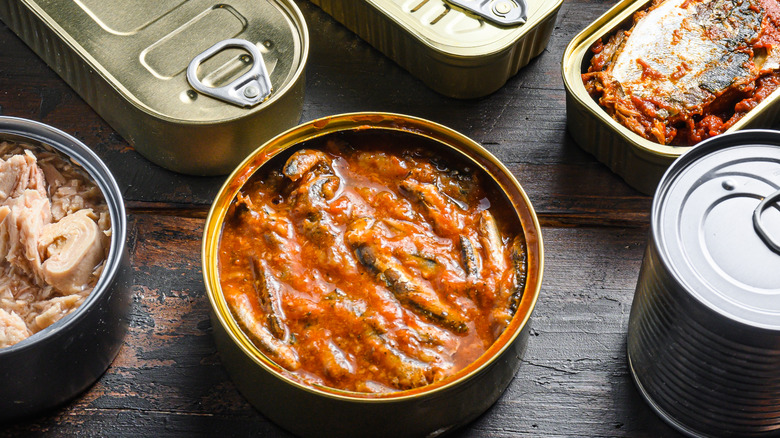
When a restaurant uses canned items, you know you're in trouble. At least that's what Gordon Ramsay seems to suggest in many "Kitchen Nightmares" episodes. The scenario seems to follow a similar pattern: Ramsay walks in, takes a seat, and orders a slew of dishes to sample the restaurant's offerings. Then he begins to eat, and things invariably don't go well. Soon, it becomes clear that much of what is on his plate came from a can. A case in point was in Season 5, Episode 13, where his Greek sampler platter turned out to be almost entirely made up of canned food, as was the crab dish he later sampled.
How can you tell if a restaurant is using canned food? Or how can you avoid the dishes that include it? Not everyone has as discerning a sense of smell as Ramsay, who simply sniffs his plate and determines that its contents are far from fresh. Your first line of defense is the servers, so ask them if the kitchen uses canned ingredients. If they don't know, that might be a red flag in itself. Another hint that you may be dealing with canned or pre-made foods is if your order comes out very quickly and tastes bland. It's also a red flag if it tastes exactly the same every time you order it.
Dishes made with unusual ingredients for the restaurant
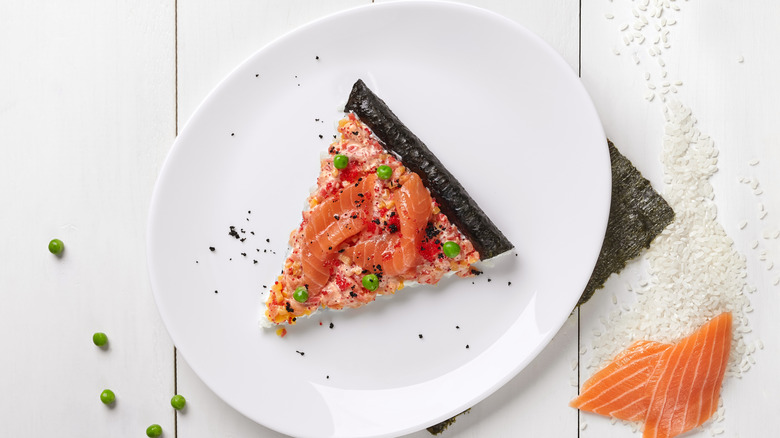
If you go to a Thai restaurant and you find dishes with ingredients like ginger and lemongrass, you're probably in the right place. But if those same ingredients are being used in an Italian restaurant, you should probably pick up and leave as politely as you can. It's not that restaurants that serve good fusion cuisine can't be found — it's that this type of mixing and matching requires a great amount of skill and training, which not all restaurant chefs have.
Indeed, plenty of restaurants succeed because they keep it simple and cook what they know, rather than trying too hard and using ingredients they don't understand, or that don't match their identity. For instance, when a Japanese restaurant on "Kitchen Nightmares" attempted to serve Gordon Ramsay a sushi pizza made with rice, salmon, crab, mayonnaise, and cheese, he was none too impressed.
The specials
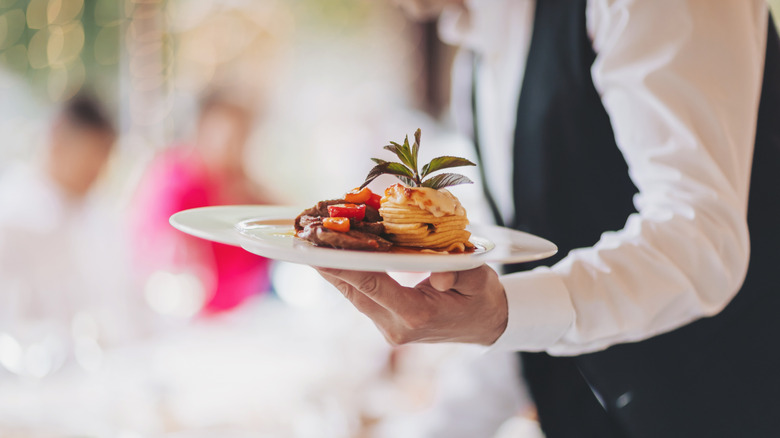
Gordon Ramsay has widely warned against the dangers of ordering the specials. Some restaurateurs know what they're doing and have come up with specials made with fresh ingredients and a dash of creativity. In many cases, though, it's best to avoid this type of dish altogether — it's something that Ramsay considers a red flag.
That's because, as he told the Daily Mail, "Specials are there to disappear throughout the evening. When they list 10 specials, that's not special." Such a huge list suggests that restaurateurs are not using fresh ingredients in their specials, and they may actually be using the least fresh ingredients they have on hand in an effort to get rid of them as quickly as possible. There are several ways to tell the difference between a good special and a bad special. For one, take a look at the length of the list, as Ramsay mentioned. It's also a good idea to consider whether the ingredients listed as being part of the special are in season. If they are, they're more likely to be fresh and abundant, meaning that the restaurant may simply be looking to use up a large haul of something seasonal.
Any dish with a best label
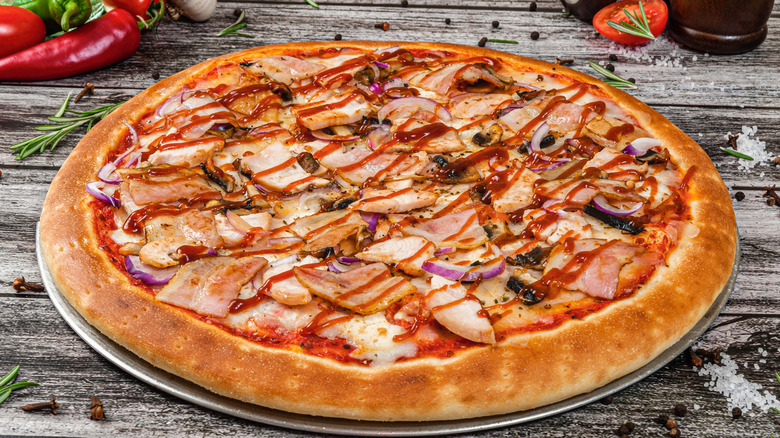
If you walk into a restaurant and the establishment feels the need to advertise one or more of its menu items as "famous" or "the best," then you may be dealing with someone who's trying to pull the wool over your eyes. For any self-respecting restaurant, the food should speak for itself. But all too often, a chef or owner will try to use words instead of facts to persuade a patron of the quality of the food.
In a Season 7 "Kitchen Nightmares" episode, for instance, Gordon Ramsay was treated to a pizza that the chef claimed was the best in Denver — nay, all of the United States. But when Ramsay tasted the pizza in question, he was definitely not persuaded. The dough was far too thick, it was uncooked in the center, and the whole thing was swimming in grease. Luckily, Ramsay was able to make some changes to the menu, and the restaurant was able to improve its image and standing. Though it still has a sign saying "Denver's Best Pizza" outside the door. Nobody's perfect.
A well-done steak
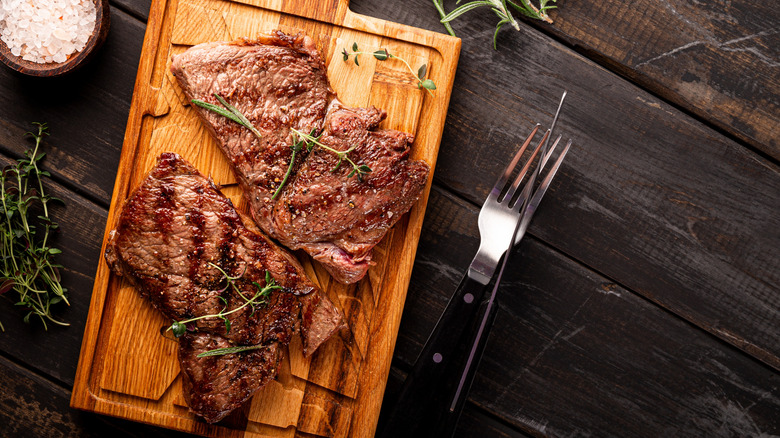
As Gordon Ramsay told Town & Country, a well-done steak is a pointless thing to order. It certainly won't kill you (though it may dislodge a tooth or two), but it also won't give you the enjoyment of a properly cooked steak. Ramsay pays careful attention to how steak is cooked, and mentions that, specifically, "The problem with overcooking meats is it diminishes the flavor and incredible texture."
He recommends never ordering a steak that is cooked past medium. Alternatively, you could ask your server for the chef's recommendation on how your steak should be cooked. A well-done steak can have a tough chew, dry texture, and subpar flavor, which is why many chefs aren't in favor. So while some chefs might not care if you order a steak well-done, if they have no recommendation on the matter, you may have an inexperienced cook on your hands.