

The Biggest Candy Trends Of Each Decade
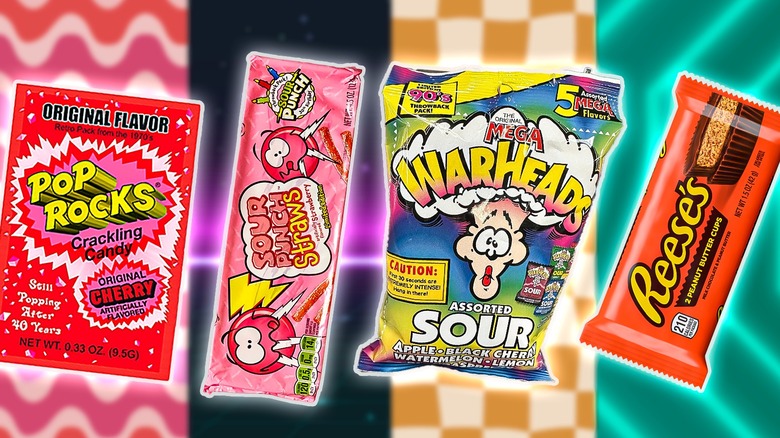
When you think of trends that come and go over time, it probably conjures images of things like bell-bottom jeans, mullets, Beanie Babies, and boy bands. What moves and changes our culture over time is impossible to pinpoint precisely, but what we can always depend on is that it will, in fact, change. We know this, even if it is hard to accept (since when are skinny jeans uncool?). But it's not just trends in music, fashion, and toys that can conjure up wistful feelings of nostalgia. There's another type of product that's subject to big fads, and it's edible: candy.
Like all passing trends, the fluctuating candy market is influenced by several factors, including economic, technological, and cultural factors, all of which play a part. It's looking back that allows us to see them more clearly. The Depression and World War II are to thank for some of our most longstanding and popular candies, and innovations made the '80s full of the sound of popping bubble gum. Magical candies had their moment, and appeals to kids' favorite characters had them refusing to throw away the packaging. It doesn't matter if you were an '80s kid or a '00s kid; looking back at childhood, there's probably a candy that comes to mind.
1940s military rations gave us patriotic candy for a patriotic era
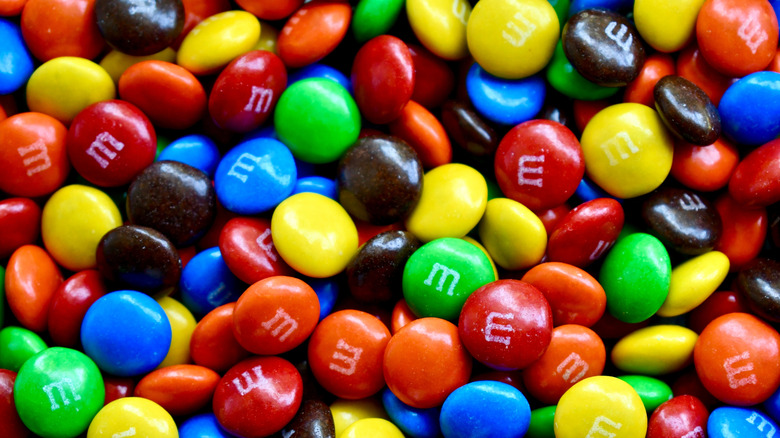
M&Ms, with their colorful candy shell and creamy chocolate interior, are both simple and incredibly satisfying to eat. However, surprisingly, that crunchy candy coating originated from the needs of soldiers in combat. The inventor of M&Ms created the bite-sized treats to provide troops with chocolate that wouldn't melt away in their hands. Soon after they were invented, World War II began, and the new product was put to the test. M&Ms and Tootsie Rolls were both staples in soldiers' rations due to their durability and long shelf life. They also provided both nutrition and a morale boost, making them favorites among the soldiers.
When the soldiers returned home, they brought their love of these candies with them. Because of their role in World War II, M&Ms and Tootsie Rolls had come to represent bravery, sacrifice, and all things American. Now, everyone, not just veterans, could not get enough of them. Celebrities, too; apparently, Frank Sinatra loved Tootsie Rolls.
1950s kids lined their shelves with Pez
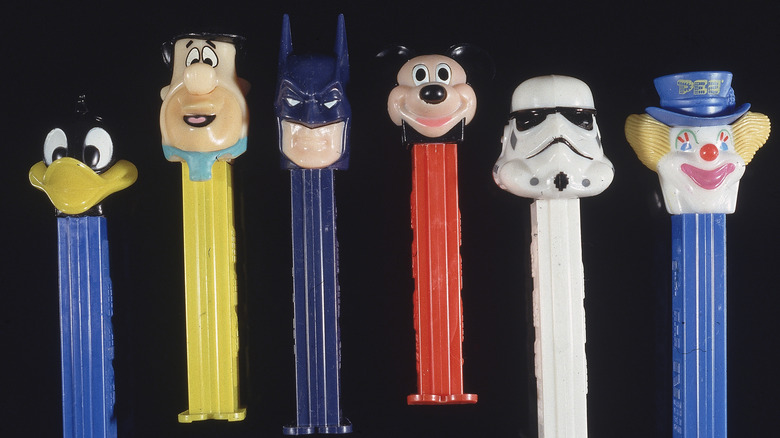
PEZ was originally invented as a tool to help smokers quit cigarettes in the 1920s. There were no fun fruity flavors or colors, just plain mint tablets meant to curb cravings. The iconic dispenser didn't even exist yet; it was introduced in 1949 and was initially intended to resemble a lighter. It wasn't until PEZ arrived in the U.S. in the 1950s that it began to be advertised to children. That's when new flavors arrived, and the dispensers started featuring iconic characters on the top. Their popularity exploded, and while the sweet compressed candies were tasty enough, it was really the collectible dispensers that started a full-on craze.
Favorite comic book, TV, and movie characters all appeared atop the dispensers in a variety of bright colors. Kids would line their shelves with their favorites, and even adults joined in on the collecting, hoping that it would be an investment with a big payout someday.
Fruity, bright '60s candy felt like the future
The '60s were unquestionably a time of revolutions. Massive shifts in music, fashion, and family culture happened alongside world-altering inventions like the cassette tape, ATMs, and the video game console. Everything seemed to be changing, and candy was no exception. The '60s brought free love and the man on the moon, but it also brought candy that broke barriers.
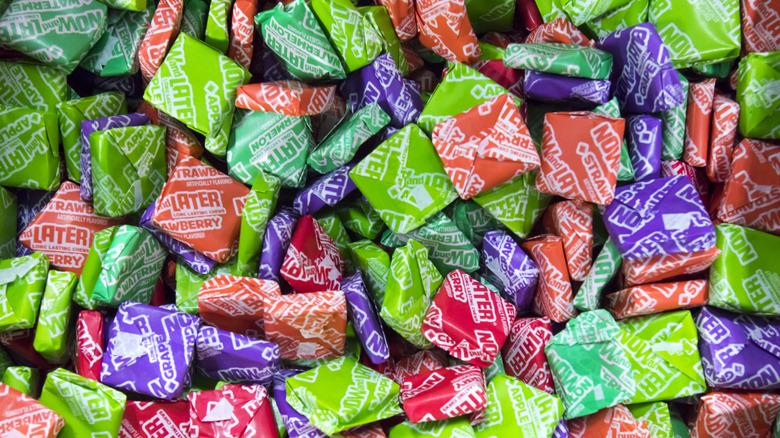
While in the past candy had been straightforwardly sweet, there was a demand for candies that offered more complex flavors — sour, tangy, fruity, and spicy. Bright colored candies in neon packaging were now filling the shelves. Unique textures made penny candies feel like a fun science experiment. The sour favorite Lemonheads were introduced in the '60s, and fruity chewy Starbursts and Now & Laters were big hits (originally, Starbursts were advertised as a healthy option, because they had been infused with vitamin C. Fancy!). The transforming candy-to-gum classic Razzles also made its debut during this decade.
'70s candy came straight from Wonka's factory
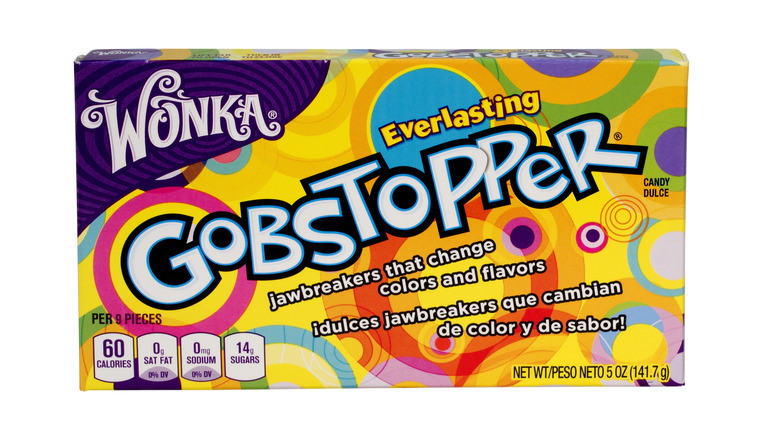
Roald Dahl's 1964 book "Charlie and the Chocolate Factory" was a huge hit among young readers. It captured children's imagination and wonder, but its success had to do in no small part with the subject matter, aka one of the target demographic's favorite subjects: candy. The movie adaptation that followed in 1971, "Willy Wonka and the Chocolate Factory," was not an immediate box office success, but it grew dramatically in popularity over time. In '70s, candies inspired by the movie began to be released by the Wonka Candy Company. These included Oompas, a peanut butter and chocolate confection, Volcano Rocks (something of a precursor to Nerds), and Everlasting Gobstoppers, a candy that had been heavily featured in the movie. The candies became immensely popular, especially Everlasting Gobstoppers. And it wasn't the only zany, magically transforming candy that did. Fizzy, fun Pop Rocks surprised and delighted 1970s consumers. Laffy Taffy and Fun Dip were other exciting and lighthearted candies that delighted '70s consumers — and in the following decades, they, too, became Wonka brands.
Chewy, stretchy candy was loved by '80s cool kids
With innovations such as widespread cable television, the renaissance of shopping malls and their teen-packed food courts, and the explosion of the music video, youth pop culture gained a new kind of prominence and consumer power in the 1980s. Candy trends met that new power, and brands strived to be interesting, relevant, and cool.
Although it was first introduced in the late 1970s by Bubble Yum, bubble gum really took off in the 1980s. Previously, chewing gum had been stiff and firm. Now, gum can be juicy, chewy, and used by kids and teens to blow massive bubbles. Brands like Bubblicious and Hubba Bubba competed with Bubble Yum for supremacy.
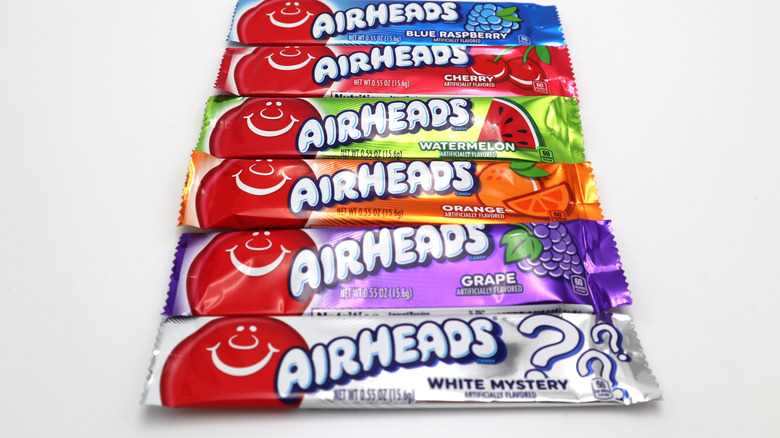
The soft and chewy Airheads taffy also emerged in the '80s and became a huge success. "Airheads" was a popular slang term among young people at the time, meaning a ditz or scatterbrain. Complete with a balloon head for a logo and a marketing strategy that pitched the candy as a "new high," it was a candy that felt culturally relevant and hip.
Super sour candy had '90s kids puckering up
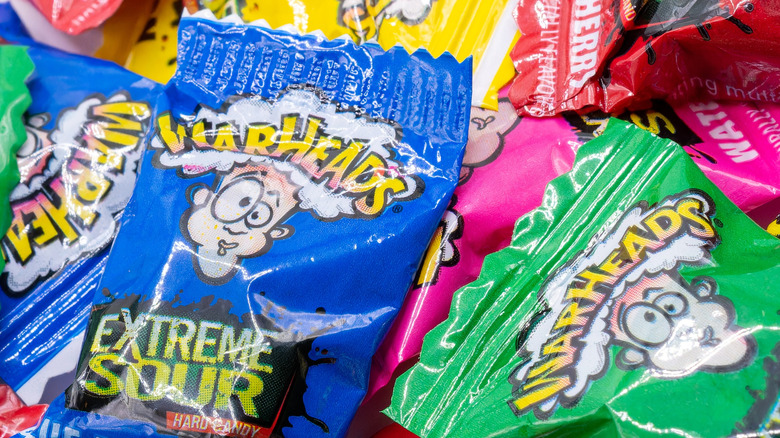
In the 1990s, it seemed like half of all kids were walking around with the skin on their tongues coming off. The culprit was the huge boom in extremely sour candy. Candy had moved on from just pleasantly tart confections like citrusy Lemonheads. Now, candies that felt like straight-up punishment were popular, and somehow, enjoyable. Following the lead of the fun and cool candy trends of the 1980s, their names emphasized their borderline inedible pain factor.
One such candy was Warheads, small balls of sourness so strong that kids would dare each other to eat them. The packaging featured a cartoon face warped into an exaggerated sour pucker, with the top of his head exploding into a mushroom cloud. Cry Baby candies were another sour candy made to make you cringe. By the turn of the century, things had escalated, and a candy called Toxic Waste was introduced, which had packaging shaped like a waste drum with neon ooze dripping out of it. Unfortunately, the brand has been found to actually be toxic, with some candies containing elevated levels of lead. The truth behind the name was not intentional.
The 2000s had Harry Potter everywhere, even in candy
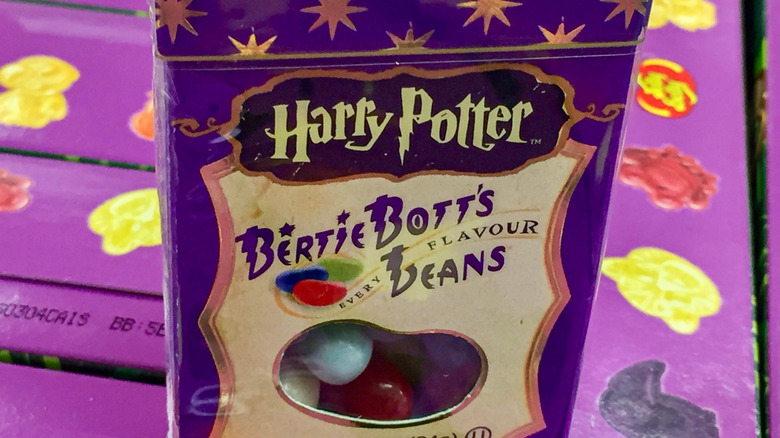
The first Harry Potter book was released in 1997, and it would be difficult to overemphasize how massive Harry Potter was in the following decade. The movie's release in 2001, along with the subsequent publication of new installments, had children and even many adults deeply immersed in all things Hogwarts. From toys to posters, office supplies, and clothing, Harry Potter merchandise was available in pretty much any form you can imagine. One such form was edible: candy taken straight from the series itself.
In anticipation of the release of the first Harry Potter movie in 2001, candy inspired by the immensely popular books was introduced. This included chocolate frogs, Fizzing Whizbees, Dragon Eggs, and others, but the real runaway hit was Bertie Bott's Every Flavored Beans. Not only did they gain popularity due to their association with Harry Potter, but they also became sleepover and truth or dare favorites; the frequently disgustingly flavored jelly beans made for a novel game between kids.
The 2010s saw a Reese's renaissance
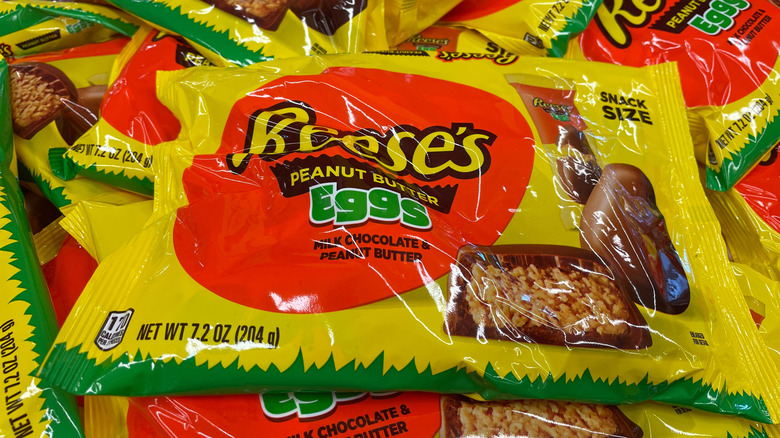
As millennials grew up and started paying their bills, nostalgia for childhood classic treats set in. For some reason, Reese's was the big winner in this decade. Not only were the original cups one of the most popular candies of the decade, but the 2010s also saw the introduction of several new Reese's candy varieties like Fast Break, Whipps, and Crispy Crunch, and the seasonal versions were highly coveted — like the recently litigated Reese's Halloween pumpkin and Reese's egg.
It didn't hurt that the brand launched a new ad campaign in 2013, referred to as #NotSorry, in response to Mars' ad slogan, "Sorry, I was eating a Milky Way." The unapologetic ads, narrated by Will Arnett, drew on the popular phrase at the time, "Sorry not sorry," and aimed to capture the cultural zeitgeist of the 2010s. It was successful, and it somehow significantly increased brand awareness for what was already one of the most ubiquitous candies around.
In the 2020s, influencers are the new candymakers
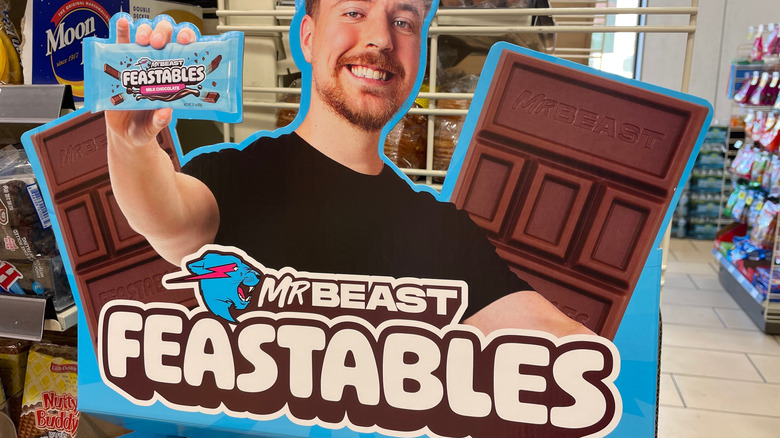
Various forms of social media and internet fame have been increasingly present for decades now, but it seems to have finally reached the inevitable endpoint: It's an influencer's world, and the rest of us are living in it (and watching it on stream). The decade isn't over, but it's clear that influencers have made a significant impact on the candy scene. From preschoolers to adults with families of their own, everyone is getting their entertainment from YouTubers, TikTokers, and streamers, so it makes sense that they want to get their sugar fix from them, too.
Jimmy Donaldson, known to most as Mr. Beast, launched his own chocolate bar brand, Feastables, in 2024. In its first year, the brand generated approximately $250 million in sales. That means the YouTube king is now making more from chocolate than from his videos. FaZe, a massive esports and gaming company with numerous content creators on its team, also has an affiliated candy brand. FaZe Rug, one of their biggest creators, recently launched one called 1UP. It appears that kids' favorite YouTubers and streamers are now their favorite confectioners.