

15 Coffee Cities Around The World You Should Know About

In a world plagued by political and military conflicts, economic uncertainty, daily violence, and rising workplace challenges, a coffee break is a welcome respite. Whether you enjoy it hot or cold, at home or in public, alone or in friendly company, this precious brew, in all its variations and additions, is sure to bring comfort and a much-needed energy boost.
How did coffee become such an important part of our lives? Though it was likely invented in the ninth century, experts actually recognize three main waves in modern coffee history, starting from the 1800s and spanning milestones like giant chains, specialty roasters, elaborate latte art, and practical drive-thrus.
As such, the coffee culture is prevalent in many countries, reflecting different traditions, techniques, and intents and spanning both reputable, quality coffee shops and modest, independent venues with a lot of heart. So, let's travel to some of the coolest coffee hubs across the continents and highlight their distinctive characteristics.
Melbourne, Australia
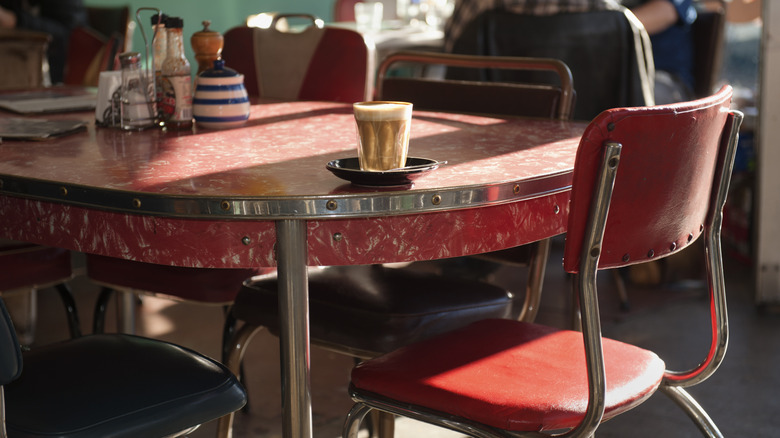
Frequently hailed as one of the world's most livable, safest, and friendliest cities, Melbourne has also built a solid reputation as Australia's coffee capital, thanks to its wide array of laneway cafes and independent roasters.
The coffee culture started with the temperance movement in the 1830s, which aimed to lure people away from the pubs, and then it boomed in the mid-20th century with the arrival of Italian immigrants, who instilled a citywide fondness for espresso. The Melburnians didn't stop there, though. In the 2000s, they invented magic coffee, a unique drink that consists of a double ristretto with steamed milk served in a 5-ounce cup.
Today, in order to cater to its citizens' growing demand, the city has to import "30 tonnes of coffee beans each day — enough to make 3 million daily cuppas," according to Visit Melbourne. That's a lot of business meetings, catch-up sessions, and casual dates in hotspots like Degraves Street, Rankins Lane, and Somerset Place.
Brighton, United Kingdom
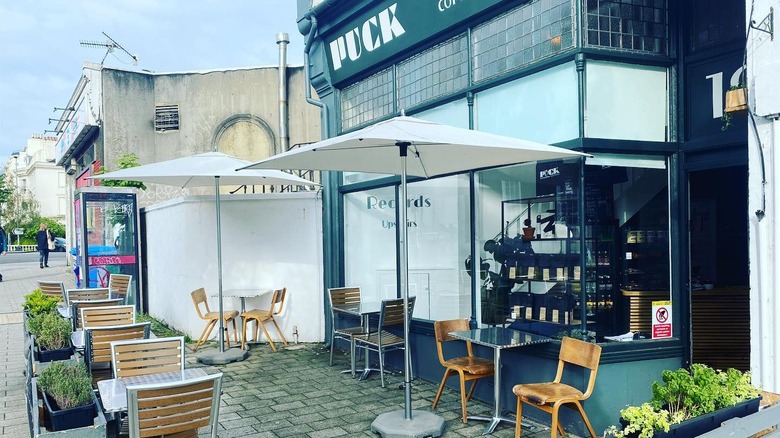
London may be England's capital, but it's Brighton that is home to the highest number of coffee shops per person in the country — one for every 800 people. Additionally, most of these venues are independently owned, and only 6% of them represent big chains like Costa Coffee and Starbucks. As such, Brighton is the leader of England's coffee scene.
Notable roasters include Pelicano Coffee, offering ethically sourced, in-house roasted beans and freshly baked pastries in three locations; and Trading Post, which proposes specialty single origins, signature blends, and a brunch menu and has even expanded beyond the city.
Otherwise, you'll find the Brightonians chilling at renowned spots like Cafe Marmalade, a breakfast and lunch venue with a quirky décor that also sells gift products; 17 GRAMS, a cozy brunch spot with a rustic vibe; or Puck, which doubles as a record store.
Sao Paulo, Brazil
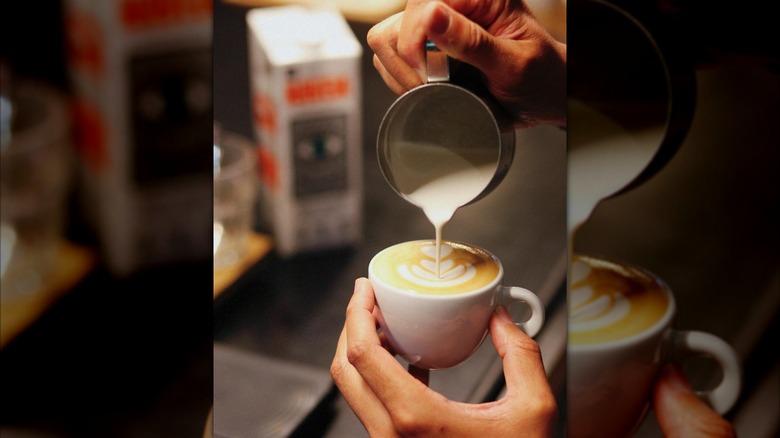
As the world's top coffee-producing country, Brazil is especially renowned for its quality arabica and robusta beans. Brazilians have been honing this trade ever since it was introduced by a smuggler coming from French Guiana in 1727, and São Paulo, the nation's most populated city, is its epicenter.
Located in a region that produces a diverse range of coffee beans, including Catuaí and Mundo Novo, this bustling metropolis is home to many establishments where one can enjoy a traditional Brazilian dessert with the latest trendy brew or a classic "cafezinho" — a small cup of very strong, piping hot filtered coffee served with plenty of sugar.
King of the Fork, for instance, is known for its iced coffee and cold latte, but what sets it apart is its bicycle-themed vibe, cute backyard, and purchasable coffee and cycling accessories. Or just walk into any Um Coffee branch. This family-operated brand owns a farm that produces unique and rare beans. It also operates the only academy offering an international barista certification in Brazil.
Naples, Italy
The coffee culture is celebrated all over Italy, the country that brought us the concept of "il dolce far niente," or the sweetness of doing nothing. To be clear, the latter is not an invitation to laziness but rather the need to slow down and appreciate life's simplest pleasures — such as dipping a biscotti in an espresso, basked in the afternoon sunlight.
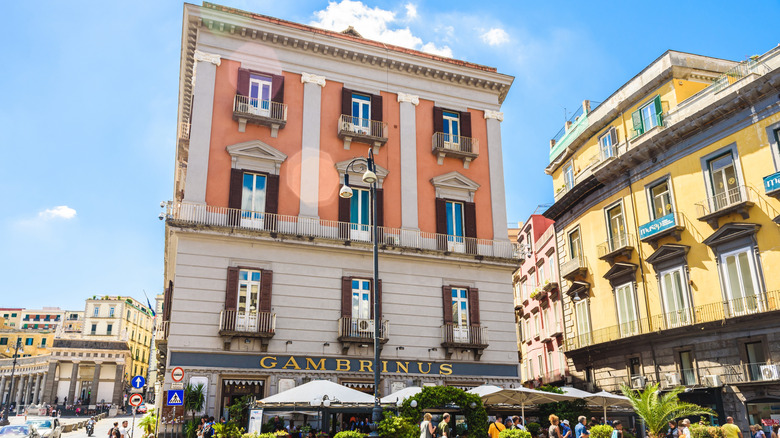
The southern city of Naples, for instance, has been enjoying coffee as a pick-me-up since the 1700s. A century later, cafes would become the meeting point of thinkers, intellectuals, and artists, but also witness the refined version of the cuccumella. This coffee pot, still in use today, was invented in France in 1820 and consists of a boiler, a two-piece filter, and a grinder. For the ultimate sophisticated coffee experience, visitors should head straight to Gran Caffè Gambrinus, a staple since 1860 that embodies the Belle Époque style.
There is one more thing that Naples is known for in the coffee department: the caffé sospeso. This heartwarming tradition of paying it forward consists of buying an extra cup of coffee, not for yourself, but for a future customer in need.
Seoul, South Korea
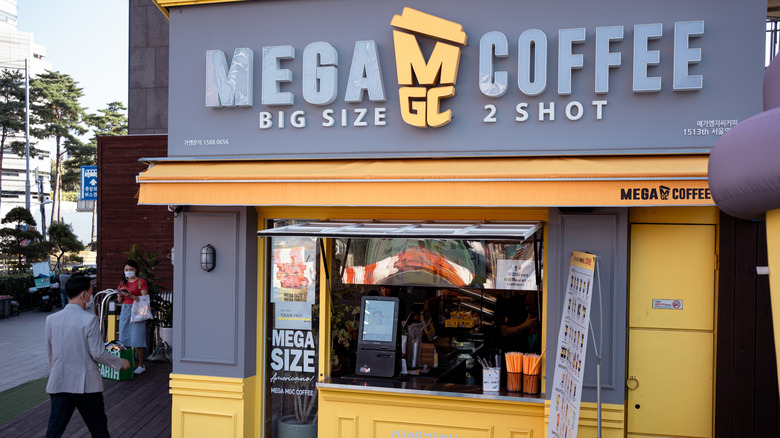
Seoul, South Korea's vibrant capital, boasts more than 100,000 coffee shops for different tastes and age groups, most of which are small businesses. You'll be overwhelmed by the eclectic choices of unique themed cafes with aesthetic photo ops, featuring popular fictional characters, animals, toys, fantasy elements, and more.
The cottage-core Koriko Café, for instance, is meant to enchant fans of Hayao Miyazaki's "Kiki's Delivery Service" and other Studio Ghibli movies. This is where you can enjoy a Bundt cake and a coffee filled with Jiji (the main character's cat) ice cubes while perusing adorable film merchandise and souvenirs.
As for the perpetually busy Sanrio Lovers Club, it caters to admirers of Hello Kitty, Cinnamoroll, Kuromi, Pompompurin, and My Melody, complete with character latte art, a shop, and a selfie-ready corner.
The options are too many to list in this ever-evolving city, but other standout spots include the teddy bear-themed Teddy Beurre House, known for its rich and creamy pistachio latte; the salt-themed Soha Salt Pond, serving salted cream latte and salted butter coffee; and the cake-sandwich themed Munei Cafe.
Tokyo, Japan
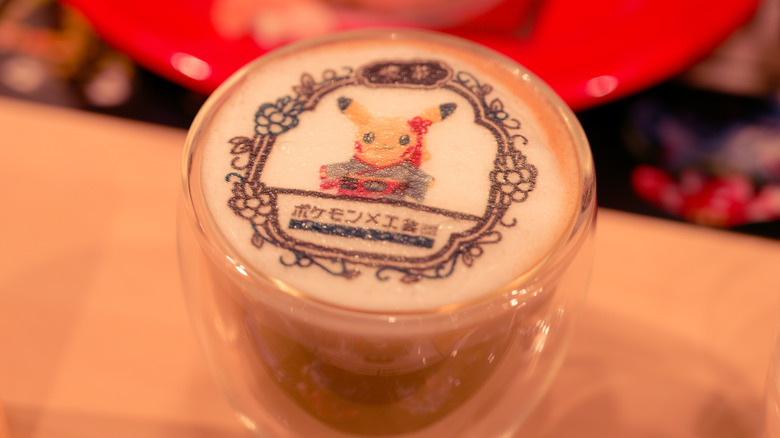
Tokyo is yet another East Asian coffee hub with diverse options, from classic to trendy and luxurious. On one hand, you've got the traditional kissaten establishments. These are tranquil escapes (typically enjoyed by the older demographic) from the hustle and bustle of the Japanese capital, serving quality brews in a vintage setting.
The younger generations, on their part, typically opt for big coffee chains or whimsical and themed venues, from Pokémon Café, where you can choose your favorite character latte, to Mipig Café, where you can interact with live small pigs.
Some businesses are also popular for their innovative items, such as M3's sake-infused coffee products or elaborate and cute 3D latte art, as seen at Cafe Reissue. And, if one is in a hurry, there's always the option of canned coffee from convenience stores and vending machines.
Finally, for a more exclusive and upscale experience, you can book a coffee omakase, where you'll be treated to a roast sampling, a personalized tasting, and creative cocktails handled by exceptionally skilled baristas.
Addis Ababa, Ethiopia
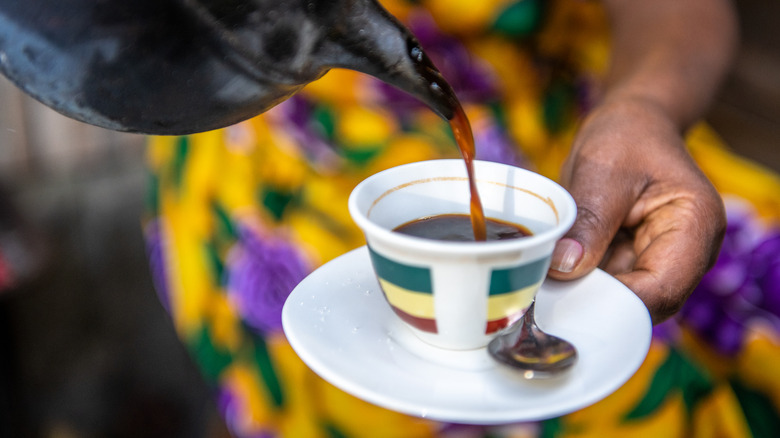
It's no wonder Ethiopia is one of the top 10 coffee-producing nations in the world. After all, this beverage is believed to have originated on the Ethiopian Plateau in the ninth century and is still held in high regard on a national level, from large cities to remote rural communities. The traditional, elaborate coffee ceremony is still a sacred cultural ritual that can last for hours — a true testament to conviviality and hospitality.
For its part, Addis Ababa, the capital, is lined with unassuming, tiny coffee stands and shops. They're typically set right outside busy restaurants and small businesses and serve black coffee with sugar, often for less than $1.
For those with looser purse strings, there is also a wide array of reputable traditional and modern establishments. Some staples to consider if you ever find yourself in the capital city: Aster Bunna, a roaster, distributor, and cafe; Galani, established in 1940 and whose elegant menu includes a ginger cinnamon latte and a coffee cherry tea; and Tomoca, serving premium strong, aromatic arabica since 1953.
Portland, Oregon, United States
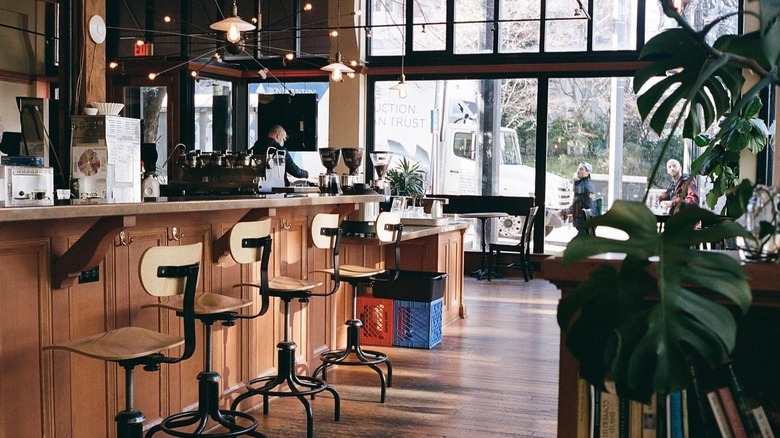
When you think of Portland, you picture eclectic food carts, microbreweries, and a thriving art scene, but it has also built itself a solid reputation as a haven for coffee lovers. Indeed, the City of Roses is strongly focused on independent cafes and roasters that source the finest beans from various parts of the world.
After all, it was the birthplace of the famous Boyd's Coffee, which was founded in 1900 and asserted itself there as one of the first American businesses to deal in organic coffee and brewing kits. The 1970s later ushered in the coffee shop era, heralded by Kobos Coffee, once a small roaster and now a large business catering to distributors, espresso bars, and restaurants.
Today, Portland's artisan coffee scene is quite diverse. Some local favorites to check out include Case Study Coffee, which proposes refreshing drinks like the iced orange blossom latte and seasonal specials like the masala latte; the sneaker-themed Deadstock Coffee; and Coava, where the syrups are house-made and the honey and vanilla lattes are widely acclaimed.
Seattle, United States
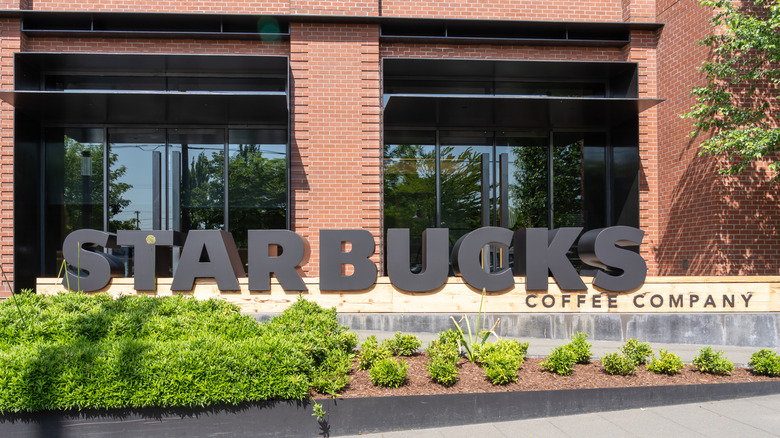
A country as large and as diverse as the U.S. is bound to feature several thriving and trendy coffee hubs, and Seattle, the birthplace of global coffee house chain Starbucks, is recognized by many as the nation's undisputed coffee capital.
Though you can find around 100 Starbucks locations in the Emerald City, it's also home to fixtures like Cafe Allegro, established in 1975 as the first espresso bar; Caffe Vita, which has been offering locally-roasted organic coffee since 1995; and Anchorhead Coffee, whose menu features creative items like the Hey Bae, a hazelnut ube latte.
Seattle is flush with unique and fun concepts for coffeeholics. For instance, Stitch Cafe, located in the artsy and hip Capitol Hill neighborhood, is a crocheting hub that offers workshops and showcases local talents. As for Empire Roasters and Records, it proposes coffee drinks crafted with house-made cashew milk in a multilevel space with a courtyard and a rooftop.
Vancouver, Canada

As the birthplace of Tim Hortons, one of the world's top breakfast chains, Canada is certainly no stranger to coffee culture. The coastal city of Vancouver alone is home to hundreds of coffee shops, many of which are independently owned, while the rest are part of global brands.
Discover the train-themed Timbertrain Coffee Roasters, where items are conveniently labeled "classic" for comforting, familiar coffee drinks; "curious" for fruity and floral concoctions; and "wild" for bolder options. Or, peruse a selection of premium beans, brewing equipment, watches, and books at Revolver's urban chic location. Finally, there are eight different Pallet Coffee Roasters branches for a chance to pair the vastly popular Build-Your-Own breakfast sandwich with your favorite coffee drink.
Beirut, Lebanon
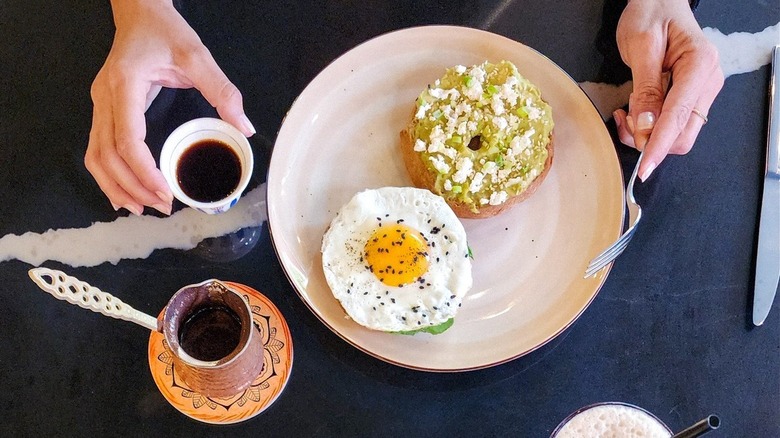
As a Lebanese, I can attest that coffee is deeply rooted in Lebanon's world-famous reputation for hospitality and generosity. Whether in large cities, coastal towns, or mountain villages, tourists encountering locals gathered on their porch over coffee are bound to be offered a free cup, often flavored with cardamom.
Predominantly made from arabica beans, that thick and strong pick-me-up is an essential morning and afternoon ritual among neighbors and families, and it's generally served after big lunches, at business meetings, and even at funerals. Those little porcelain or ceramic coffee cups are typically hand-painted with motifs like flowers, the evil eye, or the national flag, and they're sold in souvenir shops.
For its part, Beirut, the capital city, embodies all these traditions, but on a more international scale. Yes, it's the birthplace of long-standing roasters Café Younes (established in 1935) and Café Najjar (since 1957), but it's also home to many trendy coffee shops. Popular spots include Kalei Coffee, a micro-roastery serving ethically sourced beans in a comfortable, pet-friendly space, and Orenda, a plant-based restaurant and café with a charming garden.
Hanoi, Vietnam
Vietnam is the second-largest producer of coffee after Brazil, and one of the major exporters of robusta beans. The industry took off under French Colonialism in the late 19th century, and today, the main cultivation hub is the lush Central Highlands region, but you can find other farms all over the country.
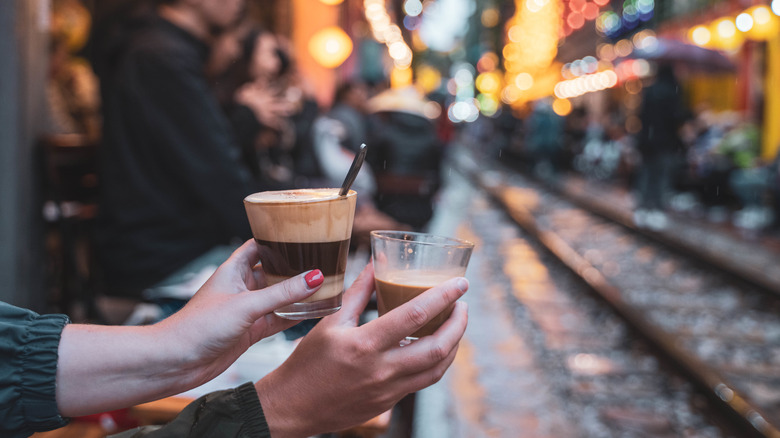
Hanoi, the capital city that attracts millions of tourists, has stepped up as a coffee central in the past few years. Its bustling streets are lined with reasonably priced sidewalk cafes, where locals and visitors alike are typically served their drinks with a side of sunflower seeds. There are various local and national specialties you can try, such as egg coffee, made from a robusta base whisked with yolks, condensed milk, and sugar. You could also ask for a coconut-milk-based coffee, which can be consumed either hot or cold, or the tangy yogurt coffee, which is laced with condensed milk and consumed chilled.
If you'd like a truly unique experience, though, simply find a spot at one of the crowded cafes of Hanoi Train Street and try to sip your drink unfazed while watching trains pass by within mere inches of buildings.
Istanbul, Türkiye
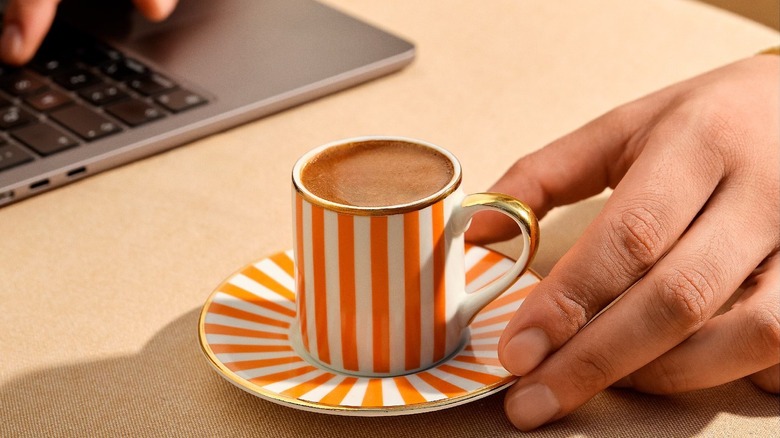
Since the 16th century, coffee houses have been central to social gatherings in Istanbul (Constantinople at the time), now one of Türkiye's most popular tourist destinations. Prepared from finely ground arabica beans in a small, long-handled, and narrow-necked pot called a "cezve," the traditional Turkish coffee is unfiltered, particularly intense, thick, and frothy. It can be served either hot or cold, bitter or sweetened. As for the cezve, it's typically made from brass or copper, but you'll also find stainless steel, enamel, and glass versions.
One of the most illustrious roasters and distributors you can visit in Istanbul is Kurukahveci Mehmet Efendi. Founded in 1871, it was developed from a modest family-owned business that sold spices and coffee in ground form, unlike other shops in the city that only offered green coffee beans. Today, this brand exports its products to more than 55 countries around the world.
Kuala Lumpur, Malaysia
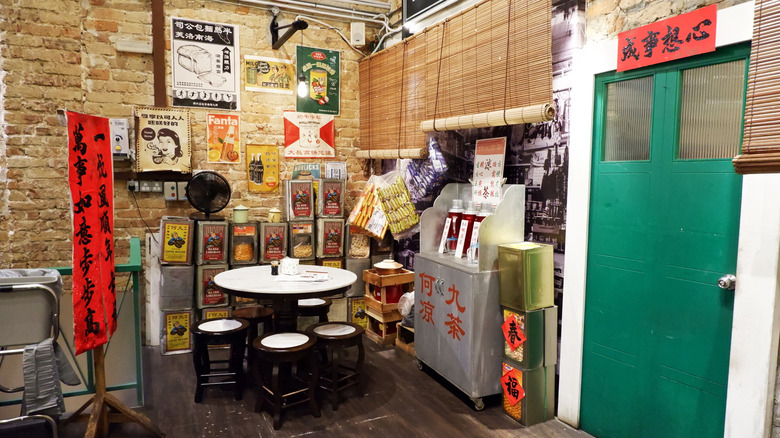
When one thinks of Kuala Lumpur, Malaysia's capital, it's the Petronas Twin Towers, which were the set of the 1999 hit movie "Entrapment," that immediately spring to mind. These skyscrapers may symbolize the modern aspect of that bustling, highly touristic, and diverse city, but they're no less prevalent than the kopitiams, or old-school neighborhood coffee shops. Those welcoming, perpetually busy joints can be found anywhere, from small boroughs to business districts, and they serve thick and rich "kopi" with copious amounts of sugar and condensed milk, alongside hearty Malaysian and Hokkien Chinese dishes. Basically, a kopitiam is the place to be for an affordable, hot, straightforward, and filling breakfast or lunch.
That said, Kuala Lumpur is also home to numerous contemporary concepts, be they global chains or local businesses. VCR Cafe, for instance, suitable for a cozy brunch, has been around since 1927 and is now present in seven locations in the region. It offers espresso-based drinks, filtered and bottled coffee, and daily specials.
Also worthy of a mention is the award-winning Artisan Roastery, where you can shop by brew method, flavor profile, and roast level.
Lyon, France
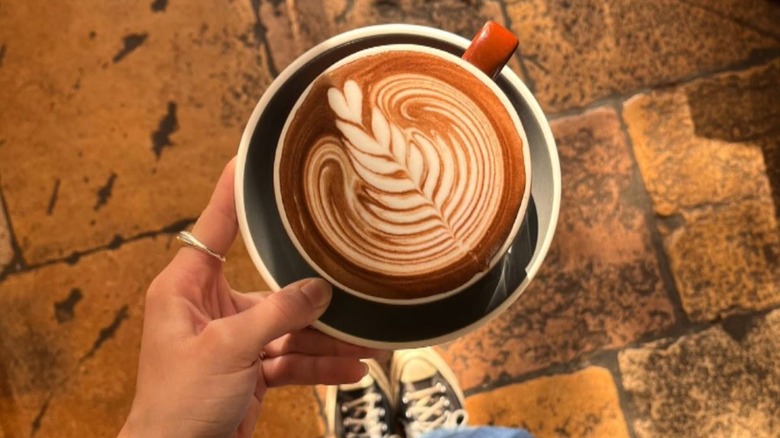
Our cultural coffee trip around the world ends with Lyon, a large city located in east-central France. Widely recognized as the country's foodie capital, it's home to over 4,300 restaurants, with signature dishes like quenelle (veal fat, cream, and pike fish dumplings) and desserts like vacherin, an ice cream cake with meringue or marzipan and candied fruits, and whose richness and sweetness can be complemented (or tempered) by a strong cup of coffee.
It was only a matter of time before Lyon branched out to specialty-grade coffee, with successful chains like Cafe Mokxa. And so, the first major coffee-focused event, the Lyon Coffee Fest, was launched in May 2025: It featured local vendors and roasters, workshops, tastings, and live demonstrations.
As for this historic city's most popular spots for coffeeholics, they include the tiny but brightly lit La Boîte à Café, which offers outdoor seating and Sunday brunch, Slake Coffee House, and Magma Coffee Shop.