

8 Red Flags That Should Send You Running When Buying Bourbon
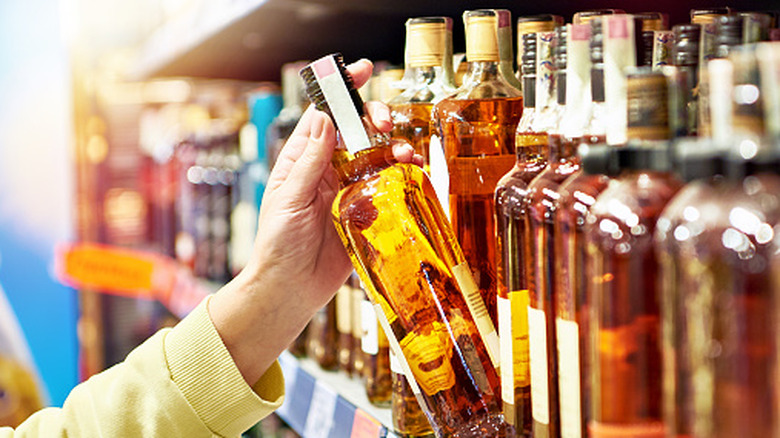
Bourbon whiskey is one of the most carefully regulated spirit categories in the world. I should know — I've been writing about it for more than a decade. Unfortunately, the last 10 years have also seen major changes to the ways bourbon distillers choose to share information about what's in the bottle you're buying.
Ideally, every bottle should answer the question "what's in this?" in a way that inspires confidence instead of raising questions. Some distillers share the details of their mash bill (the ratios of grain used to make their particular mash). You may find bottles where the ratios of bourbons used in a final blend are meticulously described, and you may find single barrel bourbons clearly labeled with the warehouse, floor, row, fill date, and "dump" date for that barrel right on the label.
Unfortunately, what counts as transparency can vary from brand to brand. Bourbon is just one of several categories of American whiskey, and some of the best American whiskeys may be very similar to bourbon but are legally ineligible to put the word "bourbon" on their labels. So some just choose not to. These days, even the labels of some of the best bourbons on the market could raise an eyebrow or two. These days, the best way to protect yourself in a liquor store is proficiency media literacy — the media in question being the labels on bourbon bottles.
Here are some important details that could be considered red flags. At the very least, seeing or not seeing the following things on a label should raise questions before you head to the checkout counter.
A bourbon bottle with no age statement
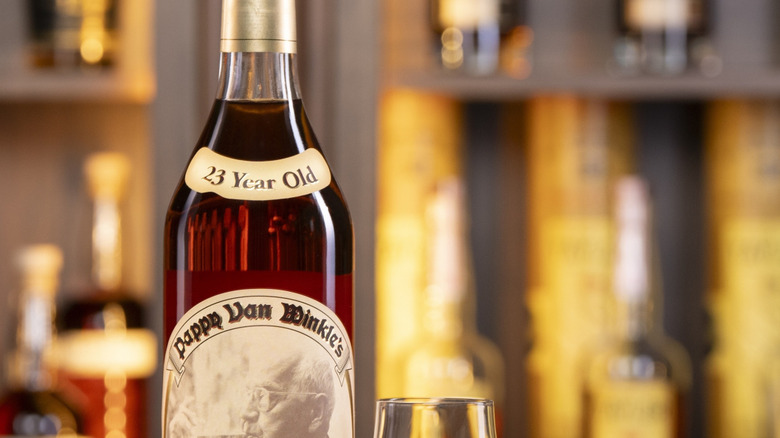
Age statements aren't as important as they were a decade ago, but they're still a great metric for determining the quality of what's inside a bottle — and whether it's worth the price tag. Many of our favorite "beginner" bourbons don't officially list an age on the bottle. That doesn't mean they're bad — just that they likely fit a certain flavor profile.
The master distillers of the world have different opinions on the "best" age for whiskey, there are age ranges where you'll find certain flavors. A bourbon labeled as "straight" must be bottled at a minimum age requirement of two years. Bourbons under five or six years of age can taste more grain forward, with less caramel and more sweetcorn and citrus. Whiskeys between six and 10 will have more of those caramel and brown sugar notes, and more commonly will show notes of chocolate. After 10 years, bourbon develops more pronounced tannins, baking spices, and darker flavors like licorice and coffee.
These aren't hard and fast rules. Age does not directly define quality. Sometimes a 12-year-old bourbon outperforms a bottle twice its age. That's part of the reason that, today, many of the most revered brands are leaving the numbers off the bottle for their high-end releases for good reason. A whiskey blender may want to blend his 20-year-old bourbon with some six-year-old bourbon to add more fruit character. Legally, they would have to label this bottle 6-year-old bourbon. That's a very different situation, though, than a bottle with a $40 price tag and a lot of missing details. So numbers aren't everything, but you should take note if they're missing, too.
A bourbon with a low listed proof or alcohol by volume (ABV) number
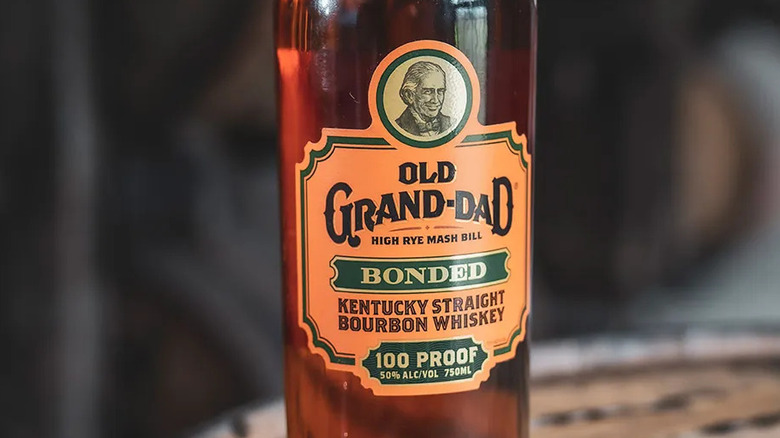
One number that's very important in whiskey is the proof or ABV number — the relative "stength" of the whiskey. While recent years have seen the bourbon industry shift toward cask strengths and high proofs for new releases, the rules set by the Federal Alcohol and Tobacco Tax and Trade Bureau (TTB) allow for a wide range of proof points to be bottled.
There is a minimum requirement, though: bourbon has to be bottled at a minimum proof of 80 (40 percent alcohol by volume).These days, a proof in the 80s is the hallmark of a "well bourbon" — something typically considered "bottom shelf" but certainly still worth your time and money.
If you see a bottle with "bourbon" on the label whose ABV is below 40, keep reading. Chances are there's more than just bourbon in that bottle. Some spirits labeled "flavored bourbons" may come in below that threshold, as well as ready-to-drink cocktails (RTDs) that may be shelved near or next to "real" bourbon.
One green flag to look out for is the appearance the phrase "Bottled in Bond" or "Bonded" on a bourbon label. Bonded whiskeys meet strict production requirements regulated by the federal government. Most importantly, they are required to be bottled at 100 proof.
Bourbon bottles with a reference to being flavored or infused
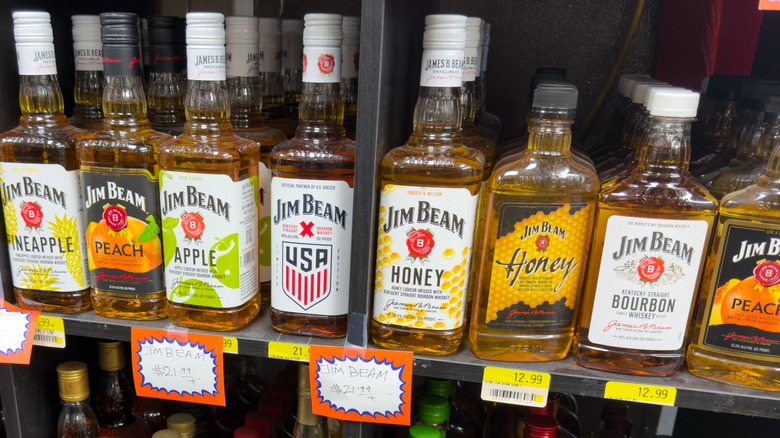
"Flavoring" is a complicated topic in bourbon, because there are effectively two ways to flavor bourbon: either by adding flavor in the form of chemical additives, or by aging the bourbon in a new barrel that has flavors of its own. Bourbon can legally be aged in barrels that once held other spirits, as well as wines, beers, hot sauces, honey, and even maple syrup. These bourbons are typically referred to as "finished." Finished bourbons still meet every requirement for the bourbon name, but may have additional layers of flavor created by additional aging in other types of oak barrels. The main restriction is that the finishing liquid (rum, sherry, port, etc.) may not exceed 2½ percent of the total volume of the final product.
Flavoring and infusing, however, are a very different processes where flavor (often artificial) is added to liquor directly, and it's against the rules to do this with bourbon. While the category of flavored bourbon is ever-changing, there are some telltale signs you can look out for. One of the most common is a low proof, as flavored bourbon typically comes in under the 80 proof minimum required for bourbon.
Don't panic if you do see specific flavors listen on the label, though — bourbon brands often share tasting notes on the backs of bottles, and flavors like chocolate, caramel, cherry, and orange are common terms used by critics and distillers to explain the flavor profile of the bourbon. If, on the other hand, the front label is in the shape of a fruit slice or a berry, that's probably a beverage with added flavor.
A whiskey distilled or produced outside of the U.S. calling itself bourbon
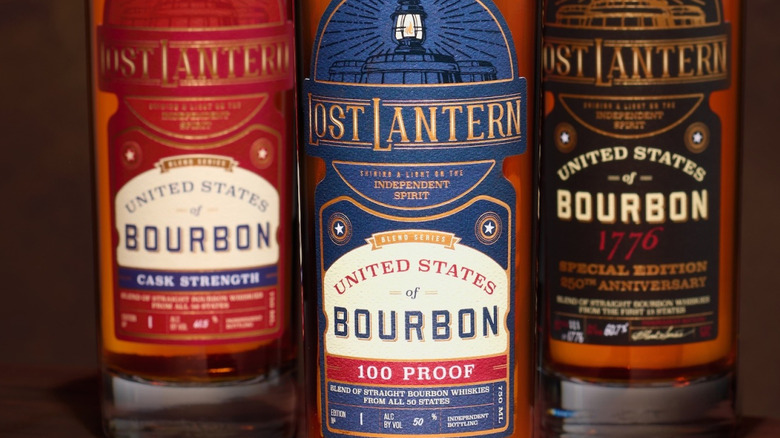
In similar ways to Champagne, laws controlling the bourbon name restrict where it can be made, what can and can't be in the bottle, and when it's allowed to be bottled. For bourbon, that rule limits production to the United States.
Many people mistakenly believe that bourbon has to be made in Kentucky. I can't count the number of times I've watched a bartender or a brand rep try to calmly explain that bourbon is made in all 50 states, legally. Frey Ranch is not breaking any laws in Nevada by making bourbon. In fact, some of the best bourbons on the market right now come from states besides Kentucky.
Occasionally, however, there have been cases where whiskeys made outside the United States sneak past regulatory bureaus with the "B" word on their bottles. The most recent example of this happened just a few years ago. A Crown Royal product originally named "Bourbon Mash" Whisky was successfully imported to the US market. Many consumers were surprised at the time that label has been approved by the TTB, and were less surprised when that approval was later retracted. So while very rare, it can happen.
Vague statements about where the whiskey was bottled instead of distilled
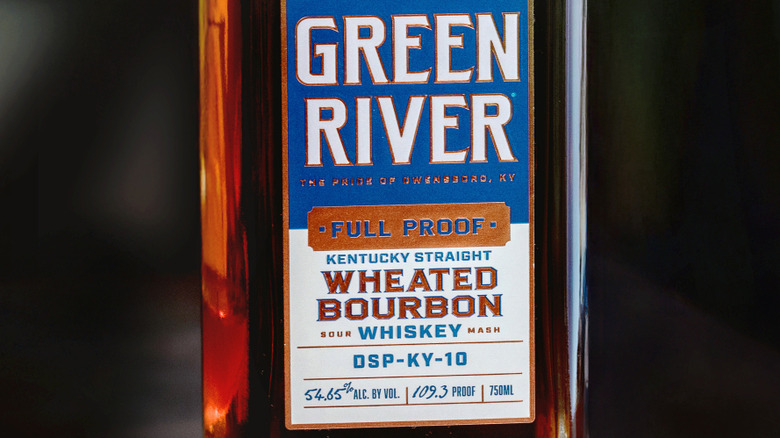
The easiest way to determine the quality of a new bourbon is to connect it back to the distillery where it was made. Legacy bourbon brands like Jim Beam or Wild Turkey come from distilling facilities owned and operated by those brands, and whiskeys will say so, by displaying something called a Distilled Spirits Plant (DSP) number on the bottle, which indicates the licensed distillery that made the liquid. Still, not every bourbon on shelves today will name its distillery.
If you're holding a mysterious bottle and can only find vague references to being "bottled" by its brand or "distilled" in a state, it's because the brand won't (or contractually can't) say who made the whiskey for it. Often called "sourced" or "contract" whiskeys, these brands are doing just that: signing a contract with a source of whiskey to buy it from them before bottling it and selling it to you. Some of the brands doing this make great liquids, but many of theses brands are sourcing their liquid from the same handful of distilleries — distilleries that also sell the same product (or a version of it) at a lower price.
One exception to this rule would be independent bottlers like Lost Lantern, which sources unique casks of American whiskey from distilleries and bottles them as single barrels. Lost Lantern, though, tells you where it got its whiskey — it's the whole brand strategy.
Marketing gimmicks like celebrity names and elaborate packaging
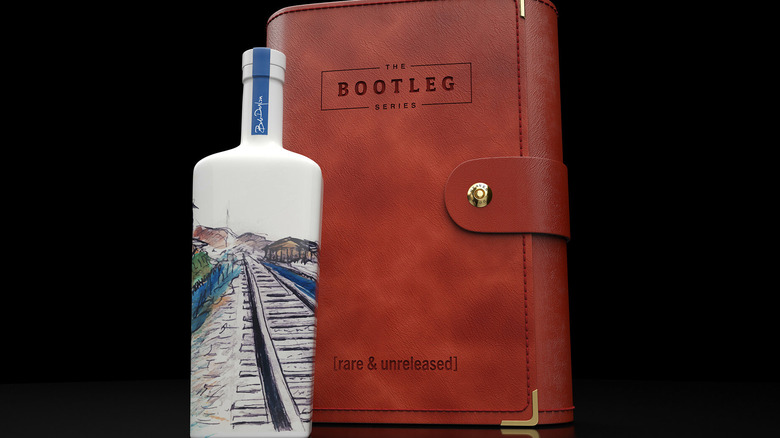
Generally speaking, one of the best ways to save money when buying bourbon is to not get hooked by marketing gimmicks. Bourbon makers are always experimenting and trying new things, but there's a difference between experimenting with the liquid, and experimenting with the packaging. A distillery that is trying to sell you a bottle of a bourbon finished in tequila barrels is very different than a bourbon maker trying to sell you on the bottle itself.
It makes perfect sense why someone would reach for a bottle with their favorite athlete's name on the label, or have a bottle shaped like a shotgun shell catch their eye, but more often than not these sorts of details are nothing more than marketing gimmicks. Don't get me wrong — there are a number of great celebrity bourbon brands doing things the right way. Some celebrities work with a team of experts to create something unique. Bob Dylan's Heaven's Door brand regularly experiments with cask finishes.
Many A-Listers, however, are just dropshipping. More often than not, celebrity bourbon brands are being distilled by an existing distillery, to existing recipes.The same goes for the bottle that looks to be wrapped in a coiled snake. If you like these whiskeys, chances are someone else is putting something similar in another (cheaper) bottle. You won't always be able to find an exact duplicate, but doing some research about dupes could save you money.
Whiskeys being aged exclusively in small barrels
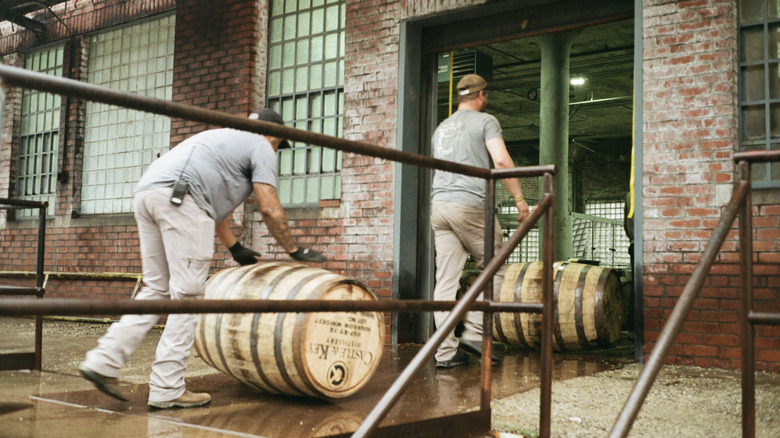
Whiskey aging is, unfortunately, one of the few parts of life where size has been proven to matter, and it's most evident in oak barrels. The majority of bourbon made in the United States ages in a 53-gallon barrel that has been the industry standard for a very long time. The consensus among whiskey makers is that 53 gallons provide the ideal balance — they can be moved with relative ease by one person, they're affordable relative to the value of the whiskey they age, and the ratio of that liquid to the barrel's inner surface area leads to flavors that are balanced and preferable.
Not everybody agrees. Not everyone has the same business model. Extremely small barrels like quarter casks are sometimes employed to "speed up" the aging process by increasing the spirit's surface area contact with wood. This develops certain flavors and dark color quickly, but the results aren't always great.
Think of the bourbon aging process like making a cup of tea. You want to extract the right amount of flavor — too little and it's weak, too much and it's tannic and bitter. Barrel wood does pretty much the same thing for whiskey. It adds flavor over time. So, a quarter or half cask isn't just reducing the size of the cup. It's also increasing the amount of "tea leaves" you're steeping. If the idea of chewing on a handful of tea leaves makes you cringe a bit, now you understand what bad quarter casks do. Is the result always terrible? No. But the whiskey makers who know how to use them are few and far between — and they're definitely not the ones making 2-year-old bourbon for a 2-year-old company. If you hear quarter cask, it's not a sign to put the bottle down, but the brand making a case for them should have a very good reason why.
The bourbon origin story is missing key details
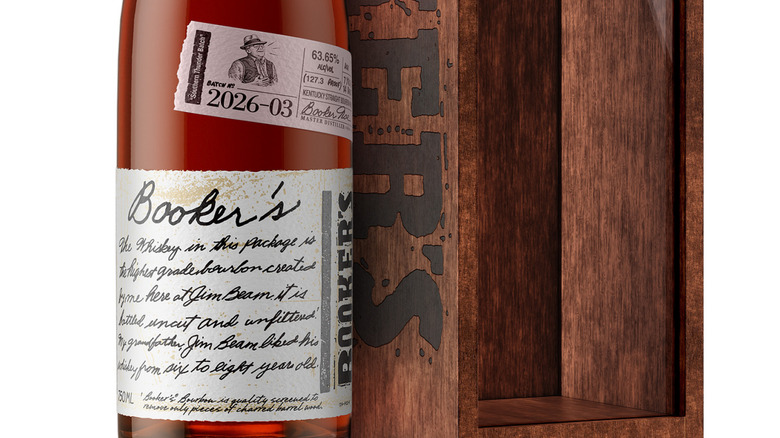
Sometimes you have to trust your instincts about what's not being said. A whiskey bottle with a long story about friendship on the back label is typically standing in for important details about the origin of the whiskey itself. If it feels like the talking points are about the brand and not the whiskey itself, or if you get the sense that you're reading the whiskey equivalent of an English paper written by a student who didn't do the reading, you might want to put it back on the shelf.
A lot of people want to yadda-yadda-yadda over the details that don't paint their brands in a good light. If you're really proud of the bourbon you've brought to market, you should want to tell us as much about it as you possibly can. I get excited when I see new brands talk about how many samples they tasted before they found the one they've bottled, or when a blender slaps a breakdown of their ingredients right on the label. If the story on the back of the label talks about folks bonding over bourbon one night until they later decided to make their own, that's typically when I start scanning for the other red flags on this list.