

14 Oldest Bourbon Brands Still Available In 2026
Bourbon is deeply tied to tradition and history. To love whiskey is to love the stories that come with it. For certain brands, those stories can sometimes stretch back for hundreds of years. That's why we wanted to celebrate those bourbon brands that not only have a great story but are also still alive today. Yet, the reality isn't always as straightforward as it sounds. Some brands disappear for decades before being revived, and others have had multiple changes of ownership. Even brands that stayed strong had to survive through Prohibition. There are also instances here where the names have changed, but the distilleries have remained. We thought they all deserved a mention here.
That complicated history is a part of what makes bourbon so fascinating, and it's a story we'll tell here. As you read on, you won't be getting just a list of dates, but a brief history of the ups and downs these brands faced to get to where they are today. This includes some of the biggest names in bourbon, but also some more modern whiskeys that have become the custodians of a historic brand. Whether continuously produced or carefully resurrected, here you'll see some fascinating insights into the history of bourbon and American distilling as a whole.
1. Michter's (1753)
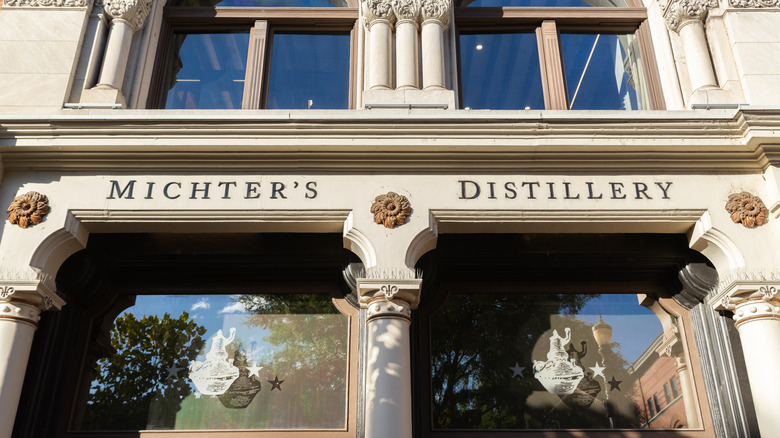
We've organized this list in chronological order and start with a perfect example of how the history of a bourbon brand can be complicated. The company can trace its roots back to 1753 when a Swiss farmer founded a distillery in Pennsylvania. The distillery was originally known as Shenk's. It later became Bomberger's Distillery before eventually adopting the Michter's name during the 1950s.
That was after the distillery had changed ownership a number of times, with the original Pennsylvania distillery closing down in 1989. The brand was then revived in 1997, when a couple of young businessmen decided to file for the abandoned Michter's trademark. The new Michter's started life selling sourced bourbon, but has been creating all of its own product since 2015. So, while Michter's states on its bottle that it was established in 1753, a cynic may point out how the brand name was adopted only in the 1950s and has only been in its current form since '97. Whichever way you look at it, it's an impressive resurrection for a brand that now gets plenty of deserved respect. And as you'll see as we go on, the history of a bourbon brand is rarely uncomplicated.
2. Buffalo Trace (1775)
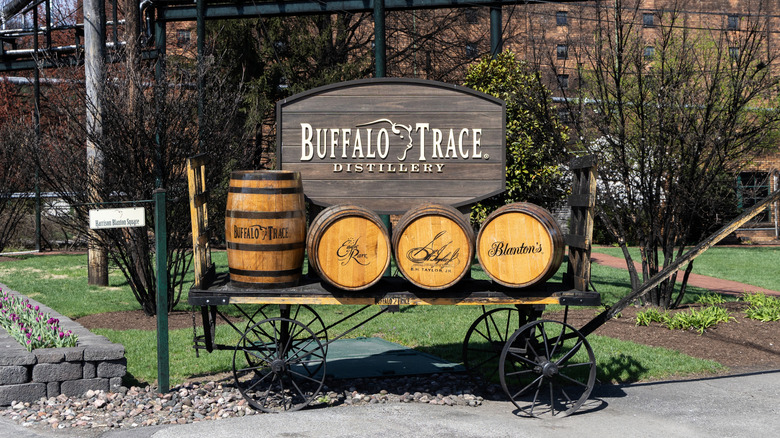
There is nuance in how a brand will consider its age. The brand name of 'Buffalo Trace' is relatively modern, but not the distillery it comes from. In fact, Buffalo Trace is the distillery that has operated nonstop for the longest amount of time. The name may have changed over the years, but its location in Frankfort, Kentucky, hasn't. Whiskey has been made on the site since 1775, with a purpose-built distillery eventually being opened in 1858. Fast-forward 12 years, and it gets taken over by Colonel Edmund Haynes Taylor, Jr., being christened the O. F. C. Distillery.
The distillery was expanded and changed names in 1904 to the George T. Stagg Distillery. Any keen bourbon fan will know that these names still form a core part of the expressions created in the Buffalo Trace Distillery. It got its final aforementioned name in 1999 and, thus, the new brand was born. As you'll read here, sometimes a company will revive an old brand name, but the distillery itself is quite modern. Buffalo Trace is the opposite. It's a name that has only been around since just before the new millennium, but it's one with an incredible depth of history. One that has survived fires, Prohibition, and dips in bourbon demand.
3. Jim Beam (1795)
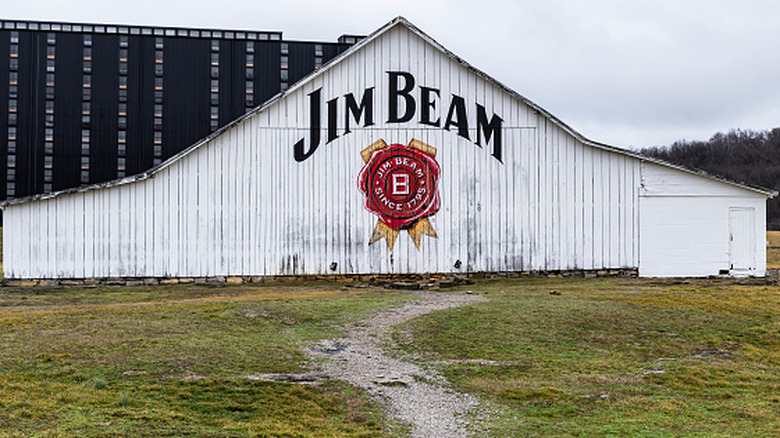
Jim Beam is another company that, aside from Prohibition, has been in continuous existence in one form or another since its inception. The story goes back to 1795 when Jacob Beam sold his first barrel of whiskey in Kentucky. Back then, it was sold as "Old Jake Beam" instead of the name we know it by today. Over the following generations, the family would become deeply tied to the industry, with Jacob's descendants not only going to carry on the work at the distillery but also creating their own brands, as you'll read about soon.
For a long time, the whiskey was sold as "Old Tub," as it was when James Beauregard Beam took over the distillery in 1894. Then came Prohibition, and the distillery had to halt production for 13 years. Once repealed, James (aka Jim Beam) rebuilt the distillery but lost the rights to use the "Old Tub" name (although the company has since won it back) and therefore called his whiskey Colonel James B. Beam Bourbon. Soon after, and with the aid of his son T. Jeremiah, the whiskey was sold as Jim Beam from 1935. Today, the brand remains one of the most iconic in bourbon. It's another example of how, while the brand name itself may not be incredibly old, the history behind it certainly is.
4. Old Crow (1835)
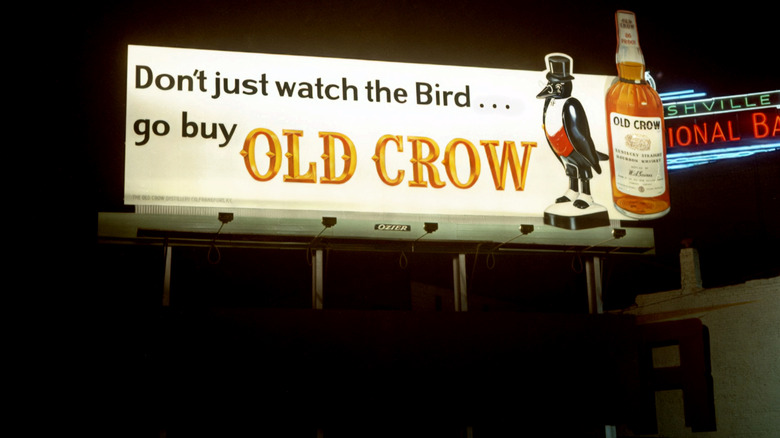
Old Tub isn't the only name that Jim Beam has brought back from bourbon oblivion. Old Crow used to be one of the most famous brands in America, long before the giants that dominate the shelves today. Its history can be traced back to the 1830s and a Scottish chemist called Dr. James C. Crow. He played an important role in refining the sour mash process, a technique that has become a cornerstone of modern-day bourbon. He used his scientific background to show that standardizing the process can lead to a more consistent and high-quality product.
The bourbon moved distilleries a few times, including being made at the Old Oscar Pepper Distillery, which has evolved into the modern-day Woodford Reserve distillery. The brand name changed hands a few times following Crow's death until it came to a halt during Prohibition. After it was repealed, it was bought by National Distillers in 1934. It started a huge revival for Old Crow, but eventually the company changed the recipe, sales declined, and it was sold to James B. Beam Distilling Co. in 1987. The old distillery was abandoned, but Jim Beam continued the brand, using whiskey it makes on site. While the company that created it may be long gone, the bourbon still carries one of the most historic names in American whiskey.
5. Weller (1849)
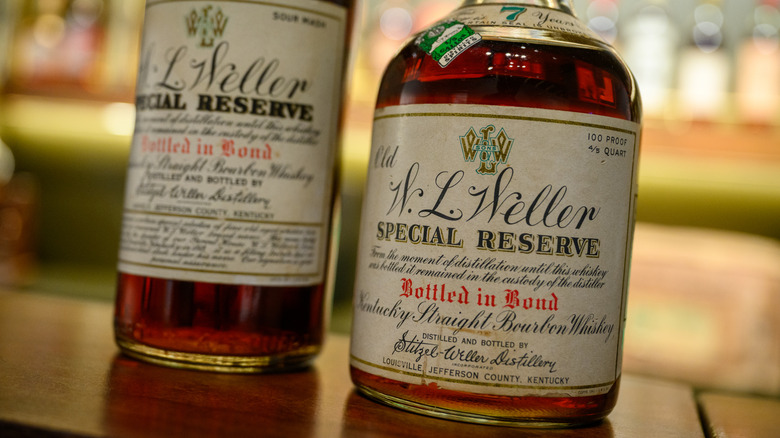
A historic bourbon brand now produced by an industry giant? Yeah, it's a familiar story. In this instance, Weller is now produced at the Buffalo Trace Distillery. The journey it took to that point is fascinating. The brand is named after William Larue Weller, a Louisville whiskey merchant often credited with helping popularize wheated bourbon. It was the use of wheated bourbon that seems to have influenced a certain Julian "Pappy" Van Winkle, who became an employee of W.L. Weller & Sons in 1893.
Van Winkle and his partner eventually purchased the company in 1908 after the passing of Weller, and after a merger, the brand came under the Stitzel-Weller Distillery, which opened in 1935 and continued producing the wheated bourbon until 1972, when it was sold to Norton Simon. As with many of these brands, its status begins to get muddy and involves several sales. Brands often get sold as part of larger deals and can sometimes become afterthoughts. The brand drifted along until 1999, when the Sazerac Company (which owns Buffalo Trace) acquired it, and production was moved to its distillery, where it still prospers today.
6. Henry McKenna (1855)
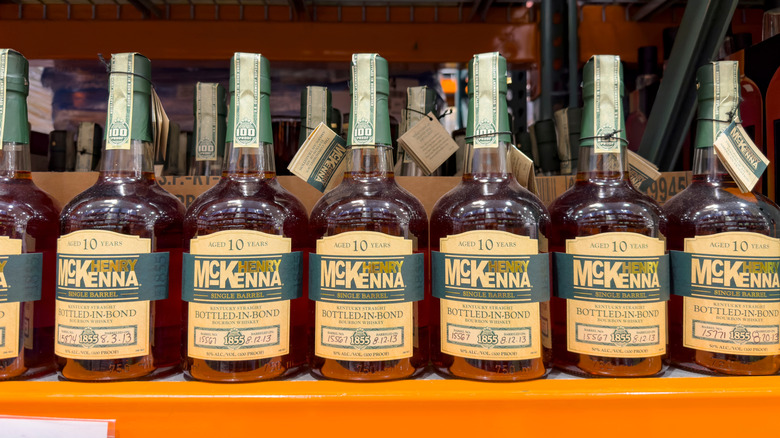
A historic brand now produced by an industry giant? Wait, we've already done that bit. The history of this brand is the history of the man himself. Henry McKenna was born in Ireland before eventually moving to Kentucky. In 1855, he started making his own whiskey. While production levels were modest, he built up a reputation for selling a high-quality product. He gradually built his distillery over time, increasing production while also committing to only selling whiskey that was at least 3 years old.
McKenna died in 1893 and left a legacy of integrity. His sons would continue his good work, including surviving through Prohibition. That was until 1941, when the distillery was sold to Joseph E. Seagram & Sons, which remained a custodian of the brand until the 80s, when it was sold to Heaven Hill. It seems quite fitting that on the modern-day Henry McKenna bottle are several indicators of quality, given how it's a single-barrel, bottled-in-bond bourbon that has been aged for 10 years. It's fitting for a whiskey named after a man who helped to push forward the standards of bourbon.
7. Early Times (1860)
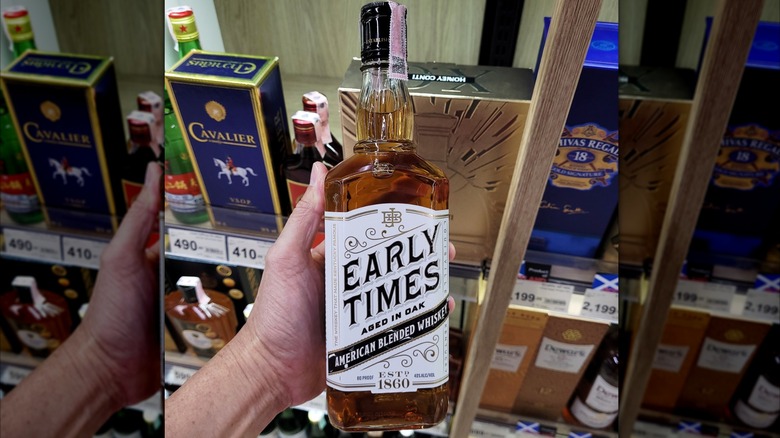
It seems like an apt name, given the brand's age, but the name of Early Times was originally used in homage to a traditional way of making whiskey. I mentioned earlier how the Beam family became deeply tied to the industry, and this is another example. Founded by Jack Beam (uncle of Jim), it became a highly valued bourbon brand and continued being made at its own distillery in Nelson County until that familiar foe of Prohibition came around. It caused the distillery to shut down, and the remaining stocks and brand name were sold to Brown-Forman, one of the few companies that was permitted to sell medicinal whiskey.
As of 1953, it was America's highest-selling bourbon, but Brown-Forman then purchased another iconic brand in the form of Jack Daniel's. It seems as though the distillery gradually lost focus on Early Times. So much so that it ceased to even meet the legal definition of bourbon in the United States. Later attempts to bring the brand back to its former glory didn't quite work until Sazerac stepped in and purchased the brand in 2020. It moved production to its Barton 1792 Distillery, meaning the whiskey was once again made in Nelson County.
8. Old Forester (1870)
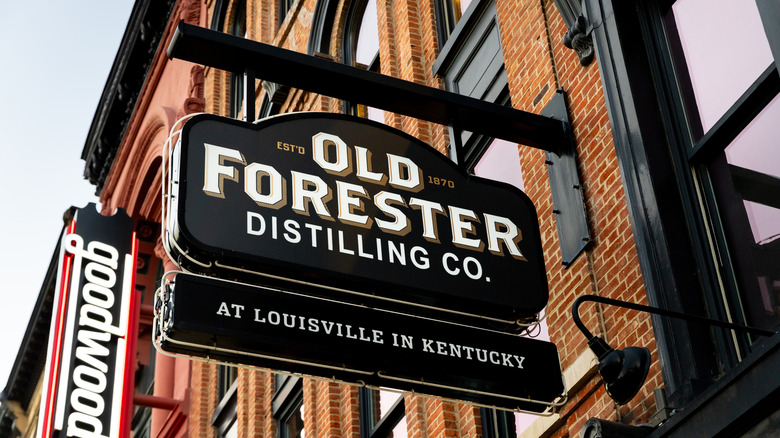
You've already seen several examples of how the history of a brand name can be complicated. In contrast, Old Forester probably has the most straightforward history here. That is shown by it being the oldest bourbon brand that has stayed continually in use without disappearing or being revived. It's an incredibly influential brand, with several unique firsts, such as being the first bourbon sold in sealed glass bottles. The story started back in 1870 when it was created by George Garvin Brown. He was another pioneer who helped push standards forward to ensure that customers got a more consistent and trustworthy product.
In 1890, he partnered with a man called George Forman, and if you've connected the dots, you may have worked out that the company became the same Brown-Forman that purchased Early Times. It's perhaps its approach to quality that led to Old Forester claiming one of the licenses to be sold through Prohibition. The brand has continued to be a pioneer, such as creating industrial-strength alcohol to help the World War II effort and creating the first single-barrel bourbon. That innovation has carried all the way through to the modern day, where it now has a range of expressions, with many paying homage to key dates in the history of bourbon. A history that the brand has been an integral part of.
9. Yellowstone Bourbon (1872)
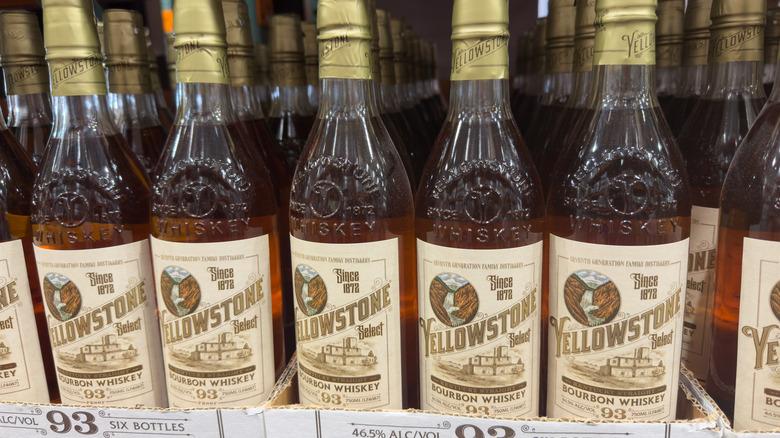
We move from a storied history to another one that has the commonly seen ups and downs. The brand was first introduced in the 1870s by J.B. Dant and J.T. Williams. The name of the brand has nothing to do with where it was created. Instead, it took the name as the Yellowstone National Park had only recently been declared the nation's first national park. Fast-forward to 1944, and it was bought by the Glenmore Distillery Company. Under its stewardship, Yellowstone became one of Kentucky's best-selling bourbons in the 1960s.
Its fortunes started to change during the downturn of American whiskey in the 1970s and '80s. After a few changes of ownership, the brand was made with sourced whiskey, losing much of its appeal. In came the Beam family again. Brothers Paul and Stephen revived the brand in 2015 through their Limestone Branch Distillery and a partnership with Luxco. It has been a successful reintroduction with the brand producing high-quality bourbon. The brand changed ownership once again in 2021 when it was purchased by MGP Ingredients, but it's still producing impressive whiskey, backed by over 150 years of history.
10. I.W. Harper (1879)
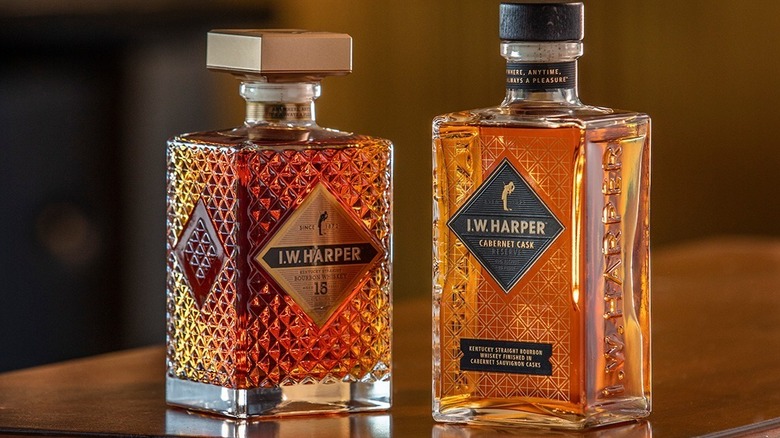
I.W. Harper was once one of the biggest bourbon names in the world. The whiskey was first distributed by German immigrant Isaac Wolfe Bernheim in 1879. He named the whiskey using his first two initials and the surname of his friend, Frank Harper. In 2005, Heaven Hill would name their new Bernheim Original whiskey after the man himself. As for I.W. Harper, the brand was eventually sold to Schenley Industries in 1937, which continued its success.
I.W. Harper built a strong reputation both across the United States and overseas, becoming particularly popular in export markets. In 1987, it was bought by United Distillers, which eventually became a part of Diageo. That international reach became especially important in the later decades of the 20th century as the whiskey became mainly absent from the American market. In 1999, Heaven Hill would buy the Bernheim Distillery from Diageo, but crucially, Diageo retained ownership of the brand itself. In the 21st century, Diageo has managed to revive the brand to a point where it now has good accessibility, with a range of impressive expressions.
11. Kentucky Owl (1879)
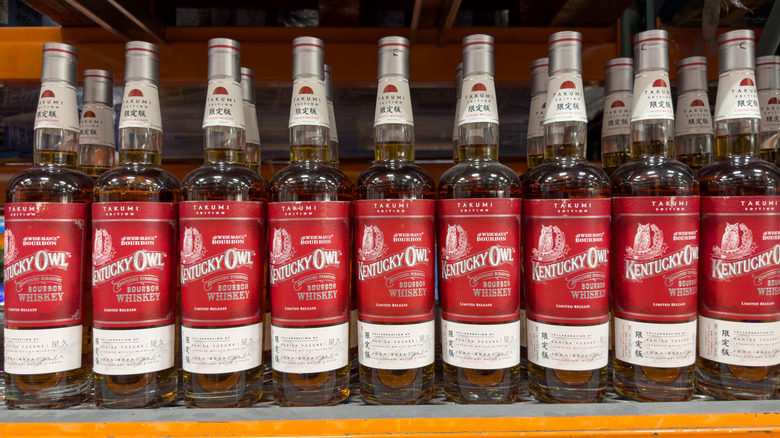
Kentucky Owl is one of bourbon's most notable revival stories, while facing current-day challenges. The brand was originally founded in 1879 by Charles Mortimer Dedman in Kentucky, where it built a reputation as a respected local whiskey during the late 1800s and early 1900s. It was yet another brand that was unable to survive Prohibition, and no one elected to pick up the brand, as happened to others here.
Instead, it took the great, great-grandson of its founder to revive Kentucky Owl. Dixon Dedman did that in 2014 and took time to create a premium small-batch bourbon brand. It didn't take long for investors to take notice, and this led to its acquisition by Stoli Group in 2017. Dixon left the brand in 2021, and perhaps his input was needed, as the group has seen significant financial distress since, filing for bankruptcy in 2024. It has avoided liquidation, but the brand is now in the hands of trustees. Many of the brands here have a tumultuous history. Kentucky Owl has a tumultuous present.
12. Old Grand-Dad (1882)
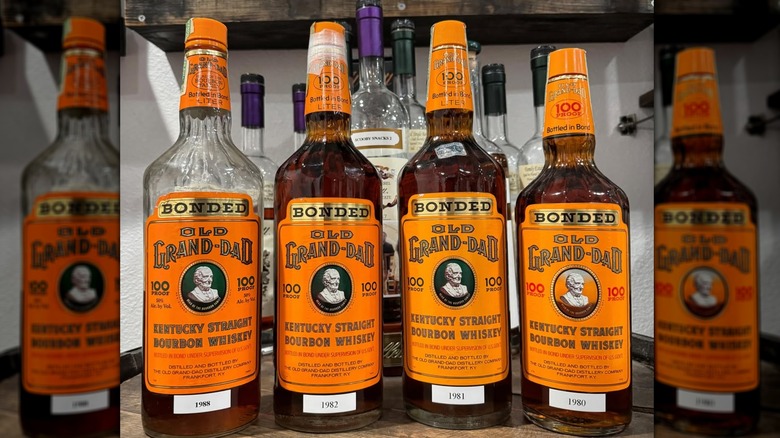
Raymond B. Hayden created this bourbon in 1882. If that name sounds familiar, the whiskey was named in honor of his granddad, Basil Hayden Sr. Jim Beam would later create the impressive Basil Hayden whiskey in 1992, with the company now owning both brands. Basil Hayden Sr. had created a reputation for using a high rye content in his recipes. That continued with Old Grand-Dad, and the current version has stayed true to that vision.
It was sold in 1899 to the Wathen family, which eventually evolved into National Distillers. After Prohibition, it became one of America's most notable high rye bourbons before being sold to Fortune Brands (then called American Brands) in 1987. As its owner, this meant the brand came under the Jim Beam portfolio, where it has stayed ever since, even though Jim Beam itself has since been purchased by Suntory. There have been quite a few iterations over the years, with a range of expressions now available, including the Old Grand-Dad 7-year, which was released in 2025.
13. Four Roses (1888)
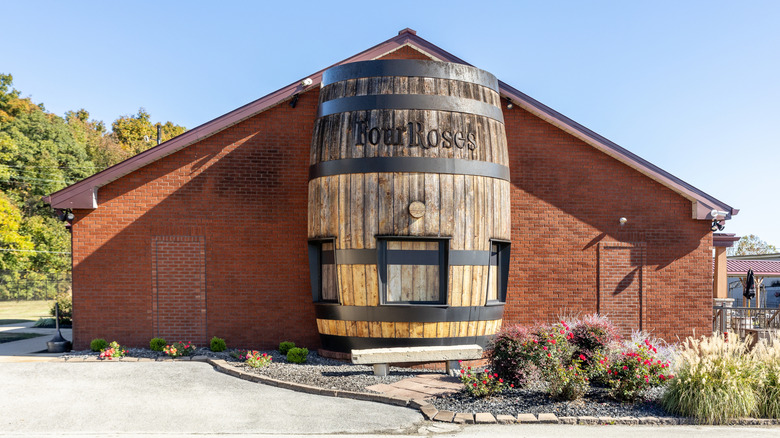
As we've seen, many brands have an intriguing history, with Four Roses being one of the best examples. The brand was established back in 1888, and the name comes from the love interest of founder Paul Jones Jr., who wore a corsage of four red roses to a grand ball the two attended. It was a romantic start to a story that has been full of ups and downs. Unlike others here that struggled through Prohibition, Four Roses stayed strong, as it was another that could sell whiskey for medicinal purposes.
Importantly, this gave the brand a head start when Prohibition was repealed, allowing it to quickly become one of the top-selling bourbons. It was then that the brand had an extraordinary act of self-sabotage. With owner Seagram seemingly wishing to push its own whiskey, Four Roses straight bourbon was taken off the shelves and replaced with an inferior blended version. The straight bourbon was still sold in Japan and Europe, which is perhaps why the Japanese Kirin Brewery Company decided to eventually take ownership. Since then, the brand has rebuilt its reputation with an impressive range of whiskeys. It remains a fascinating brand and one that has endured since 1888.
14. Old Fitzgerald (1889)
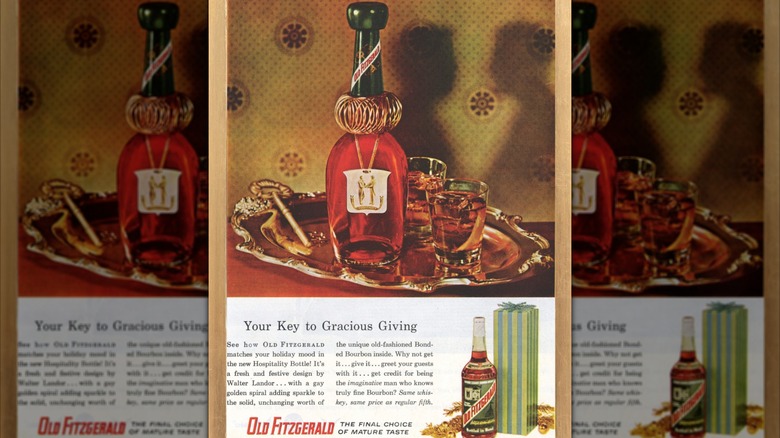
We end with another example of how dates are often not clear-cut. The distillery that created Old Fitzgerald was built in 1867, and by 1870, a whiskey called JNO. E. Fitzgerald was on the market. Old Fitzgerald became a registered trademark in 1884 before eventually hitting the market in 1889. Its story then becomes intertwined with another brand we've looked at here: Weller. Julian "Pappy" Van Winkle bought the brand in the 1930s, and it then became a flagship brand for the aforementioned Stitzel-Weller Distillery.
In the '50s, the famous diamond decanter bottle was introduced, helping to establish it as one of America's premium bourbon brands. It was sold in 1972 in the same deal that saw Weller passed to Norton Simon. After ownership changes, Stitzel-Weller stopped producing Old Fitzgerald bourbon when it was shut down in 1992. Production then moved to the Bernheim Distillery in Louisville, which was bought by Heaven Hill in 1999. It now forms a core part of the offerings from the distillery, with a 7-year bottle available alongside its decanter series.