

11 Meals You Probably Ate In The '50s If You Were Middle Class
The 1950s were a booming time for Americans. World War II had just ended and the economy was doing great. People were having more babies than ever before — hence the name, baby boomers. And food, which had previously been in short supply, was now widely available. The average middle class kitchen was changing, too. With the popularity of processed canned foods, and all-electric kitchens with freezers and small appliances like blenders and mixers, convenient meals could be prepared more quickly.
Convenience cooking took America by storm. At home, middle class Americans prepared simple, affordable, and creative dishes. Meat-stuffed casseroles, beef-centric recipes, sweet and savory loaves, and elaborate Jell-O molds filled with salty ingredients ruled the dinner table. And on days when mom didn't feel like cooking, she'd pop a few TV dinners in the oven. American diets have come a long way since then, but if you lived in the '50s, here are meals you probably ate if you were middle class.
Beef stroganoff
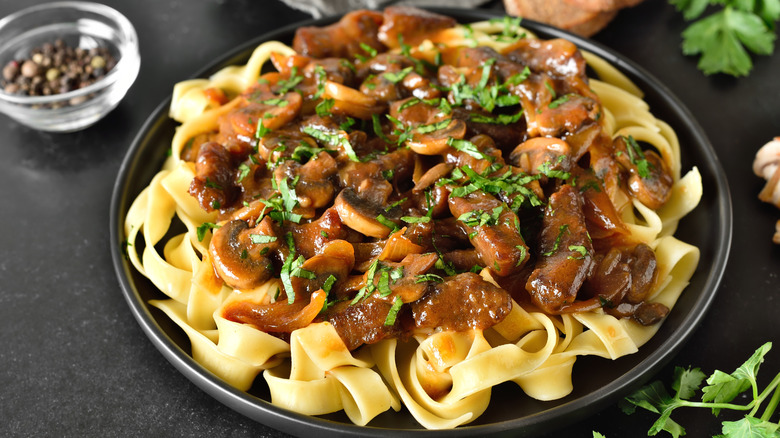
Beef stroganoff is a dish that most wouldn't consider fancy by today's standards. After all, low-quality, boxed versions of it are easy to find at grocery stores. However, during the 1950s, beef stroganoff had a hold on Boomers, and was typically reserved for special occasions. The dish, which consists of tender cuts of sautéed beef and mushrooms in a rich sour cream and mustard-based sauce, was prized due to the fact that it contained beef, an extremely popular protein that was in short supply during World War II.
A traditional recipe from those days would involve fresh ingredients, such as beef tenderloin or sirloin steak, and sliced mushrooms. Recipes that used canned mushrooms, and even canned tomato soup, were common, too. Rock Hudson, a famous American and television actor from the era, would use canned tomato paste in his signature recipe. Beef stroganoff was mostly served atop egg noodles, but people would enjoy it with rice, as well.
Frankfurter cornbread shortcake
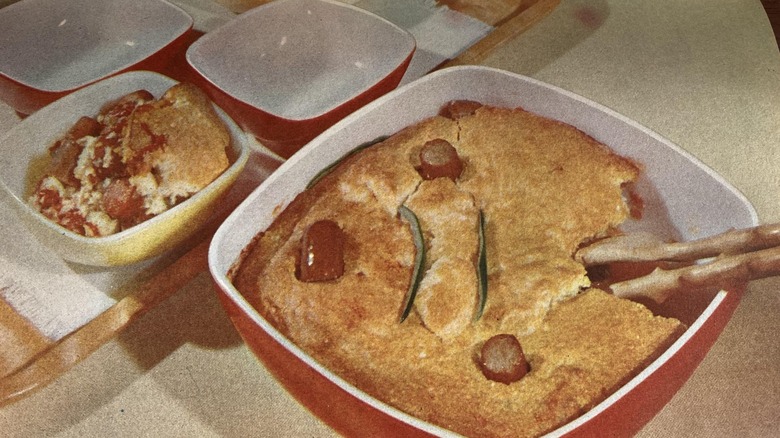
Three words you've probably never heard in the same sentence are frankfurter, cornbread, and shortcake. But, believe it or not, frankfurter cornbread shortcake is a casserole that middle class people used to eat in the 1950s. In those days, of course, it was all about convenience cooking, and according to The Prize Pyrex Recipes cookbook from 1953, this dish was not only tasty, but it was inexpensive. It basically consisted of browned hot dogs and chopped veggies submerged in cornbread mix, garnished with more sliced hot dogs. Toss all of that into an oven, and voila!
It was sweet, savory, and despite its oddball name, actually sounds like it could be pretty delicious, especially if you're into corndogs. We couldn't dig up much more information on it, but it's one of several hot dog-stuffed recipes that was around back then, along with frankfurters and corn casserole, skinless frankfurter pie, and the infamous jellied bouillon with frankfurters.
Fish sticks
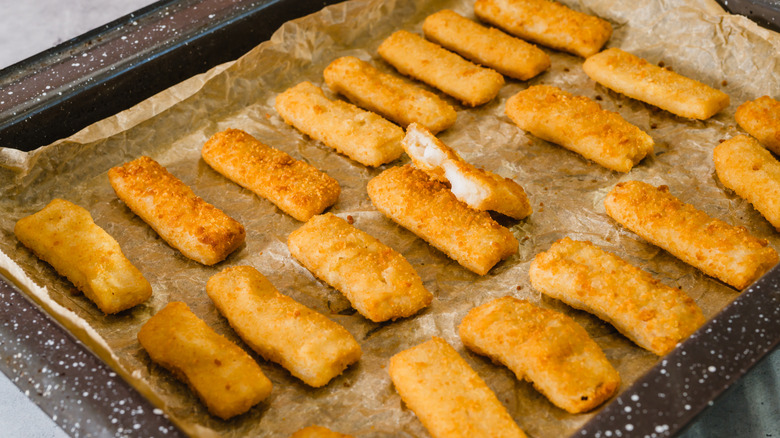
Nowadays, fish sticks are often associated with kids meals or school cafeteria lunches. However, they were one of the hottest new convenience foods during the 1950s. Clarence Birdseye invented fish sticks in 1953 for his frozen foods company, Birds Eye, which advertised them as having, "no bones, no waste, no smell, no fuss." Housewives naturally found the convenience and affordable price of fish sticks appealing. They were often prepared alongside other middle class staples, like mashed potatoes or incorporated into casseroles.
Fish stick casserole was actually a thing. According to a recipe from 1958, it consisted of minced veggies and rice smothered with tomato sauce and topped with fish sticks. Aside from casserole, people prepared fish sticks in many ways. Some other recipes include Kraft's cheesy fish sticks drizzled with processed cheese, Stickwiches from a 1956 Birds Eye advertisement, which was basically just a fish stick sandwich, and a 1955 Hunt's recipe that drenched fish sticks in tomato sauce.
Veal cutlets
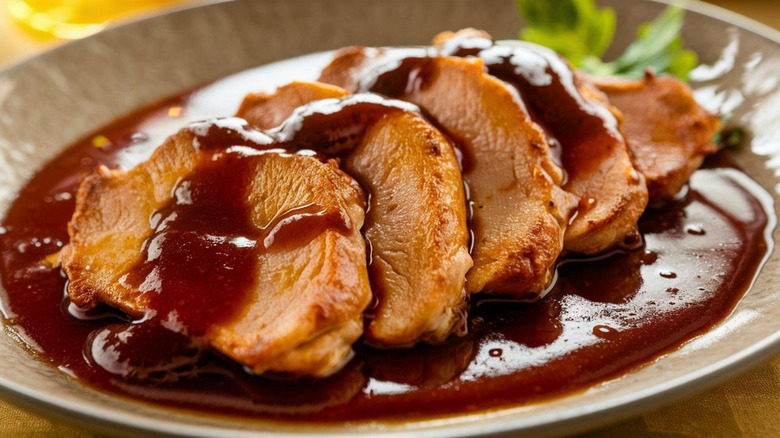
There are some foods from mid-century America that many people today would think twice about eating. Veal is one of those foods. To paint a picture of how popular it once was, the average American ate four pounds a year on average in the 1950s. However, the HFA's National Veal boycott of the 1980s, which was one of the biggest animal rights boycotts in American history, successfully removed veal from many of our dinner plates. This was the 1950s, though, before we knew what we know now.
It's worth noting that while veal was widely available, chicken was considered a luxury food. That's why so many '50s veal recipes exist. From veal roast, a dish that housewives would prepare on weekdays and special occasions, to braised veal hearts, veal scalloppine marsala, and chicken piccata, the veal dish that Martha Stewert loved during her modeling days. The multitude of methods for cooking veal cutlets still exist today, but the meat has far outlived its hayday.
Croquettes
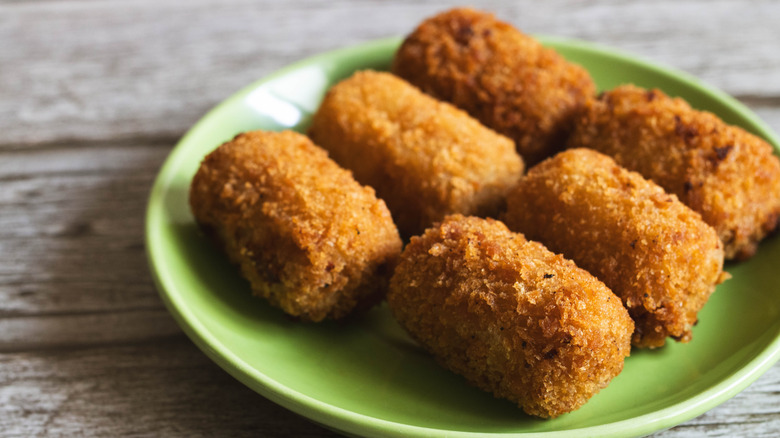
A dish that you might've found waiting for you at the dinner table in the 1950s was croquettes, which could've been made from various proteins, including chicken, turkey, or salmon. The basic recipe includes shredded meat that's blended with seasoning and beaten egg, then coated with bread crumbs and fried. Making croquettes was a great way to use leftover meat, because you could customize it with your own blend of seasonings and ingredients. The chicken croquette recipe from a best-selling cookbook of the 1950s, the "Better Homes & Gardens" cookbook, blends the meat with salt, pepper, paprika, celery salt, minced parsley, lemon juice, grated onion, and white sauce.
As we previously mentioned, chicken was considered somewhat of a delicacy in those days. So, for many people, salmon croquettes were actually more affordable to make. One way they might enjoy it is with a simple from-scratch remoulade sauce made of mayonnaise, sour cream, Dijon mustard, pickle relish, black pepper, paprika, and fresh herbs. Aside from these fillings, croquettes could've been made with lamb, roast beef, or veal.
Ham loaf
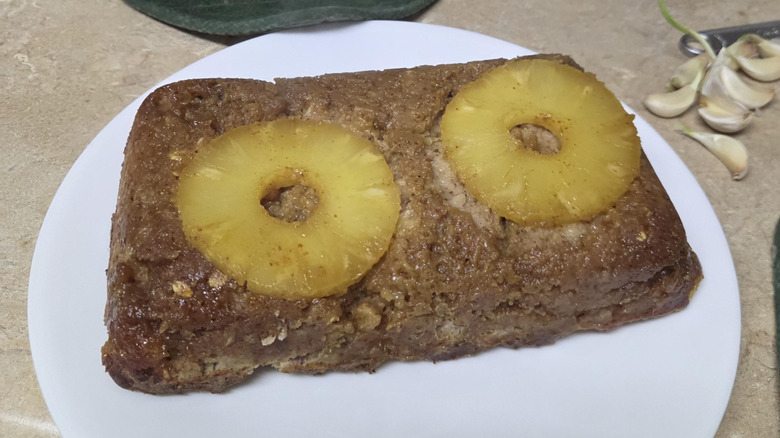
The ham loaf was considered an easy weeknight dinner because it did not require any seasoning or expensive ingredients. It consisted of shredded ham, blended with crackers, ketchup, milk, brown sugar, and yellow mustard, and was basted with a barbecue-style sauce. Basically, it was the ham version of classic meatloaf, which was one of the most popular meat dishes from the 1950s. Aside from the simplicity of both dishes, they were cost-effective ways to use leftover meat that housewives would customize however they liked. Sometimes, people would use pineapple rings as a garnish.
Ham loaf might've been eaten with potatoes, garden peas and onion rings, pickled beets, spiced peaches, or dinner rolls. Meatloaf sandwiches were a thing back then, so there's a good chance people ate ham loaf sandwiches, too. This Campbell's ham loaf recipe came out in the '60s, but it's still a good way to experience how mid-century Americans enjoyed this bygone dish.
Hamburger pie
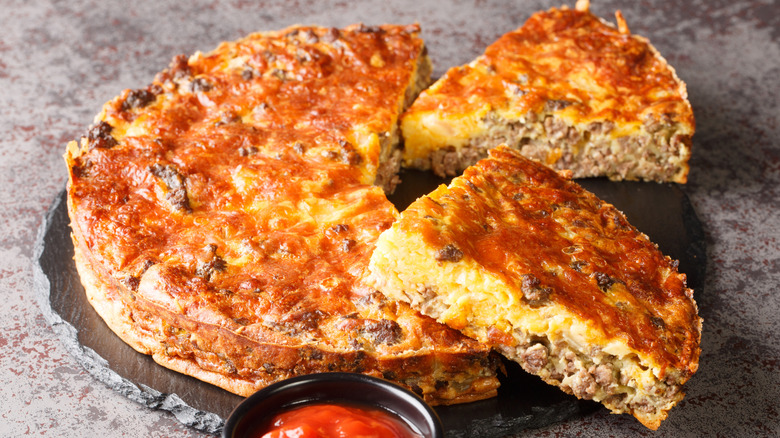
You've heard of hamburgers, cheeseburgers, bacon-topped burgers, and have surely seen burgers with a gratuitous number of toppings on them. But, have you ever heard of hamburger pie? Also known as a meat pie and meat crust pie, this 1950s comfort food was the perfect filling dish for dinnertime in middle class households. It was simple to make, composed of easily accessible ingredients, and could feed a lot of people.
Betty Crocker cookbooks introduced lots of mid-century Americans to hamburger pie. One of its many recipes contained ground beef, chopped veggies, and tomato soup baked inside of a Bisquick pie crust. As an option, you could serve it with vegetable sauce, which consisted of melted butter, flour, soup stock, and chopped carrots, peas, and parsley. But, there were other variations, too, such as hamburger onion pie with eggs and cottage cheese, and a 1954 version with canned green beans and mashed potatoes baked in.
Frosted loaf sandwich
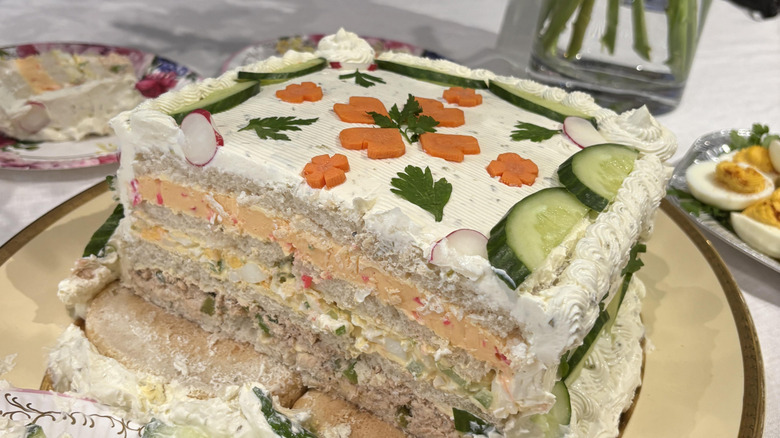
What mid-century Americans once considered creative cooking, we'd probably call strange. One example is the forgotten 1950s sandwich that was frosted like a cake. It was called the frosted loaf sandwich, or sandwich cake, and it was a pretty complex recipe. You'd first have to prepare the various meat fillings, which might've included ham-pickle, chicken salad, or curried egg. Next, you would need to remove the crust from a loaf of bread then cut it into even-sized rectangular slices, make sandwiches from the fillings and bread, and then create stacked sandwich layers.
There were a bunch of other steps, but to finish it off, you basically covered the whole cake with a cream cheese blend, and garnished it with the ingredients of your choice. We skipped over a few things, and there are certainly different ways to go about it, but you get the general idea. These savory, decorative cakes were commonly served at baby showers as show-stopping centerpieces. And, while we might consider them unusual, and even unhealthy, they were extremely popular at the time.
Chicken pot pie
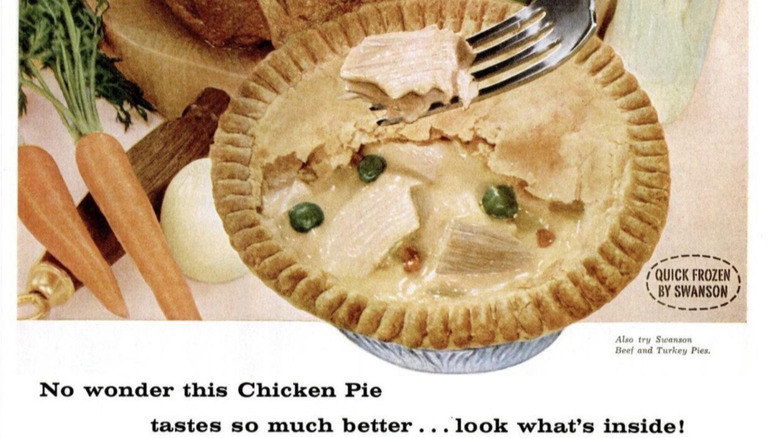
If there is any food that encapsulates the concept of cheap eating in the 1950s, its frozen chicken pot pie. The brand most known for the first pot pie ever, which arrived in 1951, is Swanson. This enduring brand also invented TV dinners, and it can still be found in the frozen section at your local grocery store. That said, others credit a woman named Virginia Watjen of the now-defunct Morton company with inventing frozen chicken pot pies. Whichever backstory is true, one thing for sure is that it was a mid-century American food staple.
Frozen chicken pot pies weren't just affordable, they were the perfect after school lunch, meal while watching the latest episode of Leave It To Beaver, and dinner on days when mothers would rather take it easy. Unlike today's frozen pot pies, people say that the pot pies back then were larger and had more filling for a fraction of today's price.
TV Dinners
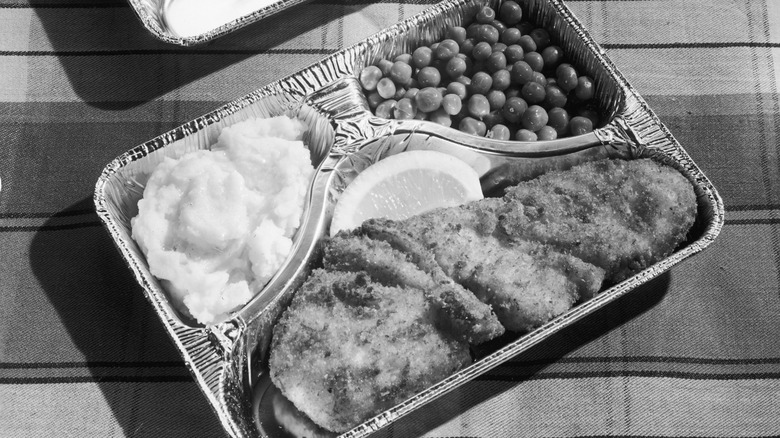
TV dinners were arguably the single-biggest food trend of the '50s. To give you an idea of their popularity, in 1955 alone, Americans purchased over 70 million frozen TV dinners, a number that more than tripled by the '60s. Swanson introduced TV dinners in 1954, though soon after, other brands like Banquet Foods and Morton Frozen Foods would also become popular. Convenient and affordable, TV dinners were an immediate hit among middle class Americans.
Another contributing factor to their popularity was the growing number of women in the workforce, a trend that had begun during World War II, but had continued into the '50s as the idea of the suburban housewife became less appealing. As a result, TV dinners increasingly replaced traditional home cooked meals. It was presumably too hard to compete with a 25-minute cook time, which made Swanson the target of frustrated husbands who accused it of influencing their wives to cook less.
Jell-O salads
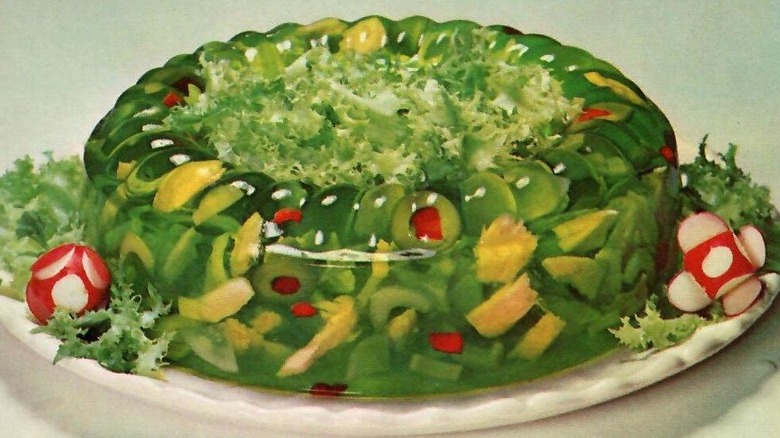
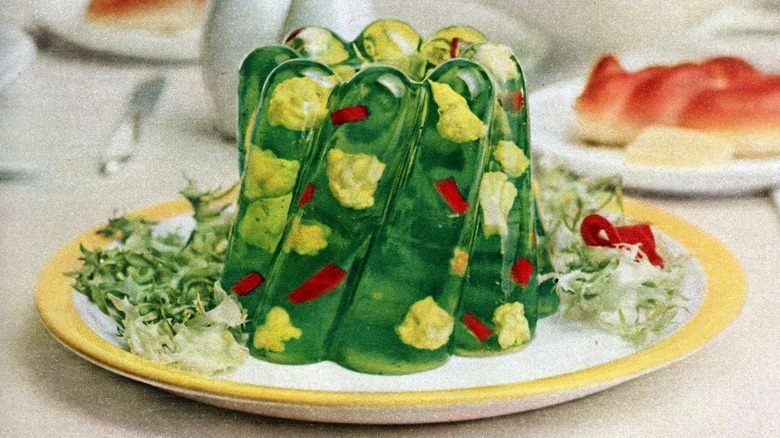
It doesn't get more mid-century than colorful gelatin stuffed with sweet and savory ingredients. For many middle class Americans, Jell-O salad was a way to impress friends at church potlucks, during holidays, and on special occasions, especially during the 1950s. Like many convenience foods of the time, Jell-O was quick and easy. What made it even more appealing is that you could pretty much customize it however you wanted. There were sweet flavors such as apple, black cherry, grape, and black raspberry, and savory ones such as Italian salad, celery, seasoned tomato, and mixed vegetable.
Some savory recipes from the time include Ring-Around-The-Tuna, which featured lime-flavor Jell-O stuffed with sliced olives and tuna, and Barbecue Salad, made of lemon-flavor Jell-O and Hunt's tomato sauce, and cranberry soufflé salad with mayonnaise, Ocean Spray cranberries, and unflavored gelatin from a lesser known brand named Knox Gelatine. The fruit-filled recipes, of course, might appeal more to today's palates. One from Betty Crocker's 1950 Picture Book features sliced grapefruit and strawberries in orange gelatin.