

Why Americans Give Casseroles To Grieving Families
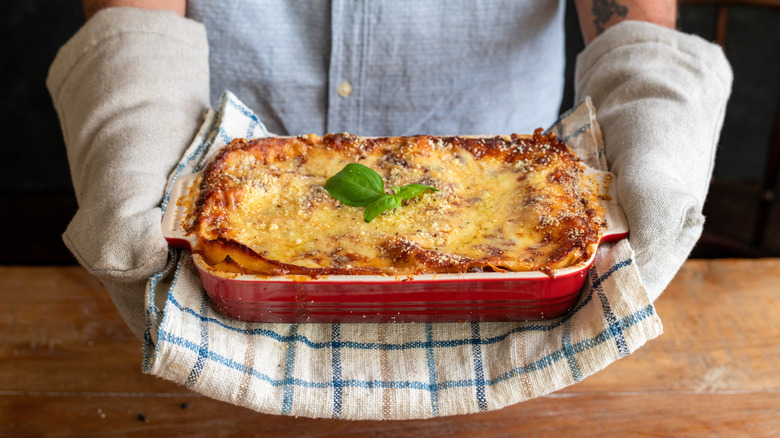
When someone passes, finding the right words to comfort their loved ones can feel pretty impossible. It's why many of us like to show we care in other ways: for instance, bringing over a casserole. From bubbling pans of cheesy lasagna to breakfast casseroles to tater tot hot dishes, hearty dishes like these are a familiar expression of sympathy in the United States. Of course, the tradition is more than just comfort food, but rather a longstanding belief that feeding people is one of the most meaningful ways to show you care during times of strife.
The practice of bringing food to grieving families is thousands of years old, but the casserole's place in America's mourning culture developed more gradually. Long before these covered dishes were a fixture at funeral receptions, ancient communities marked deaths with communal meals, funeral cakes, biscuits, wine, and other foods. These traditions helped bring mourners together and gave them a way to express sympathy through a shared ritual.
By the mid-20th century, casseroles were especially well-suited to American lifestyles. The growing popularity of canned condensed soups, frozen vegetables, and other convenience foods made it easier to prepare vintage casseroles like these that everyone used to eat. And as more women entered the workforce during World War II, the need for portable dishes that could be prepared ahead of time and reheated later became even more practical. Church and community groups helped establish the casserole as a tried-and-true way to care for families experiencing a loss.
Casseroles are not only comforting dishes, they're extremely practical
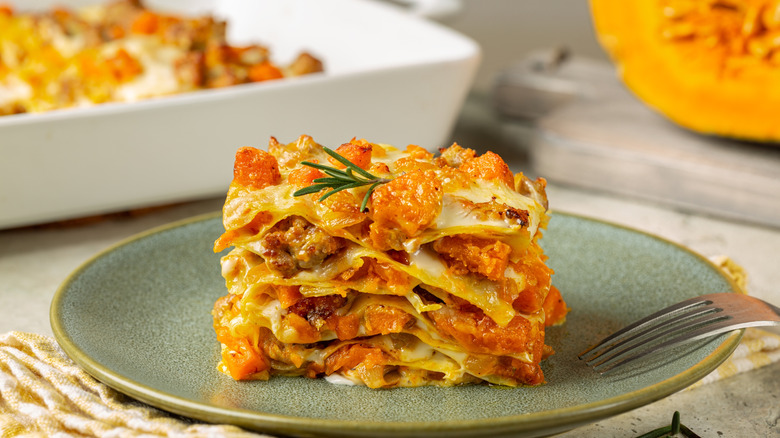
It makes sense that casseroles are the ultimate grief food. Between arranging a funeral, receiving visitors, and coping with the emotional weight of loss, preparing dinner can be the last thing a grieving family wants to do. Casseroles are a practical solution. They're easy to transport, serve multiple people, and require little effort beyond reheating in the oven or microwave. A large dish can feed unexpected crowds if family and friends show up, and it can be easily frozen, providing nourishment when visitors have left but the grief remains.
Several casseroles have earned a reputation as reliable offerings, whether that be baked pasta versions, chicken and rice recipes, or even funeral potatoes — a cheesy, comforting potato dish. In the American South, funeral meals can go way beyond the casserole. Fried chicken, ham, and jambalaya are common examples. African American communities have especially strong traditions of church-centered funeral meals and homegoing celebrations. Of course, feeding grieving families is a cross-cultural practice, although the foods and customs obviously vary. In our explanation of classic funeral food dishes, Irish wake cake, Amish raisin pie, and Mexico's mole chichilo sauce are all traditional foods designed to comfort and feed a community.
The American casserole tradition stands out because the extremely practical, shareable baked dish is such a recognizable symbol of sympathy. When words fail us, a warming meal can often take its place as a way to offer comfort. Sometimes, having dinner taken care of is the exact gesture of kindness that a family needs.