

14 Speyside Scotch Whiskies Every Fan Should Try
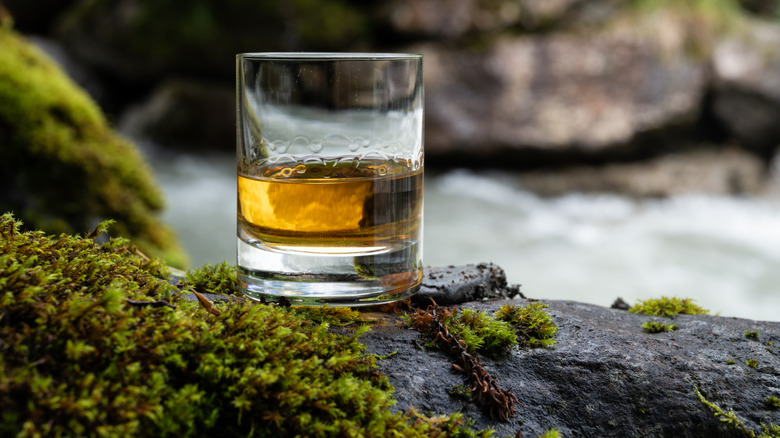
Speyside has a well-deserved reputation when it comes to the world of Scotch. While there are bottles that go against the grain, whiskies from the 50-plus distilleries in this region of Scotland are known for their elegance, approachable character, and soft fruitiness. The name comes from the River Spey, and it's these complex whiskies that I'm going to celebrate today — 14 of them — that beautifully highlight the qualities of the region.
All of these picks come from personal tasting experience with these bottles and are backed by my vast experience with Speyside whisky and beyond. These 14 options are all a little different, and I've included a few that highlight that Speyside isn't just all soft and fruity whisky. Yet, they are all worthy of your time and money. I wanted this to be a list of whiskies you can easily enjoy, so I've stuck to bottles that are core releases and don't have huge price tags. The result is hopefully an accessible yet wonderful journey through the best distilleries in this iconic region.
The Glenlivet 12-year
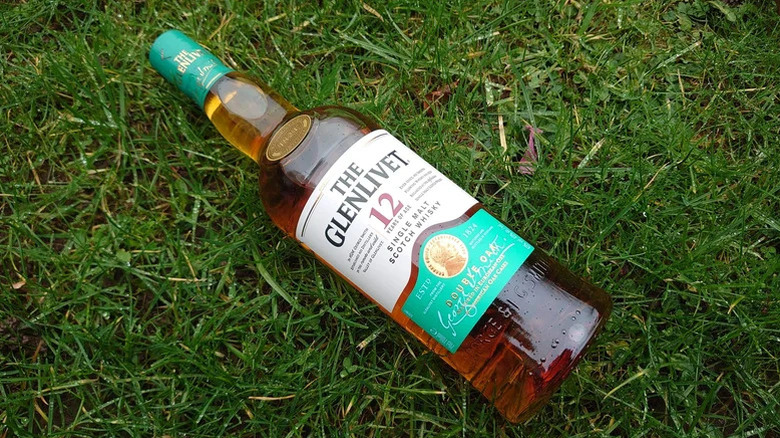
The Glenlivet 12-year bottle is the best place to start as it perfectly highlights the appeal of Speyside whisky. It's a bottle I've enjoyed more times than I'd care to admit, and it always delivers when you want an elegant, everyday sipper. It showcases this Speyside style despite being one of the few here that isn't finished in sherry casks. Instead, the 12-year is matured in a mix of European and American oak casks. The whisky is beautifully fresh, with a lovely bouquet of bright fruit notes, including apple, pear, and peach.
There is a gentle sweetness with bourbon-like notes of vanilla and caramel, and the double-cask maturation lends subtle oak influences. There is a little cinnamon warmth towards the finish, but mainly, it's a whisky that delivers a remarkable clarity for its 12 years of maturation. Its gentle nature is enhanced by its lower 80 proof, which helps to eliminate any sense of alcohol burn. For me, this is the place to start. Yes, there are times when I may crave more complex or robust whisky, but if you don't like The Glenlivet 12-year, Speyside Scotch probably isn't for you.
The Balvenie DoubleWood 12-year
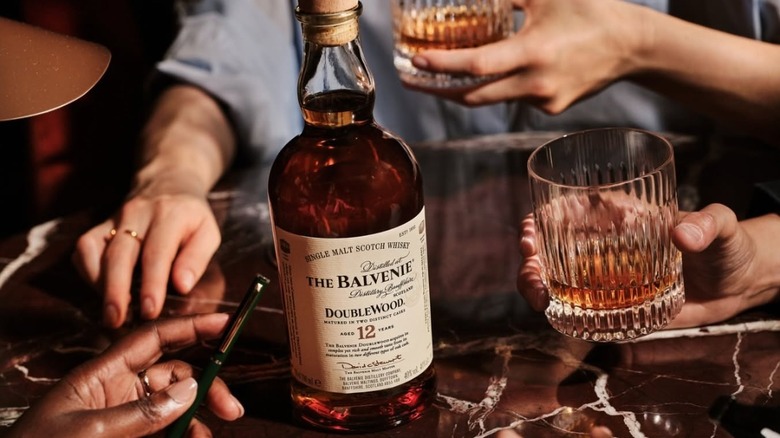
Within Speyside is Dufftown, a small town surrounded by six distilleries, with three of them making an appearance on this list. Despite a modest population of around 1,500, the town is often called the capital of Scotland's malt whisky industry. Balvenie plays an important role in that, especially with beautiful expressions such as the DoubleWood 12-year. Matured in ex-bourbon casks before being transferred to sherry casks, it highlights why this is such a common maturation path, as you get a lovely mix of soft sweetness and dried fruit.
A lot of this influence is evident on the nose, as you can expect honey and vanilla, along with subtle hints of sherry. The palate builds on many of these flavors with sweeter notes, such as rich toffee, tantalizing your taste buds. Raisins and orange also give it fresh fruitiness. You'll get to enjoy all of this with its creamy texture, yet cinnamon and gentle oak provide plenty of structure. It elegantly showcases the interplay between American and European oak, which is one reason it's also one of the best single malts for beginners.
Aberlour 12-year
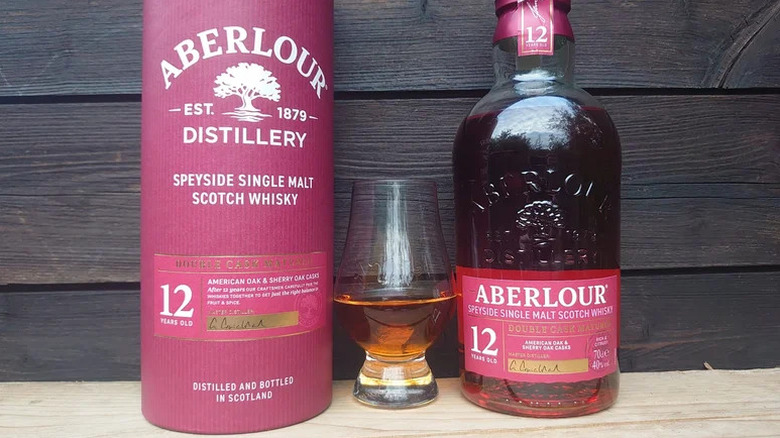
Aberlour 12 combines whiskies matured separately in American oak ex-bourbon casks and sherry casks. That sherry influence is particularly noticeable here, as it's a rich and fruity whisky with a beautiful warmth. Produced in the village of Aberlour, it's a little more indulgent than the region's lighter expressions and has features you may expect from a whisky that has been matured for even longer. The nose offers a range of fruits and spices, with the palate building on those notes.
Lighter fruits such as apples are contrasted by darker dried fruits like raisins to give you a wide range of flavors. Along with this is the beautiful sweetness of caramel and toffee. It's not a hot whisky, but once that sweetness subsides, you're greeted with a warm cinnamon that seemingly stays on your tongue forever. It's a richer and more versatile whisky that equally shines on a bright summer's day as it does in the depth of winter.
Craigellachie 13-year
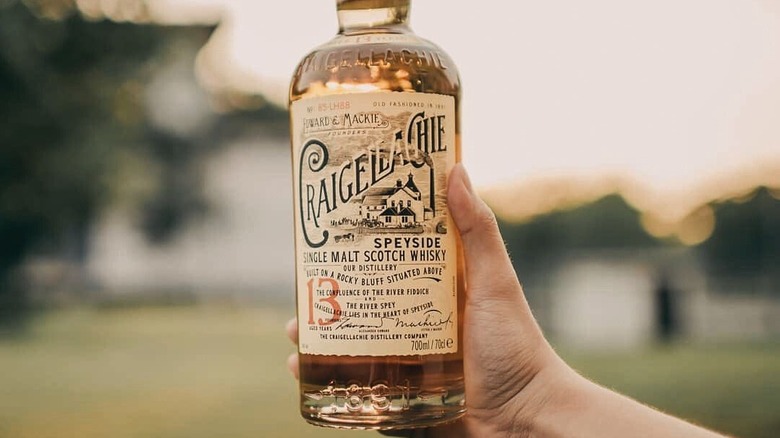
Here we have a whisky that gives you a different look at the classic Speyside profile, as it's not particularly light or delicate. It has a more robust character, which you'll notice straight away on the nose. There is a faint sulfur edge to the aroma that you may love or hate, but there is also plenty of fruit. This is more tropical in character than many others, with pineapple and mango making an appearance. The palate includes many of these notes, which help to give the whisky a tropical juiciness.
Yet that is contrasted by intriguing earthy flavors, such as smoked meats, warming spices, and a hint of smoke. There is still plenty of sweetness here, which, with the slightly oily texture, presents as more of a creamy fudge. Bottled at 46% ABV, it provides these flavors with a little more weight and intensity than many Speyside Scotches. If you want to sample exceptionally smooth and sweet whisky from this region, the Craigellachie 13-year may not be for you. But if you want to explore something away from that stereotypical profile, it's a great whisky.
The Macallan 12-year Double Cask
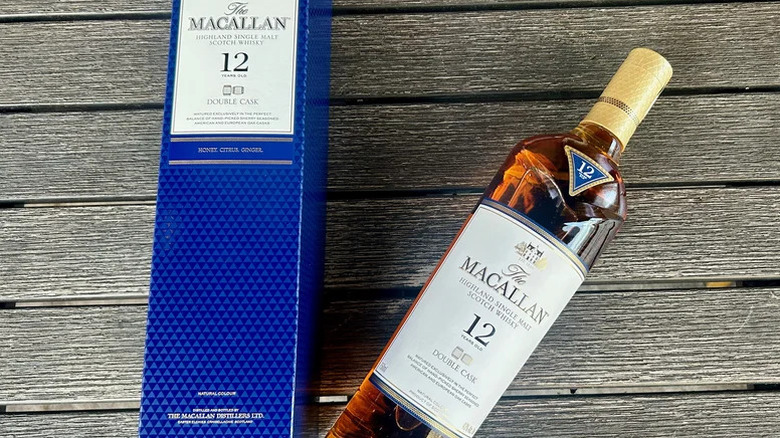
I didn't know whether to include this bottle, as it's not one I'd personally buy again, even though it's good whisky. The problem with Macallan is the value for money. The 12-year double cask often costs nearly twice as much as bottles that are equally good, if not better. So, why is it on the list? I feel that with The Macallan being so famous, it's important to try it for yourself rather than dismiss it off the bat. You'll most likely find that its tasting profile is quite mild and similar to the likes of The Glenlivet 12-year above. There's nothing inherently wrong with that, but it's wise to set expectations.
Matured in sherry-seasoned American and European oak casks, the whisky balances creamy vanilla and caramel with richer dried-fruit and spice notes. The medium-bodied texture keeps the whisky approachable, while the oak influence provides structure. Due to its fame, I think you should try it out. Personally, I'd wait until you can get a glass at a bar instead of buying a bottle. That way, you can scratch that itch and then see for yourself if it's worth further investment. As I say, it's good whisky and very much in that gentle Speyside style. But if you were hoping to taste something magical, you may be a little disappointed.
Benromach 12-year
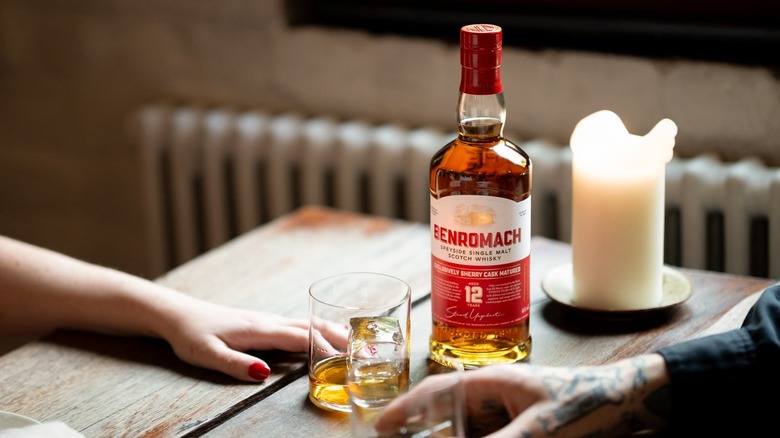
The Benromach is one of the closest Speyside distilleries to the coast. While it may not have the maritime influence of the smokiest whiskies in Scotland, it is one of the best distilleries for those wanting to enjoy peat away from the Scottish islands. The 12-year bottle is a great example of that, making it another whisky that proves Speyside isn't just about light, fruity Scotch. Matured exclusively in first-fill sherry casks, it balances fruit, spice, and earthy smoke.
This earthy edge is noticeable on the nose as you'll get some cinnamon and ginger spice. That level of spice also carries over to the palate, evolving into notes of black pepper. The smoke is subtle but noticeable throughout the whole tasting experience. On top of this are plenty of light and sweet notes such as caramel, raspberry, and orange. When you add a little dark chocolate, you quickly appreciate you're enjoying a whisky with an impressive level of depth. The gap between the lightest Speyside malts and the peat monsters of Islay is vast. This is one of the best whiskies that bridges that gap for those looking for something in between.
The Glen Grant 15-year
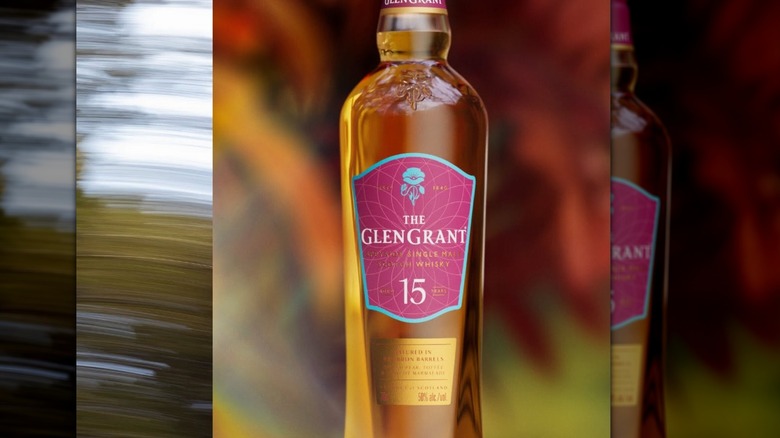
As you've already seen, there are a lot of 12-year-old Speyside Scotches. It's also common for a distillery to have a 15-year bottle that takes those 12-year qualities and elevates them to the next level of depth, richness, and complexity. This Glen Grant bottle is an excellent example of that. The bottles from this distillery often have plenty of fresh orchard fruits, and the beautiful nose introduces you to them. You'll enjoy ripe apples, peaches, melons, and oranges. For lovers of these types of notes, it's a masterclass. The Glen Grant's stills were the first I ever laid my eyes on during my first visit to a distillery, and their tall and slender style helps to create a pure and light spirit.
Most of the fruits in the aroma can be enjoyed when you first taste this dram. They are also joined by a creamy vanilla that sits atop a rich, rounded mouthfeel. A honeyed malt and toffee also provide sweetness, but it isn't all light notes. There are warming notes of pepper and ginger, along with a soft oak that helps keep the whisky structured and balanced. Bottled at 50% ABV, it provides a higher level of intensity while still having that classic Speyside style. It's a combination of powerful elegance that can be hard to find.
Mortlach 12-year
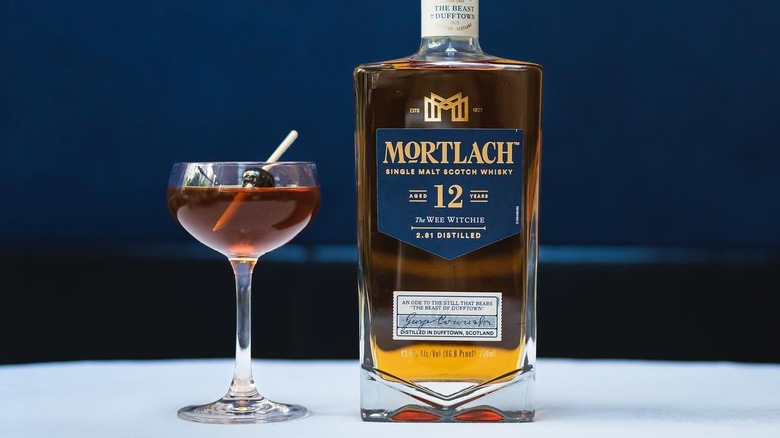
Another distillery coming from Dufftown is Mortlach, and its 12-year bottle highlights the richer end of Speyside whisky. Bottled at 43.4%, it's a bottle that has more weight than others here. A lot of that is down to Mortlach's intricate distillation process, where the spirit is split into multiple streams, with some double-distilled and some triple-distilled in a variety of stills. It's a complex process that results in the whisky having a weighted average of being distilled 2.81 times. It helps to make Mortlach one of the most distinctive whiskies in the whole of Scotland, let alone Speyside.
Once you start tasting, you'll immediately notice how full-bodied and robust it is. Caramel, roasted nuts, and gentle oak are among its more expected notes. Along with that, you'll get to enjoy dark fruits such as cherries and raisins, rich marmalade, and baking spices that give it an almost meaty, savory character. It's rare for a fruity whisky to also be deep and intense, but that's exactly what you get here. It's a great whisky to seek out if you want to taste something a little unusual, while also being exceptionally good.
Benriach The Original Ten
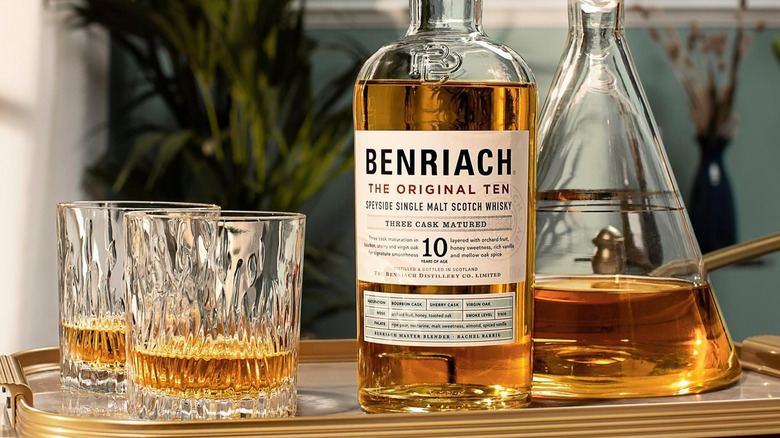
Here we go back to a classic light and approachable Speyside whisky. Alongside ex-bourbon and sherry casks, this whisky's maturation incorporates a third cask type, virgin oak. It helps to give the bottle a varied and fresh flavor profile. That new oak gives additional spice and a toasted wood character to the whisky, which helps to give it a lovely balance. Those influences are noticeable on the nose, along with the expected fruit and vanilla influences.
Upon tasting, you'll find those fruits to be bright and lively, with some pears, nectarines, and apples. The vanilla has a delicious creamy feel and is joined by honey and toasted almonds. Then you get those earthy influences of gentle baking spices and oak to complement them. The result is a rounded, fruit-forward whisky with approachable sweetness. This combination, along with its varied cask influence, makes it a soft yet intriguing bottle for newcomers and experienced drinkers alike.
Glenfiddich 15-year
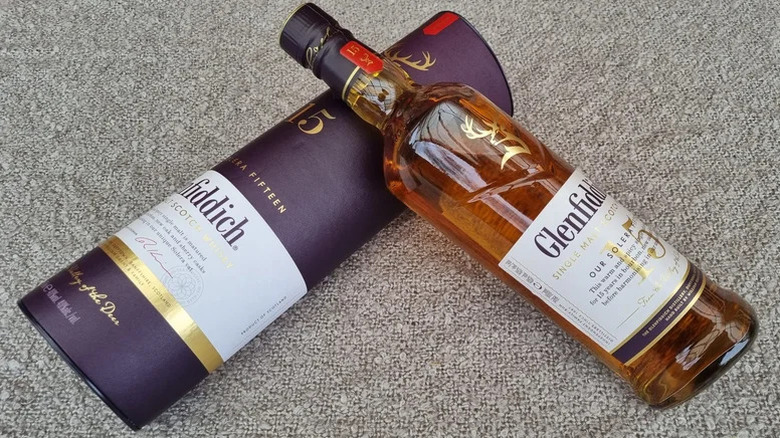
The third Dufftown distillery in this list is the giant of Glenfiddich, one of the biggest malt whisky distilleries in the whole of Scotland. Its full range of bottles is an excellent homage to Speyside, but its 15-year-old bottle, in particular, has a wonderful mix of richness, sweetness, and spice. What helps to set this bottle apart is its Solera maturation process. Whiskies matured in different cask types are married together in a huge Solera vat, which is never fully emptied.
This not only helps to create an interesting marriage of flavors but also gives it remarkable consistency, making it a top-shelf whisky you can rely on for elite quality. You'll enjoy a silky mouthfeel with a full-bodied whisky that showcases beautiful toffee, raisin, and oak. There are some warming spices of ginger and cinnamon, as well as the expected sweet malt flavor. It's a remarkably smooth bottle that remains effortlessly drinkable. A journey through Speyside bottles cannot be made without a visit to Glenfiddich.
The Glenrothes 15-year
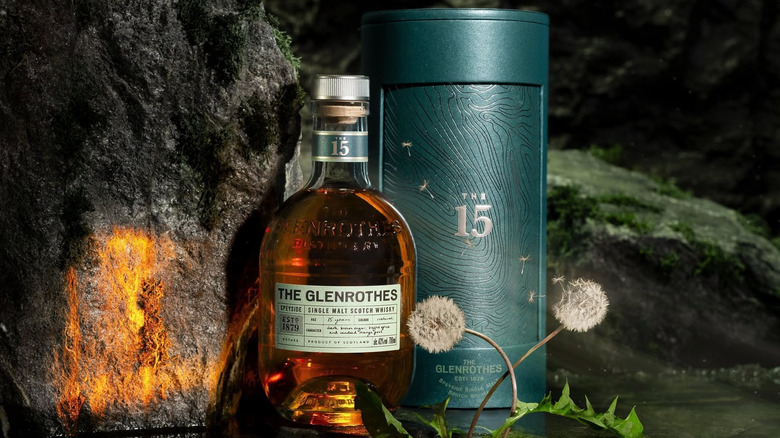
The Glenrothes 15-year has many of the features we've already looked at here, but its fruitiness is taken to the next level with it having been fully matured in sherry-seasoned oak casks. This expression is a strong choice for whisky enthusiasts who enjoy a more mature, rounded Scotch. That fruit influence is carried strongly on the nose with baked orchard fruits. Yet, there are spices, nuts, and oak there that highlight the depth you can expect from the tasting experience.
The smoothness of the whisky is instantly noticeable as it coats your mouth with its rich range of flavors. The fruits develop into apricots, pears, and oranges, while darker notes of chocolate, ginger, and hazelnut balance them out. At 43%, it not only provides a balance of flavor but also a balance between approachability and intensity. It will appeal to those who are enticed by the fruity Speyside style and want to enjoy it in a polished and indulgent way.
Cragganmore 12-year
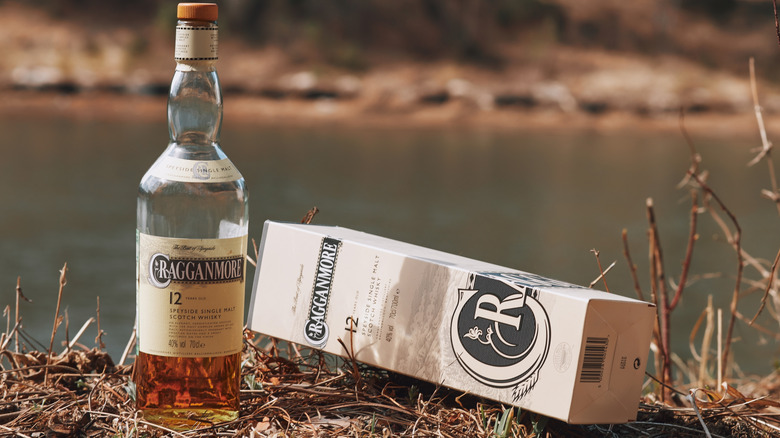
Cragganmore is a distillery that sits higher up on the River Spey and manages to be both elegant and complex. It's a fairly distinctive whisky, which is partly due to its unique stills, which have a flat top and unusually short neck. The result is a single malt with elite approachability and clarity while still having a fascinating array of flavors. You'll notice that the aroma has a mix of floral, sweet, fruity, and toasted notes. For those who love the nose, they'll have their high expectations met as the aromatic complexity is matched by its unique palate.
There are flavors of vanilla, caramel, orchard fruit, and toasted cereal, with subtle herbal notes and a touch of spice adding complexity. There's delicate smokiness in the background, but far less pronounced than in heavily peated Scotch whiskies. Its 40% ABV helps with this approachability, and it remains relatively light-bodied. Cragganmore 12-year demonstrates that the region's appeal extends beyond straightforward fruitiness. It's the type of nuanced dram that demands to be drunk neat.
Glenfarclas 15-year
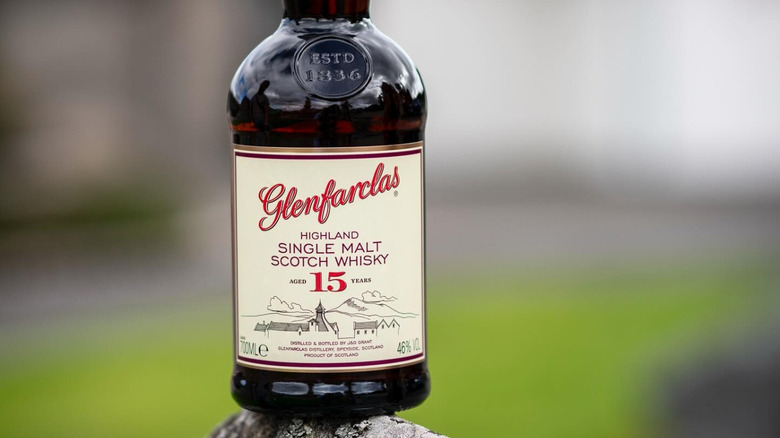
Those with a keen eye on the bottle pictured may have noticed Glenfarclas proudly positions itself as a Highland Scotch. That leads me to a little fact I haven't mentioned until now: Speyside is a whisky-making region in the Scottish Highlands. Those with an even keener eye may have noticed the small print on the bottle stating that the whisky is made at the Glenfarclas Distillery in Speyside. Regardless of how it markets itself, the whisky has many of the same features we've already explored in regard to having a rich sherry influence.
You'll notice that on the nose, it has a strong aroma of raisins along with other fruit and herbal influences. Those raisins transfer strongly to the palate, where they are joined by a deep caramel, subtle nuttiness, and a hint of oak char. There is a surprising amount of spice here as well, with cinnamon and nutmeg, leading into a long and warm finish. Full-bodied and with 46% ABV, it's a whisky that showcases many of those Speyside qualities but with a greater presence and intensity.
The GlenAllachie 15-year
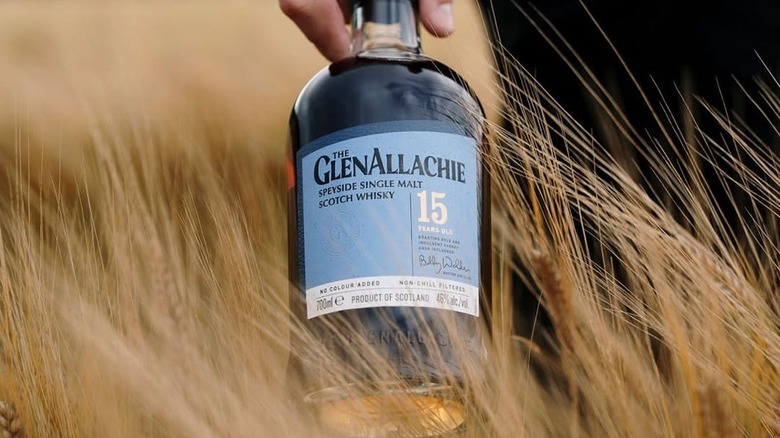
We finish with a whisky that has perhaps the most significant sherry influence of all the bottles here. A big reason for that is that both Pedro Ximenez and Oloroso casks are used to provide that more intense fruity flavor. Along with the 15 years of aging, it combines to make a whisky that has both considerable depth and sweetness. The sherry casks contribute layers of dried fruit, chocolate, and spice, while the extended maturation brings greater richness and a more integrated oak character.
There are plenty of fruits to explore, and you're likely to find orange peel, figs, apricots, and cherries. The sweet flavors are richly delicious, with unique notes of treacle and rich butterscotch. All of this is balanced by warming spice and gentle oak. The full body and the 46% ABV give it plenty of weight, and the sherry influence strongly remains throughout. If you've enjoyed that sherry cask influence on other whiskies and want to see it pushed to the limit, The GlenAllachie 15-year gives you a more opulent tasting experience.
Methodology
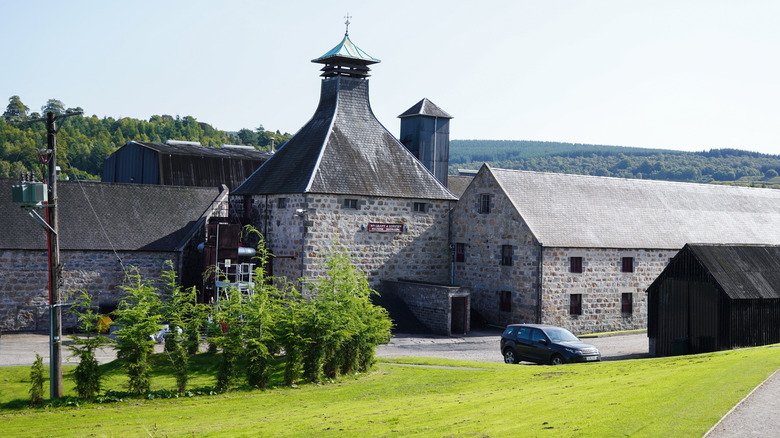
To select the 14 Speyside Scotches here, I wanted to pick bottles that showcased why Speyside is such an iconic whiskey region. Many of the bottles here are approachable single malts with sherry-rich influences, with a few picks that offer you something a little different to show there is some diversity in the region.
Each pick is chosen based on my tasting experience with these whiskies and nearly 20 years of drinking Speyside Scotch. If you're interested in the whisky-making region, this list will lay the perfect foundation for your further exploration of Speyside whisky.