

The Tequila Hangover Myth You Can Stop Believing
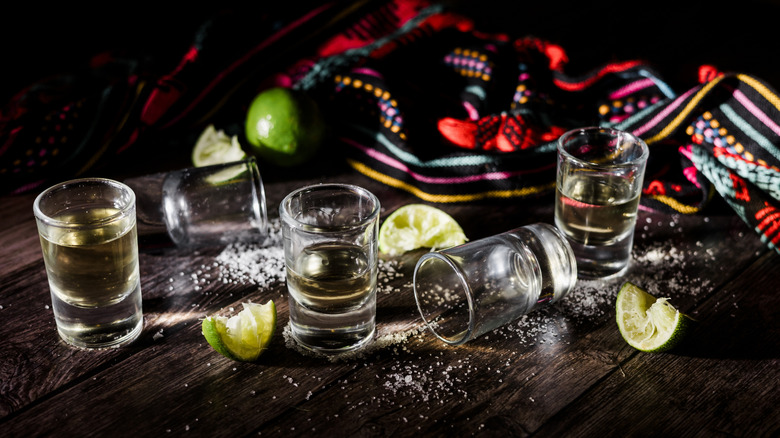
Tequila is a centuries-old spirit with a deep history. The Mexican cultural icon is part of the national identity and a source of pride. However, the popular spirit is also largely misunderstood and one of the biggest myths is that tequila can cause some of the worst hangovers.
"I hear [the hangover myth] all the time ... I hear it from people that got drunk in a frat house after downing cheap, additive-filled mixto tequilas," Greg Perez, owner of craft cocktail bar Concrete Rose in Houston, told Tasting Table. Less expensive tequila often contains excessive amounts of additives, which are the actual cause of your bad hangover. "Cheaply made, adulterated tequila gives you hangovers, especially when those tequilas are cheap mixtos with sugar and other additives," Perez says.
Tequila production is regulated by the Consejo Regulador del Tequila (CRT). Under CRT rules, tequila is divided into two main categories: 100% agave and mixto. By law, 100% agave tequila must be labeled as such and contain only Blue Weber agave. In Mixto, which literally means 'mixed,' only 51% of the fermentable sugars must come from agave. Because the resulting spirit lacks flavor and quality, additives including natural and artificial sugars, flavors, and coloring come into play. When buying tequila, you should always look for labels that say 100% agave — or even better, look for additive-free brands— to avoid the dreaded morning after feeling. That's the answer to one of the tequila myths you need to stop believing once and for all.
What are additives in tequila and why are they used
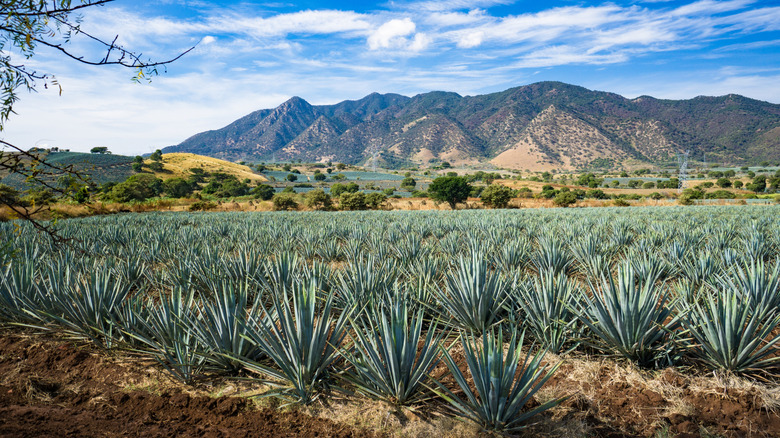
Under CRT rules, even 100% agave tequila can include up to 1% of four types of additives: caramel coloring, oak extract, glycerin, and sugar-based syrup like glucose or agave nectar. When additives are used, they help distilleries keep flavor and texture consistent from one batch to another. According to industry experts, many 100% agave tequilas contain additives; however, the amounts are often insignificant. It's those cheaper brands that use a large volume of additives to achieve a sweeter, smooth flavor and an appealing color that mimics aging.
When done properly, the process of making tequila takes time. Industrial tequila makers cut corners to shorten this process and produce more spirit at a faster rate and lower cost, therefore sacrificing flavor, character, and all the beautiful terroir that characterizes tequila — and instead making that up with additives.
Therefore, identifying high quality tequila is Perez's answer for how to eliminate hangovers. "My hangovers are almost non-existent when I drink unadulterated agave spirits," he says. Not to mention the fact that great quality tequilas are meant to be sipped, not massively consumed as shots.
In Mexico, good tequila is sipped, not chased with a beer. Which brings us to the old saying "beer before liquor, get sicker quicker; liquor before beer, you're in the clear." Studies show this is another drinking myth which has no scientific basis. Your hangover will depend on the quality and quantity of alcohol consumed, rather than on the order in which you drink it — so go ahead and drink beer and tequila interchangeably, as long as you choose a high-quality tequila.