

The 10 Best Peanut Butter Alternatives That That Are Just As Creamy
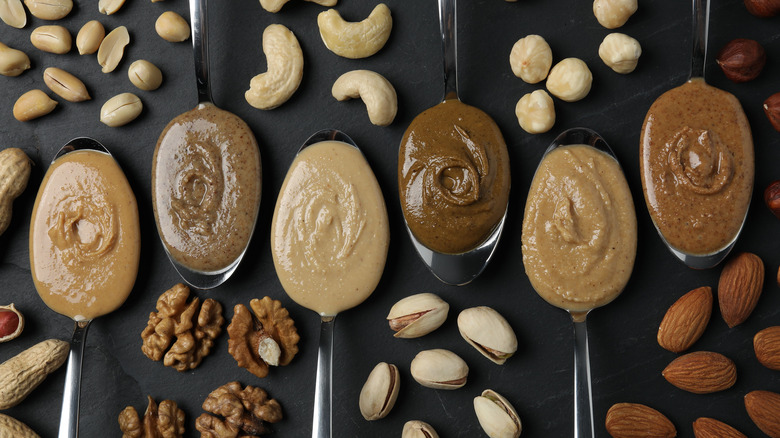
Peanut butter is a popular pantry staple with a wide range of uses in the kitchen. Whether you prefer this nutty spread creamy or crunchy, it's a go-to for everything from sandwiches and smoothies to sauces, baked goods, and snacks. If, however, buying peanut butter is a no-go due to dietary requirements, or perhaps you simply fancy switching things up, there are plenty of alternatives to consider.
Many spreads made from other nuts, seeds, and even beans can offer that same thick, luscious consistency and salty-sweet taste. Some of these alternatives also come with impressive nutritional profiles, while being equally versatile on the flavor front, making them especially smart swaps. You might already have sampled some of the options in this lineup, while others may be new discoveries. Either way, there's a surprisingly diverse selection of peanut butter alternatives to explore, so next time your culinary creation calls for a creamy spread, give one of these delicious substitutes a try.
Almond butter
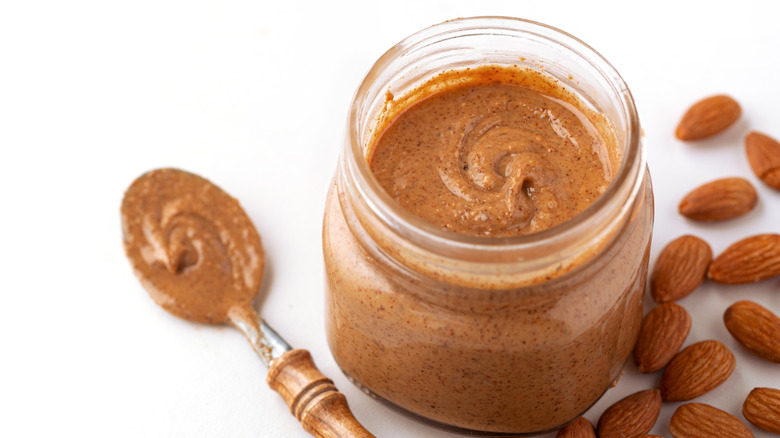
Almond butter is one of the best-known alternatives to peanut butter. This spread is very similar in consistency to its peanut-based counterpart, but offers a slightly grainier, runnier texture. Flavor-wise, almond butter is a little more subtle, with a mild, earthy-sweet taste that, as you'd expect, brings all of the deliciously toasty, nutty notes of roasted almonds.
Since peanut butter and almond butter have a similar fat content, they can generally be used interchangeably. Almond butter has its place in a whole host of sweet and savory recipes, from stews and curries to dips, dressings, and sweet treats. Much like peanut butter, the almond spread serves as natural binder and thickener, while adding moisture and creaminess. It's also equally great slathered on toast. Both spreads are an excellent source of healthy fats, protein, and fiber, but almond butter wins in terms of overall nutrient content, containing significantly more vitamin E, iron, and calcium than peanut butter.
Almond butter is made by blitzing up roasted almonds in a food processor, sometimes with the addition of salt, sweeteners, or oil, until the mixture takes on an ultra-creamy consistency. This spread is readily available to buy in most large grocery stores, but you can easily make your own batch at home if preferred.
Cashew butter
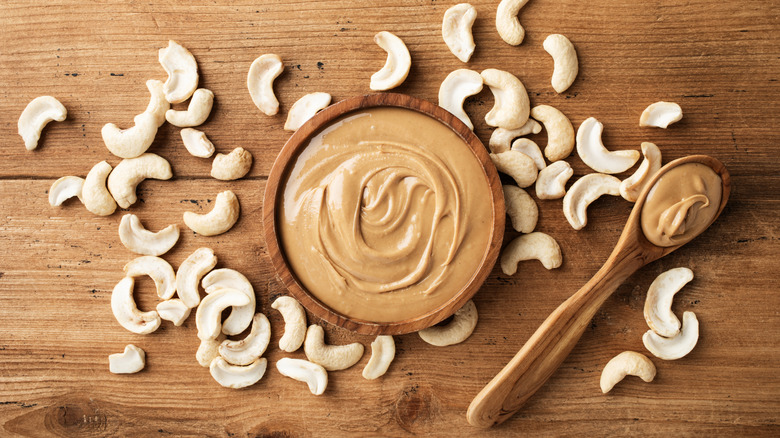
It might not be as well-known as almond or peanut butter, but cashew butter absolutely deserves a spot in your pantry. Made by blitzing up roasted cashews into a smooth spread, this versatile nut butter boasts a fantastically creamy texture, and its mild flavor makes it a great choice for adding richness to recipes without dramatically altering the taste. Cashew butter will fit seamlessly into smoothies, oatmeal bowls, and sauces. Its silky consistency brings a satisfying edge while allowing other flavors to shine.
Cashew butter is packed with nutrients. It offers higher levels of certain vitamins and minerals than peanut butter. A serving of cashew butter contains more iron, magnesium, phosphorus, and zinc, while peanut butter is generally a better source of B vitamins.
You'll find this spread in health food stores and some large grocery chains, but we love whipping up a homemade version. When making cashew butter from scratch, a top tip is to add a spoonful of coconut oil – this helps to achieve that all-important velvety smooth consistency, while adding an extra dose of richness.
Hazelnut butter
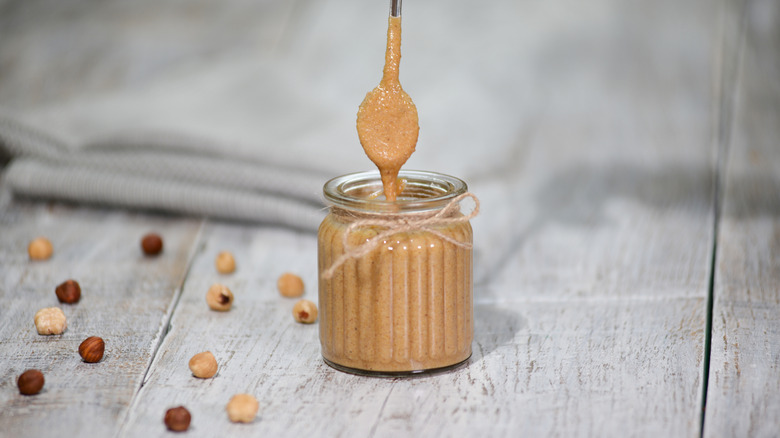
Hazelnuts are another ingredient that can easily be transformed into a luscious, spreadable pantry staple. There's something wonderfully indulgent about hazelnut butter, and no, we're not talking about Nutella. Adding cocoa and sugar isn't essential when blitzing up hazelnuts into a spread. In the more natural format, the spread brings plenty of sweetness, richness, and an earthy quality that makes it a worthy addition to all kinds of dishes. It's also widely touted as the creamiest nut butter of them all.
Like many other nut butters, hazelnut butter is a nutritious choice too, being packed with vitamin E, calcium, iron, and potassium. While it's slightly lower in protein than peanut butter, hazelnut butter contains more fiber, and fewer calories. It's also rich in monounsaturated and polyunsaturated fats, which can help support heart health when consumed as part of a balanced diet.
Hazelnut butter is particularly well-suited to sweet recipes, where its buttery sweetness works to enhance fruity, spicy, and chocolatey flavors. Try mixing it into cookie dough, adding it to energy balls, or swirling it through brownie batter for a hit of nutty indulgence. It's also fantastic drizzled atop pancakes or waffles, or stirred into yogurt bowls, perhaps alongside a scattering of granola or fresh berries.
Tahini
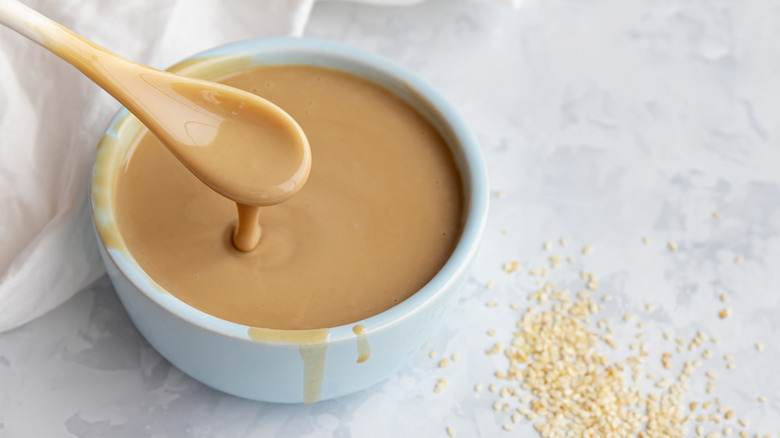
If you need to avoid tree nuts altogether, tahini — a creamy paste made from ground up sesame seeds — is an excellent option. Tahini comes in a few different varieties, including hulled, unhulled, raw, and roasted. It has a delightfully rich consistency and earthy flavor, hence, it's an ideal replacement for peanut butter. The flavor is usually more bitter in comparison to peanut butter's naturally swalty profile, but it's still versatile enough to pair with a wide variety of other ingredients.
One of the most popular ways to use tahini is mixed into a silky dressing. It works brilliantly with Asian-inspired staples like soy sauce, sesame oil, ginger, and garlic, creating a rich, savory blend that's delicious drizzled over salads, noodles, or roasted veggies. Tahini is also a key component of most hummus recipes, where it boosts creaminess and adds a warm, nutty depth that mellows the intensity of other add-ins like lemon and garlic.
In sweet recipes, tahini works especially well with chocolate, coffee, warming spices, and tangy fruits. You can beat it into buttercream, use it to enhance a creamy cheesecake filling, or even whip up a fluffy tahini mousse. Tahini is also ideal for incorporating into no-bake treats, such as snack bars, truffles, and fudge.
Sunflower butter
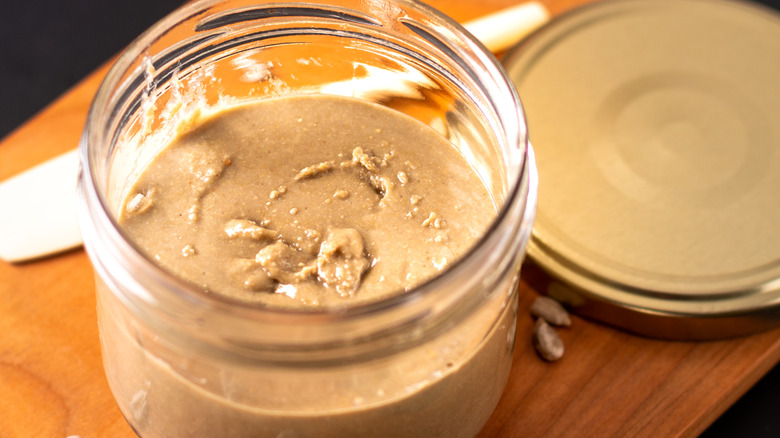
Sunflower butter is another top pick for anyone looking to branch out from peanuts. Made from sunflower seeds, it's a nut-free alternative that's popular among those with tree nut allergies, and the texture of this spread is every bit as luxurious as that of peanut butter.
Despite sharing that same irresistibly smooth mouthfeel, the two spreads come with their own distinct flavor profiles. Peanut butter brings a deeper, saltier taste thanks to its higher oil content, while sunflower butter has just gentle nuttiness that's paired with subtle bitter notes. Sunflower butter isn't as as widely available as some other alternatives, but it's easy to find online or in specialty stores. It typically comes with a higher price tag than peanut butter, costing more than twice as much, gram for gram.
Not only is sunflower butter an allergy-friendly choice, it's a nutritious one too. In fact, a serving of sunflower butter contains over four times the amount of vitamin E than peanut butter, as well as double the amount of iron, folate, and selenium. Add this velvety butter to your bakes, breakfast bowls, and savory dishes, and you'll be packing in heaps of creamy goodness.
Soy nut butter
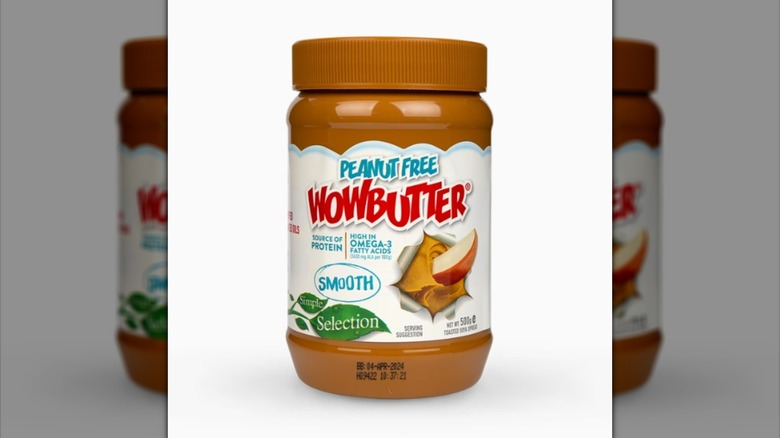
Soy nut butter is a lesser known swap for peanut butter that's just as satisfying, protein-rich, and perfect for spreading atop a freshly toasted slice of bread. What makes soy butter unique is that, despite its name, it contains zero nuts or seeds. Instead, the main ingredient is roasted soy beans, which are ground into a thick, spreadable butter that's sometimes enhanced with oil, sugar, and salt.
The flavor of soy nut butter can be described as salty, earthy, and mildly bitter. It's often dubbed as one of the closest alternatives to peanut butter in terms of taste, with brands marketing it as a go-to nut-free swap. One popular product is Wow Butter (which comes in creamy and crunchy varieties) that packs an impressive four grams of protein per tablespoon. Soy nut butter is also loaded with isoflavones — compounds that boast antioxidant and anti-inflammatory properties.
This soy-based spread can easily be made from scratch at home, too. Soaking the roasted beans in water beforehand helps them to blend more readily, and adding a splash of oil can help with smoothness. Sweeten the mixture to taste, and you've got a rich, flavorful peanut butter alternative that'll shine anywhere you'd typically use the classic spread.
Pumpkin seed butter
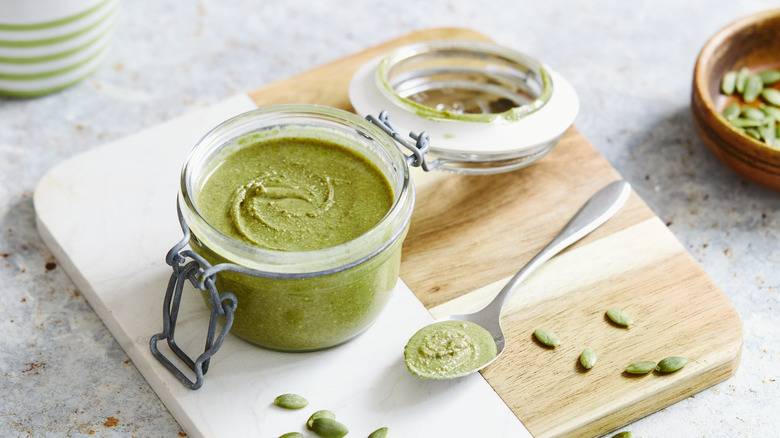
Another seed butter that's most definitely worth adding to your spread collection is pumpkin seed butter. With its pleasing green hue and subtle earthiness, this ingredient is a crowd-pleasing pick. It's slightly less sweet than peanut butter, but arguably even creamier in consistency, and there are countless ways to include it in your everyday cooking and baking.
Pumpkin seed butter is higher in protein than many other peanut butter alternatives, and a great way to pack essential minerals like zinc, manganese, and copper into your diet. Easy to make with nothing more than toasted pumpkin seeds and salt, it's a delightfully wholesome alternative that's great for anyone avoiding nuts.
Try spreading pumpkin seed butter onto slices of apple or strawberries, or giving peanut butter cups a vibrant twist by using the seed butter in place of the usual filling. It also makes for a tasty addition to savory sauces, dips, and dressings (think pesto, hummus, or a zesty yogurt sauce).
Pecan butter
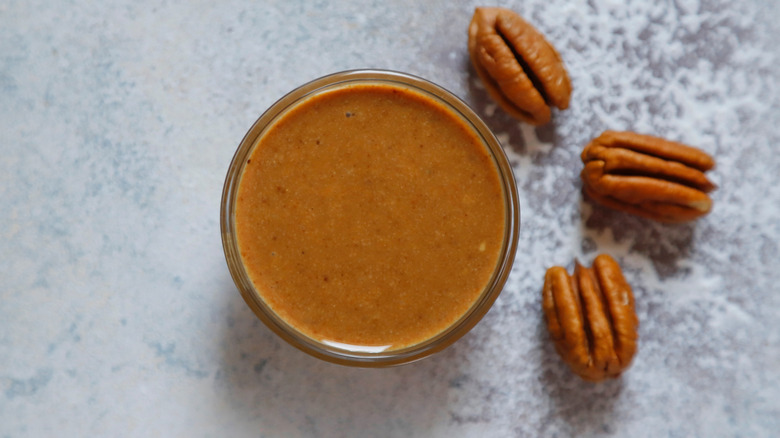
Smooth, decadent, and bursting with natural sweetness, pecan butter is an indulgent alternative to peanut butter. Prized for its buttery taste, this creamy spread feels right at home in sweet dishes, from toast and oatmeal to cookies and brownies. And, you'll be hard-pressed not to eat it straight from the jar.
Because pecans are already so rich in flavor, they don't need much added to transform them into a mouth-watering spread. A pinch of salt is great for balancing the natural sweetness of the nuts, but there's no additional oil or sweetener required. Once thoroughly ground, the pecans take on an incredibly silky consistency, and this nut butter isn't so prone to separation like many others.
One downside to pecan butter is its price tag. Since this is a specialty product, and pecans are a relatively high-cost ingredient, a jar will set you back significantly more than your average peanut or almond butter. You'll need to head to a health food store or search online to get your hands on pecan butter, and once you've experienced its sweet, nutty taste, you might just find it worth the splurge.
Macadamia nut butter
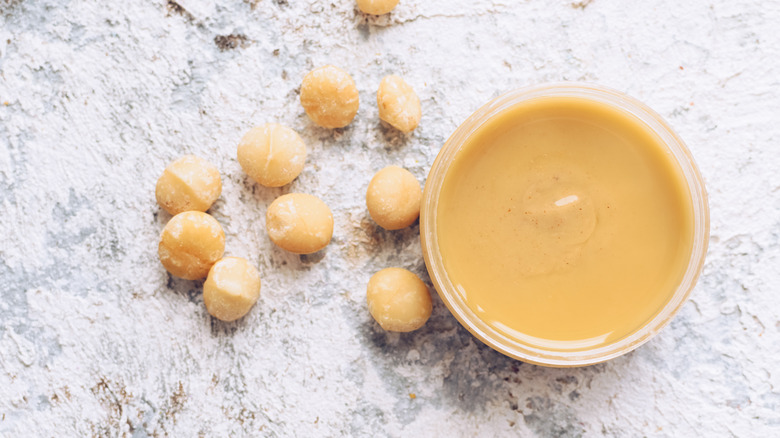
Macadamia nuts also lend themselves well to the nut butter treatment, and this luxurious spread is impressively smooth. The nuts have a distinctly soft, buttery texture as is, which means they blend up extra creamy, creating a spread that's even more velvety and spreadable. The taste of this nutty blend isn't quite as bold as that of peanut butter. The delicately sweet notes make the macadamia version a more subtle alternative. Its flavor has been likened to white chocolate and shortbread cookies, so it's certainly a dessert-worthy option.
This nut butter makes a fantastic addition to smoothies, dessert bowls, bakes, and savory dishes alike. Essentially, it'll go down a treat anywhere that you want richness and creaminess without the overpoweringly nutty flavor that peanut butter can sometimes impart. Consider swirling the spread into blondie or banana bread batter before baking, or use it as the base of a satay-style sauce for a delicate twist on the Asian-inspired favorite.
Macadamia butter is once again a pricier alternative to peanut butter. This is a harder-to-source, specialty product, made from nuts that are more costly to grow and harvest, hence, a tub will typically set you back at least twice as much as an equivalent jar of peanut butter. However, along with its lightly sweet taste, this spread also has a lot to offer on the nutrition front. Of all the nuts, macadamia is the best source of heart-healthy monounsaturated fats, but it's also a good source of manganese, thiamine, and antioxidants.
Pistachio butter
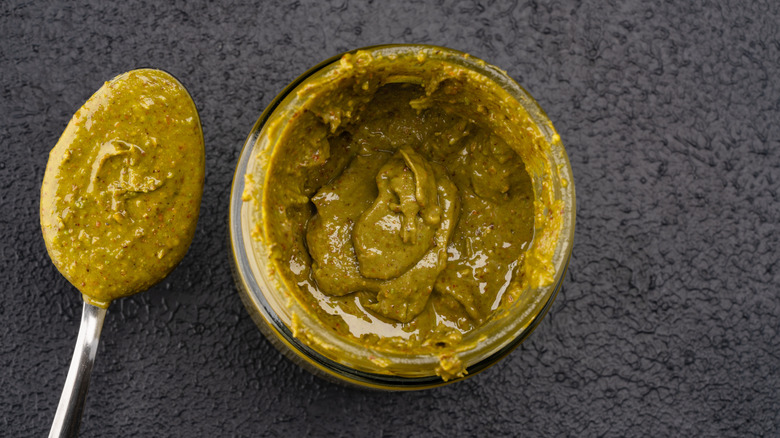
Pistachios have been having their moment in recent years, but one often-overlooked way to enjoy this trendy nut is in the form of a luscious pistachio butter. Packed with that signature sweet, earthy flavor, this green-hued nut butter is luxuriously creamy and glossy, with a slightly savory edge that makes it just as appealing in desserts and bakes as it is in more savory applications. It's also less sticky than peanut butter, with a runnier texture, which means it's well-suited to drizzling.
There are an endless array of delicious ways to use pistachio butter. You can use it in place of peanut butter in pretty much any scenario, but some standout options include drizzling it over a pillowy French toast stack, blending it into homemade ice cream, or using it as a vibrant, nutty topping for a batch of homemade chocolate bark. It'll work great in a salad dressing too, especially when paired with tangy ingredients like vinegar and lemon juice.
Pistachio butter is a little lower in protein than peanut butter, but higher in fiber and calcium. It also contains more phytosterols than any other nut butter. These potent plant compounds have been associated with lowering cholesterol and reducing the risk of heart disease.