

The Major Reasons Chain Restaurant Portion Sizes Are Shrinking In 2026
In the wake of the pandemic people have been on the lookout for shrinkflation at the grocery store, but a new trend of shrinking portion sizes at restaurants is only partly related. Unlike shrinkflation (which is making just about everyone mad), these smaller portion sizes are actually in-demand. According to a survey from the National Restaurant Association, more restaurants across the country are shrinking portion sizes to cater to the changing tastes of GLP-1 users while also appealing to value-minded customers.
This actually shouldn't be surprising. Research from Gallup has found 11% of all Americans are currently on GLP-1s (like Ozempic or Zepbound) while another 4% have used them in the past but are no longer — that's a nearly four-fold increase over the 3% of American GLP-1 users in 2024.
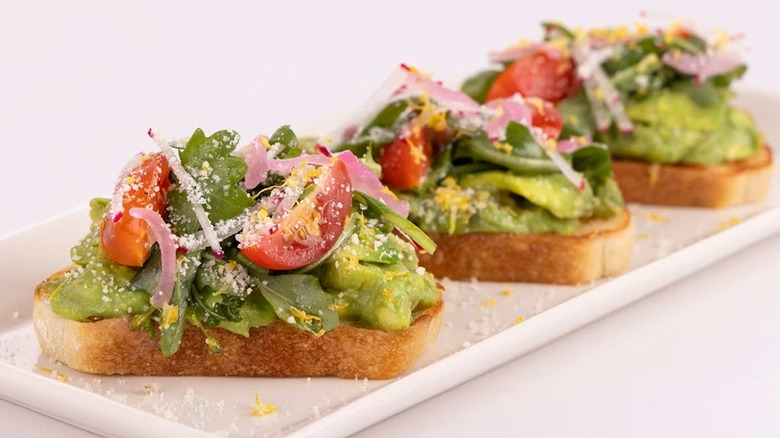
Unlike with shrinkflation, the shrinking of portion sizes at restaurants is something being openly advertised by chains as customers express interest in smaller meals which fit their now-smaller appetites. This has been most prominent at chains known for big portion sizes, including Olive Garden and Cheesecake Factory. The nation's top Italian chain rolled out a new "Lighter Portions" menu at the end of last year, with downsized offerings of some of Olive Garden's most popular pastas and entrees; including chicken parmesan, fettuccine Alfredo, and lasagna. Cheesecake Factory went a slightly different direction by adding a "Bites" section to the menu with smaller portions of some existing items alongside all new, bite-sized offerings, like avocado toast and Spicy Jambalaya Arancini. The old, huge portions offered by these chains aren't going away, but the addition of these menu sections is likely just the beginning.
GLP-1s and value concerns are leading restaurants to offer smaller portion sizes
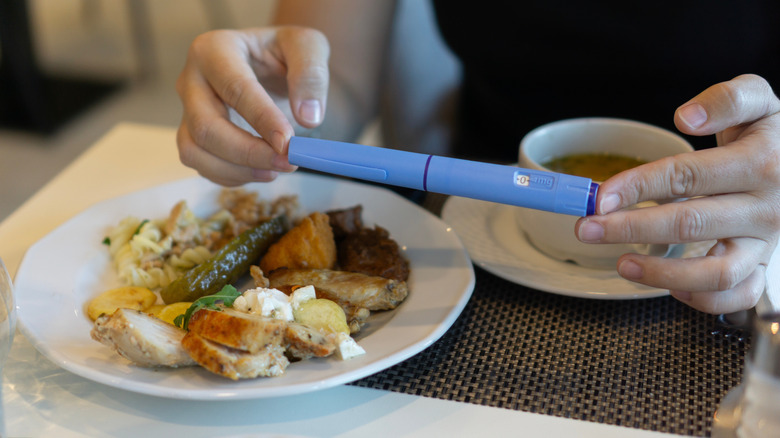
Olive Garden and Cheesecake Factory are two prominent examples, but this smaller portion trend is expanding to every corner of the restaurant industry. P.F. Chang's added medium-sized portion options to its menu at the end of last year and T.G.I. Friday's has been market testing a new small portion menu called "Eat Like a Kid" which has yet to roll out nationwide.
Fast-casual and fast food spots are also jumping on the GLP-1 train with combo meals that allow customers to mix-and-match with smaller sizes. Panera's You Pick Two combo is a classic example and has become one of its most popular menu sections. Noodles & Company recently introduced a similar Delicious Duos menu that pairs a small entree with a protein and a side.
Speaking of which, smaller portions aren't the only menu adjustments stemming from GLP-1s. The rise of these drugs is at least partly behind the protein fixation we've been seeing. Since users are consuming fewer calories, they tend to make sure what they do eat has plenty of nutrition. In response, high-protein fast food offerings are on the rise, as seen with Subway rolling out its Protein Pockets and Chipotle debuting its snack-sized High Protein Cups.
GLP-1s have been the biggest reason cited for these dietary changes, but they aren't the only thing driving this trend. Research shows younger generations are eating small snack meals frequently throughout the day as opposed to a few large meals. The Hartman Group has found that 44% of consumers are replacing at least one meal with snacks every week.
Smaller portion options offer restaurant customers a way to eat on a budget
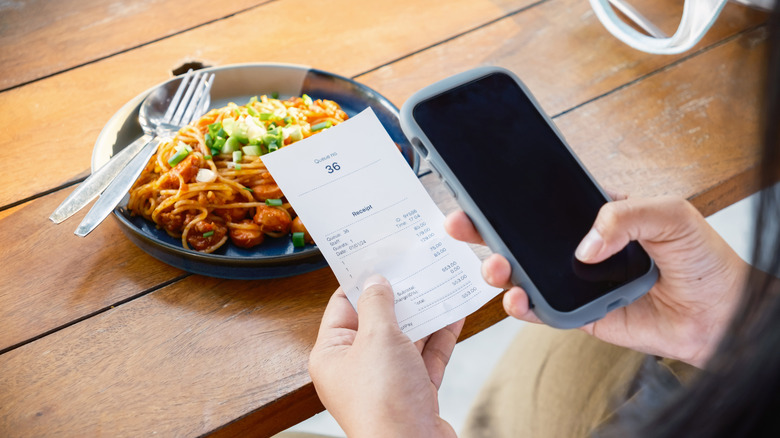
Shrinking portion sizes is a fraught thing in the restaurant industry because customers are sensitive to getting ripped off. By openly offering smaller sizes at a lower price point, restaurants can signal to value-minded customers while still offering the larger portion sizes for people who want them.
It's easy and justifiable to be angry over rising prices as a consumer, but we ought to remember that restaurants themselves are navigating higher costs. Restaurants are a low margin business, meaning net profit typically sits below 10%. Its a big reason why so many new restaurants fail. According to the National Restaurant Association, the average total expenses for running a restaurant has increased 36% since 2019. Meanwhile, the Consumer Price Index shows the cost of dining out has increased 39% over the same time frame. Hopefully those numbers even out as time goes on, but the higher cost for running a restaurant is a direct contributor to higher menu prices.
Restaurants have been hit by a perfect storm over the last half-decade. The pandemic caused labor shortages which helped drive up the cost of paying employees even as it damaged global supply chains. Unstable weather and livestock diseases have been pushing up the prices of ingredients like beef and coffee, and tariffs have helped increase the price of produce. All this has happened at the same time customers are becoming more price sensitive. With all that in mind, smaller portion sizes are proving to be an effective way to cut down the price while still respecting customers' concerns and desires.