

Shoppers Are Paying 40% More For This Garden Vegetable In 2026
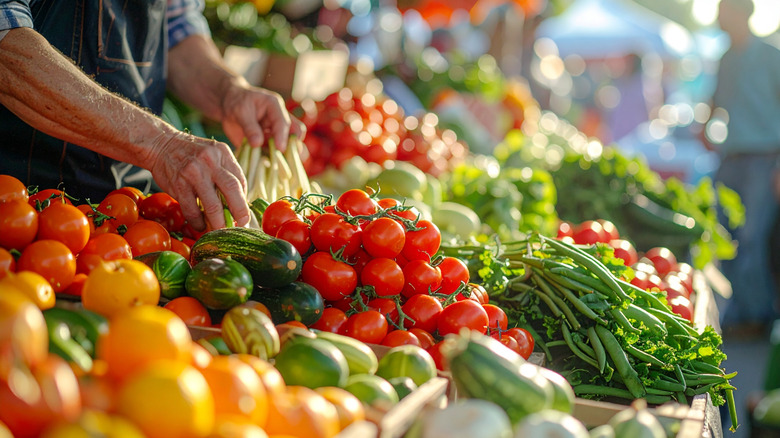
The end of 2022 saw what some described as an egg panic as prices topped $7 a dozen in some parts of the United States. Egg prices have since stabilized, but 2026 is gearing up to be a rough year for tomato fans as prices have increased 40% over the last year. In practical terms, that means tomato prices have reached as much as $8 per pound in certain areas, and tomatoes have become a luxury item for some shoppers. There is no single cause for the increase, but tariffs and rising fuel costs linked to the war in Iran have contributed.
While across the board prices have been increasing recently, tomatoes have outpaced many commodities, including beef and seafood. The war in Iran is causing shipping costs to rise as fuel prices are passed on to consumers. Additionally, about 70% of the tomatoes available in U.S. grocery stores are grown in Mexico, according to the Florida Tomato Exchange, making them subject to a 17% tariff that went into effect last July. The effects are only being fully felt now because retailers implemented price increases gradually. Even as far back as November, shoppers were noticing that moderate price increases. Those increases were small, only 4% for grape tomatoes at Walmart, and they have continued trending upward since. Some restaurants are even removing tomatoes from menus entirely.
Relief may not be on the horizon
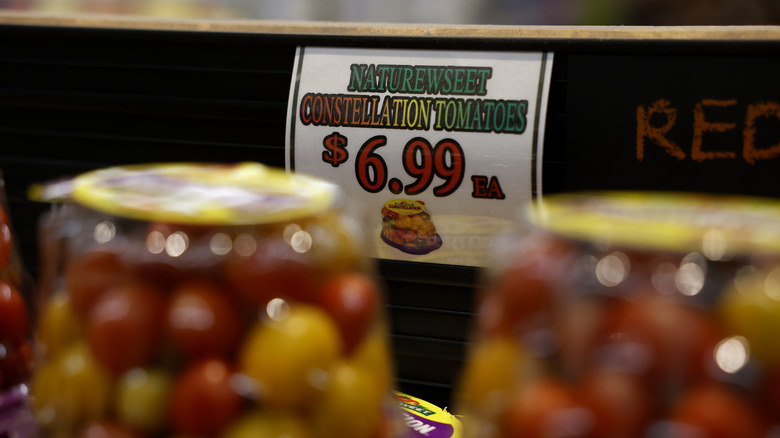
Even though tariffs were instituted in July 2025, there is a reason the increase wasn't felt by consumers right away. Businesses often try to soften the blow of tariffs by using up existing inventory, offsetting some of the cost with domestically-grown tomatoes, and engaging in cost sharing methods that temporarily absorb part of the cost. It's kind of like easing into a warm bath; instead of plunging all in at once, the prices increase over time.
Transportation and fertilizer costs have increased due to the war in Iran, and poor crop yields have added further pressure, causing prices to spike more dramatically. Domestic crops in Florida suffered losses from freezing temperatures, while Mexican crops also suffered from inclement weather, causing reduced yields.
The point of tariffs was to encourage domestic production. Domestic tomatoes could be cheaper for consumers if supply were able to keep up with demand, but crop yields aren't high enough. The increase from tariffs has been a dramatic one. Just under $17,000 in tariffs were collected in 2024 on tomatoes. That figure is now up to $4.6 million.
Some experts are hopeful that prices will decrease as more domestic crops are harvested later in the season. However, it's worth remembering that similar price drops were predicted in mid-April and prices have only increased since then. Growing your own tomatoes is starting to look like a more viable option for many people.