

Tomato Prices Are Turning This Everyday Ingredient Into A Luxury
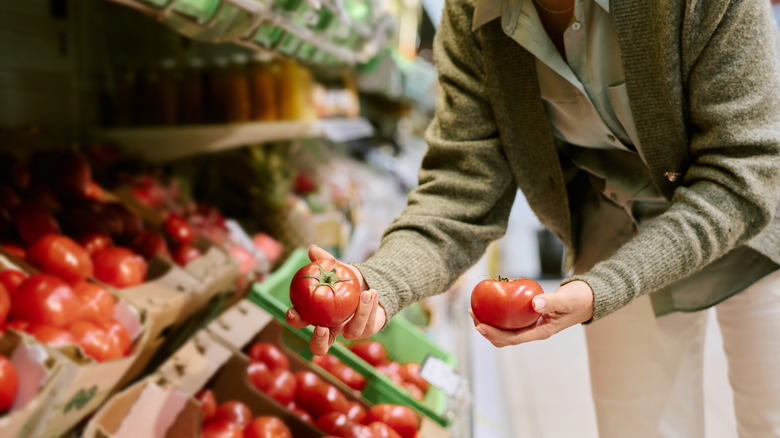
Tomatoes are among the few produce staples we are so used to eating year-round in everything from salads to sauces, that it's hard to imagine them becoming limited-time seasonal luxuries. But as the economy can be affected by ever unpredictable world events, the U.S. could face a tomato shortage. Import tariffs, climate change, and the war in Iran have created a perfect storm of problems, and tomatoes appear to be caught right in the middle of it.
If you regularly shop for fresh tomatoes, you have likely noticed an unusually high surge in their price since the beginning of 2026. By April, tomatoes had the highest price in almost a decade, and as the year continues, costs could rise even more. The first reason for this sudden price inflation is the Trump administration's tariffs on imported goods, which specifically zeroed-in on tomatoes from Mexico. Americans eat a lot of fresh tomatoes, but we don't produce enough to fully meet the demand year-round. That's why most of the tomatoes sold in the U.S. are imported from Mexico and are now subject to the newly imposed 17% import taxes.
It's not just politics, though. Like all crops, tomatoes depend on the right weather conditions to grow well, and weather patterns are getting more extreme. Both the U.S. and Mexico (where tomatoes originated) have recently experienced unusual frost in geographically warmer areas, which negatively impacted the yield of tomatoes, making them in shorter supply — and as a result, even more expensive.
Global conflicts are another reason behind soaring tomato prices
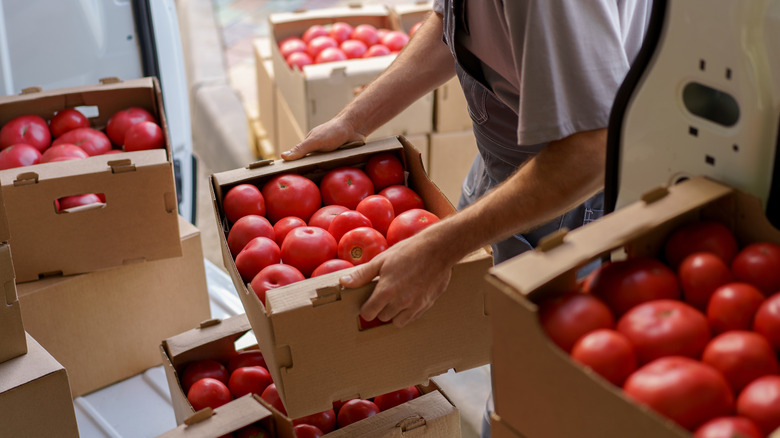
If you have the option, now is a good time to start growing your own tomatoes, because we did the math and garden-grown tomatoes are definitely cheaper. The price of tomatoes from the store is directly tied to the supply chain, which keeps being disrupted by world politics and global conflicts. The recent war in Iran has rapidly caused an oil shortage, high diesel prices, and even the closure of an important trading route. All of this has made importing and transporting foods more expensive, an issue that goes well beyond tomatoes; cooking oil, sugar and other pantry staples could all cost more soon, too.
Certain resources that are needed to grow large tomato harvests are also impacted by the war. Fertilizer, for example, has been continuously hit with supply chain issues for the past six years. The pandemic dealt the first blow, later followed by the Russian invasion of Ukraine, significant because Russia is one of the world's leading exporters of fertilizer. Now, another war in the Middle East is driving the prices of fertilizers even higher and availability even lower. Unfortunately, with these conflicts not showing any signs of easing, only time will tell when tomato prices will relent.