

Bisquick Isn't Just For Biscuits — How '60s Cooks Hacked It For Quick Homemade Pasta
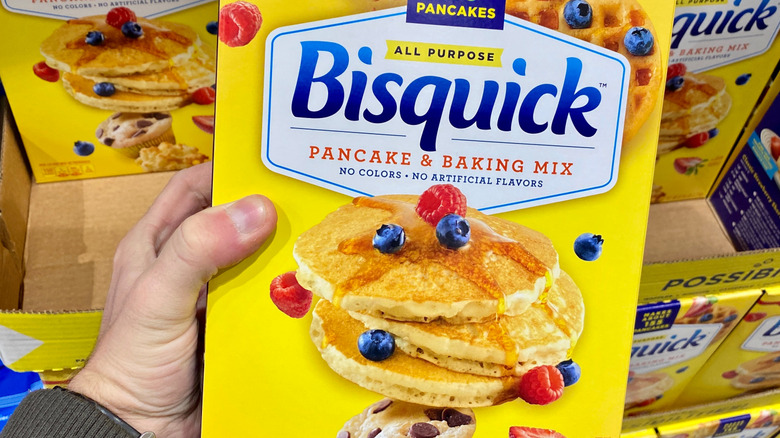
Cooks looking for more convenient ways to make pancakes or biscuits have reached for packages of Bisquick since the 1930s. Though the mix had been intended to be used to make baked goods, ingenious cooks have long been putting the ingredient to work in other recipes. In 1956, Betty Crocker's Bisquick Cookbook instructed that the pantry staple could be used to make homemade noodles by mixing an egg and a cup of the mix. This hack has been an easy process to master for many home cooks.
The process begins by rolling the ingredients into a dough and cutting this into strips. Once sliced, Bisquick noodles are best left to dry for at least 6 hours or overnight, which allows the texture to firm up and the pieces to hold their shape when submerged into liquid. Whether plopped into simmering broth or cooked straight into gravy, the noodles will turn tender after a few minutes of cooking. The appeal isn't speed, since the dough still needs hours to dry, but the process is more straightforward than a traditional recipe and bypasses the need to track down semolina flour or rummage around for a pasta roller. With just two pantry staples and a rolling pin, homemade noodles are made approachable for even the novice cook.
Why the mix changes the noodles
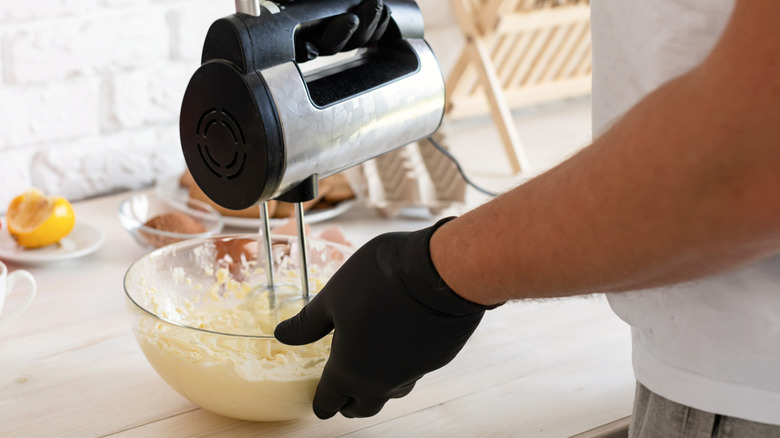
While store-bought noodles are easy to find, making Bisquick noodles might be driven more by nostalgia rather than need. That said, there is a reason why the method still has fans. These aren't a standard homemade egg noodle recipe, which typically features flour and eggs. These noodles contain added ingredients, like sugar, corn starch, vegetable oil, leavening, and salt, since Bisquick is generally intended for use in pancake and biscuit recipes. This means that Bisquick noodles won't behave exactly like egg noodles and may turn out more tender. The leavening puffs the dough as it cooks, and the sugar adds subtle sweetness to savory dishes. Since salt is already included, you may not need as much seasoning for the rest of the meal.
Bisquick noodles can be incorporated into any dish that calls for egg noodles, like chicken soup and beef stroganoff. But, if you're attempting to make them, embrace the spirit of nostalgia and serve them with homestyle recipes, like classic chicken and noodles. In addition to using Bisquick to make noodles, the powdery mix can also be turned into a shortcut binder for sausages or meatloaf or incorporated into onion ring recipes. Of course, if you set out to make pasta and find yourself craving dumplings, Bisquick can yield dumplings with the easy addition of milk. Convenience might be a perk of making these recipes, but Bisquick can bring a taste of mid-century kitchens into the comfort of your own home.