

13 Canned Foods You Would Find In Every Pantry In The '60s
The 1960s were an exciting time of innovative convenience. Burgeoning technology, shifts in family dynamics, suburban expansion, and even space travel led to a collective desire for fast and easy ways to enhance emerging lifestyle changes. As a result, consumers leaned into the convenience food market in the '60s, particularly when it came to preserved items like canned foods.
Canned foods weren't new that decade, and the Great Depression and World War II both played significant roles in boosting their later popularity. But developments in safety precautions for canned foods and approval from the USDA's Food Stamp Act in 1964 vetted the credibility of such products like never before. Homemakers began to use canned foods as the cornerstone of many dishes. Products and adjoining recipes covered the ad pages of various magazines and home economics journals, which proved to be a major influence on grocery shoppers' carts.
By the end of the '60s, the decade had successfully produced a myriad of old and new options of canned foods. Of this category, a select few seemed to consistently beat the competition, and showed up in every pantry. These were essential ingredients, serving as foundation for the many beloved meals from the decade. With that in mind, here are 13 canned foods you would find in every pantry in the '60s.
SPAM
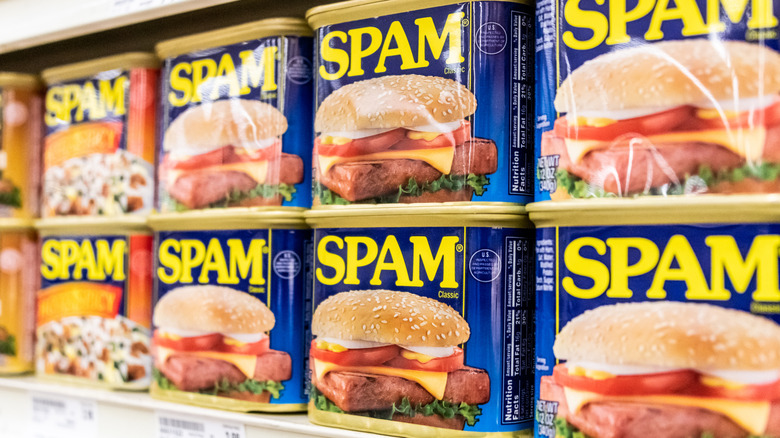
SPAM's popularity in the 1960s was due to its rise as a ration during World War II. First distributed in 1937, this canned meat made of pork and ham made its debut at the perfect time. Soldiers' familiarity with the quick and convenient product aided SPAM's journey towards their homes in the 1960s.
It was a no-brainer for every family in America to add SPAM to their pantries. Its versatility made it a lunch or dinner staple , one that could be ready in minutes. Additionally, the product's short and comprehensible list of six recognizable ingredients gained the trust of its consumers. After all, though many mid-century families were on board with the rise of preserved food, familiar ingredients still greatly influenced buying decisions.
Another strong suit of SPAM in its early days was its fun marketing approaches and eye-catching iconography. The singular pantry staple's advertisements were punchy and colorful, and its straightforward slogan — "you can serve it cold, you can serve it hot, you can slice it, dice it, bake it, fry it" – aligned with mothers who valued versatility and convenience in their pantry products. Fast forwarding a few decades, SPAM is still around in 2026, with thriving sales numbers due to its enduring attributes.
Preserved ham
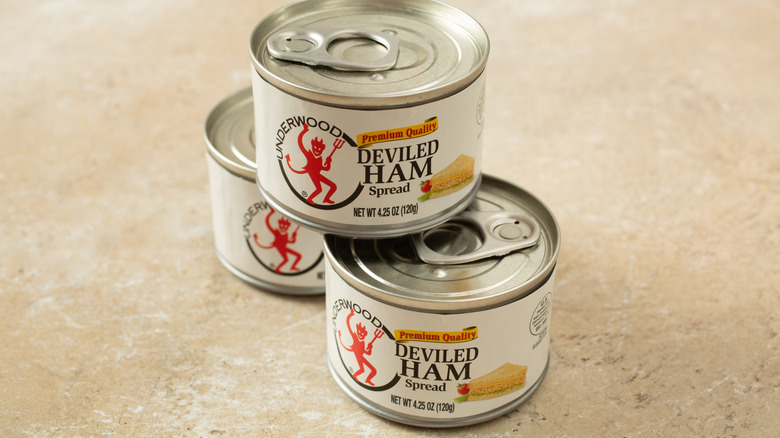
As canned food became a 1960s sensation, consumers adopted these tin containers into every part of their food pyramid. Convenience food was no longer a last resort –- the items were used as essential ingredients to side dishes, main courses, and party offerings. Of these recipes, preserved ham was the central component of popular dishes like ham spread, otherwise known as ham salad, and ham mousse (a jello mold creation.) In simpler dishes, it was often used in sandwiches and celebrated as an easy source of protein.
The canned ham empire was ruled by a few brands during the decade. For starters, Underwood Deviled Ham had a solid reputation as a pantry must, partly influenced by its frequent advertisements in homemaking magazines. Additionally, this oft-forgotten old school brand of deviled ham was a fixture in the Kennedy household – and that type of advertising is hard to beat.
Another highly favored canned meat alternative in the '60s was Armour Star Treet. Made with pork shoulder and ham, it was another easy-to-prep, protein-packed option. Wilson's was a fixture in pantries, as well, offering many varieties of canned ham and other meats. Much like SPAM, these cheerfully named meat-in-a-can choices advertised its use on pizza, sandwiches, larger courses, and more. The competition of several preserved ham brands is a testament to how essential these canned items were for folks in the '60s.
Fruit cocktail
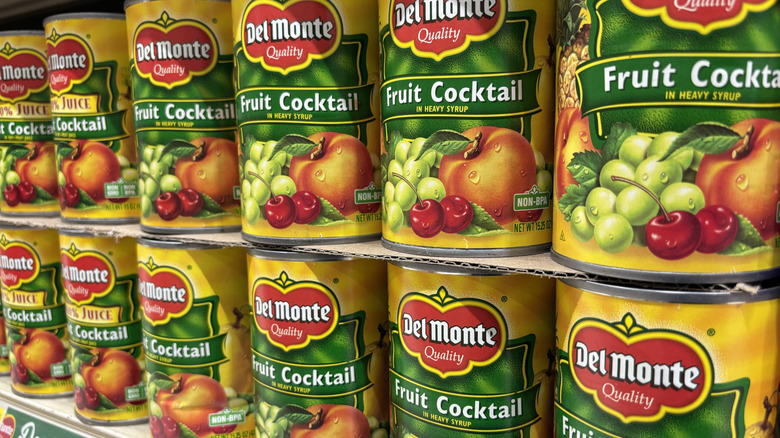
The 1960s was a time of unique after-dinner delights. Creative dishes like the marshmallow-heavy ambrosia salad and brightly colored jello desserts adorned tables of festive cocktail parties. Many of these unexpected recipes called for a thing called "fruit cocktail." Consumed as a dessert or snack on its own, this fruity concoction upped the aesthetic ante of the sweet favorites of the day.
Inventive desserts weren't just a fixture of 1960s cookbooks – they were becoming increasingly integral to the American diet. In the '60s, fruit and sugar consumption levels rose to new heights for several reasons. At the time, low-fat diets were more of a concern – a trend happily supported, and even funded, by big sugar manufacturers. Heightened sugar consumption, stay-at-home moms, and party lifestyles all pointed to more sweets. Moms today may be more wary about sugar, but in the 1960s, the ingredient wasn't considered unhealthy. Fruit cocktail filled in for out-of-season fresh fruits and fit right in with the embrace of sugar-heavy recipes.
Chef Boyardee products
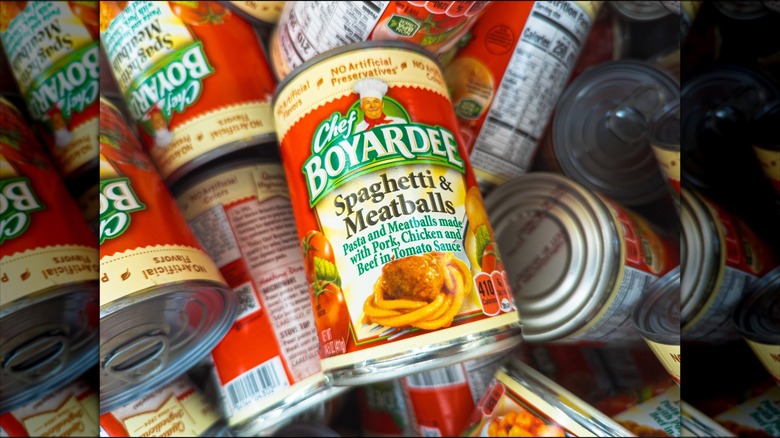
For many kids in the 1960s, Chef Boyardee canned products were seen as a quick (and supposedly balanced) meal. Its ravioli and Beefaroni items, among others, were often seen in magazines and commercials. Described as "delicious bite-size meat pies" by the company, Chef Boyardee products were advertised as Italian dishes that could be made in minutes, and these meals-in-a-can were found in every pantry during the decade.
Chef Boyardee had an edge over other brands due to its professional appeal. Initially created a real chef (not just a fictional character), the brand had credibility on its side regarding "real Italian" claims. The man behind the brand, Ettore "Hector" Boiardi, got into business by cooking for major hotels and eventually opening his own family-run restaurant. From there, he formed the idea of selling sauces, and thus began the name's canning empire.
With preserved food having its moment in the '60s, Chef Boyardee's trajectory led to a spot on the shelf with the rest of the major can brands. Because the brand was unique, backed by a personal story and longstanding credibility, these products found a place in countless American pantries.
Tuna
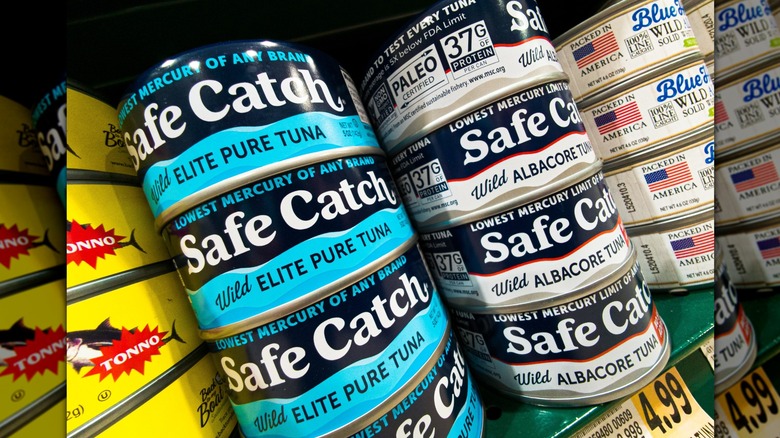
Tuna was a top ingredient for a wide variety of inventive recipes in the '60s. Dishes like tuna-stuffed eggs, tuna bakes, melts, loaves, and casseroles frequented dinner tables or spreads at cocktail parties. Appropriate to eat at any time of the day, the canned fish served as an important component of many classic American eats and a staple for every pantry.
Following the advertising trend of entertaining characters and clever catchphrases, Chicken of the Sea and Starkist Tuna were well-known brands. However, they weren't alone in the canned fish department of 1960s grocery stores. During this era, canned tuna was somewhat of a phenomenom. Mid-century findings about the excellent nutritional value of fish changed consumers' perspectives and caused an uptick in interest.
Additionally, the process of catching and preparing fish isn't for everyone — and it's definitely not convenient. Comparing this toil to ready-to-buy cans, tuna was seen as almost glamorous enough to be served as a cocktail party contribution. Outside of nighttime festivities, the affordable treat worked itself into kids' lunches, sit-down dinners, and quick snacks.
Campbell's Tomato Soup
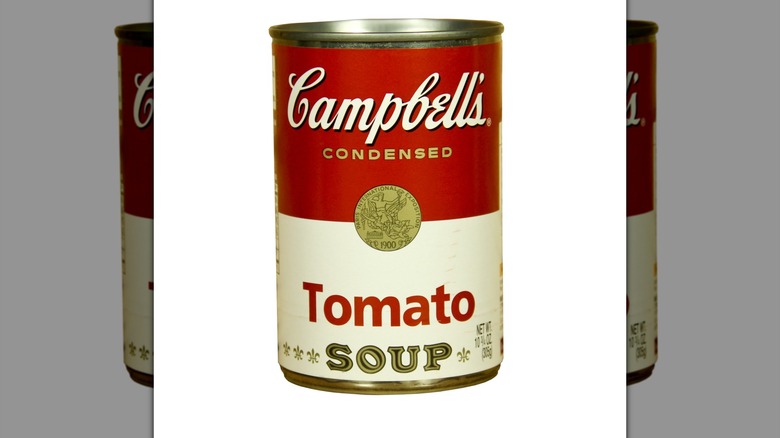
Campbell's Tomato Soup isn't just a 1960s pantry staple –- it's an icon of American food history. By this decade, Campbell's was already a familiar and trusted brand to Americans. The '60s solidified this specific type and brand of soup, highlighting the flavor in tons of recipes and even marketing it as a cheap ingredient to use in Italian dishes.
Aside from prior accomplishments and versatility, Campbell's success in the 1960s had a lot to do with the brand's advertising, both planned and happenstance. After all, it's hard to think of the history of Campbell's Tomato Soup without also conjuring Andy Warhol's famous Campbell Soup print. Debuting in 1962, the pop art piece features rows of graphic and brightly colored Campbell's cans. The artwork caused a sensation, leading to other soup-related creations. The Souper Dress was a '60s fashion statement –- a pattern that could be made with the soup's labels.
Campbell's advertisements and commercials for its tomato flavor were catchy, widespread, and appealing to both kids and adults. The brilliant Soup 'n sandwich ad campaign glorified the iconic pairing of grilled cheese and tomato soup. The can was super cheap in the 1960s (and still is), which made it affordable for all homes in the '60s. The recognition, accessibility, and flavor of the product made it integral to every pantry at that time.
Campbell's Cream of Mushroom Soup
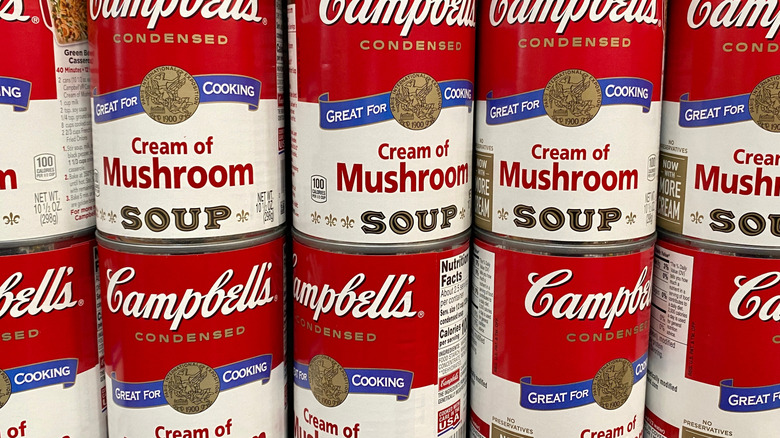
Despite its popularity, Campbell's tomato soup had some competition with its cream of mushroom variety. For one, casseroles of all kinds were a major recipe trend of the '60s. These baked dishes were easy to make, could feed a large family, and depended on canned food –- a gleeful fact for the convenience-crazed homemakers of the '60s. Of these casseroles, Campbell's Cream of Mushroom was the shining star, earning it a spot in numerous homes.
An irreplaceable ingredient in many popular dishes of the day, the condensed soup was even known as "the Lutheran binder" for its regular mentions in church cookbooks. Plus, the brand heavily mass-produced its own line of cookbooks during the '50s and '60s. These Campbell's cookbooks catered to the unique needs of busy 1960s households, with titles of "Easy Ways to Delicious Meals" and "Campbell's Emergency Dinner Cookbook." As these titles imply, Campbell's "Cooking With Soup" and "Wonderful Ways with Soup" cookbooks encouraged homemakers to use the brand's soups in everything and as often as possible.
Tuna bean supper dish, turkey stroganoff, and pork chops 'n stuffing are a just a few recipes that called on cream of mushroom, along with recipes for gravies, spreads, skillet dishes, and other specialties. Considering the dining habits of families back then, it's certain that Campbell's cream of mushroom soup populated both the grocery stores and pantries of '60s America.
SpaghettiOs
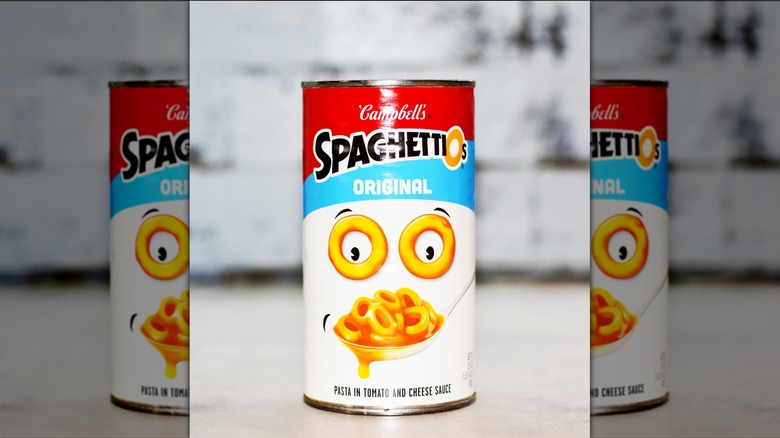
SpaghettiOs boasts an impressive rise to its now cemented status. First produced in 1965, its initial product testing trials went so well that the brand skipped further rounds and pushed the product straight to market.
Why did SpaghettiOs hit success almost immediately? Its original slogan "the neat new spaghetti kids (and everybody) can eat with a spoon" sums it up. A crowd-pleaser for both diner and preparer, moms liked it because it was easier to make and less messy than traditional spaghetti. For a more balanced meal, the neat shapes could be souped up with other canned foods like vegetables, chopped meats, and vienna sausages.
SpaghettiOs maintained a cool shape that was fun to eat, creating a popularity among kids that gave way to flowing revenue throughout the 1960s. Furthermore, the incredibly catchy "uh-oh SpaghettiOs" jingle and vibrant full-page ads didn't hurt the product's prominence either. Lining the pantries of all '60s homes, the 15-ounce can made for a perfect kid dinner portion, but could also accommodate as a side dish. And SpaghettiOs still serves as an American pantry favorite in the 2020s.
Green Giant Niblets Corn
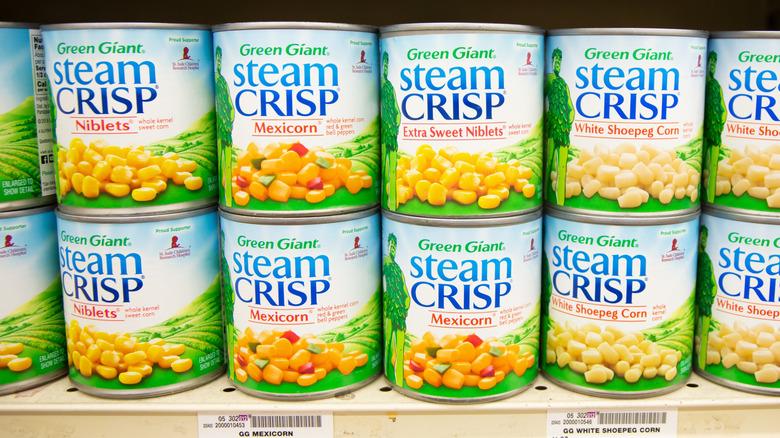
Although many canned favorites of the 1960s were more tasty than nutritious, canned vegetables also had their heyday during this decade. Great for the popular casseroles and salads of the time, canned corn was a multi-purpose ingredient that could cover the required veggie servings of a meal. By investing in canned vegetables over fresh, meal makers didn't have to worry about wasting wilted veggies and saved time in preparation.
Although many successful brands produced canned vegetables, Green Giant changed the canned food industry by implementing new preservation techniques. Before this line, canned corn was usually preserved in heavy liquid –- a method that yielded less corn and a mushy texture. Green Giant introduced vacuum-sealed corn niblets, producing a canned corn option that was fresher tasting than competitors.
Of course, the company would still likely have been well-known, and widely found in pantries, during the '60s. Green Giant's advertisements colored the pages of popular magazines, adding allure with the Jolly Green Giant as its mascot. The brand even opened Green Giant garden centers and restaurants as a way to create more revenue and gain status as the household name for canned vegetables. Green Giant also magnetized attention by introducing frozen vegetables in 1961. For all of these reasons, Green Giant Niblets Corn earned its spot in every pantry of the '60s.
Blue Lake Cut Green Beans
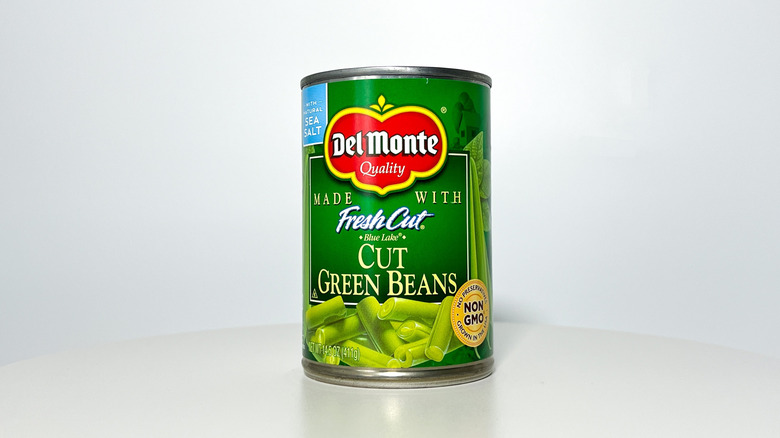
In the 1960s, green beans in a can were abundant and easy to find in grocery stores. However, Blue Lake Cut Green Beans were set apart from others due to a higher standard of quality control. At this time, it was no secret that canned foods were giving fresh options competition. Nonetheless, buyers still looked for the closest thing to the real deal in terms of flavor and texture. Special attention to sourcing and preparation made these legumes seem like a fancy option in a sea of standard cans.
In the 1960s, the cost of living was rising on average. Blue Lake Cut Green Beans was an accessible yet elite '60s pantry item that could be used in a multitude of ways, representing money well-spent. Several brands had their own versions of Blue Lake Cut Green Beans, which made their way into mass produced advertising cookbooks. Perhaps the most popular brand to can this type of green bean, Del Monte cleverly placed full-page advertisements which also included helpful recipes. The product was a cut above the rest but not more expensive, making it a regular in every pantry in the 1960s.
Milk alternatives
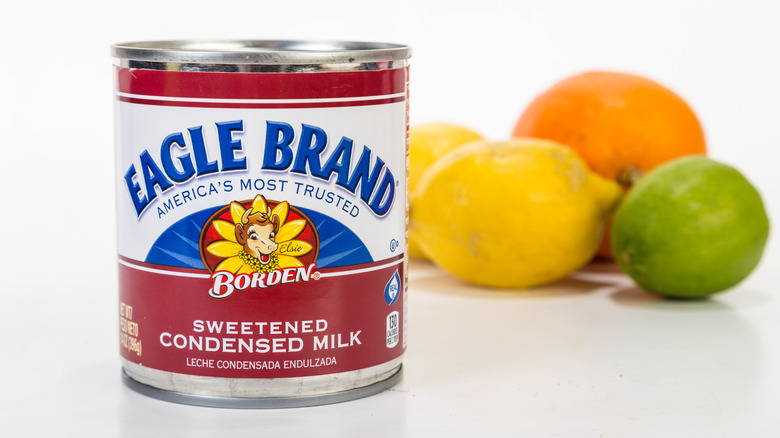
Featured in an array of 1960s magazines, sweetened condensed milk grew its success due to its hand in no-bake recipes like fudge, cookies, and cakes. Marketed as a supposedly magic ingredient, sweetened condensed milk could be used as a multi-purpose and multi-ingredient product. Its thick consistency, sweet flavor, and stable shelf life meant the product could fill in for milk, sugar, and even butter for satisfying results, earning a spot in every pantry as a result.
Furthermore, low or non-fat was a prominent diet fad in the 1960s, helping milk alternatives gain popularity. Consumers were also obsessed with time-saving products, leading to various kitchen gadgets being invented in the '60s, along with an uprising in the popularity of canned items. Carnation Evaporated Milk capitalized on these points, creating both fat-free and low-fat options for its just-add-water milk alternative. For those still partial to milk cartons, Carnation also introduced its Instant Breakfast product in 1964. These convenient packets contained protein, vitamins, minerals, and flavoring that could be stirred into a glass of milk as a tasty meal replacement option.
Additionally, Borden Eagle Brand sweetened condensed milk was an especially favored choice of the decade, with its memorable and adorable Elsie the Cow mascot. Although not seen as pantry essentials today, sweetened condensed milk, evaporated milk, and even Carnation's Instant Breakfast definitely impacted how people used and consumed dairy products in the 1960s. Every American family stocked their pantry with these products, which aligned with the time period's dining trends.
Beans
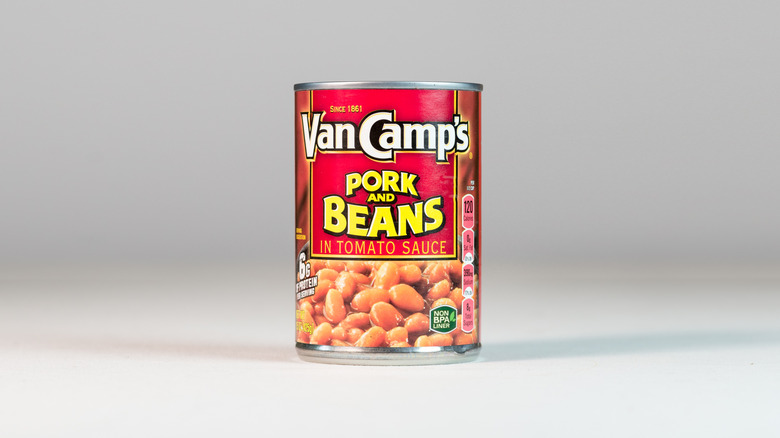
Cheap, easy, and protein-rich, canned beans adorned every pantry in the '60s. For one, beans were a perfect side dish or potluck offering. This is significant, considering the craze of potlucks and similar get-togethers during this time. For family or neighborhood gatherings in the swinging 60's, cookouts were a common occurrence. Barbeque beans served as an ideal, almost instant companion to hot dogs, hamburgers, and other food items found in such settings.
Products like Van Camp's Pork and Beans offered a more substantial spin, adding protein, flavor, and texture that expanded the meal possibilities of these cans. Amusing ad campaigns like "Beans N' Wieners" were festive and appealing to consumers. Most importantly, canned beans cut hours off of prep from the original cooking method. With cookouts, family meals, and potlucks popularly featuring bean dishes in the '60s, this time-saver stayed in every 1960s pantry.
Fruit fillings
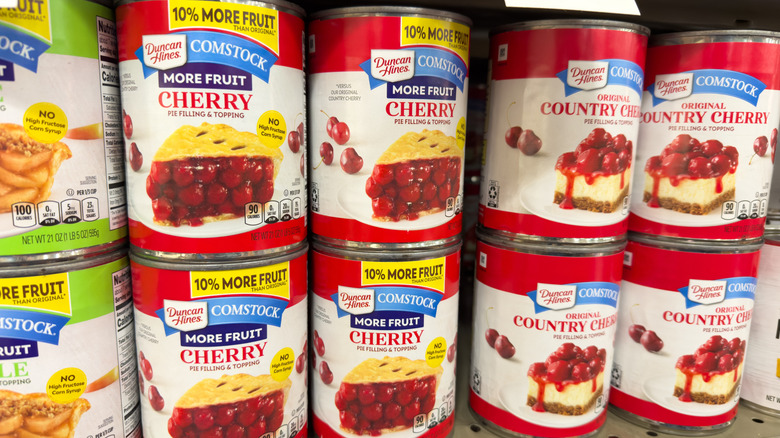
During a decade where desserts and sweets reigned supreme, pies and other fruit-filled treats made regular appearances. Canned fruit fillings saved preparation time and money spent on ingredients, coming already sliced, sweetened, and syrupy right out of the can. Using in-season fruits became less of an occurrence, as this restriction was no longer necessary.
Comstock pie fillings were a leading item, offering up the flavors of apple, cherry, mincemeat, blueberry, apricot, and more. The product line even produced several cookbooks to use in tandem with these products, much like Campbell's cookbooks with its soups.
Now, fruit fillings weren't a 1960s invention; these canned fillings had been around for quite some time beforehand, with their rise in popularity occurring during the early 1900s. However, new developments in the '50s and '60s brought improved food production standards that better upheld safety regulations. With preserved fruit fillings regarded as much safer than in prior years, at-home pastry chefs of the '60s could comfortably have a field day with these products –- and that they did. According to heavy advertising and the food trends of this time, it's clear that every 1960s homemaker kept canned fruit filling in their kitchen pantries.