

10 Kitchen Scraps You Can Use To Attract Birds To Your Garden
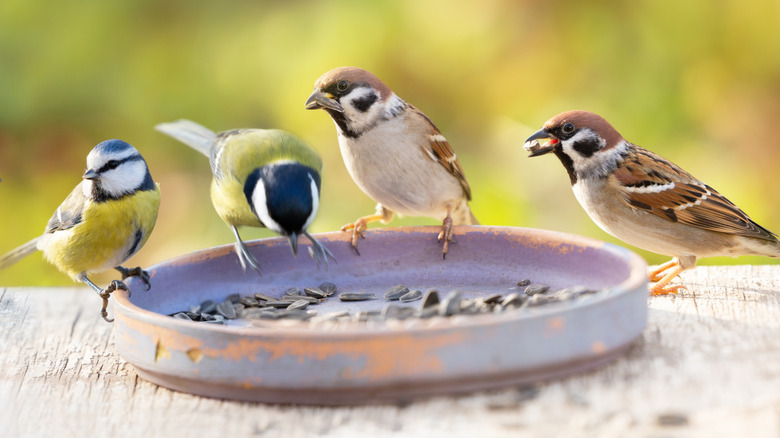
A well-tended garden is a beautiful sight, yet it becomes even more splendid with the addition of birds flitting around. Setting out food for birds not only attracts them to your garden, but provides extra nutrition to the wild population, helping them to migrate and survive the winter months. You don't need to buy expensive bird food, either — scraps and leftover foods from your kitchen can do the job swimmingly.
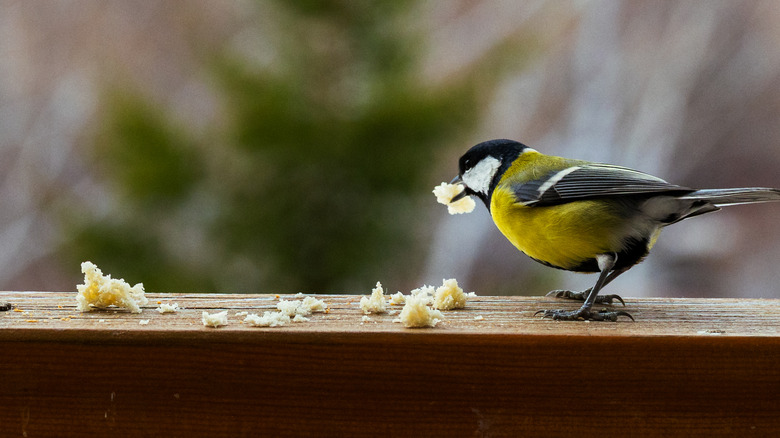
Much like composting at home, feeding kitchen scraps to birds enhances your garden while saving on food waste. We've rounded up 10 of the safest, most nutritious foods to set out in your backyard feeder (or an old coffee mug, which can be made into a DIY alternative). Crucially, you should also learn which foods are unsafe for birds. The classic choices of bread, crackers, and other baked goods are actually a bad idea. They don't provide nutritional value and birds may wind up malnourished if they fill up on these empty carbs.
Onions, garlic, avocados, raw meat, honey, and salty or sugary snacks like chips, seasoned nuts, or chocolate are also no-gos, either because they're toxic to birds or go bad quickly, potentially causing illnesses. Certain types of foods are also more beneficial to birds during specific seasons, so do research to see what you should put out during different times of year, and when you should set out more food or let birds feed on natural sources instead. With that, here are the best kitchen scraps to give to your feathered friends.
Fruits
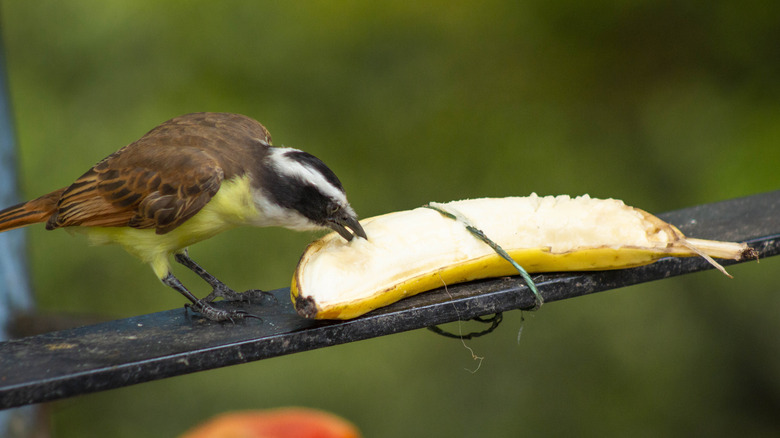
You can not only plant fruits to attract birds to your yard, but set out bruised fruits and fruit trimmings, like a browned section of an apple or banana that you don't want to eat. Other fruits that birds love include oranges, berries, peaches, plums, and cherries. Cut fruits into small pieces, remove pits and seeds (berry and banana seeds should be okay), and check on fruit you've set out daily to remove any moldy, spoiled pieces.
Vegetables
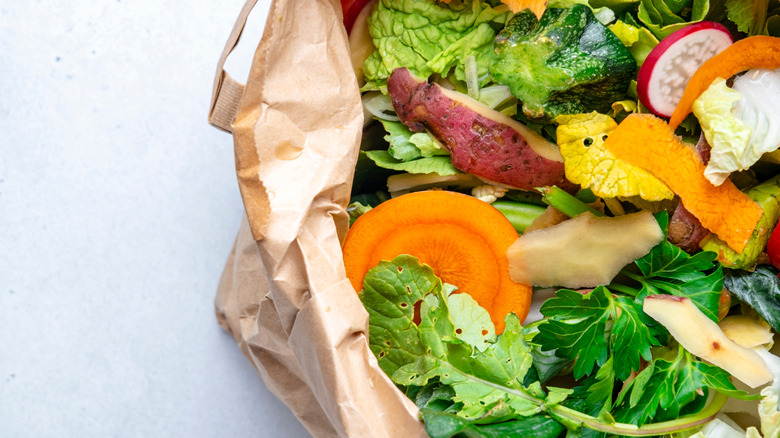
Many vegetables are good for wild birds, including scraps you would otherwise throw out. A few great options, whether raw or cooked, include carrots and carrot tops, broccoli, snap peas, bell peppers, leafy greens, squash like zucchini, and beets, radishes, and turnips (as well as their leaves!). Wash vegetables thoroughly beforehand, and never give birds veggies or other foods that have been cooked with oil, salt, or seasonings. Plain boiled, steamed, or microwaved veggies are best.
Natural, unsalted peanut butter
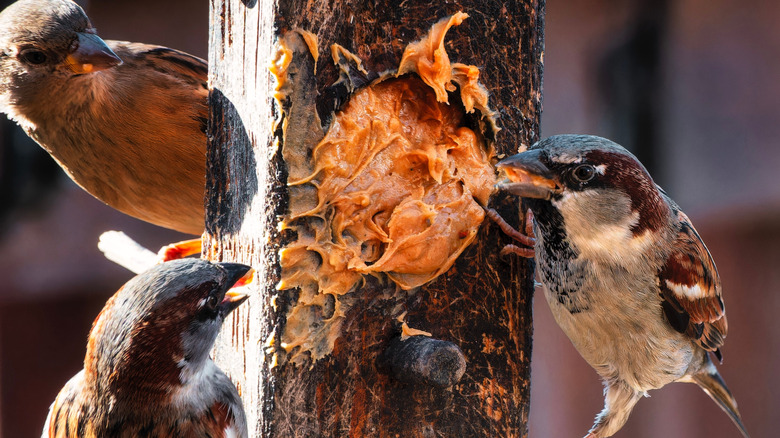
If you can't finish some unsalted peanut butter, put it in your bird feeder for a valuable source of fat and protein. PB should not only be unsalted, but free of added sugar and artificial sweeteners (the latter is toxic to birds). Natural or organic products with minimal additives are ideal. While some sources recommend smearing peanut butter on trees for birds, this can spread it onto their feathers and become harmful — put it in designated feeders instead.
Plain, cooked pasta
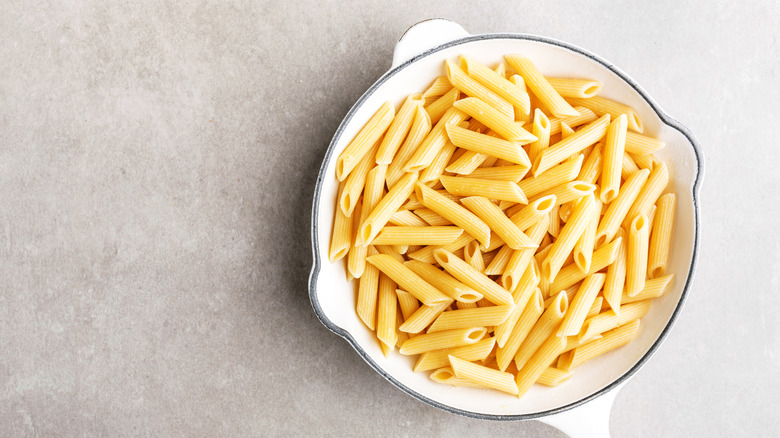
Did you boil too much spaghetti or penne? Unlike baked goods, which may contain sugar and processed ingredients that are bad for birds, plain cooked pasta is fine to set out now and again as a source of carbs. Thoroughly rinse the noodles first to get rid of excess salt and cut them into small pieces, and remember that sauced or seasoned pastas are no-nos, especially since many pasta sauces contain toxic garlic and onion.
Egg shells
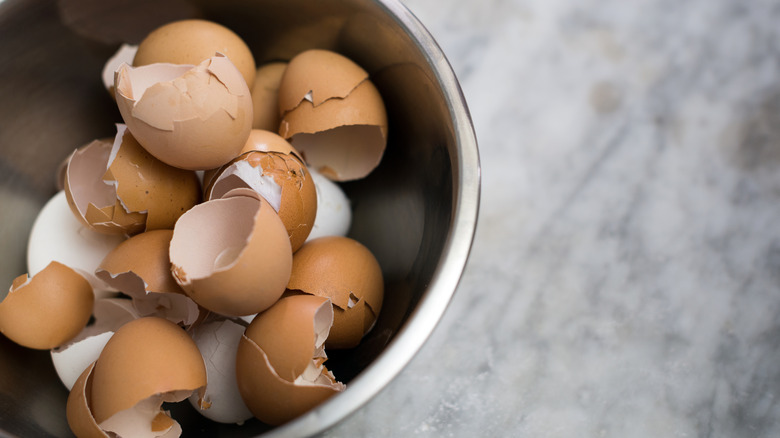
Egg shells rank among the most nutritious, waste-reducing kitchen scraps for attracting and feeding birds, providing a much-needed source of calcium for species like robins. Rinse the shells well in water to remove any bacteria, then make them brittle and easier for birds to munch by baking them in the oven at 250 degrees Fahrenheit for 10 to 20 minutes. Wash your hands throughout this process to avoid spreading germs. Crush the shells up, set them out, and let the birdies enjoy them.
Low-lactose cheese (in moderation)
Don't throw out that last bit of cheese — save it for the birds, as it can give them essential fats, protein, and calcium. However, while birds can tolerate lactose in small amounts, they cannot thoroughly digest it, so only set out cheese occasionally in small amounts. It's best to feed birds with grated, hard, low-lactose cheese like cheddar and gouda instead of fresh, creamy cheeses with strong flavors. Be very sparing with high-salt varieties like Parmesan.
Cooked potatoes
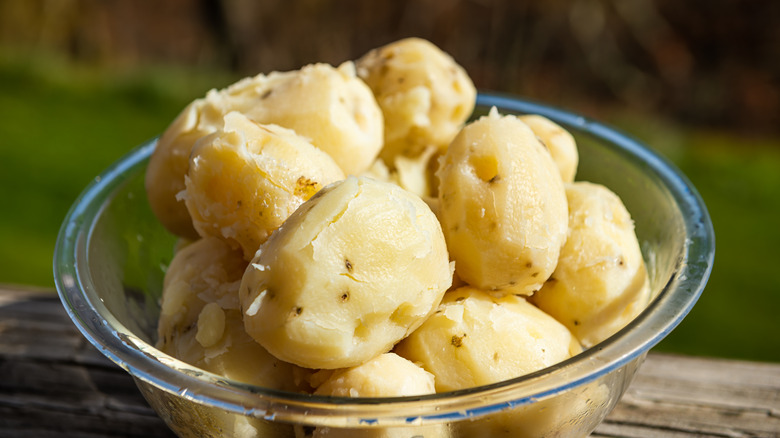
Potatoes are one veggie that should always be peeled and cooked before feeding to birds, as the skin and raw flesh contain solanine, a compound toxic to avians. Spuds with salt or dairy like milk, butter, and cream are also off limits, and feeding birds too many potatoes may lead to excess weight gain. With that said, plain, leftover spuds can serve as nice occasional snacks, especially in the wintertime when birds need more carbs.
Grains
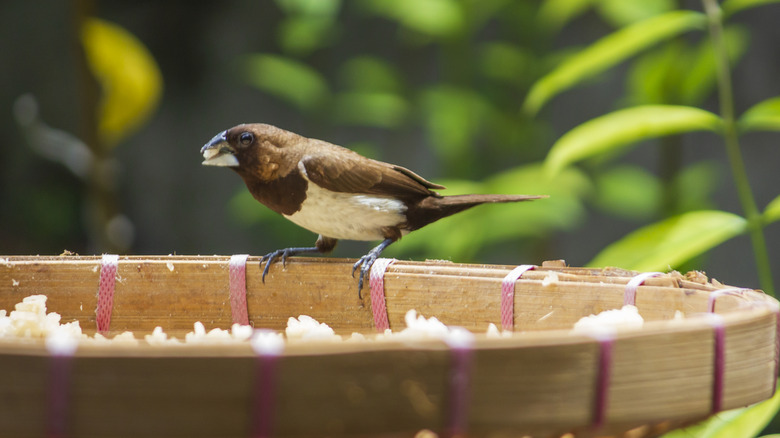
Many popular types of grains are great for birds, including oats, millet, rice, barley, and quinoa. Using a mix of grains can attract a wider variety of birds to your garden. Barley and rice should ideally be cooked, as uncooked barley can be a bit tough, while cooked rice tends to attract a larger number of species compared to raw. Meanwhile, cooked oats can stick to and harden around a bird's beak, so leave those uncooked.
Seeds
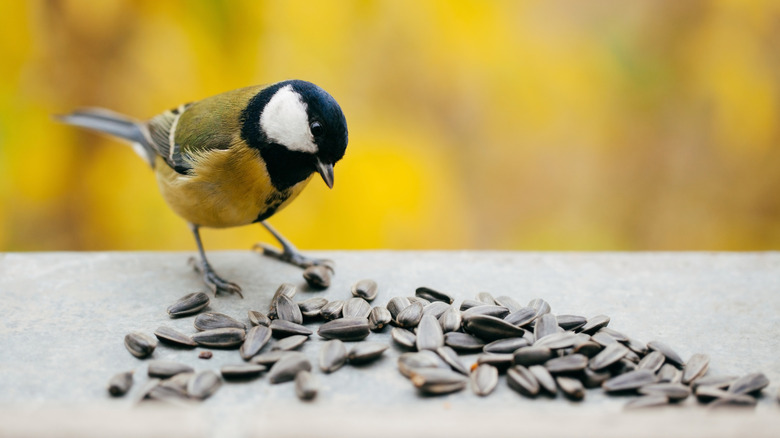
You don't need to buy birdseed to make birds flock to your garden. Unsalted seeds you might have in your pantry also work, including sesame, rye, sorghum, and especially sunflower seeds. Black oil sunflower seeds are the best type, as they're easy to crack and contain plenty of fat to nourish birds. If you have shelled sunflower seeds, even better — those can attract bigger birds as well as smaller ones that normally can't crack seeds open.
Unsalted, unflavored nuts
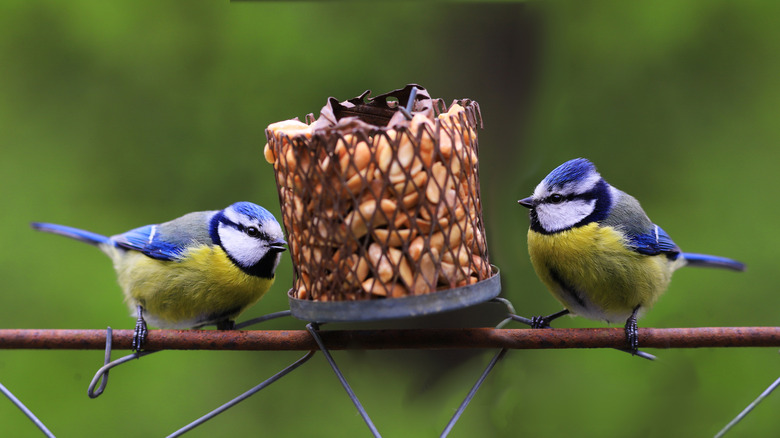
Wild birds adore all kinds of nutrient-dense, raw or roasted nuts, including almonds, hazelnuts, peanuts, pecans, pistachios, cashews, and walnuts. Similarly to seeds, shelling and breaking up the nuts into smaller pieces allows smaller birds to enjoy them, bringing more species to your yard. You can also simply crack the shells to make them easier to remove. Just remember that the nuts should be 100% plain and shouldn't contain added salt, flavors, or seasonings.