

15 Indigenous Foods That Shaped The American West
If you've ever wondered what exactly constitutes the American West, it's essentially everything west of the Great Plains. According to the U.S. Census Bureau, that includes Alaska, Arizona, California, Colorado, Hawaii, Idaho, Montana, Nevada, New Mexico, Oregon, Utah, Washington, and Wyoming. Sometimes that definition expands to Texas, and any other state located west of the Mississippi River. In short, the West encompasses an enormous part of the country. But long before Europeans touched down on the East Coast and settlers journeyed westward, Indigenous peoples had been living off (and in harmony with) the land for thousands of years.
Foraging, fishing, and hunting were common in most communities, and we even have Indigenous peoples to thank for the origins or barbecue. Encompassing so much more than frybread — which only came about when the United States government distributed modern food commodities to forcibly displaced Navajo communities in the 1860s — there are many Native American foods you should try at least once. In fact, many of them still grow in abundance.
Out of all the most iconic ingredients native to North America, those native to the American West are incredibly unique, given the diverse range of environments in the region. Indigenous peoples planted three of the first foods on this list together, often called "the three sisters," beginning with the Iroquois centuries before the first settlers arrived. Tall corn stalks allow pole beans to grow vertically, while the beans lend beneficial nitrogen to the soil. The large leaves from squash plants protect the plants from too much sun and from overgrowth of weeds. Of course, there were plenty of other foods that helped shape the West as well, and here are 15 of the most important.
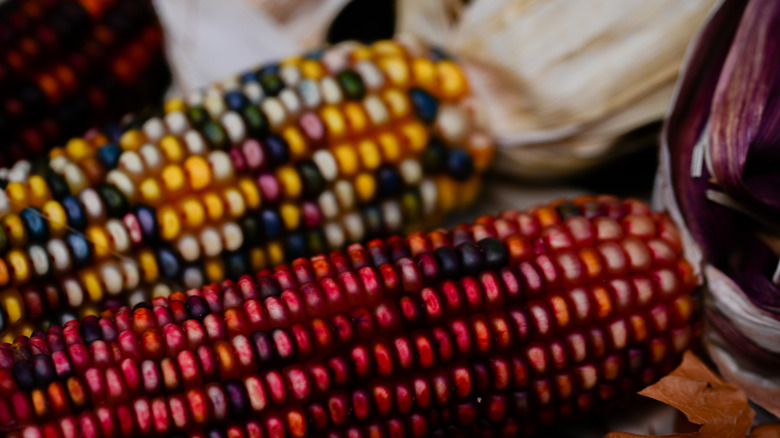
Maize, also known as corn
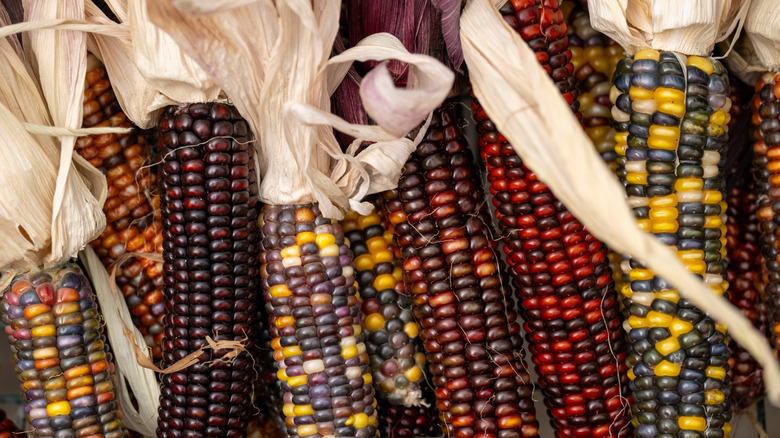
Corn has a long and complex history, and it wasn't always edible. Indigenous peoples were the ones to show Europeans how to grow corn, which had been cultivated in Central or South America over thousands of years ago. In the American West, the Pueblo were introduced to corn (also called maize) in 1,200 B.C., and more than 2,000 years later, it became a major crop for other tribes like the Iroquois and Cherokee as well. Corn contains carbohydrates and fiber, as well as vitamins and minerals.
Beans
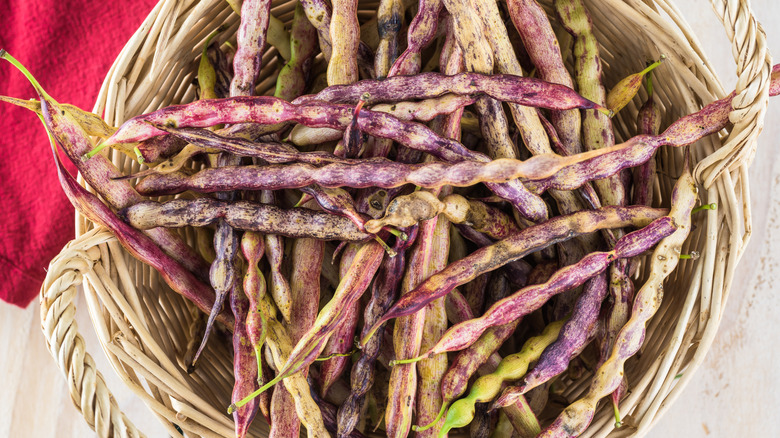
Beans provide the amino acids that corn is missing — although corn actually provides the two amino acids that beans are lacking — and are a great source of protein, fiber, B vitamins, and minerals in the Indigenous diet. Mesquite beans, in particular, were grounded by the Coahuiltecan and Pima tribes into a flour high in both fiber and protein. Additionally, the tepary bean is a drought-tolerant bean native to the Southwestern United States.
Squash
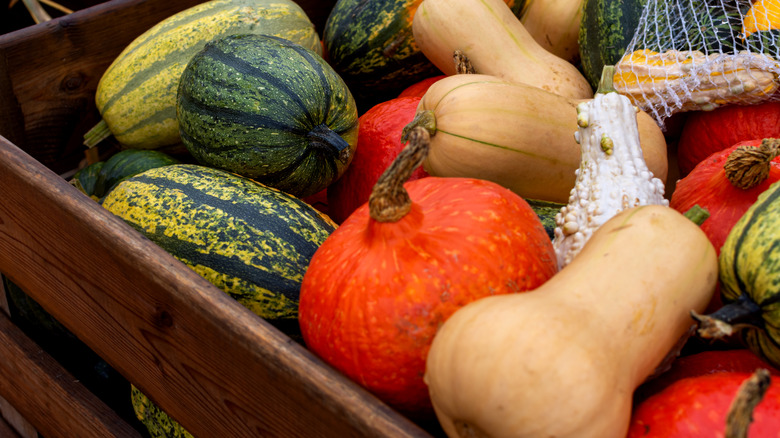
Various Indigenous groups like the Mogollon, the Hohokam, and the Anasazi all cultivated both squash and corn some thousands of years ago. The Hohokam built irrigation canals in the desert of southern Arizona by 600 A.D., possibly earlier. Winter squash was considered the "third sister" in the trio, as opposed to varieties of summer squash, which offer softer outer skin.
Chia seeds
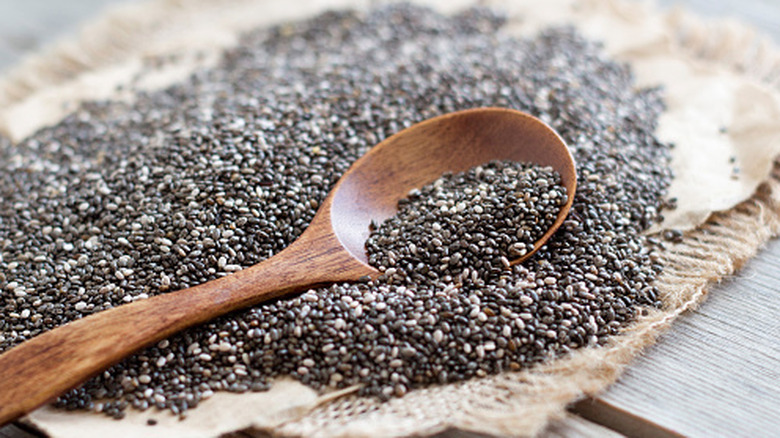
Chia seeds are now popular as a so-called superfood, given their protein, omega-3, and fiber content, but humans have been eating chia seeds since the ancient times of the Mayans and Aztecs. Many Indigenous groups in the Southwest, like the Cahuilla and Chumash peoples, would harvest the seeds and usually grind them into sort of paste for further use. Much more versatile than for just making pudding, there are plenty of ways to cook with chia seeds.
Pine nuts
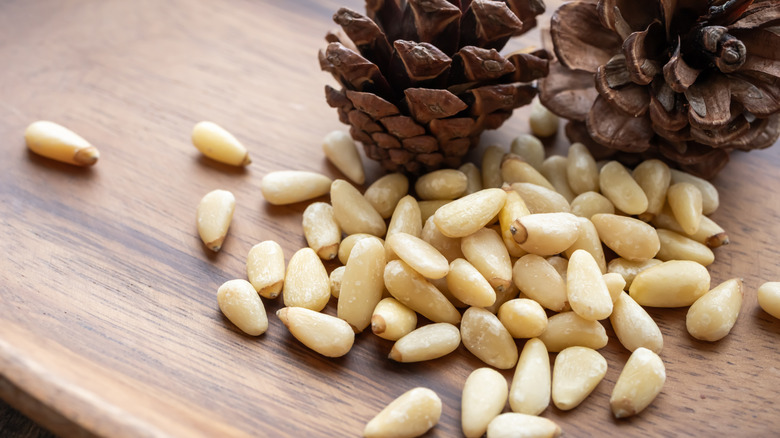
While most take pine nuts for granted as we can simply buy them ready to eat from the grocery store, harvesting pine nuts actually involves a lot of labor. Pinyon pine and California Foothill pine trees are common in the American West, and used by Pueblo, Navajo, Shoshone, and other tribes. Both yield delicious, sweet small nuts within their pinecones. The cones must be left to ripen and open in the sun before shaking out the nuts, which are then normally de-shelled before eating, roasting, or ground into flour.
Manzanita berries
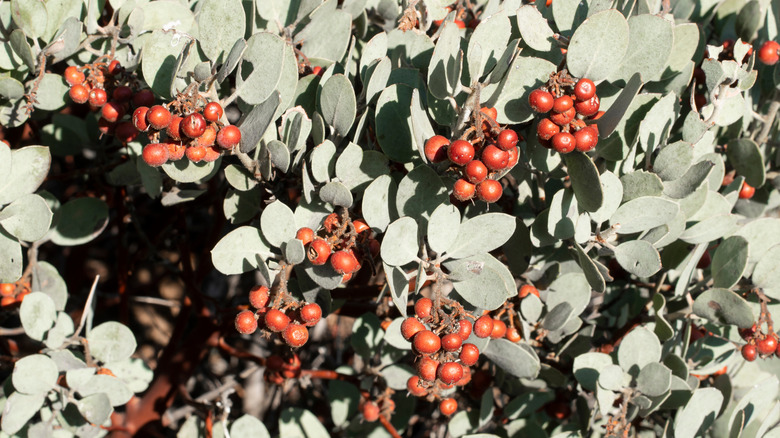
Manzanita trees grow abundantly in the west, particularly in California. The berries from the manzanita tree had many uses and were eaten fresh, dried, or often used to make cider or fermented beverages. Manzanita berries have high levels of pectin, which is a natural thickener found in fruit often used for making jams and jellies. Manzanita leaves are also used medicinally, often as tea or poultice, as well as ceremonially by tribes like the Cahuilla. Consuming too much manzanita can lead to an upset stomach.
Sunflower seeds
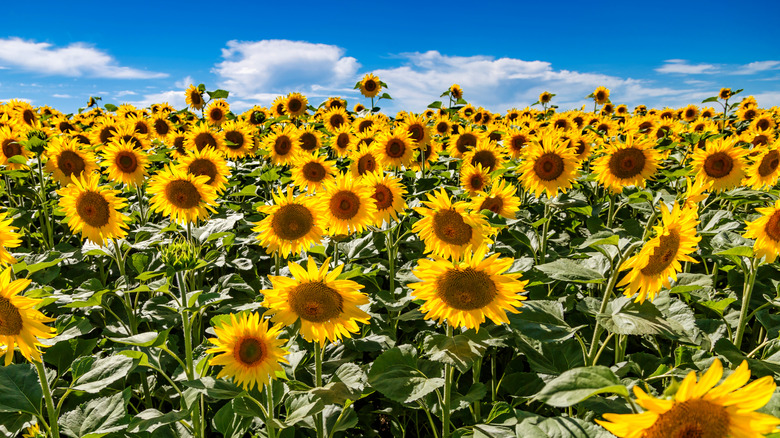
The seeds of large, bright yellow sunflowers are usually harvested towards the end of summer and the beginning of fall. Some seeds are dried and stored for planting, but often Indigenous peoples — particularly the Apache — would roast the seeds and then either press the seeds to extract oil or grind them into flour. Surprisingly, the leaves, stems, and young sprouts of the sunflower plant are edible as well.
Trout
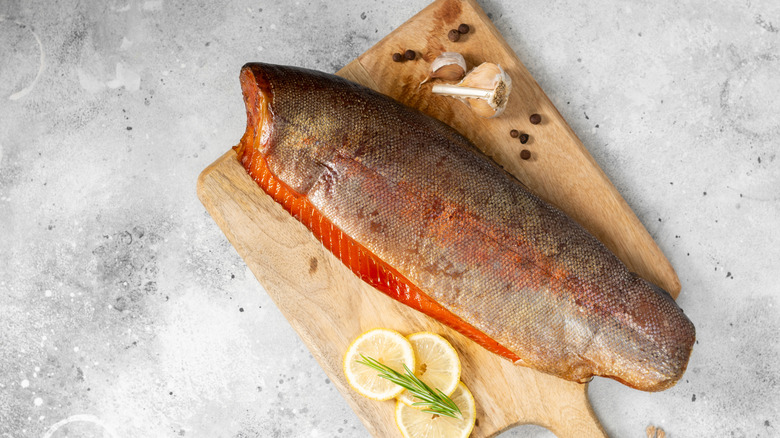
Fishing was an essential practice in most Native American diets. Although the American West is bordered by the mighty Pacific Ocean, the rivers were plentiful for fishing as well, particularly with many types of trout species. Indigenous groups that lived near rivers were heavily dependent on freshwater fish like trout, however certain Southwestern Indigenous groups — like the Hopi, Navajo and Apache — traditionally did not eat fish as it was considered taboo.
Venison
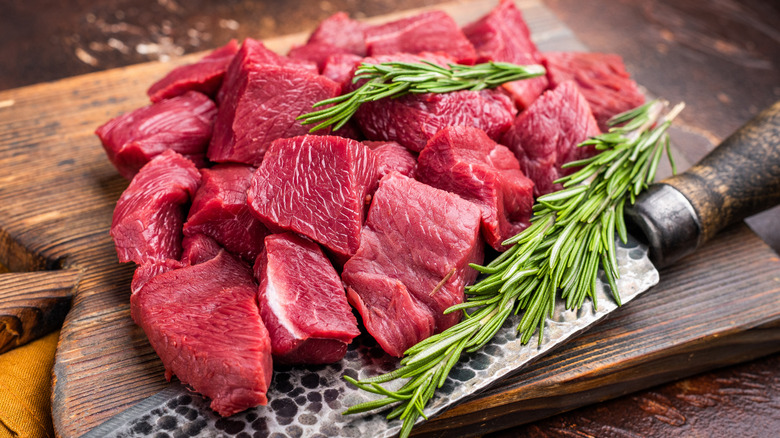
Deer meat was often smoked or dried to help the food supply last throughout winter, and every part of the deer was utilized by tribes like the Coeur d'Alene, Washoe, and Navajo, from fur to bones to sinew — and no part went to waste out of respect for the animal. Commonly used hunting tools like the bow and arrow were ideal for hunting deer. Venison is lean but high in protein as potassium and phosphorus.
Cholla buds
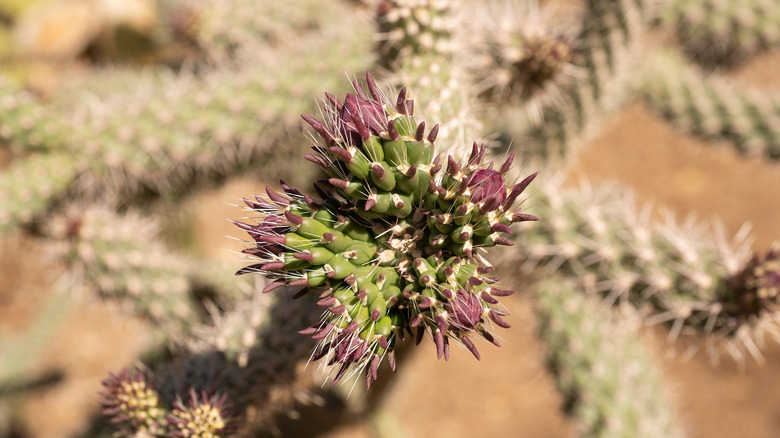
One of the many types of cacti that are edible, the buds of the cholla cactus have been foraged in the springtime by native communities living in the Sonoran Desert, which spreads from Mexico into Arizona, for thousands of years. Members of the Tohono O'odham tribe still pluck the flower buds from cacti, remove the spikes, and then roast or boil the buds, which don't taste so different from asparagus. Sometimes, the buds are dried for preservation. Cholla buds are known to balance blood sugar and contain high levels of calcium.
Salmon
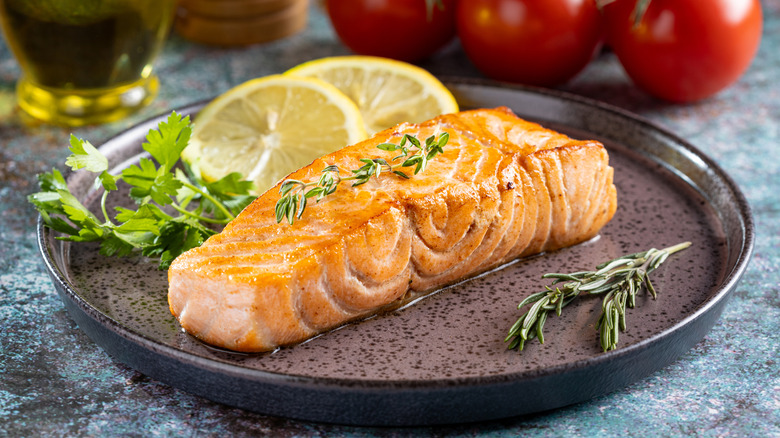
Salmon, like trout, are found in both salt and fresh water, and are high in protein, healthy fats, and vitamins like B12 and selenium. Like many natural resources, salmon have been commercially overfished while traditional resources for Indigenous peoples become less accessible. These days, as the Western U.S. faces significant ongoing drought conditions, efforts are being made to bring back fish populations. This includes the efforts of the Yurok tribe in Northern California, whose dependence on salmon and stewardship of the Klamath River has long been a lifeline for their community.
Acorns
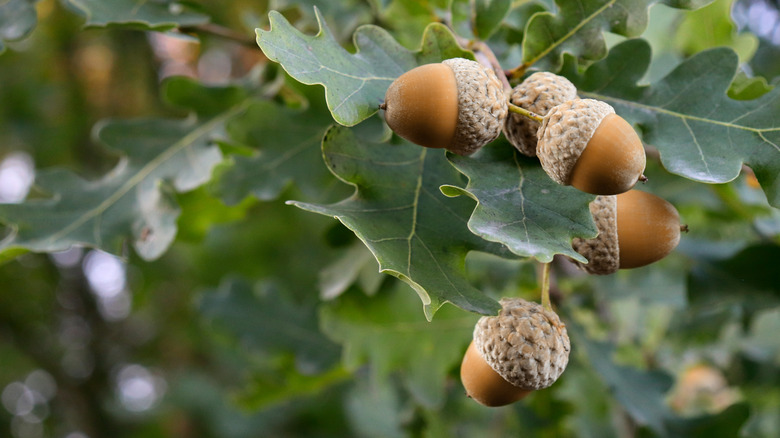
Before the Spanish settled there in the late 1700s, California was home to a vast and diverse populations of Native Americans. For these tribes, including the Cherokee, Apache, and Pomo, acorns and seeds were a large part of their diets given the abundance of oak trees. Acorns are typically gathered from forest floors in fall and winter and then boiled into a sort of porridge, ground into flour, or turned into a jelly-like paste. The tannins must be removed, but acorns contain unsaturated fat and carbohydrates as well as various antioxidants.
Prickly pear
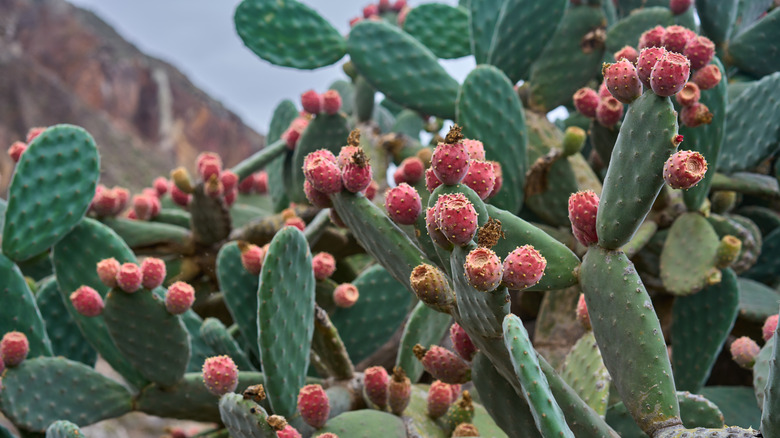
Studded with thorns and sprouting from cacti, prickly pears must be harvested with caution. The bulbous, spiked fruit was usually made into jam, syrup, juice, or even a kind of chewing gum by tribes like the Comanche, Apache, and Navajo. Both the fruit and leaves (called nopales) of the prickly pear were used by Native Americans. This practice is still seen in the Southwestern U.S. today, where urban foragers await the perfect time to pluck the fruits and leaves from spiky cacti.
Buckwheat
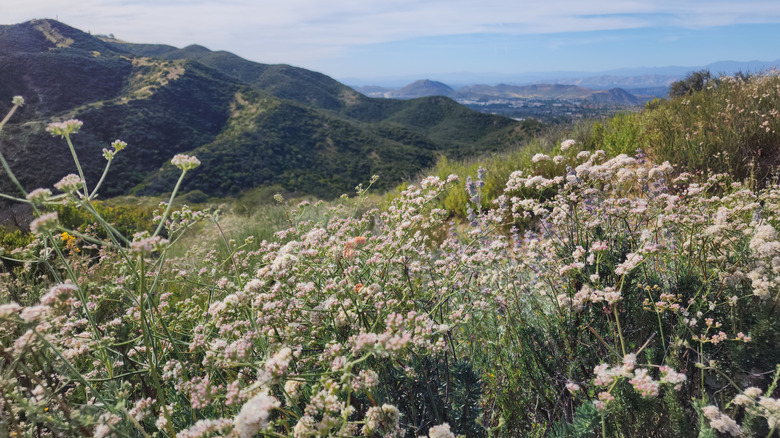
California is home to a native buckwheat plant that the Cahuilla, Kumeyaay, and Chumash peoples used for medicinal purposes. California Coast buckwheat differs from the buckwheat that most are familiar with, but it is still edible and used by Western Indigenous populations. The leaves were boiled to make tea that eased stomach and head aches, while the roots were used to make tea for sore throats and colds. The seeds could be ground to make porridge and bread as well.
Bison
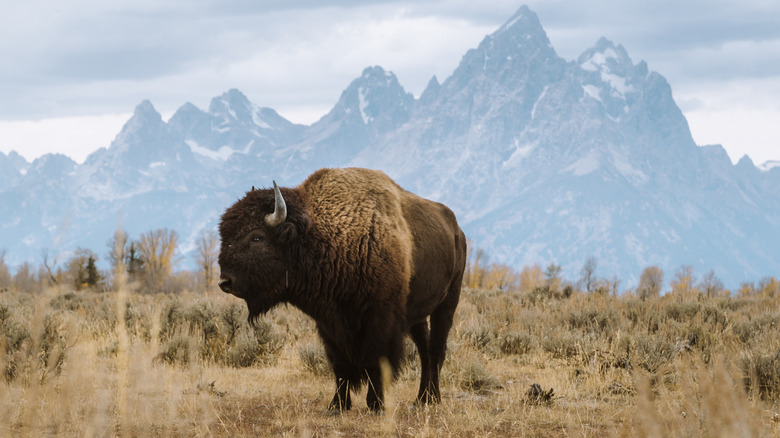
There is perhaps no animal more representative of North America than the bison, usually referred to as buffalo in Indigenous cultures like the Blackfoot, Lakota, Navajo, and Paiute. Like with deer, Native Americans let no part of the continent's largest land mammal go to waste, as it provided not only food through lean meat, but clothing, shelter, and a means of trade. American settlers caused the near extinction of the animal in the 1800s, but Indigenous councils are working to restore the buffalo population in tribal lands.