

The 10 Most Beloved Bourbons Of All Time
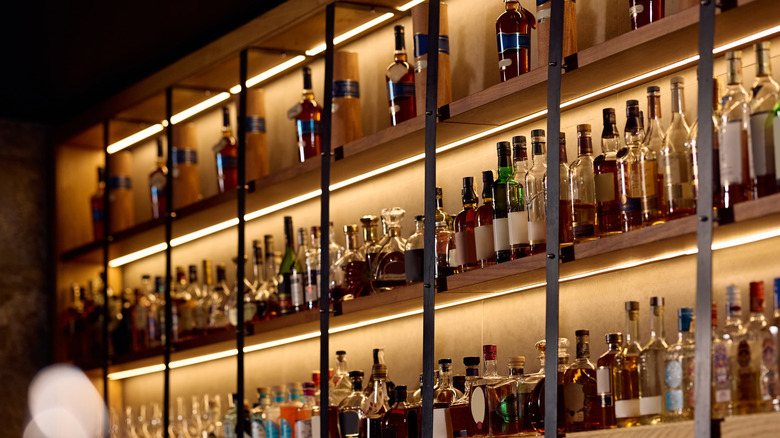
There are plenty of ways to rank the best bourbons ever made. You could focus on auction prices and collectibility, in which case, bottles like Pappy Van Winkle and other limited releases would dominate the conversation. You could look at critic scores, proof points, age statements, or rarity. You could even judge them purely on flavor. The problem is that none of those approaches tells the full story. Some of the most beloved bourbons in America aren't necessarily the rarest, oldest, or most expensive. Instead, they're the bottles that drinkers return to year after year, the ones that helped shape bourbon culture, influenced how the category evolved, and earned lasting respect from everyone, from first-time buyers to seasoned enthusiasts.
As a regular bourbon drinker with professional spirits training, here are the bottles I think best represent the category's most beloved names. And since I tend to prefer Scotch whisky over bourbon, I don't say that lightly. Each bottle here was selected because it has a real argument for greatness, whether through flavor, value, historical importance, availability, or sheer cultural impact. I have tasted all of them, and while they are not ranked in strict order, each one has earned its place.
Buffalo Trace
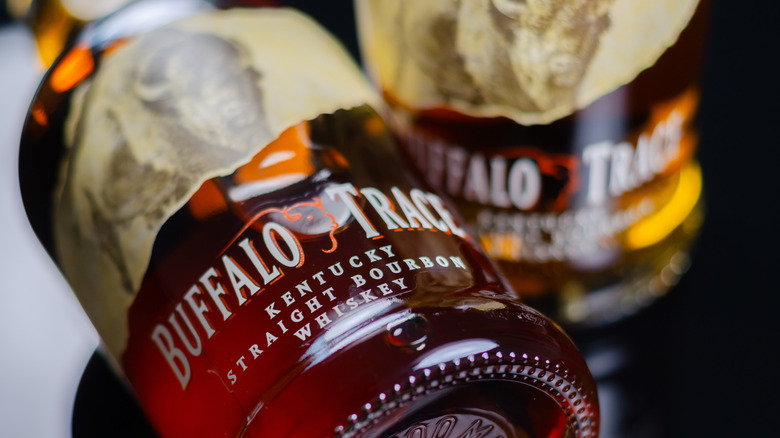
Buffalo Trace is one of the easiest bourbons to underestimate because it has become almost too familiar. While it is widely available in some markets, it can be harder to find in the U.S. because of how popular it is. It's also reasonably priced when sold near retail, and approachable enough for someone just getting into bourbon. That is exactly why it belongs here. Buffalo Trace has become a benchmark everyday bourbon, the kind of bottle that introduced countless drinkers to the idea that affordable bourbon could still feel polished, flavorful, and worth sipping neat.
Officially, Buffalo Trace is bottled at 90 proof and described with notes of vanilla, mint, molasses, brown sugar, spice, oak, toffee, dark fruit, and anise. That flavor set explains its appeal. It is sweet without being flat, oaky without being harsh, and balanced enough to work neat, on ice, or in an old fashioned. Reviews often conclude that Buffalo Trace leans on dependability more than complexity, and at $25 to $35 in most markets, it offers reliable value for the price. Its reputation as a gateway into better bourbon is deserved.
Wild Turkey 101
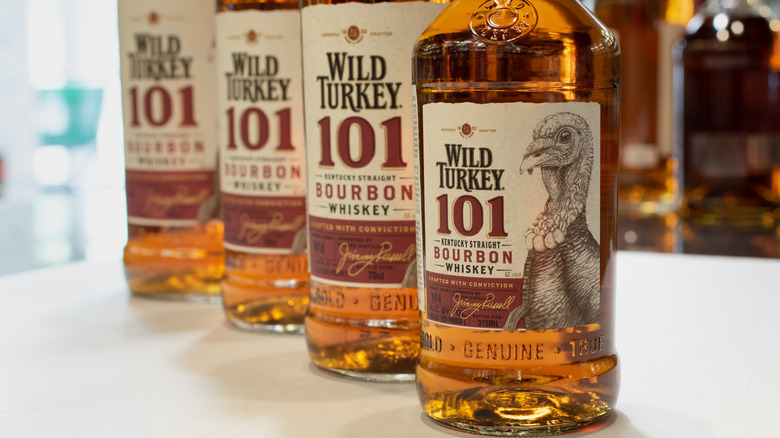
Wild Turkey 101 is beloved because it refuses to act expensive. It is high-proof, widely available, full-flavored, and still priced like a bottle people are supposed to drink rather than display. At 101 proof, it carries more punch than many mainstream bourbons, but it does not feel reckless or unfinished. The official tasting notes describe vanilla, caramel, honey, lemon zest, charred oak, brown sugar, allspice, and a long, rich finish. That combination of sweetness, oak, spice, and proof is exactly why it has survived changing whiskey trends so well.
Its real strength is that it works for almost everyone except those who only want ultra-smooth, low-proof bourbon. It stands up in cocktails and delivers actual flavor, all while the price is still approachable. Total Wine lists Wild Turkey 101 around the low $20s in some markets, though pricing varies by location. It stays affordable, easy to find, and entirely unpretentious, which is exactly why people keep reaching for it.
Maker's Mark
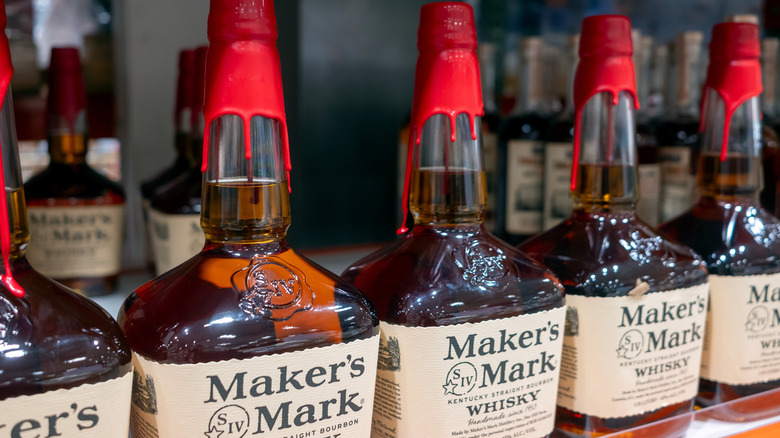
Maker's Mark belongs on this list because it made wheated bourbon mainstream. Instead of rye as the secondary grain, Maker's Mark uses soft red winter wheat, which the brand says helps create a softer, sweeter flavor profile. That choice gave the whiskey a different personality from many traditional Kentucky bourbons; it is rounder, gentler, and less spice-driven. It also helped make Maker's Mark one of the most recognizable bourbon brands in the world, thanks partly to the red wax-dipped bottle that has become almost as famous as the whiskey itself.
Flavor-wise, Maker's Mark is made to be so approachable that it's a natural step up for Jack Daniel's fans. The brand describes it as having notes of sweet oak, vanilla, and wheat, and a smooth, subtle finish. That profile makes it especially useful for drinkers who find higher-rye bourbons too sharp or peppery. It is also one of the few bottles that can sit comfortably in several roles: beginner bourbon, cocktail bourbon, casual sipper, and gift bottle. Total Wine commonly lists Maker's Mark in the low-to-mid $20 range, depending on market. What Maker's Mark offers is approachability over intensity, and that gentler character has kept it a way into bourbon for newcomers ever since.
Knob Creek 9 Year
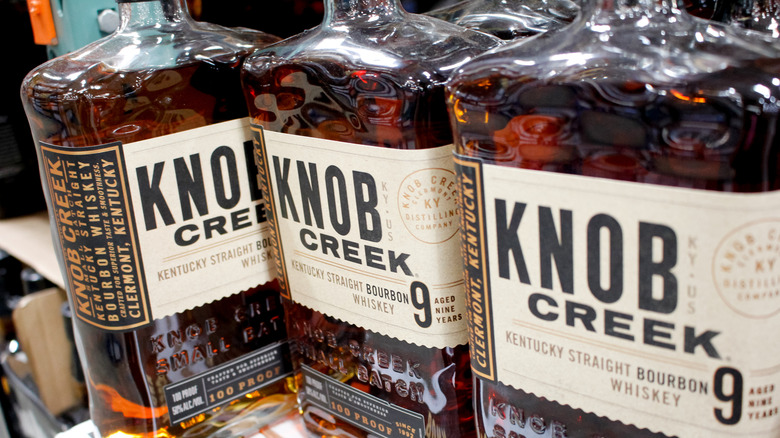
Knob Creek 9 Year is one of bourbon's great revival bottles. Launched in 1992 as part of the Jim Beam Small Batch Collection, it helped define the premium bourbon movement of the 1990s and brought a bolder, older, higher-proof style back into broader circulation. At 100 proof and aged for nine years, it still feels more serious than many bottles in its price range. It is the kind of bourbon that tastes like it was made for people who actually want oak, heat, structure, and depth.
The official tasting notes point to toasted nuts, oak, an almost fruity taste, and a long, rich finish. That profile gives Knob Creek its signature mix of sweetness and barrel influence. It is not as soft as Maker's Mark or as easygoing as Buffalo Trace, but that is part of its appeal. Our deep dive into Knob Creek notes its role in the 1990s bourbon revival, its 100-proof bottling, and the fact that small batch is more of a branding term than a strictly regulated production category. For drinkers who want a widely available bourbon that still feels robust and traditional, Knob Creek 9 Year remains one of the safest recommendations in the category.
Eagle Rare 10 Year
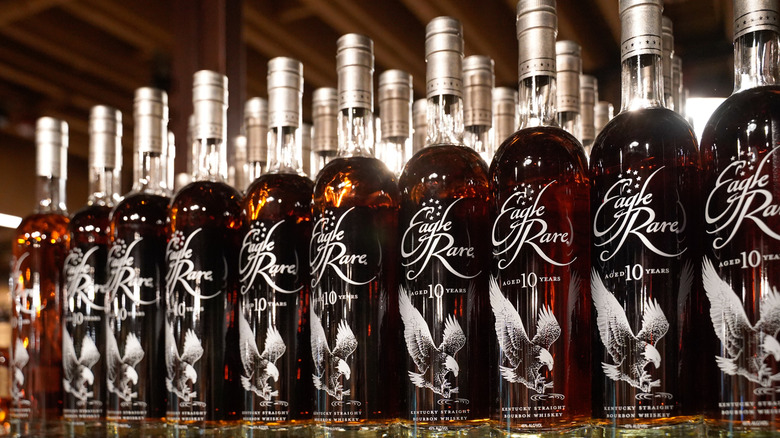
Eagle Rare 10 Year has become one of bourbon's most discussed value propositions, even if its value depends heavily on whether you can find it at a fair price. On paper, the appeal is obvious. It's aged 10 years, 90 proof, is produced by Buffalo Trace, and has a polished profile that feels older and more composed than many bourbons near its suggested retail price. The official notes describe honey, leather, oak, candied almonds, cocoa, and a dry, lingering finish. That gives Eagle Rare a slightly more mature and oak-forward profile than standard Buffalo Trace.
However, Eagle Rare's reputation has made it harder to find at normal shelf pricing, and that changes the value calculation. When it is around $40, it is one of the easiest age-stated bourbons to recommend. When it is marked up heavily, its charm starts to fade. Reviewers often conclude that Eagle Rare is balanced, easy to enjoy, and frequently excellent for the money when priced correctly, with fruitiness, dessert sweetness, oak, and spice integrating well.
Blanton's Original Single Barrel
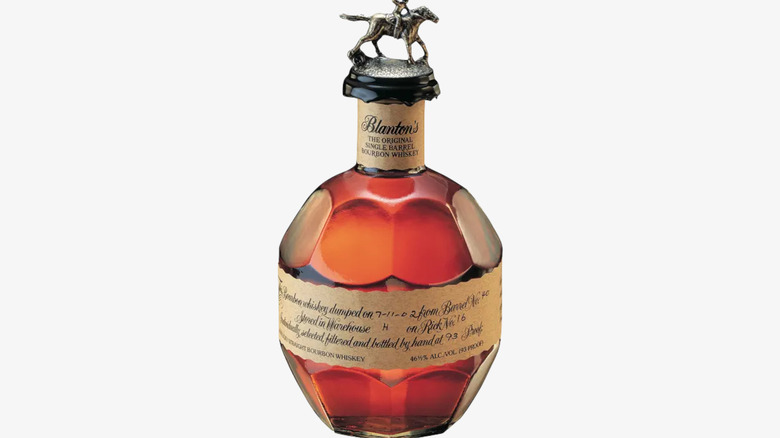
Blanton's Original Single Barrel is beloved partly because of what it tastes like, but even more because of what it represents. Launched in 1984, it is widely credited as the first commercially sold single-barrel bourbon, a category that now feels essential to modern whiskey culture. The horse-and-jockey stopper, grenade-shaped bottle, and Buffalo Trace connection have only made it more collectible over time. It is one of the few bourbons recognizable to people who do not know much about bourbon.
The whiskey itself is usually approachable, polished, and easy to enjoy. Buffalo Trace describes Blanton's Original Single Barrel as having nutmeg, spices, dry vanilla, honey, caramel, corn, and a medium finish. Blanton's suggested price rose from $45 to $65 in between 2014 and 2021, and on many retailers' sites, the whiskey has become considerably more expensive since then. That shows how much the brand's market position has changed in the modern bourbon climate. At a fair retail price, it is a charming, historically important bottle. At extreme secondary pricing, it becomes harder to defend on flavor alone. Still, its impact on bourbon culture is undeniable.
Woodford Reserve
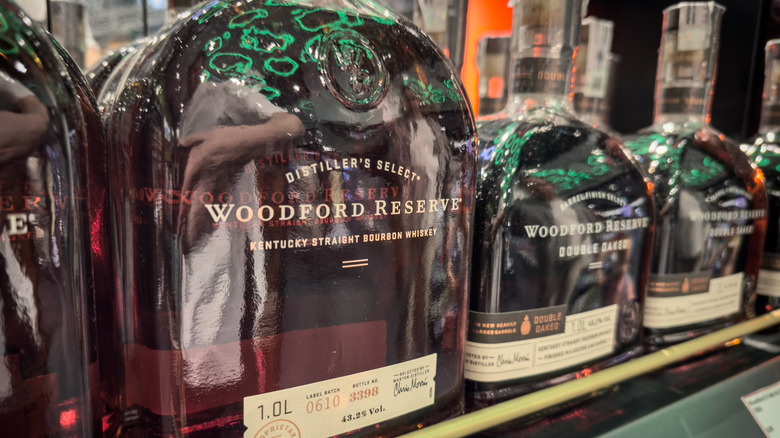
Woodford Reserve is one of bourbon's most successful balancing acts. It is accessible enough to be a regular back-bar staple, polished enough to serve neat, and credible enough that serious drinkers do not dismiss it as just another entry-level bottle. Brown-Forman, the company behind the whiskey brand, describes Woodford Reserve Kentucky Straight Bourbon as having more than 200 detectable flavor notes. The official profile includes dried fruit, mint, orange, cocoa, vanilla, tobacco spice, caramel, chocolate, and pepper.
It is also one of my daily pours, which is probably the highest compliment I can give a bottle that is not trying to be rare. It has enough flavor to stay interesting, but not so much intensity that it demands a special occasion. Total Wine often lists Woodford Reserve in the $30 to $40 range, depending on location. That makes it more expensive than basic mixing bourbon, but still reasonable enough to keep open on the shelf.
Elijah Craig Small Batch
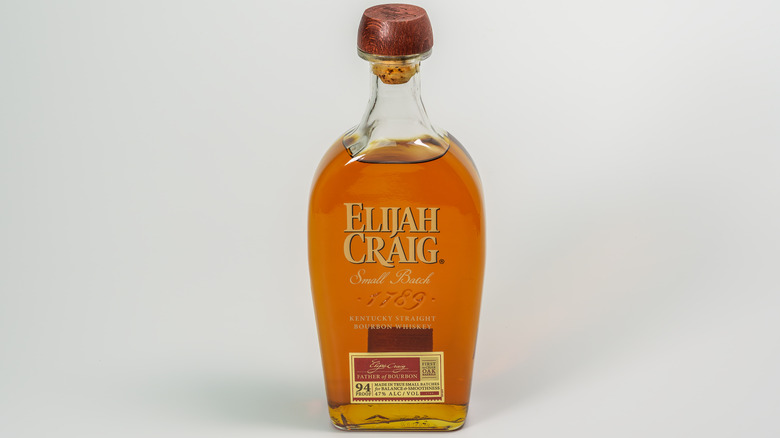
Elijah Craig Small Batch has one of the strongest quality-to-price arguments in bourbon. Heaven Hill, the company behind the brand, says it is named after Rev. Elijah Craig, who is often credited in bourbon lore with being the first to age whiskey in charred oak barrels. That historical claim is debated by whiskey experts, but the association has stuck, and it gives the bottle a useful link to one of bourbon's defining production ideas. More importantly, the whiskey itself consistently delivers.
Officially, Elijah Craig Small Batch is bottled at 94 proof and described with notes of vanilla bean, sweet fruit, fresh mint, spice, nutmeg, smoke, and a warm, long finish. That is a lot of bourbon for a bottle often found around $20 to $35. Reviewers regularly praise it for exactly that reason, describing it as sweet, creamy and approachable, with peanut, brown butter, light brown sugar, vanilla, roasted corn, white pepper and caramel notes. Elijah Craig Small Batch may not have the glamour of Blanton's or the cult of Pappy Van Winkle, but it remains one of the smartest everyday buys in bourbon.
Pappy Van Winkle 15 Year
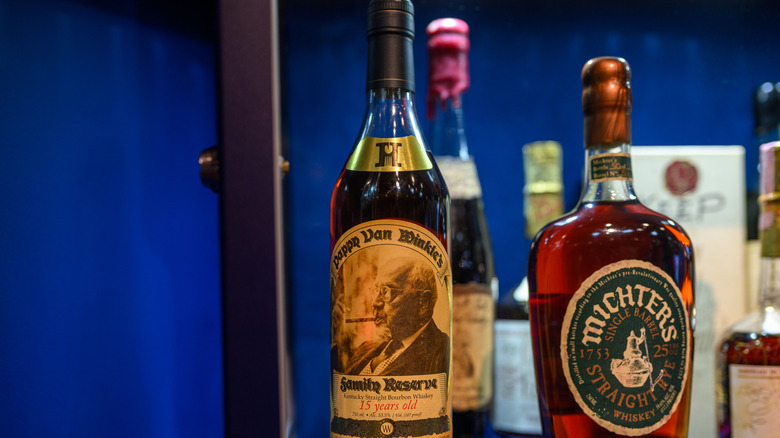
Pappy Van Winkle 15 Year has helped turn bourbon hunting into a modern cultural phenomenon. It is rare, expensive, and heavily allocated, discussed in ways that make it sound more like fine art than a whiskey. The Van Winkle brand says its 15-year-old Family Reserve is bottled at 107 proof, with notes of caramel, toffee, and brown spice, and made using a wheated bourbon recipe, with deep flavor from extended aging.
At its suggested retail price, the bottle stays within reach of an ordinary enthusiast, and what makes it elusive is supply rather than cost, with bottles routinely flipped far above shelf price on the secondary market. For anyone who lands one at retail, the experience tends to justify the chase.
It is also the best bourbon I have ever consumed, though that says nothing about whether it justifies extreme secondary prices, and it is no reason to judge every other bottle against it. Pappy 15 is exceptional; it's rich, layered, powerful, mature, and still sweet enough to avoid becoming over-oaked. The tragedy of Pappy 15 is that its fame made it almost impossible to experience normally.
Four Roses Single Barrel
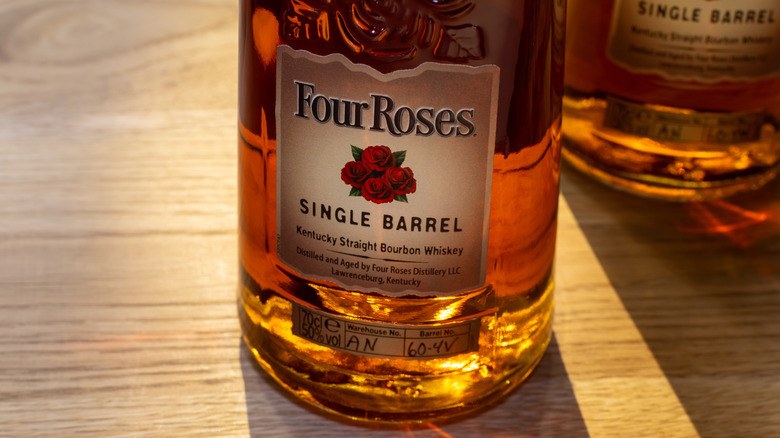
Four Roses Single Barrel is beloved because it manages to please nearly everyone without becoming boring. Casual drinkers get a flavorful, polished bourbon that feels like a step up from entry-level bottles. It's a whiskey with enough structure for cocktails, offering drinkers a consistent single-barrel expression from a distillery known for its distinct recipes and yeast strains. Four Roses says its Single Barrel bourbon is made from its OBSV recipe and bottled at 100 proof. That recipe gives it a more fruit-and-spice-driven personality than many standard bourbons.
The official tasting notes include dried spice, pear, cocoa, vanilla, maple syrup, ripe plum, and cherry. That combination helps explain its crossover appeal. It is sweet but not syrupy, spicy but not rough, and complex enough to feel like a meaningful upgrade, carrying caramel, cherries, leather, nougat, and baking spices into a long, warm finish. Prices are higher now in many markets, but it still tends to deliver more personality than many bottles around its current range. It is an unflashy bottle that quietly overdelivers.
Methodology
The bottles on this list were selected based on a combination of historical importance, flavor reputation, availability, price, value for money, long-term fan following, and continued relevance in the modern bourbon market. We gathered this information from brand pages, retail listings, independent reviews, and my personal tasting experience for almost every bourbon on this list. The final selections balance the whiskey in the bottle with the role each bottle has played in bourbon culture.
This was not designed as a blind tasting ranking or a list of the rarest bourbons in existence. Instead, the goal was to identify bottles that have become genuinely beloved across different kinds of bourbon drinkers, from casual buyers and bartenders to collectors and longtime enthusiasts.