

Make The Best Cheesesteak Of Your Life By Following These 10 Rules
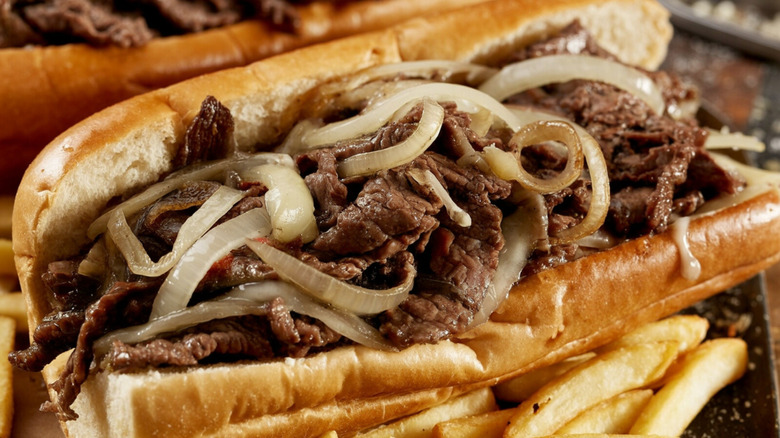
There are so many incredible sandwiches to try from all around the world. One of them just happens to have its roots in Philadelphia, Pennsylvania. It's the Philly cheesesteak — or, as people from Philly would call it, just a cheesesteak — and it's the perfect sandwich if you love one that's absolutely packed with meat and cheese. The best cheesesteaks are juicy (but not too juicy), melty, and undeniably decadent.
Of course, there are plenty of places in Philly to go to get a great cheesesteak, and if you're not in the city, you can snag a cheesesteak at several well-known chain restaurants. But what about when you want to try making your own version of the sandwich at home? You can start by following our recipe for a classic cheesesteak, but you'll also want to keep some very important rules in mind to ensure you get an excellent sandwich every time.
We've consulted cheesesteak experts Dave Fedoroff, owner of Fedoroff's Roast Pork in Brooklyn; Bob Levey, co-founder of Philly's Best Cheesesteaks; Scott Linder, co-founder of Matū Kai and Cheesesteaks by Matū; and Evan Stein, founder of Olde City in NYC, to learn about the important rules to follow to yield the most delicious cheesesteak possible. Once you nail down these rules, you'll be making top-quality sandwiches at home on the regular.
Use bread that's strong enough to stand up to the meat but not too tough
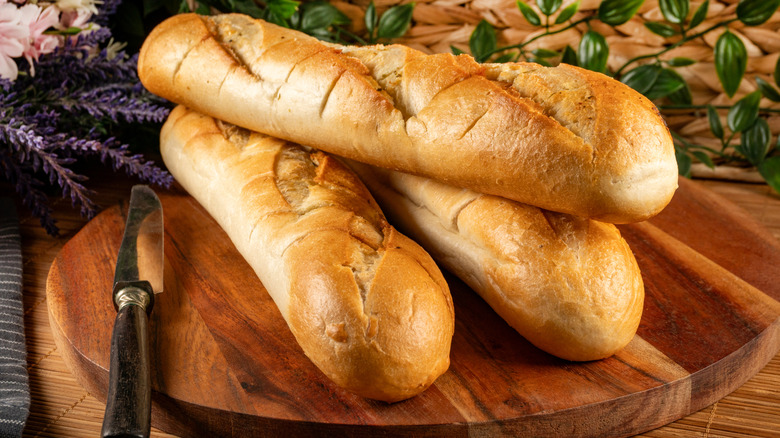
You may assume that the meat is the factor that matters the most in a good cheesesteak. Of course, the beef itself is an essential consideration for such a meat-heavy sandwich, but you have to start with the basics before you even get to the beef. First, you need to provide the structure for the sandwich, and that's where the bread comes in.
"The roll matters," says Bob Levey of Philly's Best Cheesesteaks. "The bread should be soft enough to bite into, but strong enough to hold the steak, cheese, and onions without falling apart." This means that you're looking for structure while simultaneously avoiding bread that's going to be overly hard or crusty. After all, you don't want to feel like you're fighting your way through your sandwich with your teeth. "If the roll takes over the sandwich or gets soggy right away, you've already lost the balance," explains Levey.
So, what kind of bread should you seek out when you're planning on making Philly cheesesteaks at home? French baguettes and crusty Italian loaves are both excellent options that are widely available at most grocery stores and bakeries. They'll provide that perfect combo of heartiness and softness you need.
Start with excellent quality beef
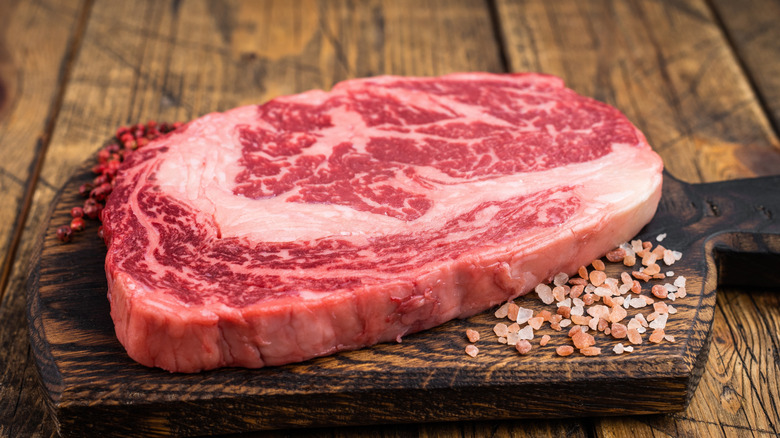
Now that we've got the bread down, it's time to address the beef. It's at the heart of this rich sandwich, so you really want to make sure you get it right when you're attempting to make a cheesesteak at home. This is why Scott Linder of Matū says that the first rule of making a cheesesteak is starting with the best possible beef available. "A cheesesteak is beef, bread, onions, cheese, and a pepper, so the quality of the meat matters more than anything," says Linder. "For home cooks, find the best beef you can, slice it thin, and season it with salt and pepper only."
There are a few different types of beef you can use in this kind of sandwich. At Matū, Linder uses wagyu, and with its signature fattiness and richness, it makes for an ultra-decadent cheesesteak. However, others prefer to use ribeye, which also has a nice, well-marbled fattiness to it. And if you don't want to spend too much cash on the meat for your cheesesteaks — because you're going to cook it through — you can also opt for sirloin, which tends to be one of the cheaper cuts of steak out there.
Once you nail the beef, the rest of the sandwich is a lot easier to assemble. "The goal is to let the beef lead and the other ingredients elevate it," Linder advises.
Don't include bell peppers
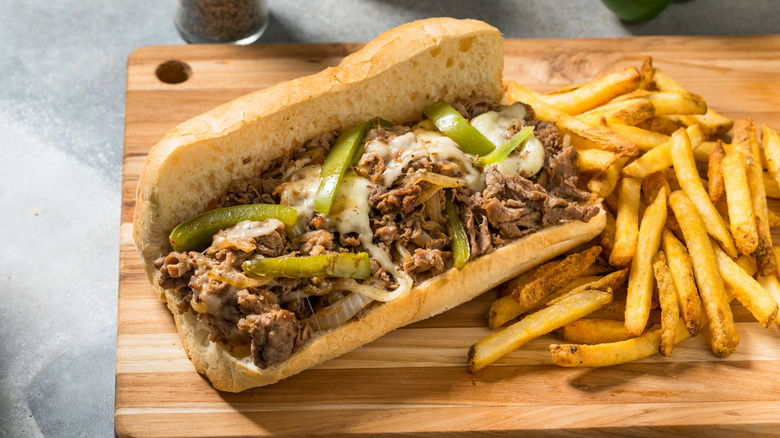
If you're not from Philly (or you haven't spent much time there), then you may have been exposed to a type of cheesesteak that comes with sauteed bell peppers along with the onions. We certainly get the appeal — in such a heavy dish, it only makes sense to try to incorporate some extra veggies to try to achieve more of a balanced meal. But according to Dave Fedoroff of Fedoroff's Roast Pork, bell peppers are not the way to go. "Absolutely no bell peppers," he says. "That's usually the giveaway that it's not an authentic cheesesteak."
That doesn't mean you have to skip the peppers entirely, though. You just have to use the correct variety. "If you want peppers," says Fedoroff, "it's usually cherry peppers or long hots — not bell peppers." According to Evan Stein of Olde City, long hots are a more classic option and are perfect when you want to add some spice to your sandwich. This can be a nice touch on a sandwich that's otherwise dominated by pretty heavy flavors.
Don't overcomplicate the ingredients
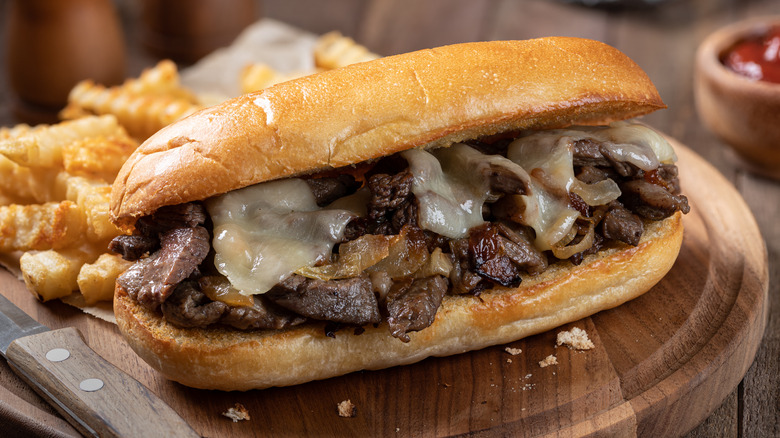
Sometimes, it can be fun to experiment with classic dishes, giving them unexpected twists that you might not find at a restaurant. But when it comes to some types of food, you don't want to mess with the original recipe that much. That's arguably true for cheesesteaks, which are, at their core, super simple. This is why, according to Bob Levey, you really shouldn't overcomplicate things when it comes to adding different ingredients to your sandwich.
"A great cheesesteak is not about piling on too many ingredients," Levey says. "It is about hot steak, melty cheese, grilled onions if you want them, and a roll that brings it all together." Of course, you can add in those cherry peppers or long hot peppers if you want to add a bit more flair to the meal, but otherwise, you don't need to add a bunch of other toppings, sauces, or any other random ingredients that you usually don't see on a cheesesteak. Keep things simple for that classic cheesesteak flavor, and save the creativity for other, more flexible types of sandwiches.
Make sure you keep the bread seam intact
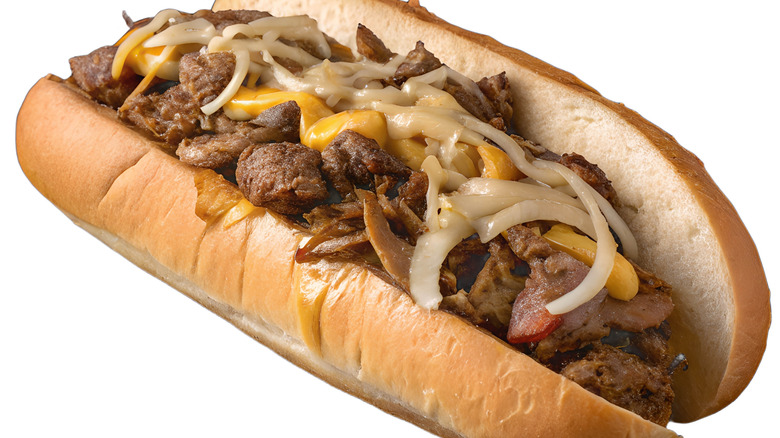
Out of all the sandwiches in the world, cheesesteaks are arguably one of the messiest. You can't have a sandwich stacked with that much juicy meat and cheese and not expect it to make a bit of a mess. This is why the quality of the bread you're using is so important — without a good, solid chunk of bread, your sandwich can easily disintegrate into a pile of slop after a few bites. But beyond selecting the right kind of bread, you also want to make sure that you're preparing the bread the right way. According to Evan Stein of Olde City, it's not a good idea to just cut your bread right down the middle, so you have two separate pieces. "The seam needs to stay intact, for sure, to be a real cheesesteak," he says.
Therefore, you should open your bread up carefully, ensuring that its "hinge" stays intact. "It's not a sandwich where you have a top and a bottom," explains Stein. If you don't have enough bread holding that seam together, it could easily break apart, leaving you with a sandwich you'll ultimately have to eat with a fork — clearly not the ideal cheesesteak experience.
Ensure your cheese actually melts
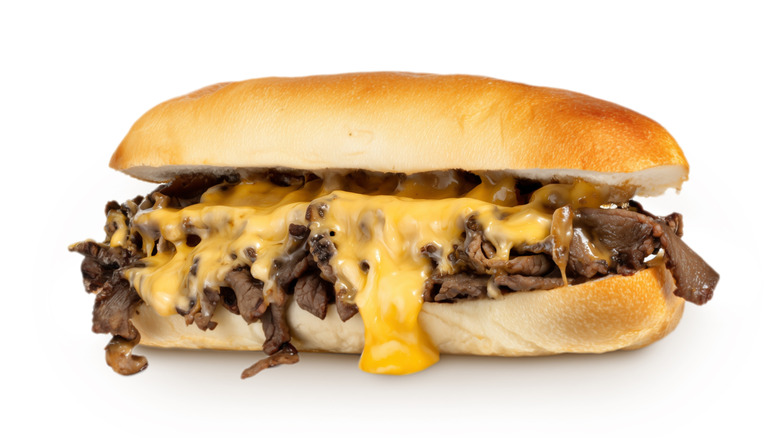
There are some sandwiches in which the meat and cheese are distinct and decidedly separate. Think of a classic Italian sub, for example. Since this is a cold sandwich, the cheese doesn't melt into the rest of the sandwich at all. Rather, it has its own, distinct, creamy place in the sandwich, offering just another layer of deliciousness alongside a stack of deli meat. But a cheesesteak is a totally different type of sandwich. In this dish, it's essential that you get your cheese nice and melted before you finally take that first bite.
"The cheese needs to melt into the steak, not just sit on top of it," says Bob Levey. "The best cheesesteaks have that creamy, blended bite where the cheese and steak work together." The meat and cheese aren't two separate parts of the same sandwich — they're teammates, and they have to work together if you really want your sandwich to shine.
Therefore, when you pile the meat onto your sandwich, make sure it's still really, really hot. Then, layer the cheese immediately. Close the sandwich, and give the cheese a minute or two to melt before digging in. That properly melted cheese can really make or break this sandwich.
Use the correct cheese
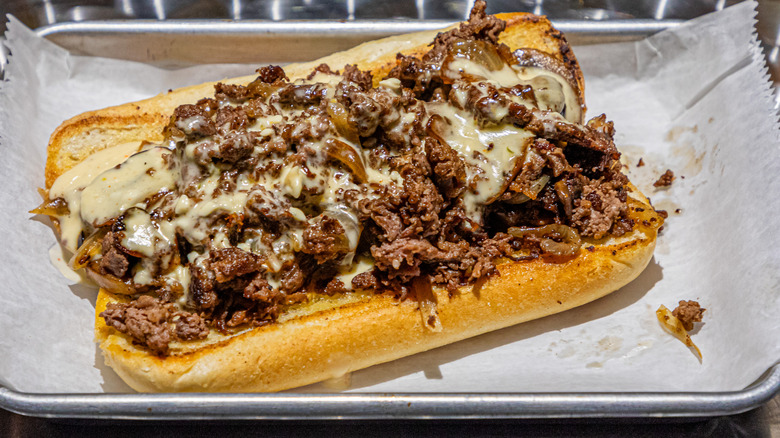
Melting the cheese properly is one thing, but what kind of cheese should you even be using in the first place? It depends on whom you ask. Cheez Whiz is definitely one of the most classic options out there, so it's a solid contender if you're trying to make a cheesesteak at home. Provolone is another often-recommended selection, probably thanks to its ability to melt well and its mild flavor, which won't clash with any of the other ingredients found in a cheesesteak. But according to some experts, like Evan Stein and Scott Linder, a type of American cheese called Cooper Sharp may be worth checking out.
"Cooper Sharp American ... has taken the cheesesteak world by storm," explains Stein, adding that it first became popular during the COVID-19 pandemic. "[The name is] a little misleading, because it's called Cooper Sharp, but it's American cheese. It's very mild, and it melts very well, and in my opinion, [it's] the best cheese for a cheesesteak, not even a contest." And apparently, it's not just Stein that's recently become enthralled with Cooper Sharp American cheese. In the r/cheesesteak subreddit, one Redditor queried, "Why the specific obsession with Cooper Sharp?"
So, if you can find Cooper Sharp at your local grocery store, it might be worth a try. Otherwise, a can of Cheez Whiz will do the trick if you're craving a classic cheesesteak, and provolone or other American slices are valid choices as well.
Get your onions right
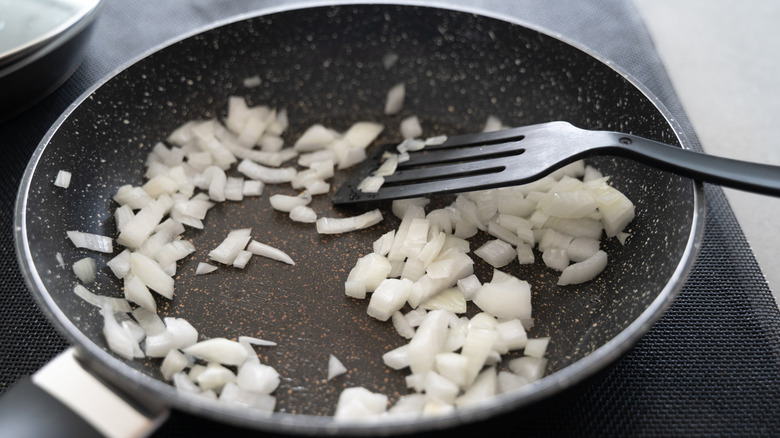
We've already discussed the fact that you shouldn't be adding bell peppers to the mix if you truly want to make a classic cheesesteak, but what about the onions? In this case, you definitely shouldn't skip them. However, the way you prepare them matters. According to Evan Stein, you should be using white onion specifically. Don't slice the onion, though — "It should be chopped, like little cubed onions," he says.
You may have heard the onions in a cheesesteak being referred to as "fried." Stein, who's originally from Philadelphia, says that this is just a Philly term for sauteed onions, and that's exactly what you'll do with your diced onions next. "You use salt, pepper, some oil, [and] saute them on the grill," says Stein. "When you put the steak down, we like to cook the onions [and] mix it up with the steak so that it sort of melds together." This maximizes the flavor of both the beef and onions, ensuring that you get the tastiest possible cheesesteak.
Serve your cheesesteak hot
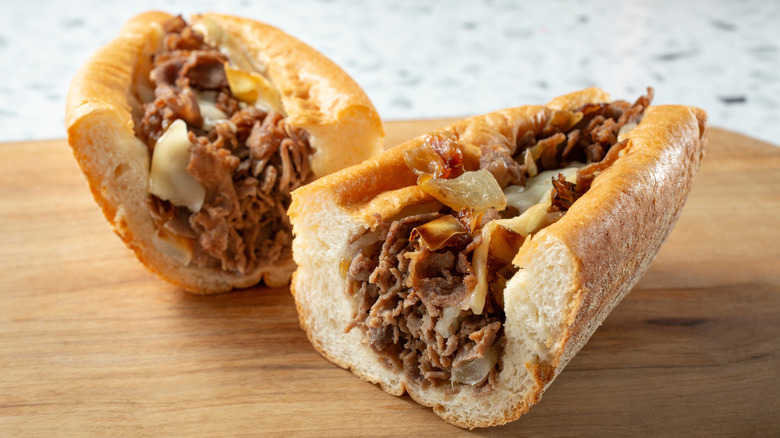
This next rule might seem like a fairly simple one, but it's one that shouldn't be overlooked. According to Bob Levey, one of the most important rules for making a cheesesteak sandwich is to ensure that you serve it hot. This is not the kind of sandwich you want to make in advance and have sitting around for a long time before digging in. Rather, you should plan to eat it as soon as you're finished cooking it for the best, most delicious results.
"A cheesesteak is at its best right off the grill, when the steak is hot, the cheese is melted, and the roll is still soft," explains Levey. This is about the temperature of the sandwich, of course, but also the state of all ingredients involved. You want that cheese to be creamy and melted — not sticky and stiff. The roll should be warm and easy to bite into — not cold and hard.
Respect the sandwich
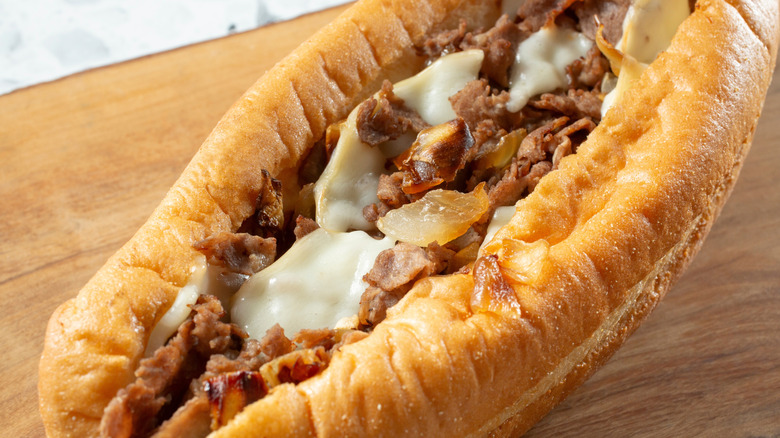
The last rule for making an incredible cheesesteak is more about attitude than technique. When you're making a dish that's so specific and so tied to a singular place, you don't necessarily want to wing it and hope it turns out the way you want it to. Rather, it pays off to learn about the origins of the dish, understand how it's made, and learn about why it's constructed the way it is. Taking advice from the pros is certainly a good place to start.
At its heart, though, this rule is all about respect: "Respect the sandwich," instructs Bob Levey. "A cheesesteak is simple, but it is not easy. The flavor comes from using the right ingredients and making it the right way." You're not going to get the sandwich you want if you don't stick to some rules, and knowing about the classic presentation of the dish will render your at-home cheesesteak that much closer to the real thing.