

The Classic American Burger Chain That's Selling Over 100 Locations
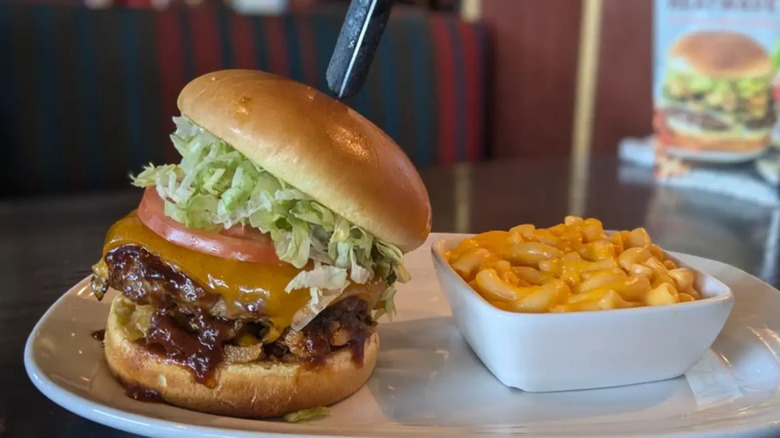
Among the most popular chains in America, Red Robin is known for its gourmet burgers and bottomless fries. In fact, in 2025, the restaurant was listed as the 10th most popular burger joint in America, according to Yelp, and we have to agree that many of its burgers deserve a place at your dinner table. Red Robin also ranked well ahead of more well-known chains like McDonald's, Burger King, and Wendy's. Popularity doesn't always equal success, however. Financial results for the fiscal first quarter ending in April 2026 show Red Robin was carrying over $175 million in debt.
It should come as no surprise that the company recently announced it is selling off numerous locations to franchisees. The latest round has Red Robin selling 116 locations for a total of $96 million. There are about 500 Red Robin locations across the country, and with this new sale, around 200 of them are operated by franchisees rather than the parent company. Op Burgers LLC is picking up 69 locations for $62.5 million. These are spread across 8 states, including Kentucky, Indiana, Maryland, Ohio, North Carolina, Pennsylvania, South Carolina, and Virginia. Kuber Oregon and Kuber Washington have purchased 17 additional locations across those two states for $10 million. In May, another 30 restaurants were sold to Evergreen Dining based in Washington. That deal was worth just shy of $24 million, and the affected restaurants were located in Washington and Idaho.
As far back as 2023, Red Robin was working on plans to decrease its overall debt load. At that time, the company started entering into sale-leaseback agreements to sell and then lease back a number of properties in an effort to raise money to pay debts and fund capital investments. One of the first sale-leasebacks saw the company sell 9 properties for $29 million and then lease them back from the new owners.
Red Robin has been restructuring for years
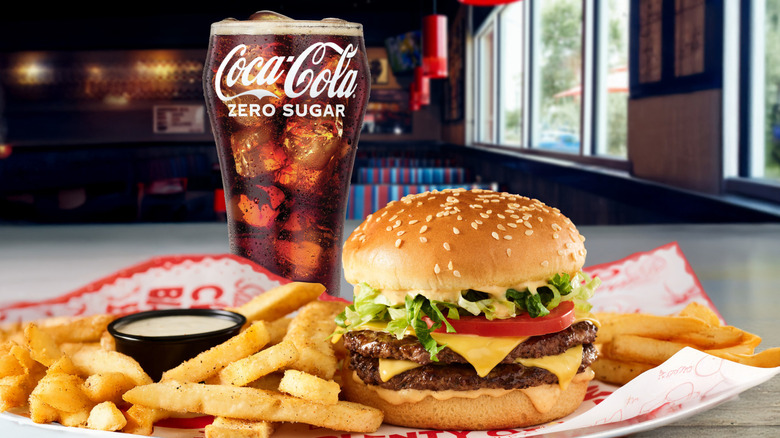
After Red Robin's initial $29 million sale-leaseback agreement, a second deal was struck several months later. Nine more properties were sold and leased back by Red Robin. The deal was worth $31 million this time. In 2024, a third sale-leaseback agreement worth $24 million saw 10 more locations change hands. At that time, the company said the combined deals had allowed it to reduce overall debt by $49 million. That said, Red Robin started 2026 by closing several locations with very little notice.
All told, if the deals go through as planned, over 43% of Red Robin's locations will be franchisee-owned. The plan is to continue paying down debts and fund capital investments while restructuring the chain to attract customers.
Stocks rose more than 23% after the latest mid-June deal was announced, and while many other restaurants have filed for bankruptcy in 2026, Red Robin's plans seem to be working. After the introduction of the new Big Yummm value meal, traffic improved to the chain's highest numbers in three years. That doesn't mean the chain is saved, and numbers are still low, but they have been improving. If the financial restructuring works out the way the company plans, it may continue to stay afloat rather than succumbing to the fate many feared earlier this year. If you haven't visited in a while and are tempted to see if anything has changed, we reviewed and ranked all of Red Robin's appetizers to get you prepared.