

6 Myths About Prepared Foods Shoppers Keep Believing
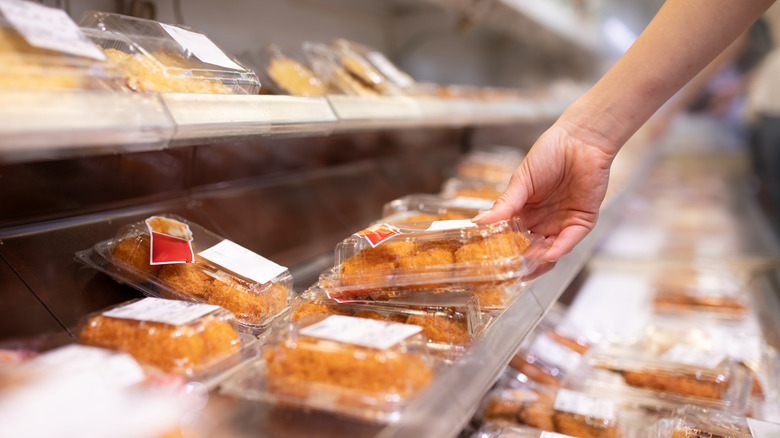
Just because you've had a busy day doesn't mean you don't have to get dinner on the table. Whether you're just trying to feed yourself or you have a whole crew's worth of bellies to feed, there can be some nights of the week when it's just tricky to pull together a coherent meal. And on those nights, the last thing you want to do is whip up any recipe at all — even a simple one. That's when prepared foods (like those from Trader Joe's) can really come in handy. From pizza and sushi to salads, fried chicken, and beyond, grocery stores and their deli counters serve up a wide variety of take-and-eat foods that can make your busiest days of the week a bit easier to manage.
But how much do you really know about prepared foods? Even if you buy prepared foods somewhat frequently, there's still a good chance that you're believing some of the most prevalent myths about them. That's why we're taking a closer look at these assumptions so we can bust them, helping you form a more accurate idea of what these dishes really have to offer. Once you realize that a lot of what you know about prepared foods could be myths, you may just decide to approach the meal category differently. Going forward, perhaps you'll buy more prepared foods ... or maybe you'll decide to buy none at all.
Prepared foods are always made in-store
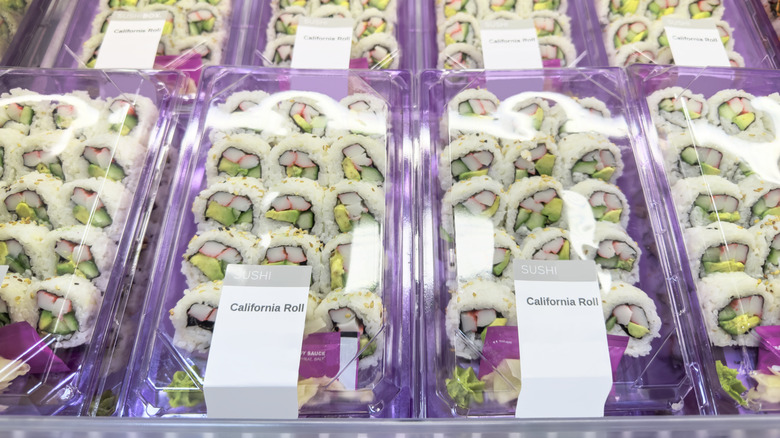
Maybe the idea of ordering takeout or grabbing fast food seems kind of unhealthy. But grabbing some prepared foods from the grocery store? Well, since the staff is making everything right there at the store, it has to be a better option, right? Not necessarily. That's because a lot of the prepared foods you'll find at grocery stores aren't actually made in-house at all. This is because it's quite expensive to employ enough people to make all of the prepared food a typical grocery store carries in addition to the equipment it requires to make these dishes. Some stores make their prepared foods in commercial kitchens, and other dishes may be made by larger companies and then simply reheated at the store.
This might matter more with some foods than others. For example, there's plenty of grocery store sushi that isn't made in-house. At the same time, though, you can still see sushi counters at many grocery stores where someone is visibly making all the sushi in the grab-and-go area. If you prefer a fresher option, then you should be on the lookout for that sushi counter, or simply ask an employee if it's made fresh right there in the store. The same idea applies to just about any kind of prepared food; when in doubt, ask.
The ingredients list is always accurate
If you're like a lot of shoppers, then you probably want to know what's in the foods you're eating. This is especially important if you have certain dietary restrictions or choose not to eat specific foods for health or ethical reasons. But if you're choosing prepared foods, you might have a hard time figuring out what exactly you're eating, since stores technically don't need to provide an ingredients list except in some specific circumstances in which a health claim is being made.
According to a survey of prepared meals by Consumer Reports, though, many grocery stores do in fact include ingredients lists on their prepared food products. However, it found that these labels often didn't include all the ingredients in a dish. This is annoying if you're someone who tracks your nutrition and who just wants to have a better idea of what you're putting in your body. But for some diners, like those who track their macros, not knowing what's really in a dish could be a big problem. You might want to think twice before trusting a prepared foods label.
They're generally healthy
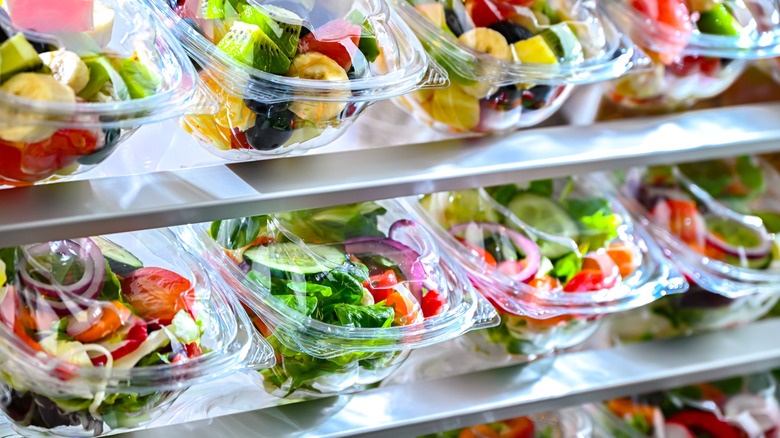
You may opt for a grocery store prepared meal instead of takeout or a drive-thru meal because you're looking for something healthier. However, the idea that prepared food is automatically healthier than the stuff you'd find at a restaurant is, unfortunately, a myth. Because some of these foods might not have nutritional labels on them, though, it can be hard to know what you're really getting.
It turns out that a lot of grocery store prepared foods are high in sodium. Of course, that may not be a problem for everyone, but many shoppers still try to avoid sodium. Plus, these meals can contain processed ingredients, like preservatives, which many consumers try to avoid. If this is something you care about, you might want to think twice about purchasing prepared foods.
It's up to you to decide whether these meals are something you want to consume. However, you shouldn't believe the myth that they're all automatically healthy — you need to get a closer look at the ingredients to see if the meal meets your standards for healthy food.
You don't need to worry about cross-contamination
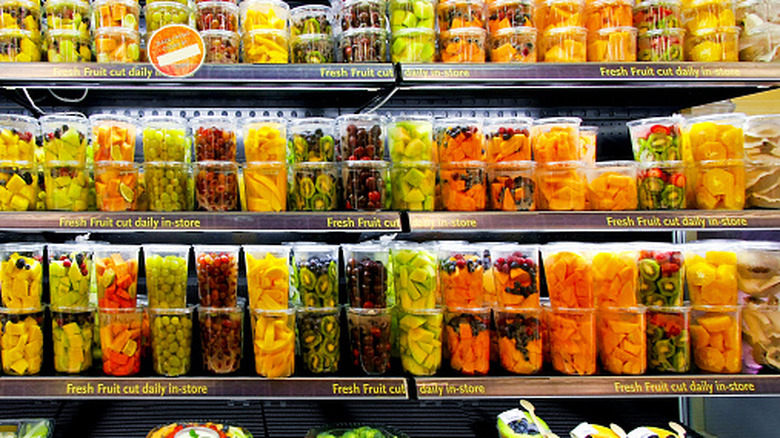
Cross-contamination can happen anywhere, from your own kitchen to your favorite restaurant. So, why wouldn't you think you'd have to contend with cross-contamination when it comes to prepared foods at the grocery store? While single ingredients can be easier for delis and prepared meal production facilities to deal with since they require adhering to just one food safety standard, prepared meals are more complicated because they involve so many different elements. Although the broccoli in a prepared meal may not need to be refrigerated right away, the same might not be true for the fish or beef in the same dish.
It's not always simple to tell if your food is cross-contaminated, but looking out for some of the same red flags you might encounter in a deli can help you determine whether you actually want to purchase a certain kind of prepared meal. Are workers wearing gloves? Is the prepared food you're looking at well-refrigerated and cold? Does the prep station look clean? These are all important factors to consider, although they only apply to prepared foods that are being made on-site, which isn't always the case.
They usually come with serving size recommendations
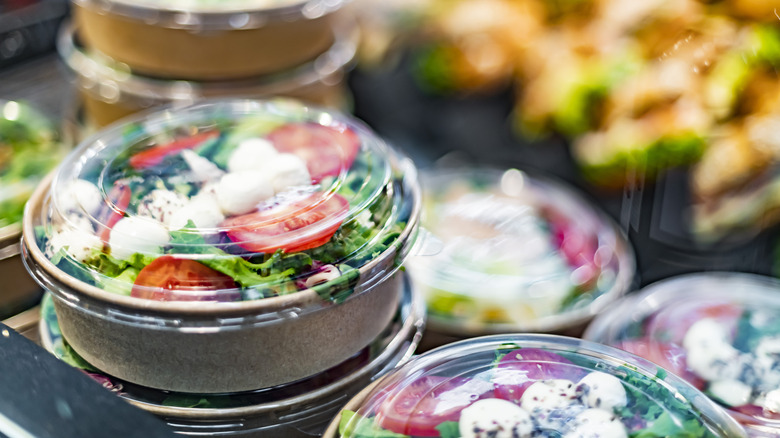
Take a look at basically any kind of packaged food in your pantry or in the grocery store, and you'll notice that it has a serving size recommendation on the side of the packaging. This can help you better determine how much to eat and how many calories and different nutrients you're getting in each serving. Therefore, a lot of shoppers just assume that they're going to see the same thing on the packaging for a prepared meal. Too often, though, that's not actually the case. This means that it can be hard to get a sense of exactly how much you're consuming.
For those who generally just eye their portions, this lack of serving size info may not be a big issue. However, according to 2012 research published in Appetite, if you're serving yourself from a larger container of food, you're more likely to serve yourself a larger portion than you would otherwise. So, this is something to pay close attention to when you choose prepared foods.
They're not that much more expensive than homemade dishes
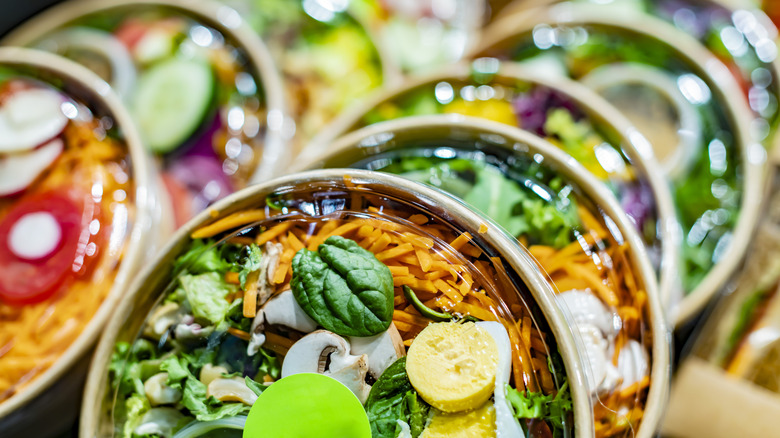
Sure, there are times when you're actually getting more bang for your buck when you choose prepared foods over raw ingredients, like the famous case of the Costco rotisserie chicken. It costs a mere $4.99, making it cheaper than raw chicken at the chain. But you shouldn't believe the myth that prepared foods generally aren't that much more expensive than the homemade versions of the same dishes. After all, you're paying for convenience, so it only makes sense that these dishes would be more expensive.
When you're trying to do everything you can to save money at the grocery store, it might not make sense to buy prepared foods all that often. But sometimes, it's worth it to pay extra for convenience when you're stressed, sick, or pressed for time. Plus, prepared foods can often be cheaper than takeout, so this can be a cost-effective solution if your other viable options are comparatively pricier. Just don't delude yourself into thinking that you're automatically saving money by buying prepared foods over ingredients to make it from scratch.