

11 Movies And TV Shows That Most Accurately Represent The Chaos Of Restaurant Work
Pretty much every profession has been inaccurately portrayed in movies and television. Sure, there's always going to be a bit of Hollywood-ification going on, but sometimes it's just ridiculous. Then again, maybe I'm just biased because I once dreamed of growing up to be an archeologist so I could swing from cliffs and fight Nazis (thanks for the crushed dreams, Indy).
But every so often, a big-budget Hollywood blockbuster or a cult indie project absolutely nails the realism while still keeping things dramatic. Lately, this has been true when it comes to portrayals of kitchen professionals in film and television, normally one of the most inaccurately depicted jobs on the silver and the small screen. I can think of one television show famous for its accurate portrayal of the struggles of opening a restaurant and all the heartache that comes with keeping it afloat. But there are many others that are either sleeper hits depicting restaurant work in all its ugliness and authenticity or major blockbusters that many would assume are total dramatizations.
In this list, we'll take a look at some movies and TV shows that really did their homework when it comes to illustrating all the drama and chaos of life in the kitchen. I've worked in different types of restaurants in various roles for over a decade, so I can attest to the accuracy of these films and shows. Whether it's a quirky satire that pokes fun at the homespun nature of this line of work or an intense drama as stressful as a gruesome war flick, these are the works you should tap into if you want to be entertained while immersed in sincerity.
The following contains mentions of sensitive topics which may be distressing for some readers.
Boiling Point (2021)
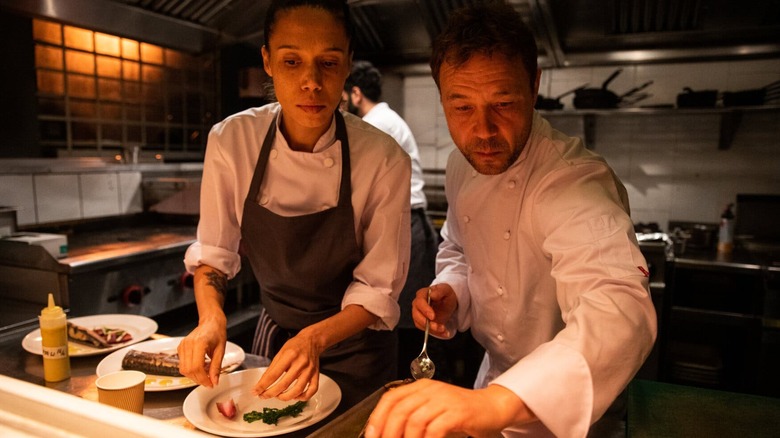
I want to kick this list off with one of the most impressive films I've ever seen. "Boiling Point" is set in an East London restaurant where chef Andy Jones is running late for a busy Christmas-season shift in his upscale restaurant. It takes place over the course of one evening, playing out like a restaurant worker's most terrifying fever dream. Over the course of the film, we learn more about Andy's troubled past as he battles nearly every conceivable nightmare scenario that could possibly happen during a busy dinner service. From a surprise health inspector visit to clueless management to allergy scares, what little patience Andy has is put to the test.
"Boiling Point" manages to illustrate all the things cooks hate about working in fine dining with vivid realism brought to life by impeccable acting. It also touches on many sensitive themes that relate to working in kitchens, including self harm and addiction. Although these themes make "Boiling Point" a tough watch for some, they create a film that doesn't shy away from the ugly truth of the industry. These difficult concepts are depicted with grace and honesty, reminding me of some of my most difficult days in the kitchen.
If that wasn't enough to sell you on this outstanding film, "Boiling Point's" most impressive quality is that it was shot in one single, continuous take with minimal edits. This incredible feat of filmmaking perfectly encapsulates the stress and tension of the restaurant. "Boiling Point" earns an impressive 7.5 on IMDb and 99% on Rotten Tomatoes.
Hunger (2023)
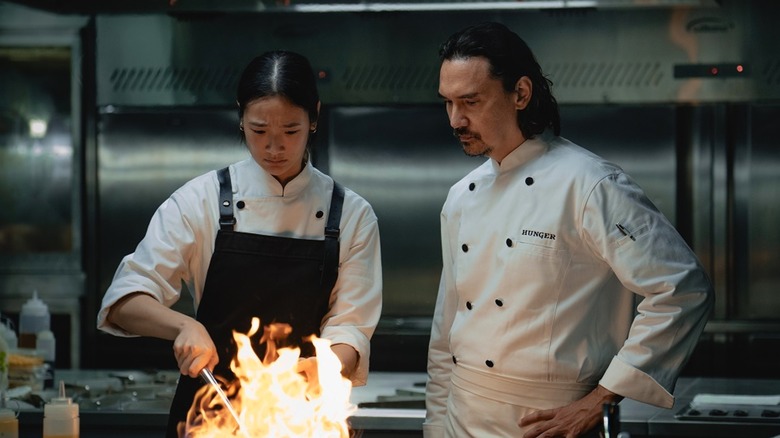
Like "Boiling Point," "Hunger" tackles the concept of fine dining, albeit with a focus on its pretentiousness turned into part horror show, part satire. The film follows Aoy, who works in her family's noodle shop slinging classic pad see ew, a humble Thai noodle dish. But she feels unfulfilled, so when a well-dressed man eats at her family's shop and invites her to join team Hunger — a fine dining establishment reserved for the upper echelon of Thailand — she accepts.
"Hunger's" plotline is similar to that of the celebrated 2022 American horror-comedy "The Menu" in that it touches on themes like socioeconomic inequality and the pretentious, and even cruel, nature of fine dining. While the film is clearly dramatized and incredibly over-the-top, it does the job of illustrating the cutthroat nature of restaurant work. Any chef who has been chastised by a superior and encouraged to work their fingers to the bone on the line until they mastered a specific skill or technique is sure to sympathize with Aoy. Ultimately, "Hunger" tells us that good food doesn't have to be strict and flashy — it's all about the love you put in it. "Hunger" garnered a 6.6 rating on IMDb and an 86% on Rotten Tomatoes.
Ratatouille (2007)
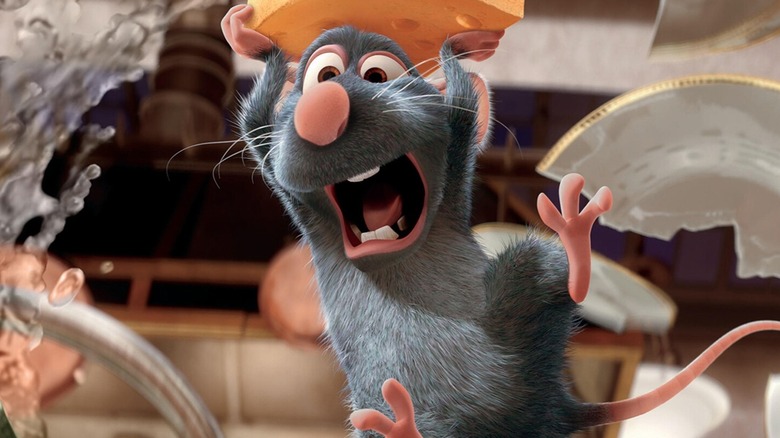
Ask any chef their favorite movie about food, and there's a good chance Pixar's "Ratatouille" will top the list. This animated masterpiece follows Remy, a rat who dreams of becoming a chef. Although a rat is one of the last things you want to see in the kitchen, Remy manages to weasel his way into his dream role in a fancy Parisian kitchen via Linguine, the kitchen's humble garbage boy, in an unexpected way.
"Ratatouille" does a fantastic job of painting a realistic picture of what life is like back-of-house in a busy city restaurant with cute, family-friendly charm. Despite being an animated children's movie, "Ratatouille" still depicts the chaos of restaurant life in ways that adults who work in the industry can easily relate to. Plus, the scene in which a bunch of rats getting together to prepare a fancy dish could be seen as a hilarious allegory.
To those who know anything about the film's production, it should come as no surprise that it's steeped in realism. Thomas Keller influenced "Ratatouille" by contributing his real-world experience to the film, specifically his work at The French Laundry. Under his expert direction, animators got the chance to work in the famous kitchen to aid their artistic efforts. The result is a film that many chefs celebrate as a surprisingly accurate depiction of all the elements of working in a fine-dining restaurant, from the high-strung head chef to the stress of satisfying important customers. "Ratatouille" gets a respectable 8.1 on IMDb and a 96% on Rotten Tomatoes.
Sweetbitter (2018-2019)
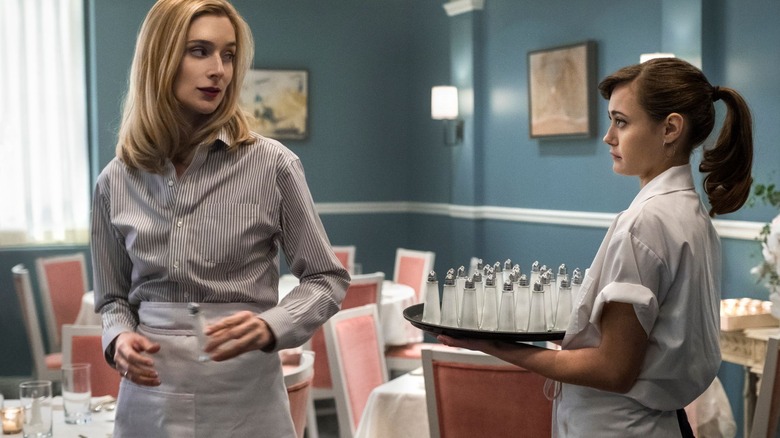
Those who want to learn a few crucial tips for their first restaurant job can watch "Sweetbitter" and take notes. The show, which ran for two seasons, follows a bright-eyed, bushy-tailed young woman named Tess who lands a job at an upscale Manhattan restaurant despite having no industry experience. The show is based on the eponymous best-selling novel, for which the author used her real-life experience working at the celebrated Union Square Café to set the stage for this coming-of-age story.
So many television shows and movies get restaurant work wrong by depicting it as a laid-back, no-skills-required sort of vocation. Not "Sweetbitter." The show depicts the fast-paced, difficult nature of the job with honesty and accuracy, and even touches on the fallacy that restaurant work is easy when Tess starts her new job assuming it will be a piece of cake.
It's no accident that "Sweetbitter" gets front-of-house life down to a T. Before shooting, cast members were trained at the Institute of Culinary Education for two weeks. Eventually, the cast learned how to describe wine, run food, and carry themselves in the hectic environment of a busy NYC restaurant. This attention to detail results in the type of rare authenticity that makes "Sweetbitter" a memorable watch for anyone who wants to be reminded of their first restaurant gig. The series earns a 7 on IMDb and an average score of 58% between its two seasons on Rotten Tomatoes.
Burnt (2015)
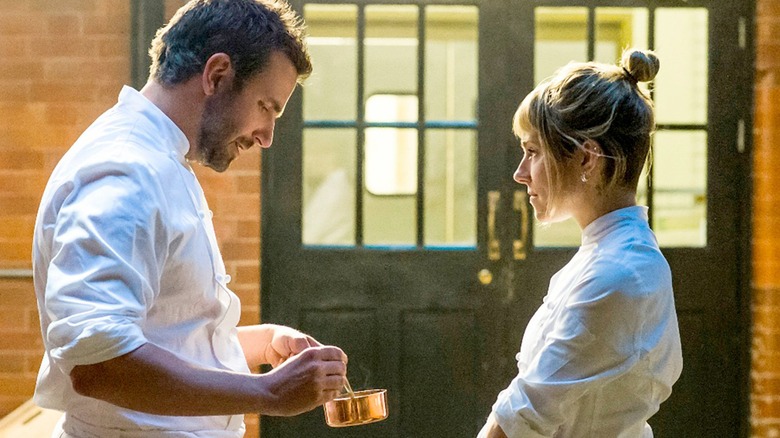
"Burnt" is about a chef's quest for one of the rarest achievements in the culinary world. The goal is one the average chef won't relate to, but it's a film gushing with realism nonetheless. It follows Adam Jones, a chef devoted to the kitchen, but his struggles with drug addiction force him to reevaluate his priorities. Once he cleans up his act, he decides to get back on the line and work his way towards his ultimate goal: a third Michelin star. That, and the affection of a wonderful woman, of course.
Although it may be a hard pill to swallow for many in the restaurant industry, "Burnt" doesn't shy away from depictions of all the anger, pain, and addiction that the industry is famous for. The film is known for its many screaming (and sometimes physical) fight scenes, most often stemming from Chef Adam's relentless perfectionism. Although the film wasn't exactly revered by critics, it's still one of our favorite food flicks, and its intensity is sure to remind kitchen professionals what it's like to work in a rowdy, mismanaged kitchen (we've all been there). "Burnt" touches on some very uncomfortable themes, but it's ultimately a hopeful story that sheds light on the brutality of kitchen work. The movie earned a 6.6 on IMDb and a 29% on Rotten Tomatoes.
Big Night (1996)
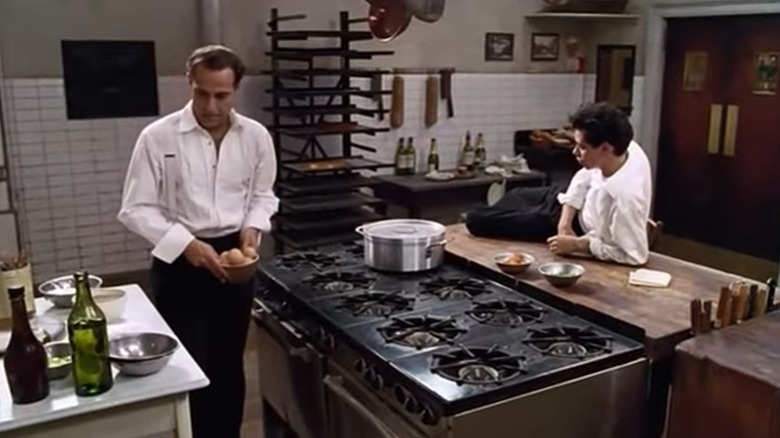
Celebrated as one of the best restaurant movies of all time and a masterwork in indie comedy, Stanly Tucci's debut film showcases the vast span of emotion a restaurant industry job effectuates, from stress and grief to creativity and passion. "Big Night" follows two Italian immigrant brothers, Chef Primo and Chef Secondo, who struggle to keep their New York City Italian restaurant afloat. When a flashy spot slinging half-hearted Italian-American fare keeps stealing their thunder, they need to make decisions that help them stay relevant. They decide to host one big dinner in the hopes of saving their restaurant and convincing the neighborhood that their authentic food is superior.
The question that "Big Night" explores is one that most chefs will undoubtedly understand on a deeply personal level: Should a chef cater to the tastes and demands of customers to keep people happy and the business thriving, or should they make what they know is good, no matter what?
The financial hardships that drive the brothers' decision making will likely hit home with many restaurant owners. Even in the 90s, when "Big Night" premiered, the restaurant industry was famously grueling, and many who attempted to achieve this dream faltered and had to close up shop. "Big Night" offers hope for those who want to merge their creativity with smart business practices, and it does it in a profoundly entertaining way, especially when the big night finally arrives. The film has a 7.3 on IMDb and a 96% on Rotten Tomatoes.
Bob's Burgers (2011 –)
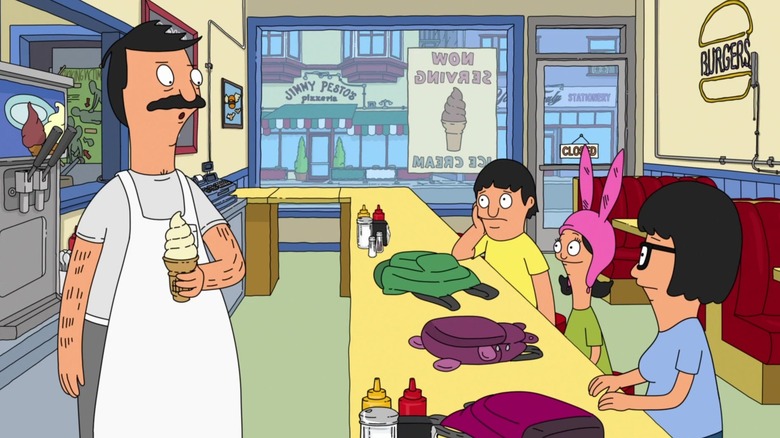
"Bob's Burgers" premiered right around the time I started working in restaurants (small, mom-and-pop type restaurants, to be specific) and I'll never forget how caught off guard I was by its accuracy. The long-running show is about a humble family restaurant run by husband-and-wife team Bob and Linda Belcher and their three children, Gene, Tina, and Louise. Although they struggle to make rent and are always competing with other local businesses, they still love what they do.
One of my favorite aspects of realism in "Bob's Burgers" is the relationship between the Belcher's and the regulars, most notably Teddy. Not only are they a part of the family dynamic, but they'll jump in to help out the restaurant even if there's nothing in it for them. They'll also criticize the food and atmosphere, but with a sense of love and concern for the business in a way that anyone who has worked in a small-town café knows all too well.
All the tiny details in the Belchers' kitchen make it clear that the art team had direction from industry professionals when designing the family's workspace. The little disasters that spiral out of control bring to mind the real-world anxiety of restaurant work, especially when your parents and children are your coworkers. Anyone who has worked in a family-run eatery is sure to sympathize with Bob when he says to his family: "You're my children and I love you, but you're all terrible at what you do here." "Bob's Burgers" earned an impressive 8.2 score on IMDb over the course of its 15 (and counting) seasons.
Waiting (2005)
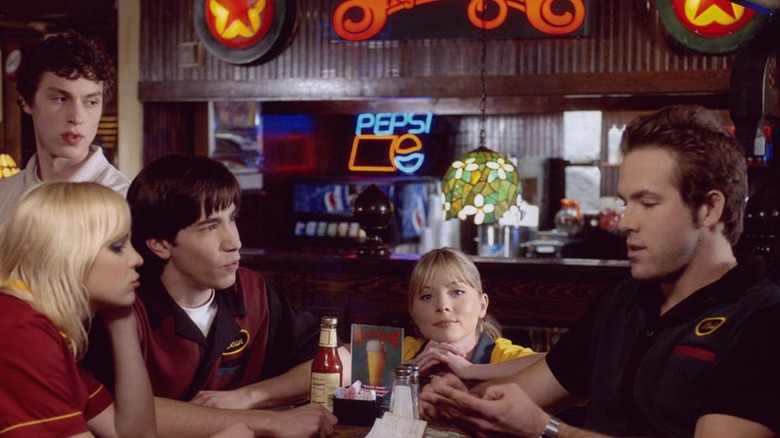
Almost every show and movie on this list focuses on back-of-house restaurant work, but "Waiting" takes a look at what it's like to serve customers in a strip-mall chain restaurant with a surprising level of accuracy. The cult-classic comedy follows a group of raucous ne're-do-wells as they navigate life, love, and their unfulfilling jobs at a chain restaurant aptly called Shenaniganz.
Although its humor is extremely dated and considered pretty offensive by today's standards, "Waiting" is a hilarious watch for fans of the raunchy comedy trend of the aughts — especially for those with experience working in a chain restaurant. Chain restaurants are known for a little bit of debauchery going on behind the scenes, and although "Waiting" exaggerates the antics to the extreme, it still captures the chain restaurant vibe well.
But before you decide to write off chain restaurants for good, let an industry professional put your mind at ease: Despite "Waiting" being revered as highly accurate when it comes to front-of-house chain restaurant work, staff will never tamper with a customer's food, and certainly not in the — lets just say "creative" — ways in which the "Waiting" staff do. The movie gets a 6.7 on IMDb and a 29% on Rotten Tomatoes.
Whites (2010)
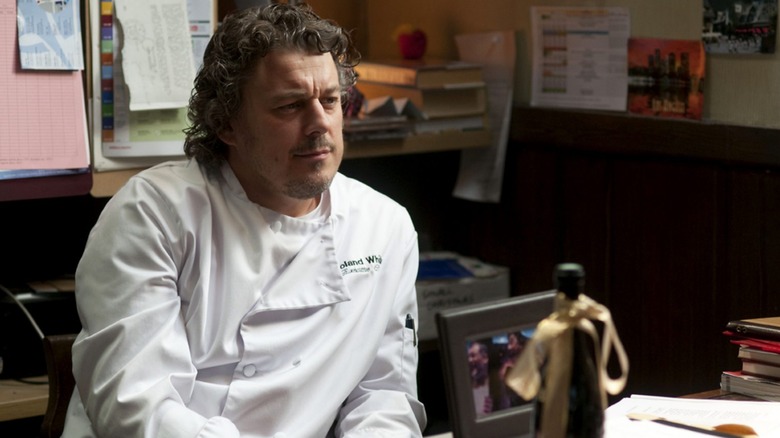
If the idea of a "The Office"-style show set in a professional kitchen tickles your fancy, I encourage you to check out "Whites." The BBC sitcom — which ran for only one short season — follows Chef Roland White as he runs his countryside hotel kitchen known as The White House. Chef White spends the show teetering between locking into work to finally earn that coveted Michelin star, or succumbing to the burnout and giving up on his dreams in favor of a simpler life.
The juxtaposition between stress and passion, exhaustion and determination, is one every chef can relate to. "Whites" explores this theme with sincerity plus plenty of classic Brit humor sprinkled throughout, much of which is rooted in real-life scenarios.
In one iconic scene, the ditzy server brings a ticket back to the kitchen, informing the chefs that a customer requested an eggless omelet. The chefs go on to explain exactly what an eggless omelet is. I was immediately reminded of all the hilariously absurd requests I've received from customers during my days in restaurants, and how I had to rack my brain to decide how to handle the situation with grace, as both a server and a cook. The show was popular among both front- and back-of-house industry employees, who were disappointed when it was cancelled after a mere six episodes. "Whites" received a 7.3 score on IMBd.
Chef (2014)
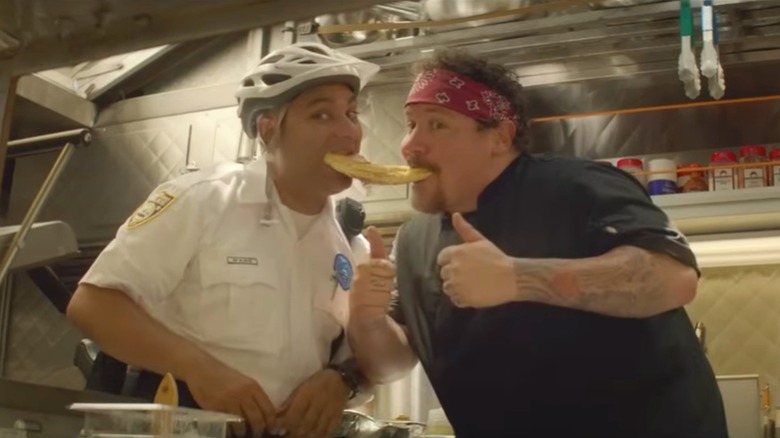
"Chef" — written, directed, and produced by Jon Favreau, who also starred in the film — is a heartwarming buddy road trip story that explores the idea of artistic freedom in the kitchen. Chef Carl Casper feels like his creativity is stunted by his bottom-line-obsessed boss. When his boss' direction leads to a scathing critic review, Carl decides to outfit an old food truck and unleash his gastronomic artistry — specifically in the form of Florida's famous cubano sandwich — on the road along with this young son and an old colleague.
In order to prepare for the role, Favreau interviewed culinary experts galore, and even picked the brain of esteemed chef and food truck extraordinaire Roy Choi. He also spent time on the line and learned to cook. The result was a depiction of a skilled professional cook — burn scars up his arms and all — able to break down an entire pig with speed and accuracy and julienne veggies with precision.
Not only do the cooking action sequences scream authenticity, as does Carl's love for the skill that he spent so long to procure and his dedication to a pursuit of artistic freedom — even if you're not a restaurant professional, you can probably relate to that. "Chef" is an excellent watch for those eager to take culinary skills on the road and those who want to see the humble cubano sandwich with newfound appreciation. "Chef" garnered a 7.3 on IMDb and an 83% on Rotten Tomatoes.
The Bear (2022-2026)
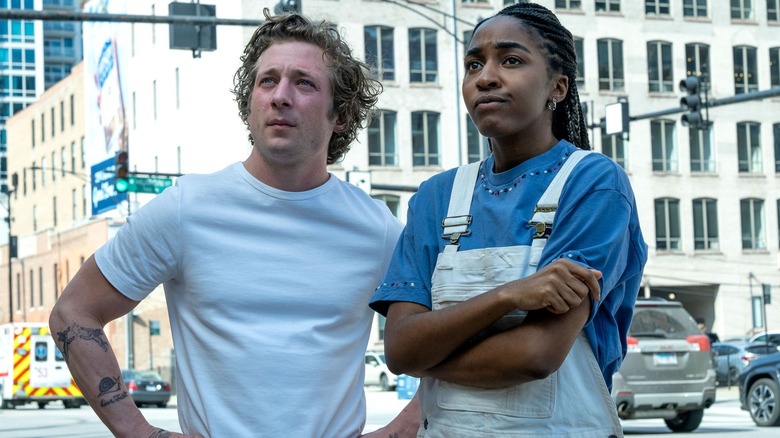
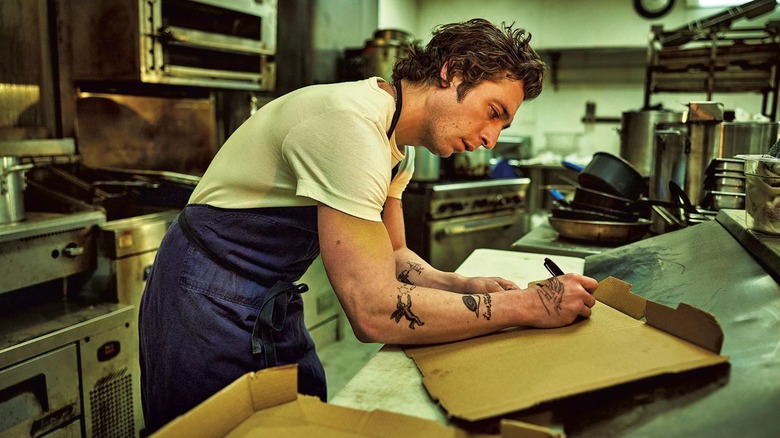
Among the slew of recent movies and television shows set in restaurants, none are as revered for their authenticity as "The Bear." In fact, many chefs deem "The Bear" almost too real. The show follows Carmen "Carmy" Berzatto, a fine-dining chef who returns to his home city to run his brother's sandwich shop after his death. Carmy works to completely revamp The Original Beef of Chicagoland into an upscale concept using his experience in fine dining as he deals with his grief and questions his career.
The Bear is truly sui generis in television drama, with the nearly two dozen prime-time Emmy awards to back it up. It's really the first of its kind, showcasing restaurant work as grueling and damaging, both mentally and physically, instead of the casual, entry-level kind of vocation that the media of the past tends to portray it as. "The Bear" doesn't hold back when it dives into the cruelty, competitiveness, and toxicity that can come with a career in the industry, especially for those who live and breathe food.
My favorite relatable scene from season one is one many restaurant employees can relate to. When the pre-order option is accidentally left open on The Beef's website, the pre-order machine starts printing... and printing... and printing, yielding orders for "78 slices of chocolate cake, 99 french fries, 54 chickens, 38 salads, and 255 beef sandwiches due up in eight minutes." The sound of that machine continuously printing is triggering for any chef or line cook. "The Bear" has a remarkable 8.5 on IMBd and 93% on Rotten Tomatoes.