

Why Margaritas Always Taste Better At A Bar
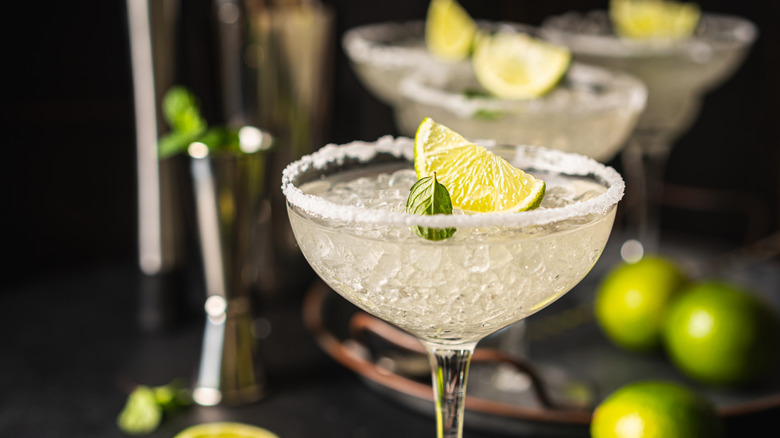
Have you ever ordered a margarita at a quality bar or restaurant, taken a sip, and immediately wondered why it tastes better than the ones you make at home? The ingredients are simple, yet despite your best efforts, your version rarely measures up to the one you drink on a night out.
While developing a beverage program as a bartender, I learned that every successful cocktail exists at the intersection of technique, ingredients, and storytelling. Great drinks don't happen by accident — they're carefully constructed experiences that bridge flavors with regional influence and thematic resonance, drawing connections between products, places, seasons, and people. But rather than relying on nostalgia, assumptions, and bartender folklore, I wanted to understand precisely why a bar margarita tastes better.
To do this, I drew on my extensive bartending experience, contemporary cocktail science, hospitality research, and industry best practices. I discovered a number of factors that contribute to the quality gap between a homemade margarita and one prepared by a skilled mixologist.
The spirits are fresher
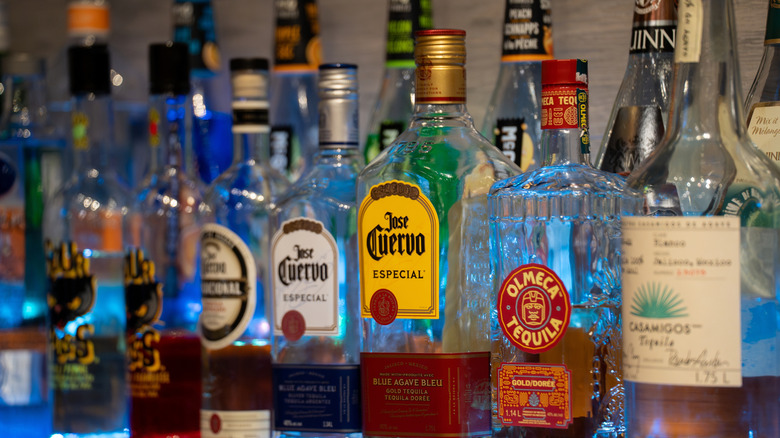
One reason why margaritas seem to taste better at a bar is surprisingly simple: the tequila is fresher. If you're making cocktails at home, it can take a long time to finish off a bottle of tequila, and that half-empty bottle at the back of your cabinet starts changing once it's been exposed to air.
Why does that matter? Opening a bottle introduces oxygen to the spirit, which gradually alters the aroma and flavor. Some alcohol actually expires, and while other types can remain safe to drink for years, they will continue to lose their character over time. These changes certainly won't happen overnight (the suggested lifespan of opened spirits is one to three years) but flavor changes will become more noticeable as oxidation and evaporation take their toll.
However, bars and restaurants move through inventory much faster than home cocktail enthusiasts. High-volume establishments are constantly replacing bottles, which means the tequila in your margarita is usually coming from a recently opened bottle that hasn't spent months gathering dust on a shelf. The difference in your margarita may not be dramatic, but small margins matter in the cocktail world. If your homemade marg uses a spirit that's a little flatter, duller, or less aromatic than the one a popular bar is pouring, you're already playing from behind.
Bartenders squeeze fresh citrus daily
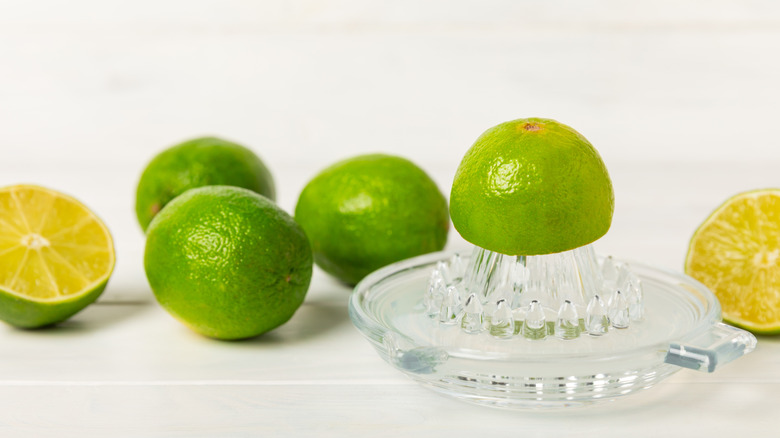
A great margarita is a balancing act between spirit, sweetness, and acidity, and one of a bar's biggest advantages is fresh citrus. It's why a bartender-approved margarita boasts sharper definition and a fresher taste than a homemade version made with fruit that's been sitting in the refrigerator for weeks.
Cocktail bars juice limes and other citrus fruits daily because fresh juice delivers brighter aromas and more vibrant flavors than bottled alternatives. I commend anyone who uses real juice at home over bottled alternatives, but unless it's fresh, it won't make a huge difference – the fruit's volatile aroma compounds start dissipating almost immediately after it's squeezed. A busy bar can move through multiple batches of fresh-squeezed citrus each night, while a quieter establishment can squeeze fruit to order.
And that freshness matters because acidity is one of the core structural elements in a margarita. When you order one at a quality cocktail bar, you can be reasonably confident it's being made with fresh lime juice rather than bottled sour mix. The best cocktail bars consider fresh citrus to be non-negotiable, especially as pre-made alternatives typically contain additives that will flatten a drink's flavor profile.
Bars have better ice
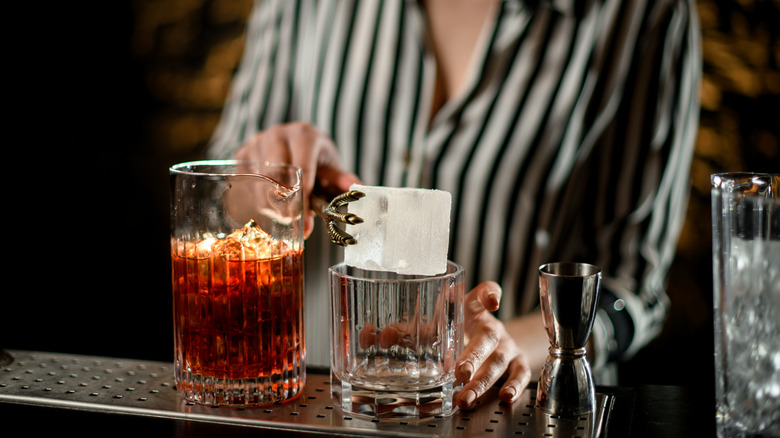
Many people assume the purpose of ice in a cocktail is just to make it cold, but bartenders know it's doing something else that's equally important: controlling dilution. A margarita isn't just tequila, lime juice, and orange liqueur — there's also a specific amount of water that's introduced via ice during shaking. Bartenders often consider dilution a cocktail ingredient in its own right because it softens alcohol, integrates flavors, and helps create a texture that makes a drink taste balanced instead of disjointed.
This is why serious bars pay close attention to their ice. Large, fresh, dense cubes melt more slowly and predictably than small, irregular, half-melted chunks, giving bartenders greater control over how much water ends up in the finished drink. Some cocktail bars even have their own specialized ice programs because they recognize how much it affects the temperature and dilution of drinks.
You can make your own bar-quality ice at home, but your tools, technique, and the science of shaking and stirring cocktails also matter. Commercial-grade shakers, strainers, and high-volume ice machines help bartenders consistently reproduce the same level of dilution. Many mixologists refine shaken drinks by double-straining — pouring the liquid through both a Hawthorne strainer and a fine-mesh strainer — to remove excess ice shards and citrus pulp. The result is a margarita that's not just colder than the one you make at home; it's better balanced, with the perfect level of dilution to round off the edges, open up aromas, and let every ingredient taste more like itself.
Someone else is making it for you
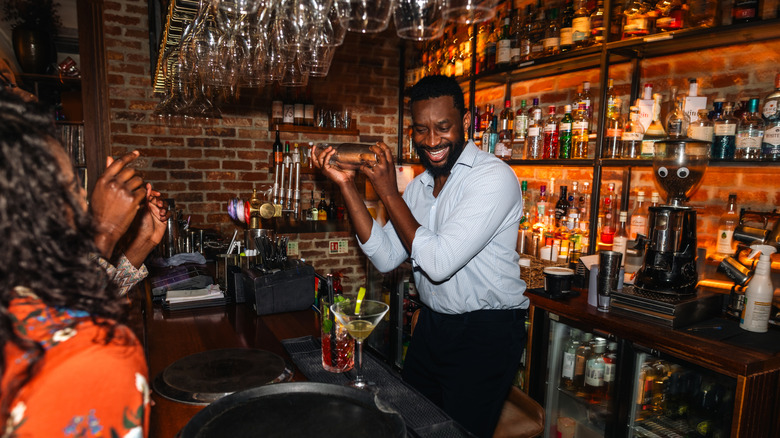
Professional bartenders spend hundreds or even thousands of hours refining their craft. They learn how to balance flavor aspects, control dilution, build a round, and consistently execute recipes under pressure. Just as a meal often tastes better when prepared by a skilled chef, margaritas benefit from the experience and technique of someone who makes them every day. That's why the secret to a better margarita isn't necessarily about what's in the glass but who's making the drink.
Plus, making a margarita at home means gathering the ingredients, squeezing limes, measuring pours, shaking, cleaning up, and putting everything away after. At a bar, someone else handles all of that. Instead of thinking about the work, you get to focus entirely on enjoying your drink.
Watching a bartender shake, strain, and garnish a cocktail can also create a sense of theater that heightens anticipation before taking the first sip. Ambiance, presentation, and anticipation all influence how we perceive quality and experience joy. At a well-designed bar, cocktails are accompanied by music, lighting, conversation, and atmosphere that are difficult to recreate in a kitchen. In other words, a margarita may not only taste better because of what's in the glass, but because you're free to sit back, watch the show, and enjoy the moment.
It's easier to enjoy specialty margaritas
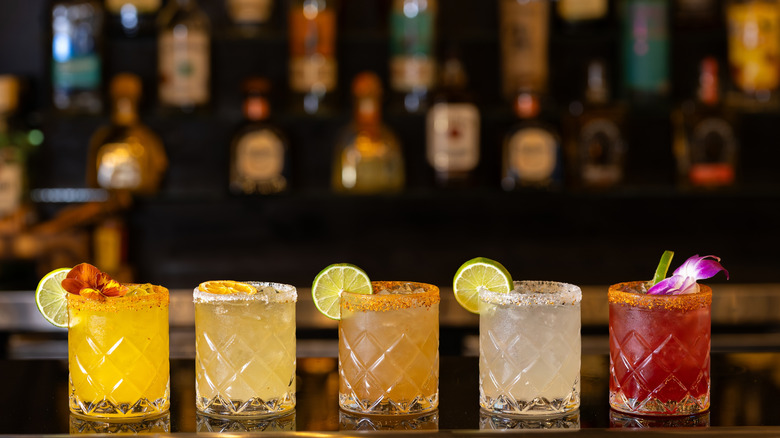
Nobody can deny that the margarita deserves its status as a classic cocktail, but some of the best margaritas make use of specialty ingredients. These can include the likes of fresh fruit garnishes, flavored salts, dried citrus wheels, chili powders, or herbs, and they introduce interesting new aromas and flavors, along with added visual appeal.
At a bar, those unusual ingredients are used to make hundreds of drinks. At home, they're often purchased to make a single cocktail, put in the back of the refrigerator or pantry, and forgotten about. This creates a dilemma: spend money on ingredients you'll barely use or skip them altogether. Fresh limes, citrus wedges, herbs, and fruit garnishes may seem inexpensive individually, but that's still money wasted if they spoil before you can use them.
Then there's the hassle factor. Properly rimming a margarita glass requires additional ingredients, extra preparation, and more cleanup. Fresh garnishes require a cutting board, knives, and there are scraps to dispose of afterward. For bars, that cost and effort are all part of the business. Bartenders can justify using premium and specialty ingredients because they're bought at volume and used quickly. All this is to say, for the best homemade margaritas, you're better off perfecting the classic recipe and leaving the more complicated versions to the experts.
Bars have a greater selection of spirits
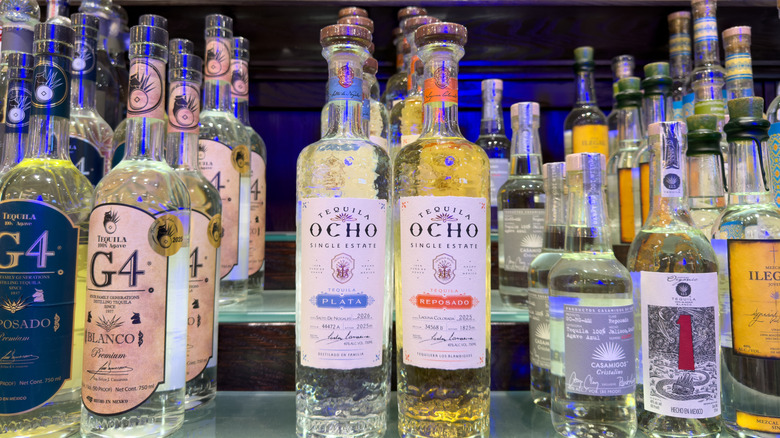
Even the most serious tequila fans would struggle to stock a home bar as fully as a cocktail venue could. A quality establishment may carry dozens of tequilas of varying ages, from different regions, and made using different production methods. This includes a rotating cast of niche bottles that most consumers will never encounter in a retail store. Considering that premium tequila can cost well over $100 per bottle, assembling a meaningful selection of agave spirits is prohibitively expensive for most people.
A bar's wider selection doesn't just mean more options; it also means bartenders can choose spirits that best suit a specific cocktail. Since these products are selected by professionals — folks who have spent their careers tasting spirits, discovering niche producers, and following industry trends — bars can introduce drinkers to bottles they might never have tried otherwise.
This variety can also transform the margarita itself. A classic tequila version will have a very different character from one made with mezcal, whose smoky profile creates a richer, more complex cocktail experience. Other bars experiment with spirits like sotol, a lesser-known Mexican spirit made from the desert spoon plant that brings earthy, herbal flavors distinct from tequila. For many drinkers, a bar is where those discoveries happen.
Bartenders know the tricks of the trade
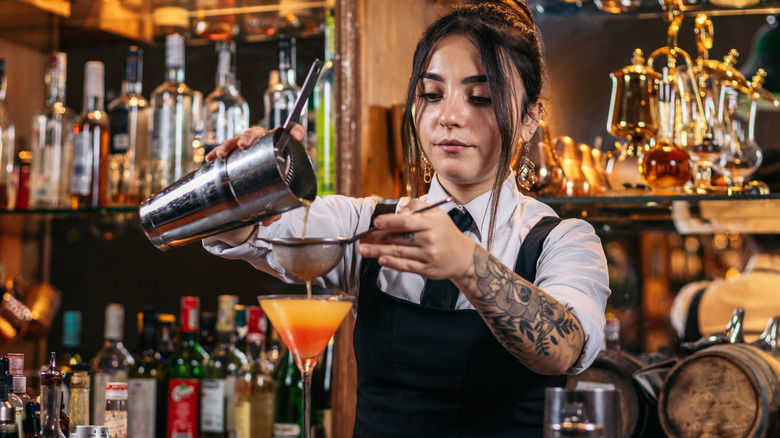
The ultimate difference between your margarita and a professional bartender's is precision. The expert isn't guessing — every ingredient is measured (sometimes mentally), every ratio is intentional, and every step is designed to produce a specific result. They understand that cocktails — especially margaritas — live or die by balance. A little too much lime juice and the drink becomes harsh. Too much orange liqueur and it turns sweet. Over-dilution means the flavors fall flat. The best bartenders know how to get it right every time.
This precision can extend beyond a cocktail recipe. Modern bartenders think about acidity the way chefs think about seasoning. Some bars use ingredients like citric acid to fine-tune brightness and ensure consistency from one batch of citrus to the next. Others may use saline solution to fix bitterness, amplify flavors, and improve balance. Grounded in food science, these techniques allow bartenders to make subtle adjustments that most guests wouldn't consciously notice but still appreciate in every sip.
Anyone can make a margarita at home, but bartenders are engineering them. They're making a drink that feels effortless because so much thought and practice went into it beforehand.