

What The 7 Recycling Symbols Actually Mean On Plastic Packaging
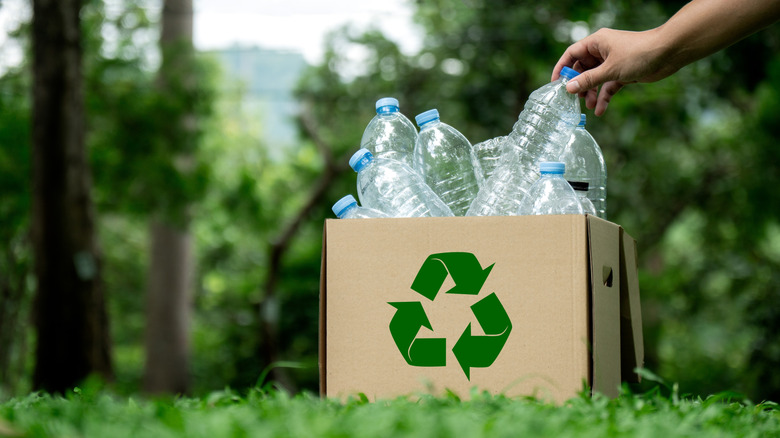
Even if you have the best intentions around plastic consumption, the recycling part of "reduce, reuse, recycle" isn't always straightforward. Rules for curbside recycling are different across states and cities, and there's no national mandate that requires plastics to display the recycling symbol or a number.
There's also a common misconception that anything with these symbols can be recycled, but this isn't the case. This symbol is added to identify what type of plastic you're dealing with, which you then need to check against the recycling capabilities in your local area. In many cases, you'll find the symbol indicates that the container needs to go in the trash, though some plastics can be returned to stores for processing.
In a bid to eliminate confusion, California recently passed a law banning the use of the chasing arrows recycling symbol, except where the plastic is easily recyclable in the local system. Other local authorities in Florida and Ohio have encouraged residents to ignore the number and instead focus on the shape, with bottles and jugs the easiest to recycle. In any case, the numbers on plastics aren't only helpful for waste disposal — they can help you make decisions about food safety.
#1 PET (polyethylene terephthalate)
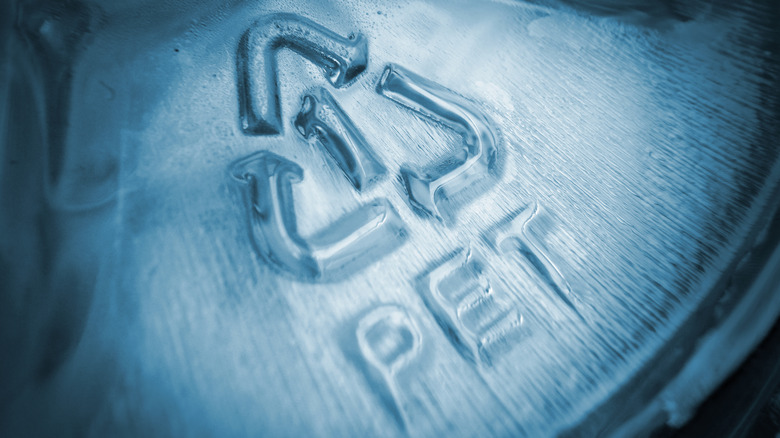
Generally speaking, the lower the number on the plastic, the easier it is to recycle. Polyethylene terephthalate (PET or PETE) is used to make water and soda bottles, and can be easily recycled back into bottles or other food containers. PET is accepted for recycling through most municipal programs and is the most commonly recycled plastic across the country. Plastics marked #1 aren't considered microwave safe due to their low melting point.
#2 HDPE (high-density polyethylene)
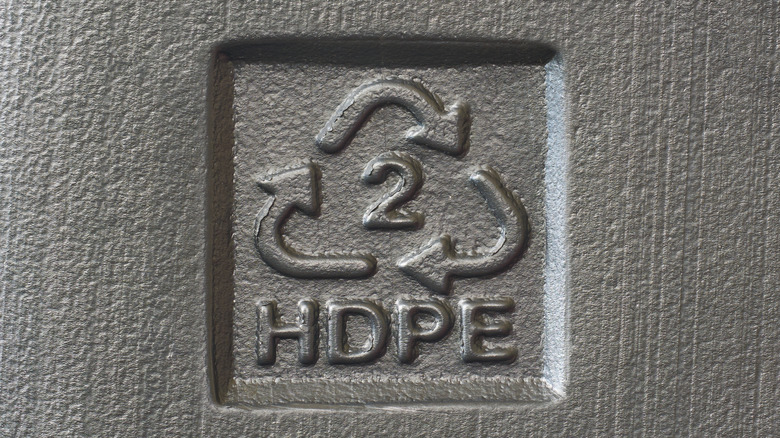
The most common food uses for high-density polyethylene (HDPE) are juice bottles or plastic milk jugs, though it's also used for detergent bottles and cutting boards. Rigid HDPE plastics can be added to most curbside recycling, but #2 plastic bags or container inserts are usually considered film plastics and should be recycled at stores or drop-off sites that accept them. If you prefer to reuse before recycling, plastic milk jugs can have a second life in the garden.
#3 PVC (polyvinyl chloride)
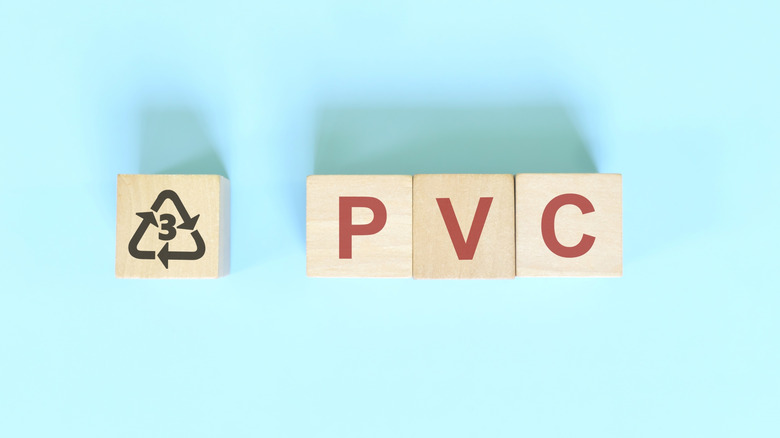
The word polyvinyl chloride (more commonly PVC) probably brings to mind pipes for the kitchen sink, but in its more flexible form, it has many uses in food packaging. PVC is used to shrink wrap foods, as snack tubs, and is the material used for household cling film. Despite its widespread use, it's not generally recyclable. PVC can leach harmful chemicals that will potentially contaminate other plastics during the recycling process.
#4 LDPE (low-density polyethylene)
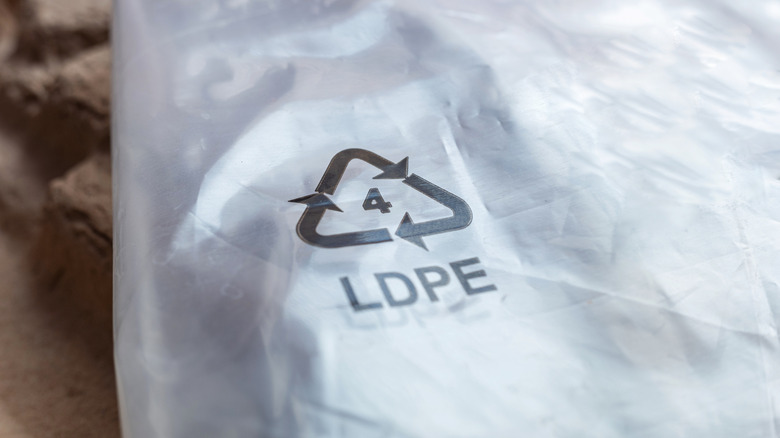
The ubiquitous produce shopping bag is where you'll be familiar with low-density polyethylene (LDPE), though it also shows up in squeezable condiment bottles or toothpaste tubes. LDPE isn't generally recyclable through the usual programs, though in this case it's the form rather than the material that's the issue. The soft plastic bags can jam recycling machinery. Your local supermarket may accept clean plastic bags for recycling, or you can check out these ways to reuse grocery bags around the house.
#5 PP (polypropylene)
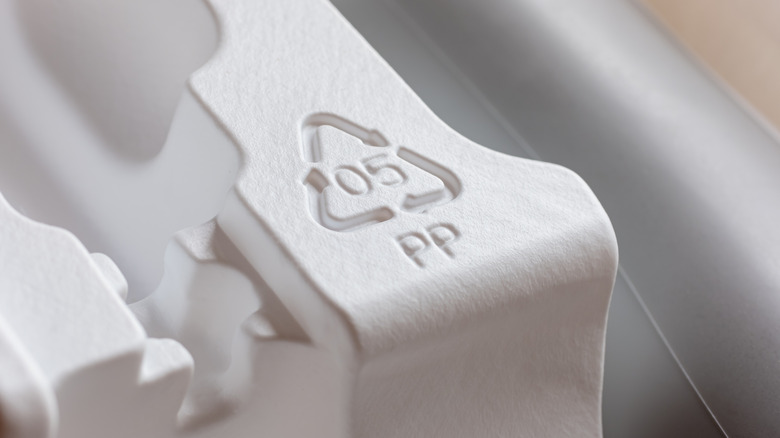
You'll find the #5 recycling symbol on a wide range of food packaging, including margarine tubs, individual servings of yogurt, and potato chip bags. It's also used to make plastic straws. Polypropylene is considered one of the safer plastics for food storage, so these containers can be reused and often reheated without concern. Although polypropylene was not easily recycled in the past, more local authorities are now accepting #5 plastics in curbside collections.
#6 PS (polystyrene)
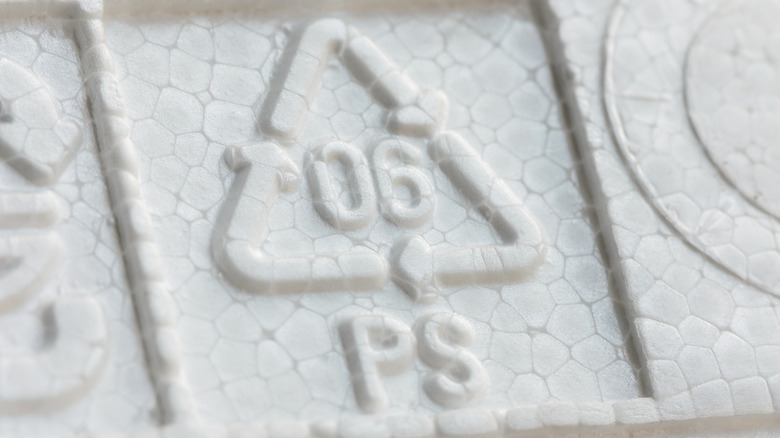
Polystyrene, particularly the foam format known as Styrofoam, has long been a popular choice for egg cartons and takeout foods due to its insulating capacity. It's not so popular among environmentalists, however. With a composition of around 95% air, it's not worth the energy used to recycle it, and it has a tendency to break up before it reaches the landfill. It's also considered toxic, with links to cancer and reproductive issues, meaning microwaving Styrofoam should be avoided.
#7 Other
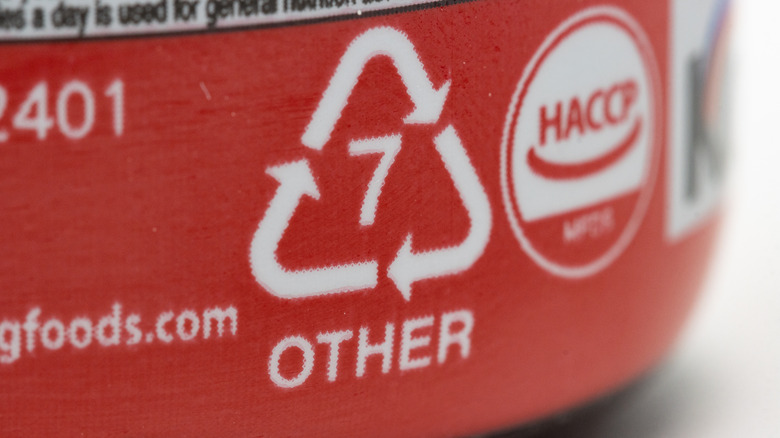
The #7 recycling symbol is a catch-all for anything that doesn't fall into the above categories, but can include BPA, polycarbonates, and bio-based plastics. The mystery factor means these usually won't be accepted for recycling, and reuse should be done with caution. Despite their use in food containers, water bottles, and plastic cutlery, studies show these resins can disrupt hormones. If possible, it's better to avoid food packaging with the #7 label.