

Grill Flame Keeps Going Out? Here's A Common Reason (And The Easy Fix)
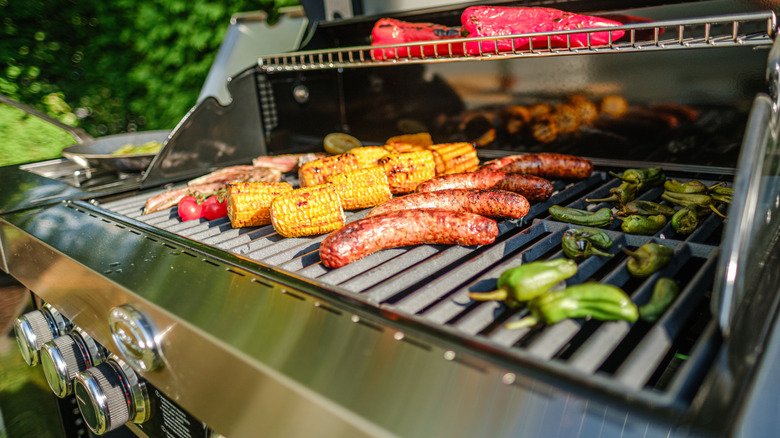
A grill flame that keeps going out can be frustrating and inconvenient. Luckily, this isn't necessarily a major problem that requires a new grill. There could be an easy fix, depending on the cause. However, it's important to determine the underlying cause, as it does have the potential to become a dangerous issue if not addressed. An unlit burner will continue to release gas into the grill chamber, which could cause a fire or explosion.
One of the most common reasons a grill has a low flame or won't stay lit is a clogged burner. The grill's burners are the primary heat source and transform gas into flames. When they function properly they ensure the proper mix of fuel and oxygen, and distribute heat evenly underneath the cooking grates. When the small holes in the burner tubes become clogged by grease, oil, food debris, or dust, the gas flow will be blocked. In addition to having trouble lighting the grill, you may also notice weak or uneven flames, a popping noise, rapid drops in temperature or heat, and a change in flame color. You should always check the flame color when using your gas grill, because a yellow or orange flame can indicate incomplete combustion.
The easiest way to fix this is to clean the gas burners and ports. Turn off the gas to the grill, disconnect the tank, and let it cool down completely. Then remove the grates and heat tents from the interior, so that you can see the metal burner tubes. Use a grill brush to remove any debris, cleaning horizontally across the ports. If you see evidence of clogged burners, you can use a paperclip to clear the blockages.
You may need to do a deeper cleaning of your grill burners
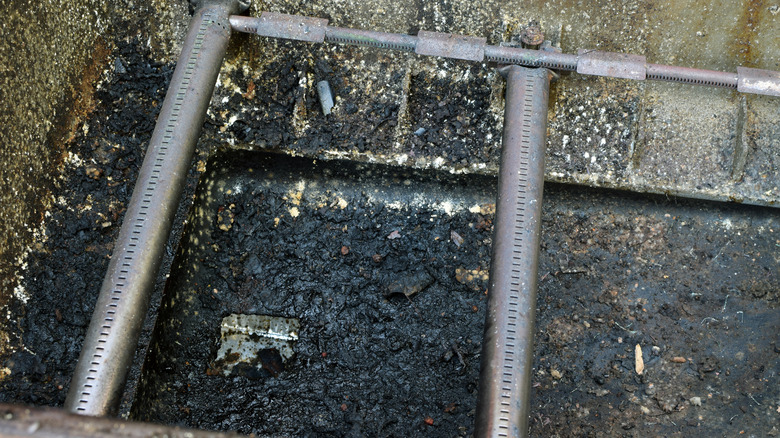
If you're having trouble removing stubborn grease or see spiderwebs or debris inside the burner tubes, you'll need to do a deep cleaning. Consult your grill manual for instructions on how to remove gas grill burner tubes. For most models, the tubes are attached with pins or screws that will need to be removed. After lifting the burners out of the firebox, you'll want to clean them inside and out. Skip steel wool when cleaning this part of your grill; instead use a nylon brush, warm water, and Dawn dish soap to scrub the top and sides of the tubes. Then use a long-handled bottle brush or venturi brush to clean the burner tube's interior.
Next, clean out the firebox, using a small handheld vacuum to remove loose debris, and a grill brush and dish soap to scrub out grease and oil. Wipe the area clean with a damp cloth, and dry it and the burner tubes completely before putting the burners back. Make sure the burner openings are properly aligned over the gas valves. Reattach the pins or screws and reconnect the gas. Turn the grill on high to test the flame. If it is steady, even, and blue, the problem is solved. If the grill still fails to light or the flame flickers or turns orange or yellow, the issue could be poor fuel supply, low gas pressure, a faulty gas regulator, or a damaged igniter. You can prevent clogged burners in the future by cleaning your grill after each use, and doing a deep clean once a year. Pay special attention to the hidden parts of your grill you may be forgetting to clean.