

This Is Why Certain Kitchen Appliances Last Forever, And Others Have Short Lifespans
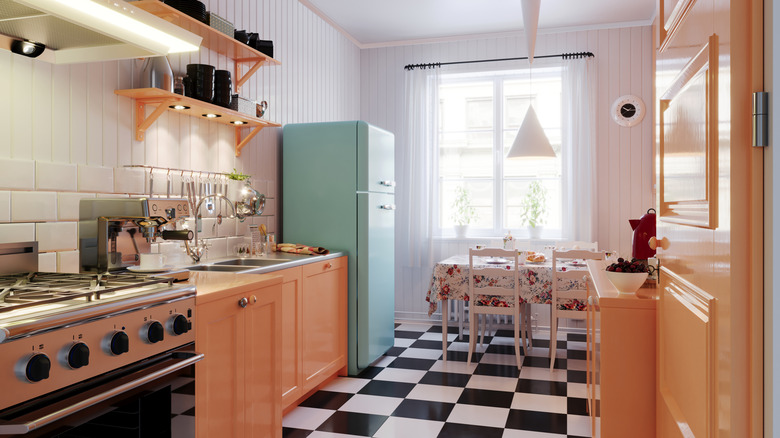
If you're fortunate enough to have inherited your grandmother's stand mixer or bought a house with a still-working avocado-green refrigerator, you've probably realized that they don't make things like they used to. These days, very few kitchen appliances seem indestructible, while many feel completely disposable. In general, older appliances often lasted longer because they were mechanically simpler and built with heavy-duty materials. Vintage ovens, refrigerators, and coffee percolators frequently utilized thick metal components rather than plastic, repairable motors, and fewer electronics (if any). It's no wonder that vintage kitchen items are trendy again.
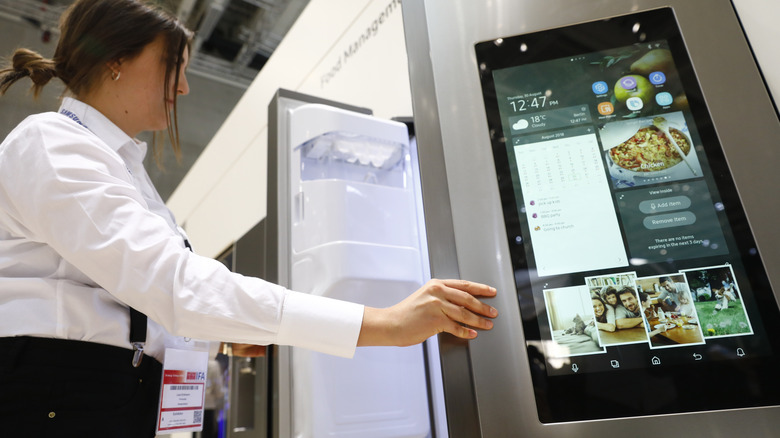
Smart kitchen appliances, by contrast, are all about lower manufacturing costs, smart features, and lightweight construction. While these models are more energy-efficient and chock-full of new features, their delicate electronic systems can cause a lot of grief. Touchscreens, digital displays, and W-Fi connectivity are nice, but a failed control board can disable the entire appliance. It can be hard to know when to splurge on a new appliance or when to invest in a costly repair.
This brings us to repairability, a hot topic in today's "planned obsolescence" consumer world. Many older appliances were designed to be serviced. Parts were most likely standardized, and local repair shops could replace broken motors, switches, and wiring. Today, manufacturers use proprietary parts or integrated electronics that make repairs expensive or just plain impractical. While not every manufacturer intentionally shortens durability (so they say), there's always pressure to cut both costs and corners.
The smarter appliances become, the harder the repair
It's important to remember that many older appliances were proportionally more expensive relative to household income. That's because both the buyer and the manufacturer expected to keep them for decades. But in today's world, we tend to prioritize affordability and frequent upgrades. This doesn't mean all modern appliances are bad, but consumers need to do their homework. When buying a kitchen appliance, research part availability, warranties, and repair access to judge its longevity before purchase.
Fortunately, good maintenance can almost always increase the lifespan. Some of the most effective habits include cleaning filters regularly, using surge protectors, and replacing worn gaskets. It's not the most glamorous job to clean dusty refrigerator coils, but it sure beats buying a new fridge. Still, there are some appliances that tend to break down faster than others. Dishwashers are one of the biggest culprits. Due to all the moving parts, along with plenty of heat and steam, lots of things can go wrong. Microwave ovens, garbage disposals, and built-in ice makers are also notorious for lasting maybe 5 to 10 years.
As for appliances that last longer, it's usually the simplest ones that fare best. Old-school gas ranges without any electronic ignition can go for decades. Simple, standalone freezers are also quiet heroes, as long as you remember to never overcrowd a freezer. Vent or range hoods are also long-lasting. Just remember that every new feature adds another layer of complexity and opportunity to fail.