

8 Burger King Scandals The Chain Can't Escape
If, when a fast food craving hits, you head straight to Burger King, you're far from alone. The chain is consistently voted as an American favorite according to data from YouGov, with thousands flocking to its restaurants every day for Whoppers, fries, and a wide range of breakfast items (which one of our tasters tried and ranked). But don't be fooled; despite the inviting orange logo and the catchy slogans, this popular fast food chain actually has quite a scandalous past.
To be fair, this is hardly surprising, given that the fast food industry as a whole has seen some pretty hair-raising scandals over the years. These include, but are not limited to, Del Taco's bankruptcy filings, LGBTQ+ discrimination (ahem, Chick-fil-A), and injury lawsuits (lest we forget the McDonald's hot coffee incident — one of the biggest lawsuits in its history).
From heavily-criticized commercials to ill-advised social media posts and major recalls, here, we're taking a look at some of Burger King's biggest controversies of the last few decades. And apologies in advance, but some of these might seriously put you off ordering your next Whopper.
The ad with Mary J. Blige
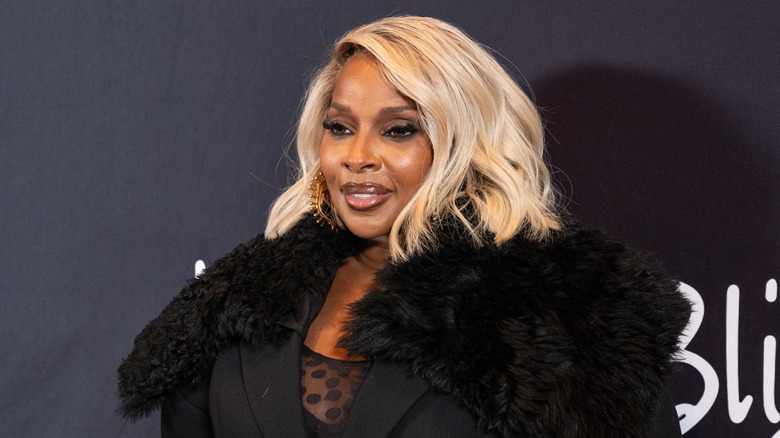
Back in 2012, Burger King teamed up with R&B legend Mary J. Blige to shoot a commercial about its new chicken wraps. In the ad, Blige interrupts a customer asking what's in the wraps to sing the ingredients to the tune of her hit "Don't Mind." But, to put it mildly, many people didn't find the commercial all that entertaining.
In fact, critics said the commercial played into offensive racist stereotypes about Black people and chicken. The stereotype in question dates back to a racist silent movie released in 1915 called "Birth of a Nation." The movie, which glorifies the founding of the Ku Klux Klan, shows a Black person exaggeratedly eating fried chicken.
In response to criticism, Burger King said the commercial was unfinished and pulled it from the air. But the damage was done, and more than a decade later, Blige says she still suffers as a result of the backlash over the ad.
The horse meat scandal
In 2013, one year after that commercial with Mary J. Blige, Burger King found itself at the center of a very different scandal. It turns out, like grocery store Aldi and many other businesses across Europe, it was caught up in a huge fraudulent food network. As a result, the fast food chain might have been accidentally selling horse meat to customers. Although, fortunately, unlike the discount grocer, its burgers likely only contained small traces of horse DNA.
The issue came to light after tests from one of its meat-processing plants in Ireland revealed small traces of horse DNA in its burgers. It's important to note, though, that burgers were also taken directly from its restaurants and tested, and none of those came up positive for horse DNA. Burger King maintained it had been deceived by the Irish plant, named Silvercrest, and moved its business to other meat processors immediately.
The sexist International Women's Day Tweet
It seems that not much was learned from the Blige incident because nearly 10 years later, Burger King made another monumental misstep. This time, it reinforced sexist stereotypes on Twitter (as it was called in 2021, before it was rebranded as X) via an International Women's Day post. The fast-food chain's U.K. account tweeted: "Women belong in the kitchen." And reader, as you won't be surprised to learn in the slightest, it didn't go down well.
Burger King tried to spin the post into a message of empowerment. It followed up the Tweet with another post explaining that only 20% of chefs are women, and it wants to help fight gender inequality in the hospitality industry through a new scholarship program. But people claimed that, however well-intentioned, its initial sexist joke was offensive and unacceptable. In the end, the Burger King U.K. social media team deleted the Tweet and promised to do better in future.
The foot lettuce debacle
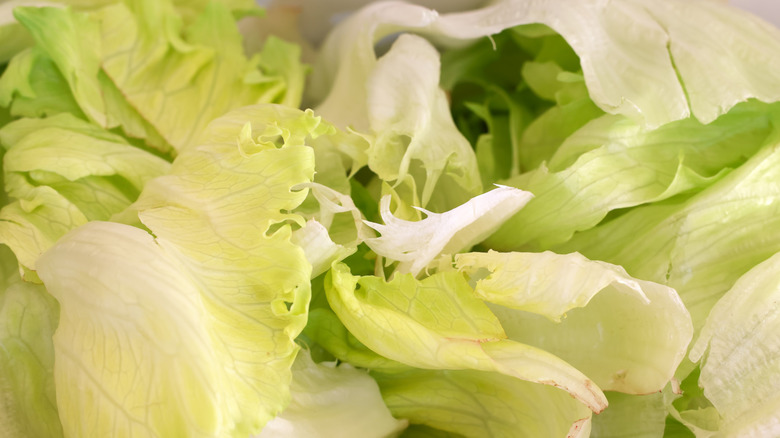
Burger King had more than one scandal to deal with in 2012. This was also the year of foot lettuce gate. If that means nothing to you, we'll explain.
In the summer of 2012, multiple Burger King workers thought it would be amusing to upload a photo of someone standing in fresh lettuce to 4chan, with the caption "This is the lettuce you eat at Burger King" (via Today). Other users very quickly traced the image to a Burger King restaurant in Mayfield Heights, Ohio, and a media storm ensued. The photo ended up on Facebook and in the local news, and as a result of their actions, the three employees involved were, of course, fired.
But the foot lettuce scandal lives on, because people are still talking about it online. In fact, in 2025, a person claiming to be "the real guy behind the infamous 'Burger King Foot Lettuce' meme" hosted an Ask Me Anything on Reddit. In the thread, they confirm that they didn't actually serve the lettuce to any customers, they were surprised at how infamous the photo became, and that they're still friends with the people they uploaded the post with. "I thought the meme would die down over the years," they wrote. "But at this point, I think it's cemented in internet history."
The milkshake Tweet
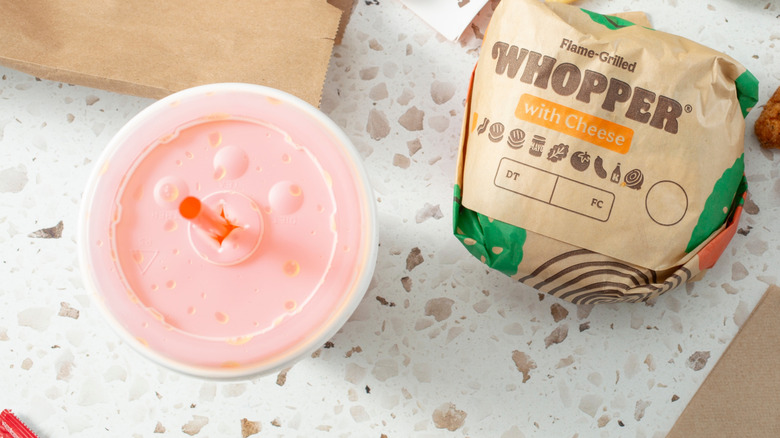
Should Burger King stay away from social media? We'll let you be the judge of that, but first, we'll give you a little history lesson on what happened in 2019 — again, in the U.K.
During this time, throwing milkshakes at far-right politicians (or "milkshaking" as it has become known) was a big thing. Many see milkshaking as a form of protest; a way to embarrass or humiliate far-right figures without causing them physical harm. Nigel Farage, leader of the far-right political party Reform UK and former leader of Eurosceptic party UKIP, has long been seen as a prime target for milkshaking. In fact, he has been milkshaked twice: once in Newcastle in 2019, and again in Clacton-on-Sea in 2024.
It was after that first milkshaking in 2019 that Burger King got involved. Before Farage was due to address a rally in Edinburgh, McDonald's agreed to stop selling milkshakes for the duration. Burger King UK, though, chose to Tweet: "Dear people of Scotland. We're selling milkshakes all weekend. Have fun. Love BK. #justsaying" (via BBC). The post turned into a scandal when some critics called it out for encouraging anti-social behavior. In response, Burger King claimed it did not endorse violence or the wasting of milkshakes.
The false advertisement lawsuit
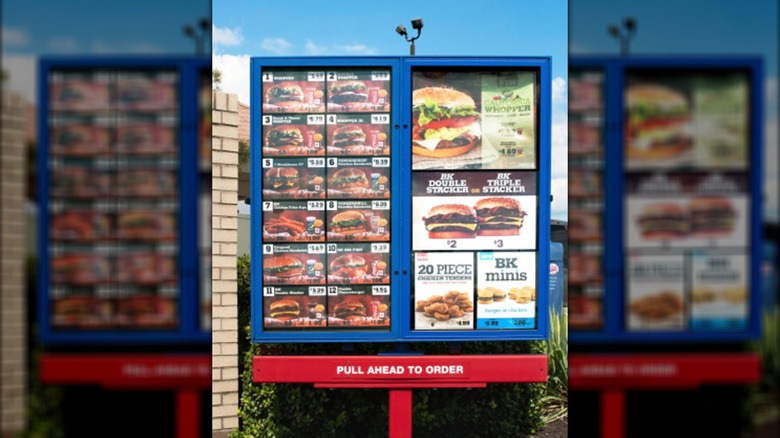
Some scandals can be glossed over with an apology and a deleted Tweet; others, not so much. In fact, some involve actually going to court. In 2020, a group of customers brought a class-action lawsuit against the fast-food chain, claiming that its menu boards deceive people over the real size of its Whopper burgers. According to the 19 plaintiffs, in reality, the burgers are much smaller than depicted — 35%, to be exact.
While Burger King applied to have the lawsuit thrown out in 2023, a Miami district judge ruled that the legal action could go ahead. Burger King didn't give up, sticking to the claim that it hadn't done anything wrong with its images, but in 2025, the same judge ruled again that the lawsuit could go ahead.
On Reddit, many are inclined to back the lawsuit due to ongoing frustrations with shrinkflation in the food industry. "It seems frivolous, but advertising keeps exaggerating while we are offered less and less food, less quality, poorer service, for more and more cost," said one Redditor in the r/CommercialsIHate thread. Another added, "All the fast food companies ads should be illegal. CGI and makeup makes the food look double or triple or more as good as it does in real life."
The undercover investigation in Germany
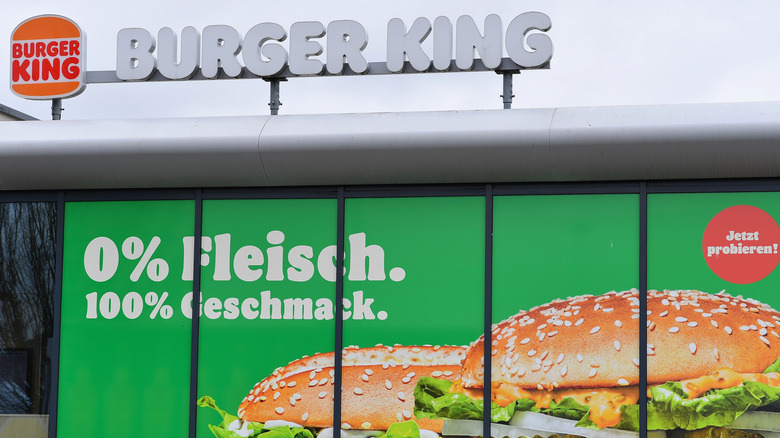
In the early 2020s, Burger King was at the center of another major scandal. This time, though, it involved some of the chain's German locations and a popular investigative series called "Team Wallraff." In the show, famous undercover journalist Günter Wallraff investigates various industries, often uncovering abuse and malpractice. In one of the episodes, aired in 2022, Wallraff headed to Burger King and found some pretty alarming circumstances.
In the episode, which caused a major scandal for Burger King, Wallraff's team found expired meat, expired sauces, and stale, moldy burger buns being sold to customers in some restaurants. They also uncovered a lack of hygiene from employees, maggots in food waste bins, and piles of mouse feces, as well as evidence of workers cooking vegan food with meat. Burger King, of course, promised to take immediate action to rectify the situation, but for some customers, it was too late. One plant-based Redditor claimed they were devastated by the news in the r/vegetarian thread, adding that they felt betrayed and had lost their trust in the fast-food industry.
The Pokémon ball recall
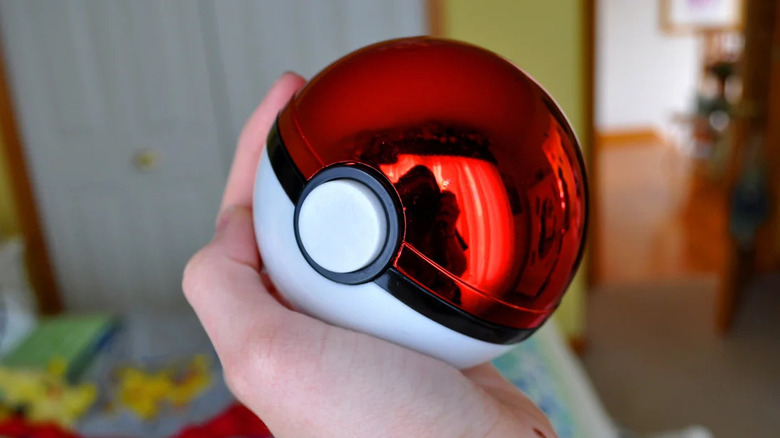
Back in the 1990s, fast-food collectibles were a big deal. Burger King and McDonald's would frequently release special toys and trading cards, and frenzied kids would rush to their nearest restaurants to get a side of playground gold with their fries and burgers. Burger King had a particularly profitable deal with Pokémon in the late 1990s, which involved selling everything from key rings to light-up figurines to Pokémon balls. But things went terribly wrong with the latter.
In 2000, after selling Pokémon balls throughout November and December 1999, Burger King was forced to recall more than 25 million of the toys from the market due to a major suffocation risk. It turns out that when the 3-inch balls were placed over a child's face, they formed a seal, causing the child to suffocate. Tragically, a 13-month-old girl died as a result of suffocation. The incident caused a major scandal, not just because of the suffocation risk, but due to the time it took for Burger King to react. According to reports from the time, it took two weeks for the fast-food chain to recall the balls.
Decades later, the incident is still being discussed on social media. "Those things were really heard to remove from your face," recalls one Redditor in the r/todayilearned thread. "Your first instinct when choking [is to] try and breathe, only sucking it tighter to your face." They added, "I was surprised they even allowed these things for sale."