

What Americans Can Learn From How The French Eat
The reputation of French cuisine and French people's regard for the traditions and etiquette that surround it are both entirely justified, so visitors keen to experience the former should learn about the latter. I spent almost every summer of my childhood and adolescence in France, and dining there is one of life's great pleasures. If you get the chance to do the same, here are some things Americans can (and should) learn from how the French eat.
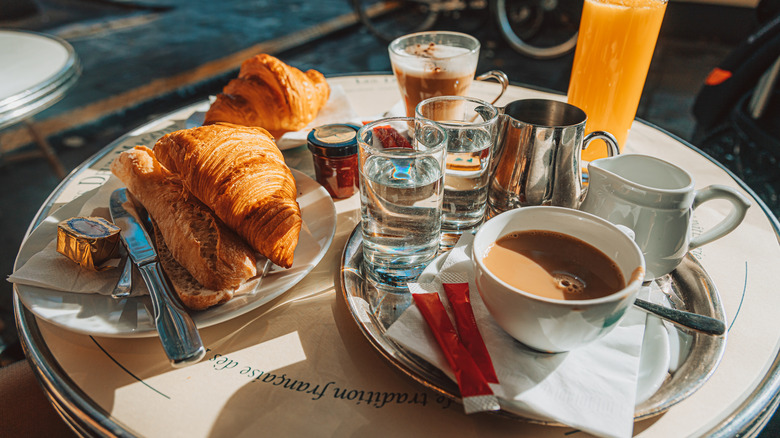
If you tend to start the day with a Denny's Grand Slam, you'll find a traditional French breakfast to be a more modest, but still delicious, affair. Typically, it will consist of coffee, fruit juice, bread with butter or jam, or a freshly baked pastry, such as the classic croissant (which actually has Austrian origins). France is hardly abstemious in culinary matters — rather, breakfast is light because the French take lunch and dinner very seriously. While I'm not averse to the occasional breakfast of pancakes and bacon, I generally stick to the French approach, as anything heartier can leave you feeling sluggish when the day has barely begun.
When having lunch or dinner at a bistro, brasserie, or restaurant (it's worth learning the difference before doing so), you will need a reservation. Arrive promptly, as lateness will lose you your table. You may have heard horror stories about the notorious rudeness of French servers, but this is largely a myth – there's simply a greater emphasis on professionalism and efficiency than on maintaining an air of enforced jollity. Again, this is something we could all learn from the French — work as a restaurant server is hard enough without customers getting offended that the waiter didn't wear a fake smile. Be courteous but not overly familiar, and French servers will do the same.
Other essential tips for eating in France
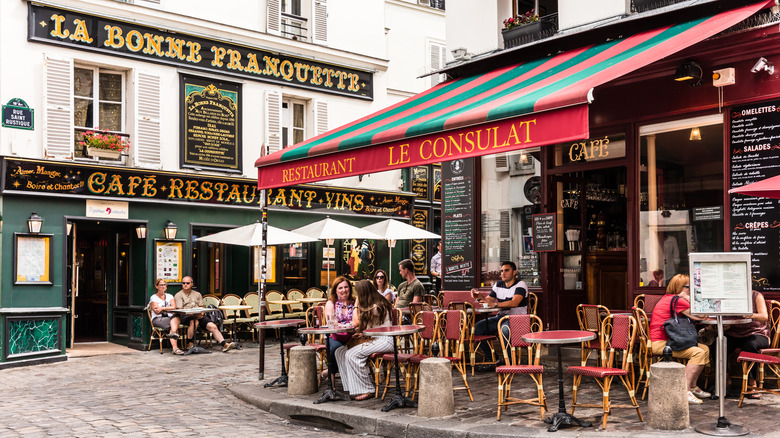
You may be eager to experience what one of the greatest wine-making countries on Earth has to offer, and wine may seem omnipresent in France, often being enjoyed at lunch as well as dinner, but this isn't a license for overindulgence. France is liberal regarding when drinking alcohol is permissible, but excessive drinking is frowned upon. If having a glass or two of wine with your lunch, savor it and exercise restraint, not least because you'll likely be opening another bottle with dinner.
In any French eatery, if you do not see salt and pepper on your table, don't ask for any. Not only is it unlikely to be provided, but it will be considered insulting, as it implies your food is insufficiently seasoned. Similarly, requesting modifications to anything on the menu — such as asking for sauce on the side — will not be looked upon kindly.
As a rule, dinner in France takes place significantly later in the evening than you may be used to. Like the French, I am a firm believer that dinner should occur only once the sun has gone down, so if you suggest to your French friends that you eat any earlier than 8 p.m., don't be surprised if they treat you like a retiree lining up for the early bird special.
A final piece of advice: When you see one of those glorious outdoor ovens filled with slowly rotating, golden chickens, their fat dripping down onto a tray of decadent, crispy potatoes beneath, order one immediately. Trust me: After trying the French version, you'll never go back to sad, pre-bagged grocery store rotisserie chicken again.