

Review: Buffalo Trace's Pricey Weller Spelt Wheat Bourbon Is Money Well Spent
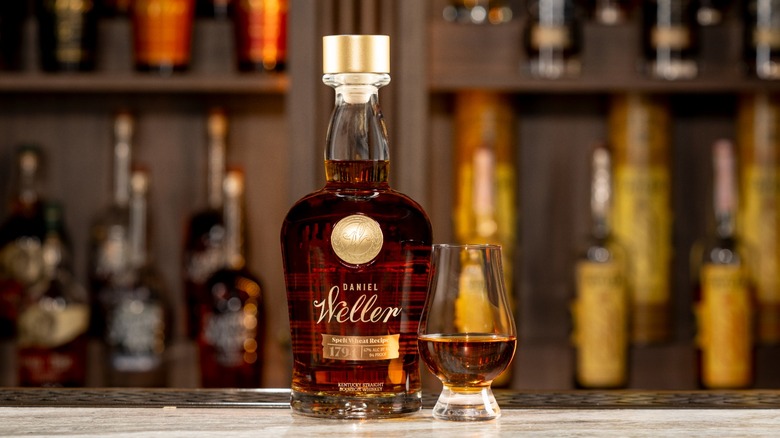
Whiskey distillers typically use three grains in the production of bourbon: a minimum 51% corn, with rye and malted barley. W.L. Weller takes a different approach. It produces wheated bourbon, or bourbon that contains a high percentage of wheat instead of rye in its mash bill. A part of Kentucky's Buffalo Trace Distilleries portfolio, the original wheated bourbon honors the late William Larue Weller, a forward-thinking distiller born in 1825. His bourbon swapped the typical rye for wheat, creating a unique flavor with a supple palate. Today, Weller is one of the best bourbon brands on the market.
In 2023, Buffalo Trace Distilleries launched Daniel Weller, an experimental bourbon brand in honor of William Larue Weller's grandfather. The 12-year wheated bourbon release included the ancient emmer wheat in the mash bill, changing the overall profile of the whiskey. In March 2026, Buffalo Trace Distilleries announced a new, pricey, limited-release selection under the brand, Buffalo Trace Daniel Weller Spelt Wheat bourbon.
Now you may be asking: What is spelt? It's an ancient, artisan grain dating back 12,000 years to the Neolithic period, according to research. It is often used to make beer, bread, and baked goods, and is commonly found in Central Europe. As such, brewers and bakers typically use spelt in their products today, but whiskey producers don't. Which is likely why Weller opted to include it in the 10-year, 94-proof, experimental release.
To see if the new $550 whiskey is worth the investment, we did a taste test. Here are the results.
Methodology
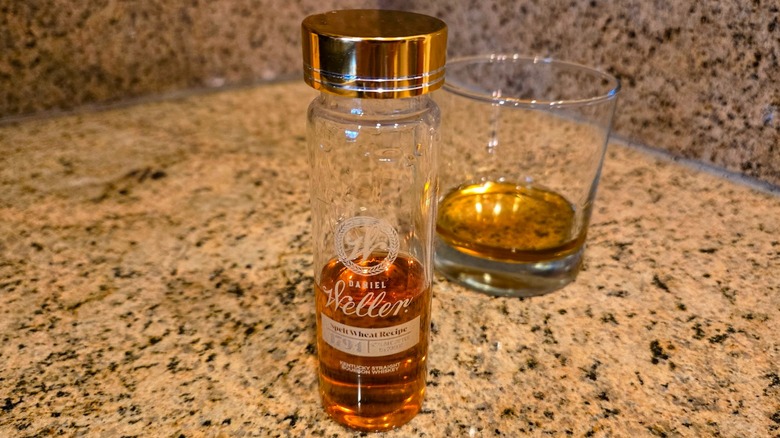
To see if this high-priced new whiskey is worth the splurge, I reached out to the distillery in March when Buffalo Trace announced the new release to request a sample to taste test. When the sample arrived, I had the opportunity to evaluate the bourbon, first admiring the color as I poured it into a Glencairn glass with a thick base and a round bowl that narrows toward the top. The glass style helps concentrate the aromatic profile, ideal for evaluating spirits. I also tried the whiskey in a rocks-style glass, as this cocktail glass is one every home bar should have.
After assessing the aromas, I performed the taste test. This evaluation included how balanced the whiskey is, along with its texture, complexity, flavor characteristics, and length. In addition to trying the whiskey neat, I added a minute touch of room-temperature, filtered water to see how the flavors or aromas changed. My knowledge, training, and expertise as a certified sommelier, spirits writer with 20 years of experience, and bourbon fan were of great assistance in conducting my evaluation.
Taste Test
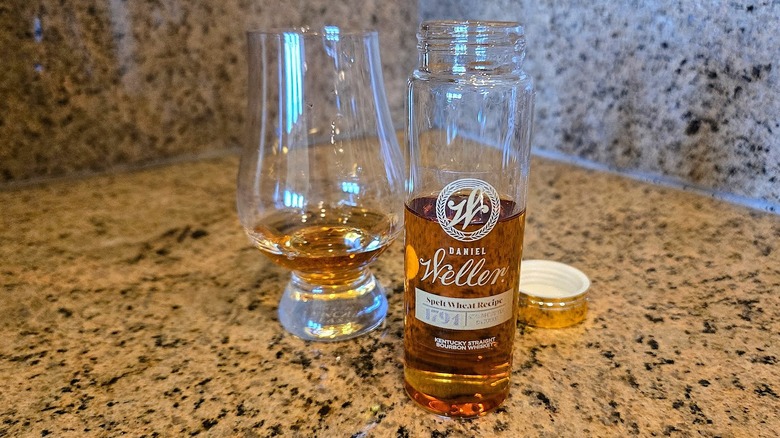
Spelt is a grain known to have a smooth character, with a subtle nuttiness and an earthy, slightly sweet profile. By isolating the single grain, Weller's distillers were able to evaluate the influence it had on Daniel Weller's proprietary mash bill. There was no special barrel program used in the bourbon's production. In fact, the distillery leaned the opposite way, ensuring the barrel's character would not have a dominant influence, allowing the character of the ancient grain to be at the forefront as the main variable in the production of the 94-proof whiskey.
Pouring a dram of the rich, amber-colored whiskey, I observed the clarity and purity of the spirit. Initial roasted nuts and warm biscuit aromas lifted from the Glencairn glass. These inviting aromas melded with butterscotch, dusty leather, wild herbs, and warm spice notes of cinnamon and clove, with subtle hints of dried fruits. The aromas were deep and satisfying. The tastes that followed showed similar nutty flavors at the forefront, enhanced by toasted spice, fresh bread, caramelized honey, dried cherries, and tea, bringing a bit of tannic bitterness to the bourbon, adding further character.
Allowing the whiskey to breathe helped the alcohol dissipate, enhancing the bourbon's smoothness. A few drops of water further helped to open the whiskey's palate. The finish was long and soft, leaving creamy caramel and nutty flavors that lingered. Although the whiskey was not the most complex I have tried, its balance and overall smooth character made it incredibly easy to enjoy.
Is the $550 bourbon worth the investment?
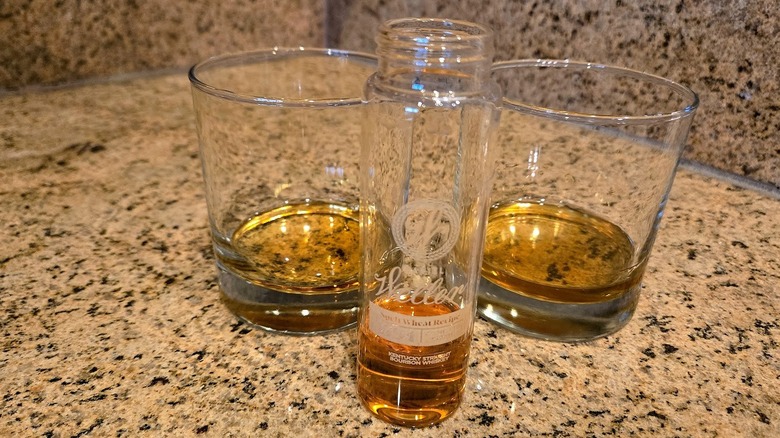
There are many reasons to like the new Daniel Weller Spelt Wheat release. Its smooth, well-rounded palate is pleasing, as are the rich flavors that linger throughout the bourbon. Fans of grain-driven whiskies will find this especially appealing, as the unique qualities of the nutty, earthy spelt grain are apparent throughout.
Is it worth dropping $550 on a bottle to add to your bar cart? I say yes, provided you take the time to linger over each drop of the whiskey you enjoy. This isn't a spirit to add to a mixer, and you should never water it down with anything more than a few drops to help further open the palate. Like the initial experimental release, the bourbon pays homage to Daniel Weller and his acumen and entrepreneurial qualities. It links history and ancestral agriculture with modern-day production, curiosity, and ingenuity in every smooth sip.
Additionally, it is a solid bet if you collect spirits to hold for future resale. The current $3,000-plus price of Daniel Weller Emmer Wheat Recipe bourbon is evidence of that. While $550 is a high price to pay for a bottle of booze, the spelt wheat recipe whiskey is a smooth, silky, elevated sip worth investing in.
Price and Availability

Limited-release bourbons have gained a following with whiskey lovers nationwide. These spirits often require signing up on pre-release allocation lists or camping out overnight at the distillery to hopefully fetch a bottle. And with their rarity due to limited availability, they often come with a high price tag. The new Weller release is no different. The first edition of Daniel Weller Emmer Wheat Recipe fetched the high suggested retail price of $499.99.
The new Daniel Weller Spelt Wheat bourbon bumps the price even higher, as limited releases of the whiskey are available for $549.99 a bottle. It's a far cry from Weller's original Kentucky straight bourbon whiskey, which is typically aged around seven years with an average price of around $70. Still, in our initial review of the Daniel Weller Emmer Wheat Recipe bourbon, we found the pricey selection was worth the investment. If you can find a bottle of the initial release today, it will likely be on the secondary market at a cost well above the initial asking price, likely around $3,000.
Today, the Weller is also often compared to the much higher-priced Pappy Van Winkle, whose 10-year-old Old Rip Van Winkle Kentucky straight bourbon costs around $1,000. The sister companies share similar mash bills, production methods, and barrel-aging programs. Considering this, Weller's new release is a bargain in comparison. Buffalo Trace began shipping limited quantities of Daniel Weller Spelt Wheat bourbon to select retailers, restaurants, and bars in March 2026.