

These 10 Cocktails Are Quietly Vanishing From Restaurant Menus
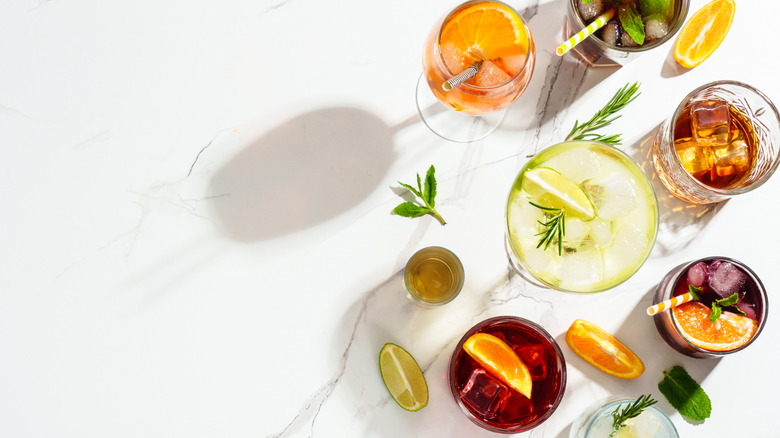
From the gimlet to the old fashioned and frosé, a quiet recalibration is happening across cocktail menus. Drinks that once defined entire eras — both canonical classics and viral standbys — have slipped out of rotation. While this doesn't point to a wholesale rejection, it does mark a shift in priorities within contemporary cocktail culture.
As bars move toward efficiency over labor-intensive builds, techniques like dry-shaking and infusions have been trimmed in favor of drinks that can be executed cleanly and consistently. At the same time, there's a renewed emphasis on ingredient integrity and provenance, where spirits, wines, and liqueurs are showcased rather than masked. Layer onto that a broader cultural turn toward mindful drinking, where low-ABV, sessionable, or spirit-forward options are favored over sugary or excessive drinks, and a palate that increasingly favors bitter over sweet, the result is a subtle but decisive menu edit. Today, drinks that require precision without the payoff, rely on outdated flavor profiles, or no longer align with how people want to drink are being replaced with options that identify with the current moment in drink culture.
As a seasoned bartender and an experienced spirits writer, I've personally watched this shift happen not through declarations, but through omission. I've seen some classic cocktails on menus create space for more inventive riffs and emergent spirit categories replace legacy brands. Sure, some of these fads should never see the flickering light of a speakeasy ever again, but the true keepers of cocktail history have staying power — built to outlast the shifting definitions of what deserves space on today's cocktail menu.
Gimlet
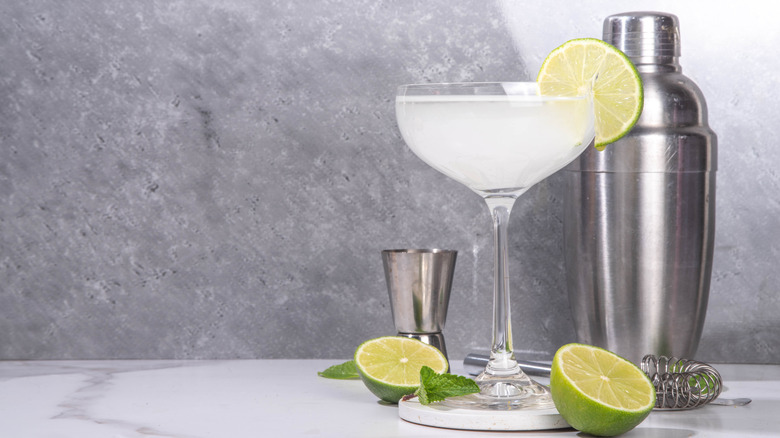
Once the archetypal gin sour, recent years have seen gimlets steadily losing cultural ground and their prime cocktail menu placement. The gimlet belongs to the canonical sour cocktail family, a category of cocktails built on the three base elements of spirit, sugar, and citrus. While sours haven't disappeared, as contemporary drinking habits shift toward savory profiles, they're no longer the center of cocktail culture. Another point to the drink's steady dilution (pun intended) is vodka's prevailing dominance over gin.
While the gimlet's defining characteristic was originally gin, shifts in ordering habits that we witness see this classic increasingly reformulated with vodka, creating more of a gimlet-style martini than the genuine artifact. And speaking of martinis, umami-driven, briny options like the dirty martini have been outperforming sours consistently for years, and that broader turn toward savory cocktails shows little sign of flatlining.
Unfortunately for the gimlet, its citrus-driven, gin-dependent personality sits on the losing side of a few trends in contemporary drink culture. But fear not — while it may be out of print on modern menus, true classics never really disappear; they just go dormant until their next revival.
Classic daiquiris
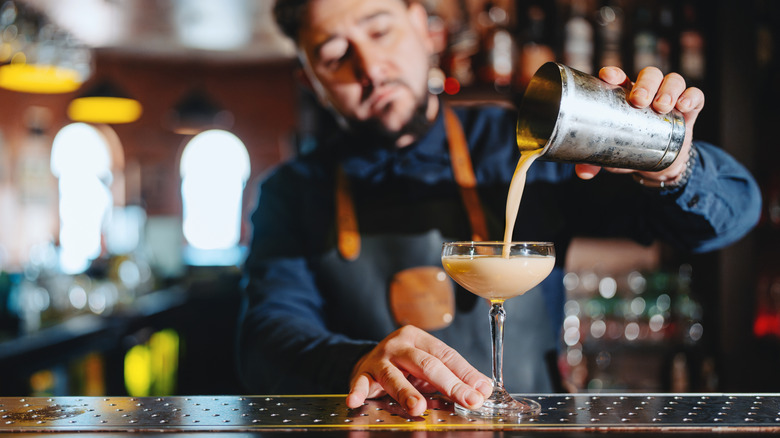
Classic daiquiri is one of the purest examples of the sour template. On paper, the three-part cocktail appears simple, but in practice, it's a bit more exacting. The balance is unforgiving, and small errors in proportions or dilution can throw the drink off entirely, as can the quality of citrus and simple syrup. As contemporary drinking trends favor ready-to-drink cocktails that promise convenience and lack of risk, the technical precision necessary to make a classic daiquiri has become a barrier for some bartenders, especially when consumers interpret the drink's minimalism as a liability instead of a strength.
Part of that misconception lies with the consumer's relative ignorance about rum as a spirit category. While whiskey, gin, and tequila benefit from strong varietal literacy and narrative identity among consumers, rum remains comparatively opaque to many drinkers. For instance, people still associate daiquiri with the frozen, strawberry-flavored version rather than the classic rum-based sour build, and since people seldom order daiquiris to explore rum, the classic has increasingly become a niche order.
None of these factors points to flaws in the drink itself, but mismatches with the general moment. As cocktail menus reflect the times, tried-and-true classics stick around for good reason, even when they cease to be the default order.
Chartreuse drinks
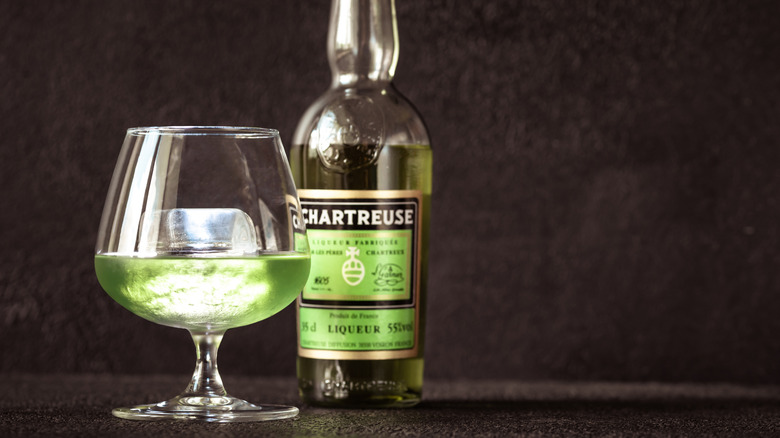
In the early 2000s cocktail revival, Chartreuse swizzle cocktail helped pull Chartreuse out of obscurity. Besides other classics like the last word, the swizzle established the green herbal liqueur as a core component of modern cocktail vocabulary and turned the French liqueur into the defining ingredient of the era. While its legacy continues to endure in bar culture, there are a few immutable aspects that make Chartreuse rather inaccessible, and therefore, readily absent from today's cocktail menus.
Despite having built its own drink trend, Chartreuse's flavor is quite polarizing on its own, making it more of a bartender's darling than a guest's default order. Green Chartreuse, specifically, has an intensely herbal and vegetal profile. As a result of a combination of over one hundred plants used in the base, it fluctuates between sweet and spicy, and it's bold enough that recipes generally call for pretty small amounts. Whether or not you enjoy the yellow-green liqueur's distinct taste, it's proved its mettle as a bona fide base spirit — more than mere modifier. Sadly, capped production has meant there's a short supply of the stuff.
Prioritizing monastic life and the environment over output, the Carthusian monks who produce it announced their decision to limit production in 2023, and today, Chartreuse production is restricted to around 1.2 million bottles per year. In the wake of Chartreuse's shortage, more producers have started experimenting with their versions, emulating the coveted liqueur that's quietly disappearing from cocktail menus.
Skinny drinks
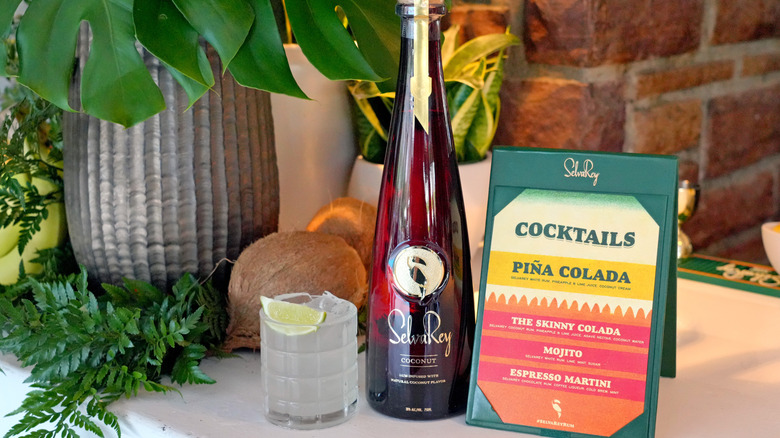
Skinny cocktails — a defining trope of 2000s drinking culture — have largely fallen out of fashion, but that doesn't mean contemporary bar culture has abandoned its concern with health. Rather, the framing has shifted. Originally built on the premise of calorie reduction, skinny drinks made selling point on substitution (i.e. restriction), and the fad led to a whole suite of low-calorie cocktails that used sugar substitutes and reduced sweeteners. Today, specialty drinks that are health-conscious embrace an additive ethos, demonstrating flavor innovation and ingredient quality among other things. When considering both models side-by-side, the framing surrounding skinny cocktails just feels dated.
These days, the focus has shifted to low-ABV as opposed to low-calorie concerns, and the industry has responded like wildfire. Today, specialty mocktails, non-alcoholic spirits that include everything from non-alcoholic amaro to wine, and temperance drinks can be found on restaurant menus, in bars, and retail shops. Whereas modern low-ABV drinks are often built around ingredients that were chosen for complexity, such as vermouth, amaro, and aperitifs, skinny cocktails, by contrast, produce compromised versions of something better. Even the term hasn't aged well. Let's face it; skinny cocktails were always a miss. Let this be the last time such a superficial drink gains entry onto the coveted cocktail list.
In-house Infusions
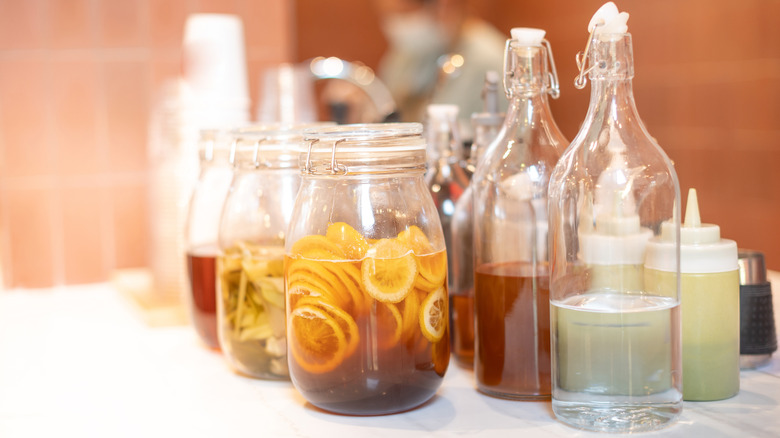
Once a defining marker of craft cocktail credibility, in-house infusions have quietly faded from menus. Steeping spirits with herbs and fruit for weeks was formerly considered a sign of cutting-edge innovation behind the bar. Of course, something so simple was quickly adopted in bars and restaurants (and home kitchens) across the U.S., but now we see that the practice has since suffered due to its widespread overexposure.
House infusions and barrel-aged cocktails were at the forefront of the craft cocktail revival in the early 2000s, but as soon as the innovation became ubiquitous, it lost its edge. Fast forward a decade or so, and a new era in drink culture saw bartenders being rewarded for more visible — therefore, more valuable — processes like fat-washing and clarifying.
Infusing spirits, however, poses some operational risk outside of the usual disclaimers, and in some places, the practice has historically run into issues. Take Vermont, where, back in the early aughts, you'd be hard-pressed to find a house-infused cocktail as bars risked getting fined. That's because the Green Mountain state prohibited the practice as doing so constituted "adulterating" alcohol after manufacture. Known as Regulation 43, the state liquor board stopped enforcing the mandate in 2018 after backlash from the bartenders' union, but the practice lives on in a somewhat of a gray area.
Egg white drinks
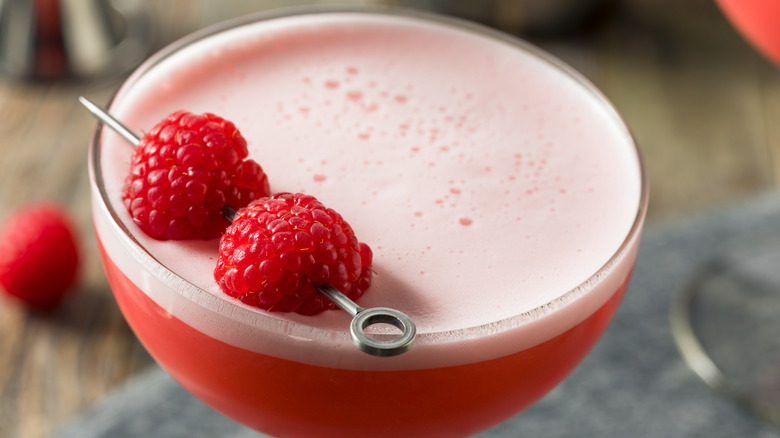
Drinking trends currently prioritize wellness and efficiency, and besides containing a major food allergen, egg white cocktails also require an extra, non-negotiable step. Known as the dry shake, this first shake occurs sans ice, emulsifying the egg white with other ingredients before getting shaken again with ice. This process produces the frothy texture egg-white cocktails are prized for, but the double shake adds time and labor, introduces inconsistency, and more often than not, complicates service flow.
As egg whites are most closely tied to sours and classics such as Clover Club, the decline of these old-school icons somewhat overlaps with the diminishing presence of egg whites on cocktail menus. And yet, in most high volume establishments, the egg white element in traditional sour templates has long been omitted, sacrificing foam for a faster drink. For the traditionalist who embraces innovation — and a luxurious mouthfeel — the frothy sour cocktail hasn't completely lost its cultural momentum. Luckily, aquafaba — the water from a can of chickpeas — can also produce a stunning foam that's vegan to boot.
Frosé
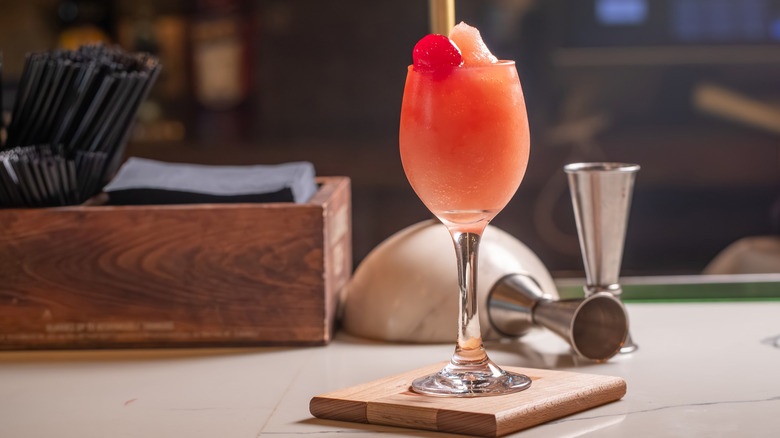
The popularity of the frosé wasn't driven by bartending innovation, but rather, by Instagram. In 2016, the drink went viral on social media, with bars, restaurants, and media outlets treating it as the drink of the summer. Thankfully, the trend was short-lived. At the time of its dominance, the frosé phenomenon was a reflection of the current moment in cocktail culture that obsessed over Instagrammable drink aesthetics and preferred novelty over substance. Sure, it checked all those boxes, but one glaring issue remained: A frosé isn't a good drink.
Freezing damages flavor and aroma compounds in wine, while oxidation and temperature extremes leave it tasting dull or bitter. Bartenders compensate for this with sugar, fruit, and other additives to mask what remains, but rosé is designed to be fresh, aromatic, and moderately chilled. Unfortunately, freezing turns it into a diluted, overly sweet slush — a complete degradation of its base ingredient. Fundamentally, frosé is a drink where the whole is worse than its parts, and while it's mostly faded, the drink persists as a seasonal marketing tool that should be avoided.
Dessert drinks
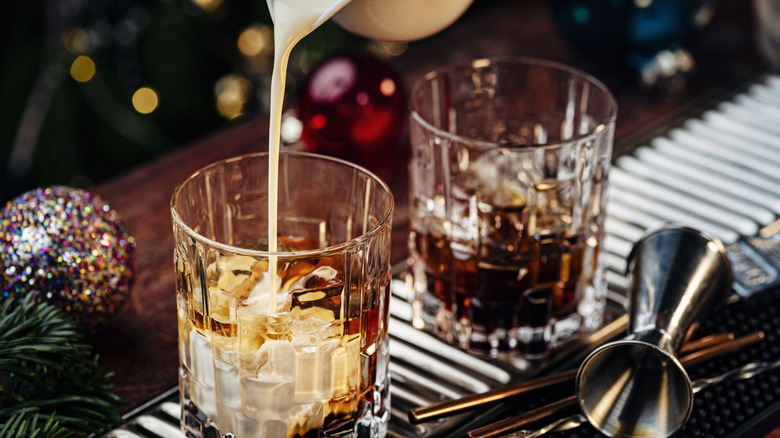
Drinks like the grasshopper, white Russian, brandy Alexander, and espresso martini belong to a lineage of classic dessert cocktails built on cream, sugar, and cordials. These retro drinks, however, are more closely linked to mid-century supper clubs than current bar programs. This is partly due to cocktail culture's general underappreciation for dessert-style drinks, and there's little to suggest that the craft movement will suddenly embrace these overly sweet and often indulgent builds.
The biggest reason to support that hypothesis is what's occupying their place on the post-meal dinner table, and increasingly, that position has been given over to various types of amari and other bitter digestifs. As the American palate has shifted, drawing drinkers toward bitter, herbal, and savory flavors rather than sweetness, amari has moved into the fore as the go-to after-dinner sipper. In fact, cocktail menus now dedicate entire pages to amari offerings, repositioning the digestive liqueur as both a centerpiece ingredient and a standalone pour.
Retro dessert drinks feel out of place on modern menus that prioritize aperitif-style drinks, spirit-forward classics, and sessionable options. Therefore, they are quietly disappearing. While cream and sugar-packed dessert cocktails don't skimp on decadence, modern drinkers aren't looking for creamy cocktails after a big meal, but rather, something intentional — and intense — that prioritizes slower drinking.
Paloma
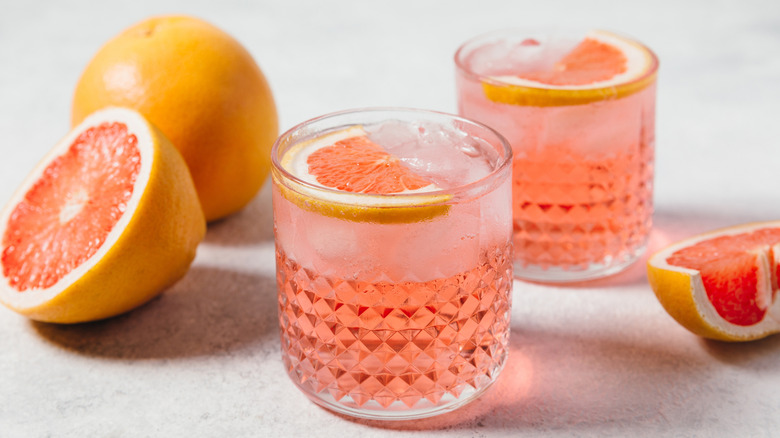
Paloma is a default tequila highball and a totem to minimalism that is losing ground on cocktail menus not because it is flawed, but because the broader spirit category has simply outgrown it. Indeed, few drinks are as simple and refreshing as the iconic paloma, but as tequila and mezcal surge in popularity, drinkers are seeking more expressive, varied, and narrative-driven ways to engage with agave spirits.
For starters, the modern agave drinker is behaving more like a wine or whiskey drinker: They're educated about regions, production methods, and terroir. More often than not, they're drawn to distinct expressions with authentic stories — mezcal especially thrives on this shift. As lesser-known Mexican spirits are increasingly becoming available, drinkers who seek out terroir-driven experiences are on the cusp of a renaissance. In that context, the paloma reads less like an entry point and more like a default setting, which is to say that it's a drink that doesn't reward curiosity.
Whether a victim of the times or its own simplicity, the paloma was introduced when tequila needed an approachable framing, but that era has quietly been displaced by the category's substantial growth. Today, tequila and mezcal are defined by complexity, and bartenders and drinkers alike are eager to move beyond its simplest expressions, pushing for more distinctive builds and broader varietal depth that elevates the experience beyond refreshment.
Classic Old Fashioned
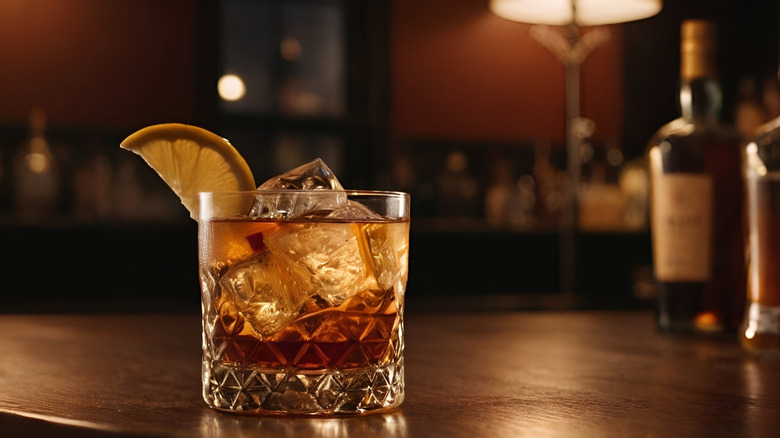
The old fashioned's timelessness is made evident in part by its name, but even more importantly by the enduring idea of the classic build. One of the most durable cocktails in history, the minimalist formula of whiskey, sugar, and bitters hasn't disappeared, but the austere original has effectively faded from cocktail menus. Today, I've mostly been seen it replaced by trendy reinterpretations and derivatives, but the old fashioned is also often a cocktail that guests can order anywhere, whether or not it appears on a printed menu.
Bartenders perceive the old fashioned as something more than a fixed cocktail; it's a format, and the template is perfect for showcasing spirits and experimenting with new builds. It also rewards rising trends in modern cocktail culture, often communicating origin, production methods, and conceptions of craft in a thoughtfully restrained and ingredient-driven liquid package. Whereas the classic build is prized for its minimalist agenda, contemporary old fashioned-style drinks incorporate old-world priorities with new-world preferences, showcasing ingredients with provenance and pairing layered components to tell a story that moves beyond the base formula.