

The Grocery Stores That Use Dynamic Pricing — And What That Means For Your Wallet
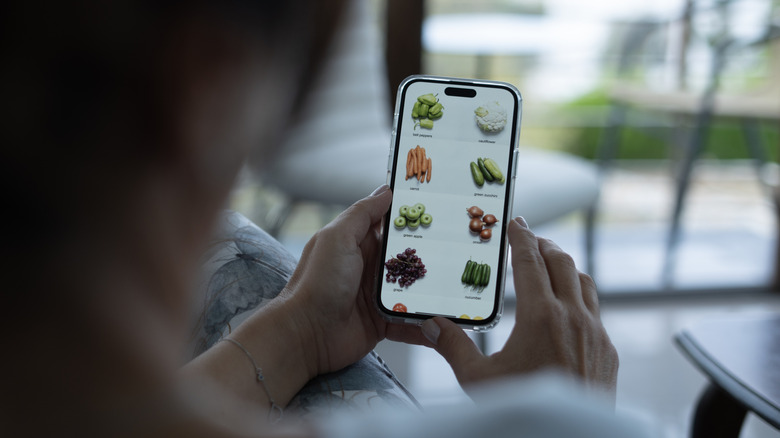
If you've been following the latest trends in how grocery stores are run, you may have heard about dynamic pricing. The strategy, which also goes by several other names including algorithmic pricing and surveillance pricing, essentially boils down to using personal data and tracking to change the price of products on the fly, depending on who is buying and when. Some online retailers like Amazon have been doing this for years, but in the age of AI more attention is being paid, and the practice has been particularly controversial when applied to staples like food, with the worry that companies can use the practice to push up what they charge individual customers to maximize their profits and drive further inflation in grocery prices. And while serious abuses have not become common yet, the practice is being employed by lots of prominent grocery companies, including Walmart, Kroger, Target, Safeway, Alberton's, and more.
Given its reliance around algorithmic prices and personal data, dynamic pricing is still mostly limited to online retail. This makes it particularly hard to notice because you are being targeted directly through your browser, so you aren't seeing the prices other people are being offered. A Consumer Reports investigation even found that the cost of individual items could change by as much as 23% from customer to customer. But that is only the beginning of what dynamic pricing could evolve into, including moving into brick-and-mortar stores.
Walmart, Kroger, Target and more are using or experimenting with dynamic pricing
So how does dynamic pricing work? Online, social media activity, searches, and website cookies are all tracked to help retailers predict what items you want, and how badly you want them. This can extend to using location tracking on your phone, and websites even have the ability to track your mouse movements, seeing which items you hover over and how close you come to buying them. Targeting can go even further by matching your digital data with known demographic information. Grocery retailers can then adjust the price you see on their sites or in third-party grocery apps in real time.
So if Walmart knows you buy a certain brand of peanut butter every week, and knows you have money to spare, it might try to bump up the price to see if you'll still buy, while other customers pay the old price. However this can go the other way as well; dynamic pricing can be used to lower prices if companies think it will encourage people to buy. That is part of how they defend the practice against claims of it being exploitative.
If this strikes you as discriminatory or illegal, it's technically not, although there are a lot of gray areas here. Dynamic pricing has been used by some retailers for decades, like hotels and airlines that adjust their prices depending on demand. Yet the new modern version supercharges it with personalized data that never used to be available.
Some retailers have been caught abusing dynamic pricing, but the practice may still expand
The extra data being used for dynamic pricing has made the legality more suspect, as it opens up the possibility of discrimination if demographic data like age, religion, and ethnicity are used to alter the price. There are also serious concerns that such data harvesting bumps up against existing privacy laws. And while it wasn't tied to groceries, Target was forced to pay civil penalties after its app was found to be changing the price of TVs based on their location.
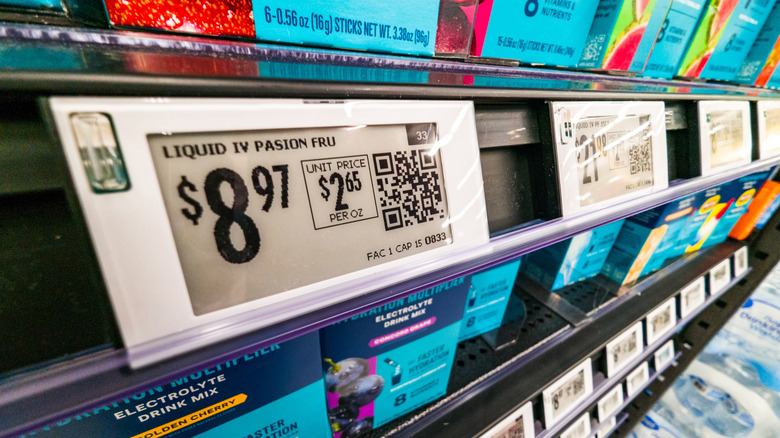
But if you think you can avoid dynamic pricing by shopping in stores, think again. Right now you are in the clear, but stores like Kroger, Whole Foods, Walmart, and even regional grocery chain Schnucks, have been increasingly replacing standard price tags in stores with digital ones that can be quickly changed. Companies claim this is a cost saving measure, turning a task that used to take days into one that takes seconds. However, there are concerns digital price tags make it easier for retailers to bring surveillance pricing into stores, or quickly jack up prices during events like major emergencies.
The concerns get even greater when AI-powered surveillance tools come into play. Facial recognition technology in grocery stores could mean individual items prices change based on which customers are standing in front of them, and even things as minor as expressions can be tracked to see how people react to products and prices. And lest you think that is still in the realm of science fiction Kroger was reported to be exploring facial recognition in stores, which attracted Congressional attention.
Concerns around dynamic pricing are leading to regulation and legislation
While retailers continue to insist that dynamic pricing is not exploitative, shoppers are understandably concerned, and these concerns have led to potential government regulation. In early 2026, Maryland became the first state to move towards banning the practice when the Protection From Predatory Pricing Act was passed by the state legislature. That law would ban retailers from using customer data to adjust grocery prices in real time. However it would still allow price flexibility in other areas, such as loyalty programs and traditional sales. Other states including California, New York, and Illinois are exploring similar laws.
New York has also passed a regulation that requires retailers that use dynamic pricing to include a disclaimer telling customers a price was set using their personal data. Finally, several months ago, two senators introduced the Stop Price Gouging in Grocery Stores Act, which would prohibit the use of surveillance pricing, require stores to disclose use of facial recognition technology, and ban the use of electronic price tags in retail stores over 10,000 square feet.
Grocery prices have already seen steep jumps in recent years, and American shoppers are wary of any attempt to price gouge them. While some level of dynamic pricing may be tolerated by people who recognize it as supply and demand at work, as stores like Walmart and Kroger roll out digital price tags, customers need to be on alert for any attempts to take advantage of their personal data. And if dynamic pricing shows up in stores the way it has online, expect a lot more legislation in the future.