

10 Unwritten Rules To Know Before Buying Meat From A Deli
If you're trying to build an incredible, stacked sandwich or planning on making an elaborate charcuterie board, you're going to want to take a trip to your local deli. Whether you go to a quaint little neighborhood spot or you just buy sliced meats from your local grocery store's deli, there are some unwritten rules that you should be following to ensure that you're getting the best-quality meat when you're there. But unless you've worked in a deli, there's a good chance that you don't know many of these best practices.
We've consulted with several experts to get the 411 on these rules, which can help you have a better deli experience. Mark McShane, chef and food safety expert with Level 3 Food Hygiene Certificate; Mario Hupfeld, CTO and co-founder of NEMIS Technologies; Chip Carter, CEO, producer, and host of Where The Food Comes From; and Angela Skogen, owner of Cooks On Main in Williston, North Dakota, outlined their top deli rules that we should all be following. If you do, hopefully, you'll leave the deli with top-notch meat that can take your meal or snack to a whole new level.
Opt to get your deli meat freshly cut, not pre-cut
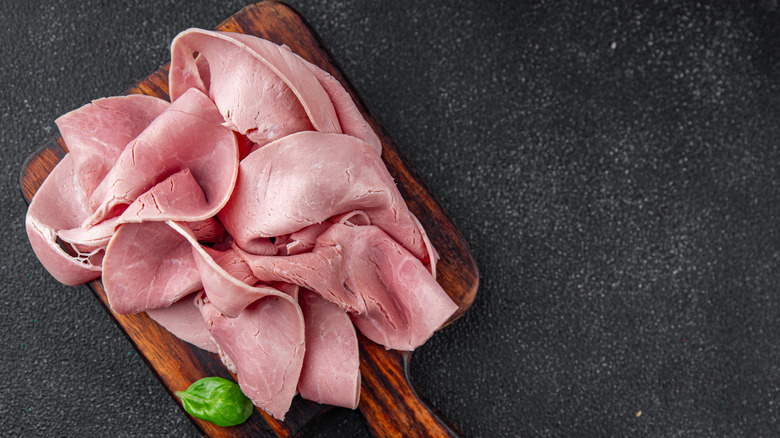
Of course, you can always grab one of those plastic-wrapped packages of deli meat if you're trying to get in and out of the store quickly, but if you're seriously looking for quality, that's probably not the best option. According to Mark McShane of Level 3 Food Hygiene Certificate, opting to get your deli meat freshly cut instead of buying the pre-sliced variety is the way to go. "Freshly cut deli meats are generally more sanitary and of better quality than deli meats that have already been pre-cut," he says.
"Once an item is cut into smaller pieces," McShane explains, "the surface area of the product increases, leading to increased oxidation and loss of moisture. Both factors affect not only the flavor but also the overall shelf life of the product." If you are going to buy the pre-sliced variety, make sure to check the best-by date to ensure that it's been cut relatively recently. But ultimately, it's worth the extra time and effort it takes to wait for your deli meat to be cut fresh. Not only can you feel better about it from a food safety perspective, but chances are, it'll taste better, too.
Choose to buy your meat from a deli that looks and smells clean
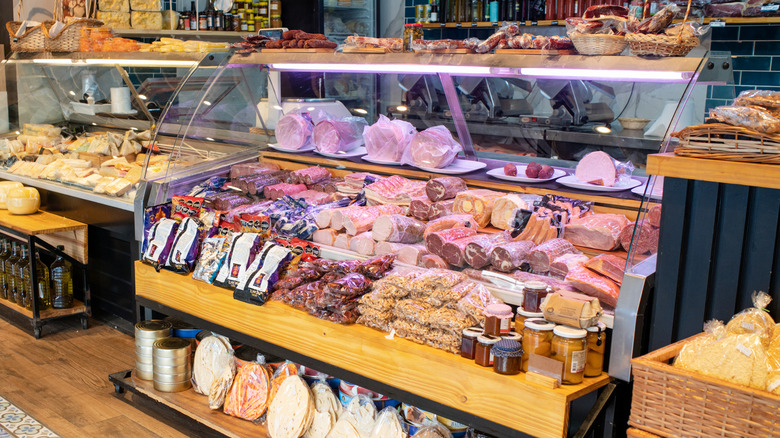
Sometimes, the most basic considerations can help you determine whether you should buy meat from a deli or not. If you want to be as safe as possible, make sure you take a good look around the space before you buy anything. Per Chip Carter of Where The Food Comes From, cleanliness is an important factor to consider.
"Does the place look clean?" Carter asks. "The counter and case itself should be pristine: No detritus, no leaked fluids, no soggy-looking packaging." If you see any of these at your local deli, you might want to find somewhere else to buy your deli meat. Of equal importance, says Carter, is that the place smells clean. A deli might not be the most delicious-smelling place you've ever been, but if you smell mold or mildew — or worst of all, rotten meat — then you may want to go elsewhere. "If you detect any whiff of 'ewww,' leave," suggests Carter. "That's not just one little thing they happened to overlook."
Keep your deli meat consumption relatively low
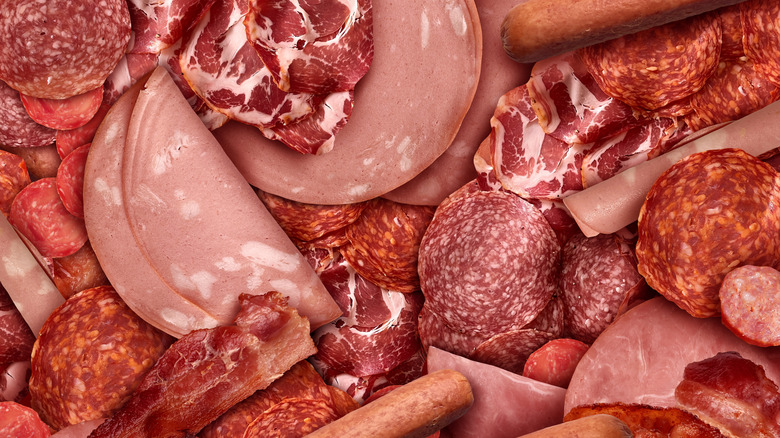
Sure, you want to make sure that you're getting good-quality meat when you go to a deli, but one rule that you may not think about at a deli is how frequently you should be buying meat from one at all. We all love a good cold cut, but that doesn't mean that deli meats are something that you should be eating on a frequent basis. This is because nitrates, which are used as preservatives in deli meat, are considered a carcinogen.
"It's not a food safety issue in the immediate sense, but from a molecular biology standpoint, we know that [nitrates are] genotoxic, that is, they damage DNA over prolonged exposure," explains Mario Hupfeld of NEMIS Technologies. That doesn't mean you have to give up deli meat entirely. It does mean, however, that you shouldn't be eating them all the time. "It's the frequency that matters," explains Hupfeld. "If you're eating them once a week, your body can handle it. But the moment you start consuming them every day, you start to see more cases linked to heart disease, diabetes, and cancer too."
Something else to keep in mind: These compounds are the most harmful when they're heated, especially to the point of charring. Therefore, you're better off not frying your deli meat, which is great news for charcuterie lovers.
Make sure that different types of meats are being cut with different blades
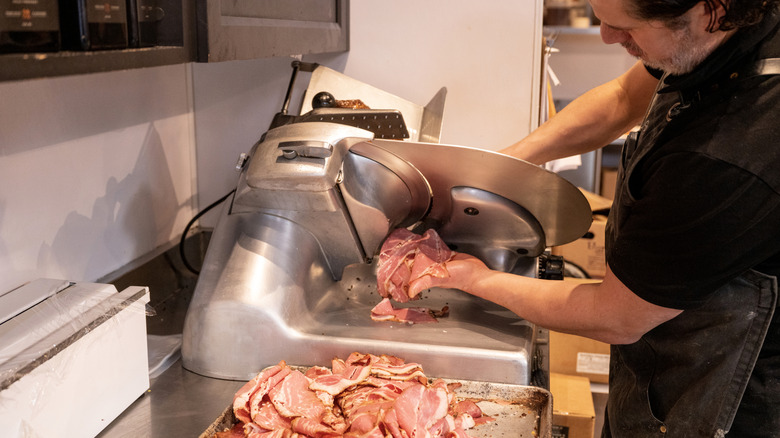
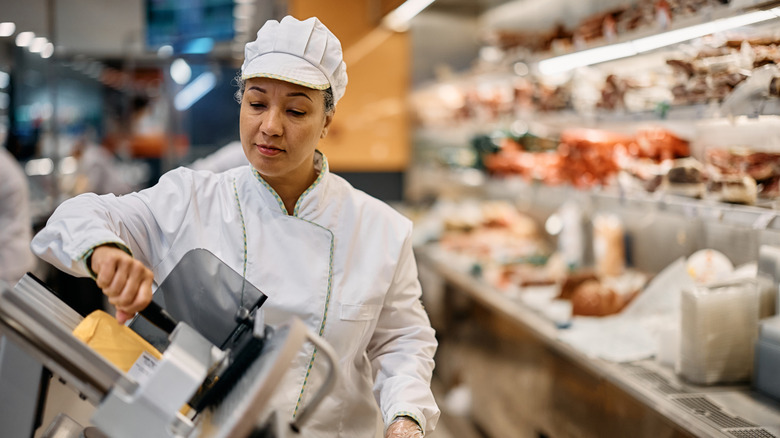
Another reason why it's a good idea to ask for your deli meat to be cut fresh? Because you'll get to see the deli workers slicing it right in front of you. This gives you the chance to ensure that the deli workers are handling your meat safely. "I closely watch to see that the deli slices each type of meat (turkey, ham, etc.) separately from other types using separate blades," explains Mark McShane. "Failure to do so could result in flavor contamination as well as serious health risks due to potential cross-contamination."
You probably don't want your turkey tasting like beef, so it's important to watch out for this deli red flag. But since contaminated sliced deli meats are a significant cause of food-borne illness, using the same blade for different kinds of meat is definitely a safety concern as well. Make sure to tell the staff if you specifically avoid a certain type of meat, like pork, if you're concerned about cross-contamination from a religious or cultural standpoint as well.
Know what you need before you arrive
There may be times when you wander across a deli randomly and decide to snag yourself some deli meat to slap on a sandwich when you get home. But most of the time, if you're headed to a deli, it's because you have a certain dish in mind that you want to make. According to Angela Skogen of Cooks on Main, "One unwritten rule that people should know is to have a fixed mind and know what exactly they want to get."
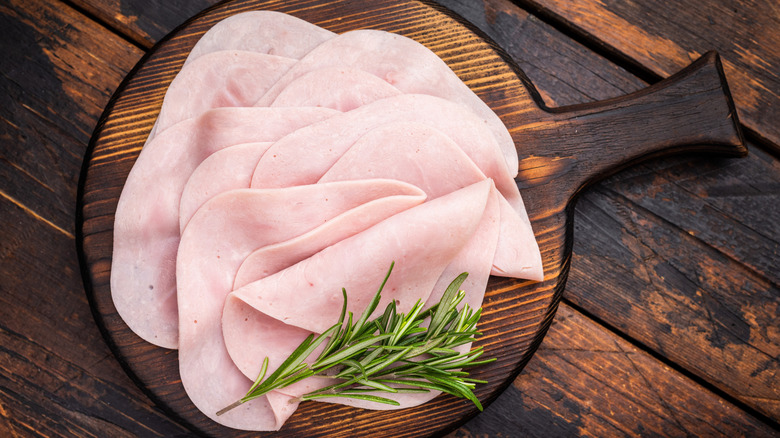
For example, if you're planning on making a sandwich, you might want those paper-thin slices that stack so beautifully on top of one another for a unique textural quality that you can't get from thicker cuts of meat. On the other hand, if you're buying something like bologna for a classic fried bologna sandwich, then you may prefer a thicker cut. Per Skogen, "Before going to the deli counter, set yourself on a mission to get the right meat for you. This is important because then it'll change how the meat is going to be prepared." By having a plan before you set foot in the deli, you'll have an easier time pinpointing what, exactly, you want to grab while you're there.
Verify that there aren't any warm spots where deli meat is being stored
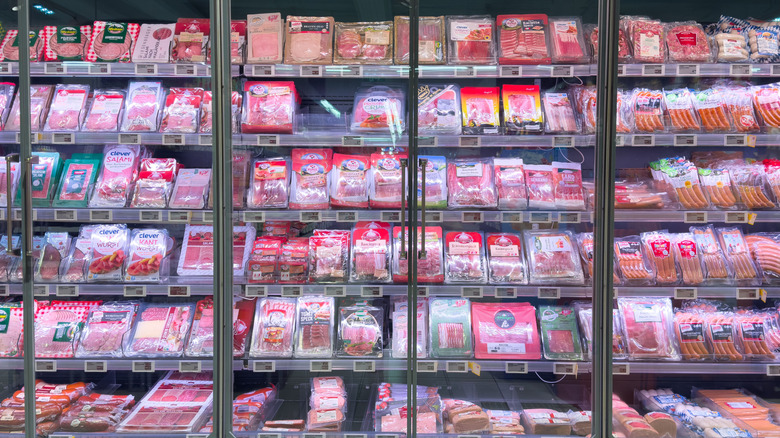
It's important for meat — and deli meat in particular — to be stored at the right temperature to avoid spoiling. Ideally, meat at your local deli should be stored at a temperature between 35 and 38 degrees Fahrenheit. But sometimes, when meat is taken out of the refrigerator to be prepared, it can sit around for too long before or after it's sliced.
Mario Hupfeld says that, unfortunately, it can be hard for customers to tell if the meat they're getting has been held at the proper temperature. However, he says that there are some signs you should be on the lookout for that can help you determine whether the deli meat is being kept cold enough. If you feel warm spots in the refrigerator case where you're buying meat, that's a bad sign. It should feel actively cold, not room temperature. If you don't feel confident that the meat has been properly refrigerated, you're probably better off buying from a different deli.
Check to make sure the edges of the deli meat aren't dry
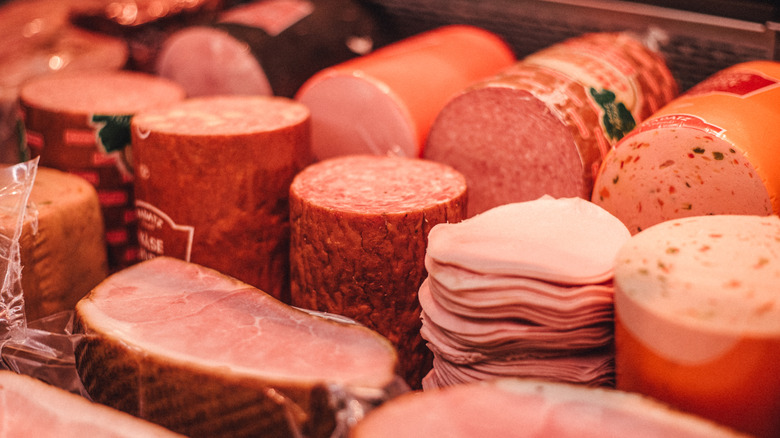
One thing you should know about deli meat is that it doesn't stay fresh for long. In fact, you only have about three to five days from the date you open packaged deli meat (or from when you buy freshly sliced deli meat) before it can start to go bad. One sign that you're getting deli meat that's older than it should be. Look for dried-out edges. "I take a very serious view of any dried-out areas around the edges of the deli meat I purchase," says Mark McShane.
To stay safe, you can always just skip over deli meat that looks too dry or otherwise doesn't appear as fresh as it probably should. But McShane encourages deli meat purchases to get more information from the staff when in doubt. "If you ever feel uncertain about the freshness of your product," says McShane, "there's nothing wrong with politely asking questions such as, 'when was my product last sliced? And how frequently does the case get restocked?'" With this information, you can make a smarter purchase.
Try not to visit the deli during peak hours
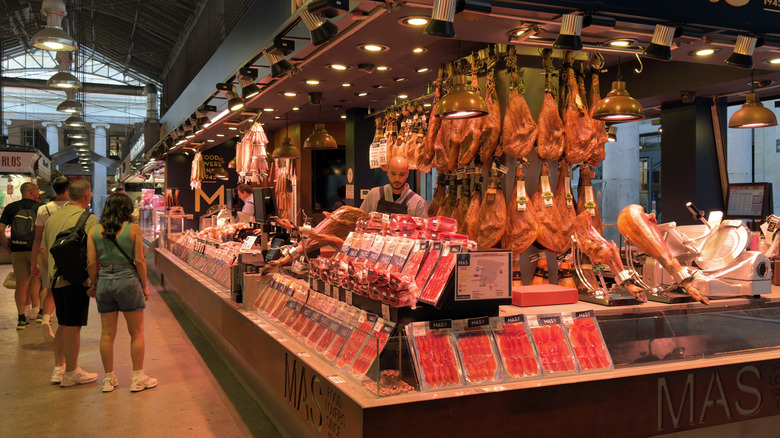
If you're simply buying packaged deli meat from your favorite grocery store, then you probably don't have to worry about when to do your shopping — most times of the week, it should be easy to get in, snag the package of meat you want, and get out of the store. But if you're going to a deli counter where you're going to be asking questions or where you might have to wait in line before making your selection, Angela Skogen suggests avoiding going when you know it's going to be busy.
She encourages readers to "be mindful of the timing — if you want to have more attention for your requests, then you have to go there when it's not peak hours or busy days." Saturday morning at 10 a.m., for example, may not be the best time to go if you want to do your deli meat shopping quickly. Whenever you go, though, Skogen encourages shoppers to be "polite and patient" to the deli counter staff.
Look for excessive condensation
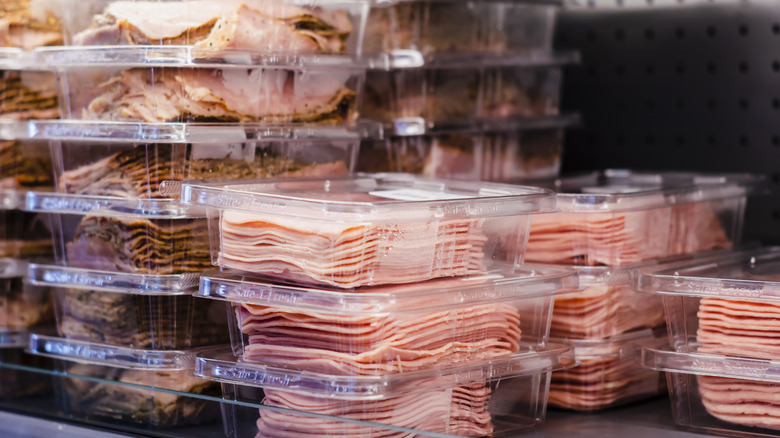
Not getting your deli meat freshly sliced? Sometimes, it's easier to just grab a package of pre-sliced deli meats to make sandwiches with for the week. But if you're going to go this route, it's a good idea to take a close look at the package before buying the deli meat you're considering. Too much moisture in the form of condensation might be a sign that you're not exactly getting the freshest meat possible. "Condensation is another cue [that the meat might be going bad], but light condensation is okay," says Mario Hufeld. "So a light fog on the glass is fine, but we're talking about excessive condensation on the glass, lots of water pooling inside." If you see this in a deli meat package, move onto the next one.
Another bad sign? Any sort of liquid in the package that's whitish or looks milky. This is another indication that the meat is turning. If you notice this in a lot of the packages at the deli you're at, you might just want to head to a different deli altogether — it could indicate that the staff isn't keeping a close eye on freshness.
Avoid meat that's limp or looks glossy
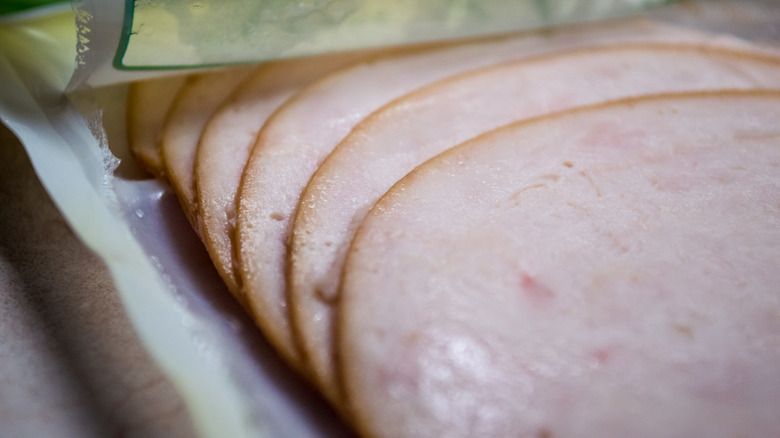
While condensation and extra moisture in a package of deli meat is a strong indicator of whether you're getting a fresh product or not, you should also look for other signs of freshness (or lack thereof). According to Mario Hupfeld, you want to buy meat that holds its shape well. It shouldn't look like it's falling apart, especially if you're opting for a thicker cut. You've probably seen plenty of fresh deli meat before. If the product doesn't look like that, skip it.
The texture of the meat is one of the easiest ways to tell how fresh it is. "You don't want meat that's extremely limp, overly glossy," explains Hupfeld. Another bad sign? If the slices look like they're starting to separate from each other. By knowing what bad, spoiled meat looks like — and paying careful attention to what you're buying before you actually make that purchase — you can ensure a much better deli experience.