

This Natural Solution Is An Easy Squirrel Deterrent For Vegetable Gardens
We may receive a commission on purchases made from links.
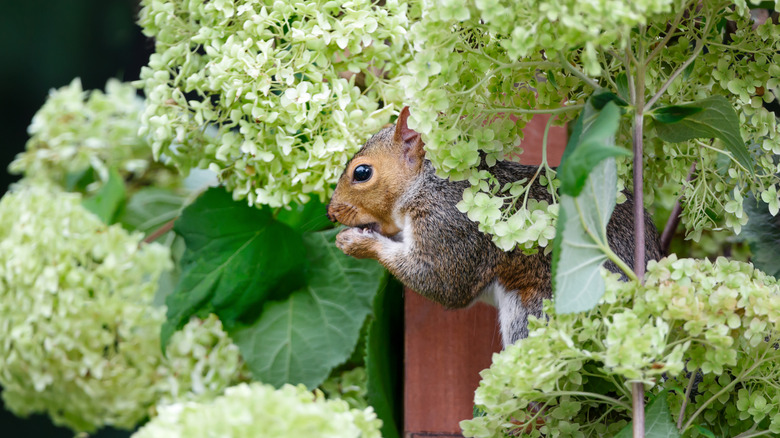
Many health-conscious foodies swear by a daily apple cider vinegar shot to boost and balance their gut biome. But, beyond the gut, that tried-and-true apple cider vinegar serves double-duty as a pantry staple that can save your garden. Don't let Beatrix Potter's charming (if mischievous) Squirrel Nutkin fool you. Those round-bellied, bushy-tailed critters might look cute, but in the garden, squirrels can quickly destroy plants' tender leaves, dig up bulbs, and stamp out new crop growth. This tip will take advantage of squirrels' sharp sense of smell. While that keen sniffer is what leads them toward unsuspecting garden beds, it can also be what deters them.
Unfiltered apple cider vinegar packs a distinctive, pungent aroma that keeps squirrels away. Thanks to its natural formula (and harsh, odorous stench), the liquid can be simply transferred into a spray bottle and spritzed on plants and flowers. Just combine one part apple cider vinegar and three parts water and blast away. For an even stronger impact, add a few cloves of crushed, fresh garlic into the spray bottle and give it a good shake. Squirrels hate allicin, the strong-smelling compound found in alliums. As an added bonus, apple cider vinegar's high acidity also works as a pesticide for garden slugs and snails.
This strategy is as effective as it is budget-friendly. A 32-ounce bottle of Bragg raw, unfiltered apple cider vinegar currently runs for $6.17 on Amazon. Got leftover in the bottle? Put it to good use in your bird bath; just a splash can help prevent algae growth.
Odorous apple cider vinegar spray keeps squirrels at bay
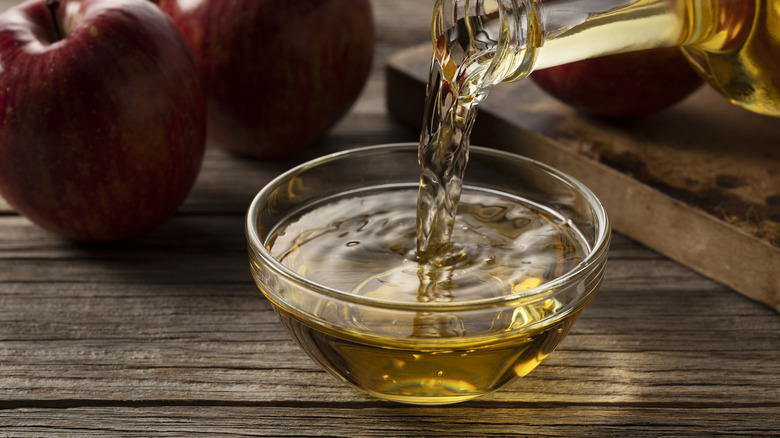
It's important to note that, while apple cider vinegar makes an impactful homemade squirrel repellent, it can also affect the pH of the soil, which can harm plant growth. ACV's acetic acid can also damage plant leaves and cause them to wilt or burn. For a gentler application, spray it on the mulch around your flower beds or other garden areas, and only reapply once a week or after rain. Pro tip: Squirrels tend to get deterred by the presence of mulch, as well. If you notice squirrels repeatedly digging up young bulbs, sprinkle a layer of mulch over the soil.
This tip can be particularly helpful when planting your vegetable garden if it features crops that squirrels find more attractive. As a general rule, squirrels tend to favor corn, peas, green beans, and strawberries. Although, any available veggies from tomatoes to lettuce might be fair game, if they're easily accessible to wandering rodents. On the flip side, squirrels typically leave onions, garlic, peppers, squash, and cucumbers alone, so these crops might not need an apple cider vinegar spritz.
For an even stronger defense, place a few leftover (washed) aluminum pie tins around your garden. Squirrels detest both the reflective surface of the foil and the sound it makes when stepped on. You could even soak an old kitchen rag in apple cider vinegar, then plop it on top of one of those pie tins. The squirrels will be repelled by the odor, and the pie pan will act as a barrier between the acidic vinegar and the soil, protecting your garden's pH.