

11 Best Cabernet Sauvignon Bottles Under $15
We may receive a commission on purchases made from links.
Of every major type of red wine you should know about in the world, cabernet sauvignon is one of the most formidable. It is the base of some of the most distinguished, highly rated, and award-winning wines. However, the acclaim often comes with an exorbitant price tag. But a wine does not need to be a First Growth selection or come from Grand Cru vineyards to be approachable, delicious, and pair well with your evening meal. There are stellar cabernet sauvignon selections from vineyards across the globe that deliver quality, authenticity, great taste, and value, including the selections recommended here.
These wineries include a mix of historic properties with roots that date back to the 1880s, as well as those that are more recently established. While their backgrounds may differ, all of them are creating authentic cabernet sauvignon wines, many of which follow sustainable practices in the winery and vineyards. These affordably priced wines from domestic and international producers are available nationwide, either at local wine shops, grocery stores, or online.
Miguel Torres 'Andica' cabernet sauvignon
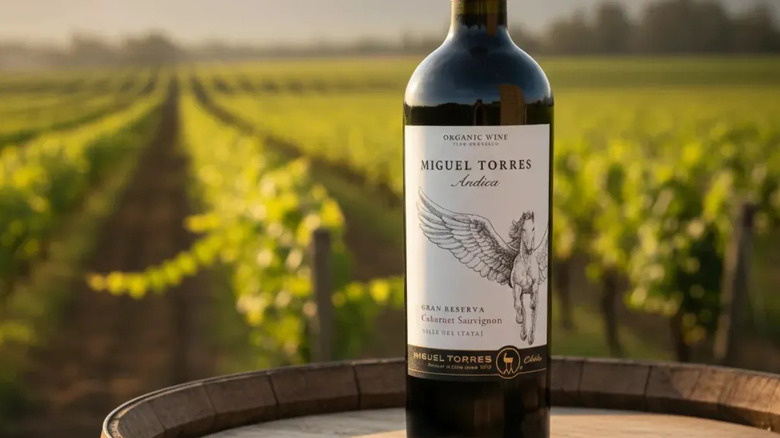
The country of Chile has a diverse and unique terroir, allowing producers to showcase a range of styles when making their wines. While carmenere is Chile's signature grape, over 20% of the grapes grown in the country are cabernet sauvignon. Miguel Torres is one of Chile's leading family-owned producers of quality wines, showcasing a mix of varieties from organic vineyards dotted throughout the country. Each variety is matched to its ideal location to ensure it shows the best representation of the fruit and the place it is from.
Migel Torres crafts its 'Andica' cabernet sauvignon using organically grown, 100% cabernet sauvignon from Chile's Itata Valley. Vineyards grow near the Ñuble River in the shadows of the Andes Mountains, enjoying a cooler climate thanks to the influence of both. While cooler, the area is drenched in sunshine, ripening fruit throughout the growing season.
With a beautiful balance of fruit and freshness, the 13% alcohol wine opens with layers of espresso, wild herbs, and black cherries, revealing a concentrated, very dry palate. The taste is delicious with coffee-rubbed strip steaks or stout beer-braised short ribs. Both dishes offer a bit of bitterness and fatty richness that play off the tannins and earthy, black-fruit notes in the wine. Although the wine has the pedigree and taste profile of a high-priced wine, the average cost is around $12.
William Hill California cabernet sauvignon
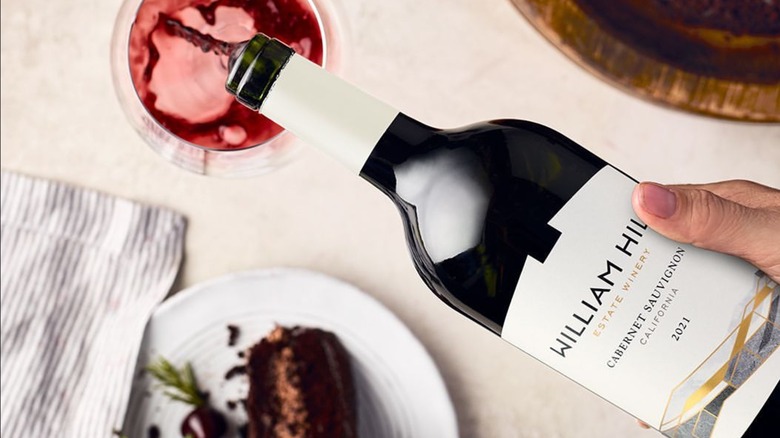
Founder Bill Hill was one of the early believers in Napa's mountain fruit, and 2026 marks the 50th anniversary of his William Hill Estate. These high-elevation vines, which struggle to find nutrients, produce wines with concentration, texture, and character. Since its beginnings, the winery has specialized in crafting international variety wines, particularly cabernet sauvignon. Today, the brand is a part of the Gallo portfolio. Since 1933, Gallo has worked by following the principles of sustainability and environmental responsibility as one of its core values.
William Hill cabernet sauvignon blends fruit from primarily California's Red Hills Lake County AVA, with grapes coming from Sonoma County and Monterey County. The combination of terroirs produces a wine with juicy, fruit-forward appeal, layering red plum, vanilla, blackberries, fresh bay leaf, and dried fig. Hints of cedar and molasses linger on the back palate, along with an accent of wild woody herbs. The wine has a lovely juiciness and well-rounded taste that finishes perfectly dry. The taste and texture make it a delicious pairing with meaty steak fajitas or grilled skirt steak. Although the wine's average price is right at $15, the wine is easy to find for around $13. With13.9% alcohol, William Hill is an excellent representation of affordable, accessible California cabernet sauvignon.
Root 1 cabernet sauvignon
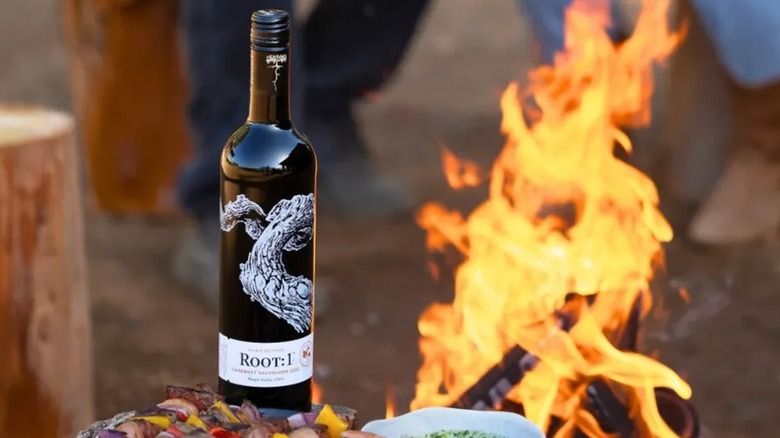
Venturing beyond our American borders opens up a world of wonderful, highly affordable cabernet sauvignon wines, particularly from South America and South Africa. Root 1 is one of Chile's leading wineries, producing selections crafted using sustainable practices. The winery crafts its sustainable Root 1 cabernet sauvignon from sandy, loamy clay soils within the Trinidad Vineyard in the Maipo Valley of Chile. The wine includes 85% cabernet sauvignon with 15% syrah. While Chilean law allows the wine to be designated as cabernet, adding the syrah brings richness, weight, and spice to the red cherry, blackberry, plum, and pepper-filled wine.
The winery ages the wine for 10 months in a combination of French oak, American oak, and stainless steel, adding texture and dimension to the affordable option, along with toasted spice and vanilla notes. With a moderate 13% alcohol, and what seems like a bargain price of about $12 for the wine's pedigree, the food-friendly option works nicely with spice-rubbed duck legs or venison with balsamic and cherry gastrique. The spicy fruitiness of the wine marries with the spiced dishes and tames the game bird's inherent gaminess.
Wente Southern Hills cabernet sauvignon
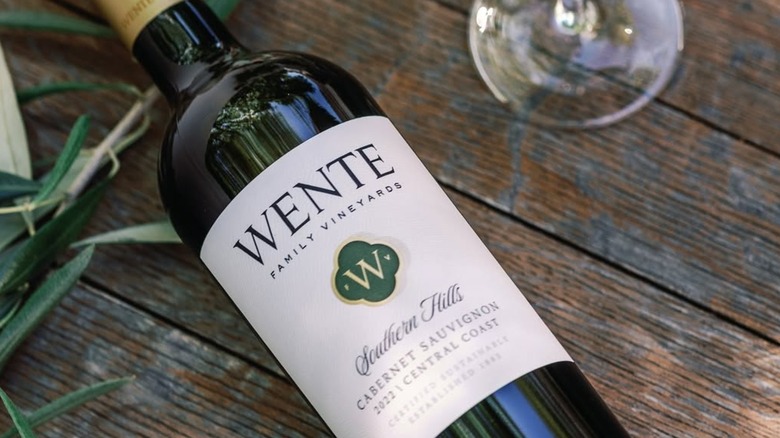
The Wente family has been growing quality wines on its estate in the Livermore Valley since 1883. Fruit for the winery's Southern Hills cabernet sauvignon comes from the estate's vineyards within the Central Coast. Soils here are rocky and well-draining. Vines dig deep into the earth to find nutrients, and with it, they absorb earthy, mineral-rich characteristics, adding structure and dimension to the fruit.
The wine ages 12 months in a combination of French and American oak and stainless steel. This ensures that the resulting wine maintains its fruity freshness while the barrel lends layers of warm spice and cocoa, intermingling with black plum, cassis, and cherry. Its profile makes it a delicious pairing with an elevated dish of churrasco with grilled scallion chimichurri, while being accessible enough to enjoy with grilled Italian sausages or a low-and-slow brisket sandwich. And even better, you can easily find this wine on grocery store shelves for under $15.
Wente's history makes it one of the oldest family-owned wineries in the country. Today, the fifth generation is leading the winery. Since its beginning, Wente has been a champion of sustainability in the winery and vineyards. This ensures the health and protection of the land for generations to come.
Di Majo Norante cabernet sauvignon Terre degli Osci IGT
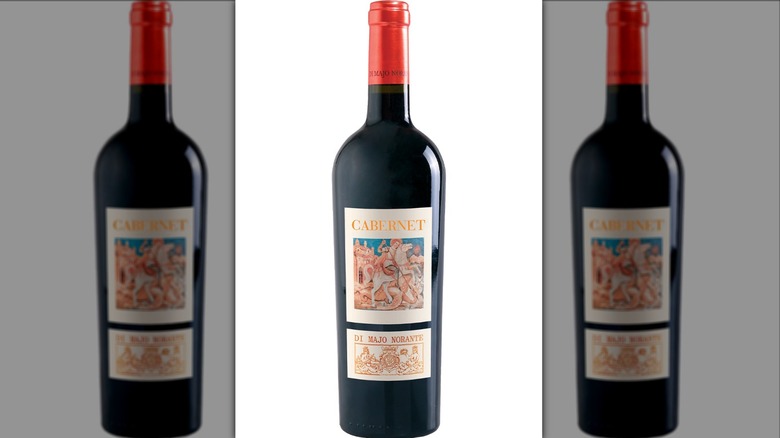
From hand-harvested fruit in the Molise region of Italy, between Puglia and Abruzzo, Di Majo Norante produces its environmentally friendly biorganic estate cabernet sauvignon following sustainable practices. The winery planted the vineyard in 1972, resulting in old vines that produce concentrated layers of blackberry, blueberry, and black plum flavors. The dark fruit notes meld with earthy dried tobacco, leather, and earth.
Aging occurs in a brief 6 months in large Tonneaux oak barrels and stainless steel, followed by a few months of bottle aging. Using the large 500-liter Tonneaux barrels yields less oak influence than the smaller 250- to 300-liter barrels often used for aging cabernet sauvignon. Subtle notes of cedar and toasted spice meld with the wine's natural fruitiness and earthiness. At 14% alcohol and an average price of around $14, the wine tastes like a much more expensive option, proving that affordable, high-quality wines are available worldwide.
The Italian region's name means "land of the Oscans" after a tribe that once inhabited the area. Terre degli Osci IGT is one of the smallest designated appellations within Italy, producing little fruit, both due to the amount of land under vine in the area and the limited number of people working in the industry. Di Majo Norante is one of the standout wineries from the area, known for its use of regional and international varieties, such as cabernet sauvignon.
Imagery Estate Winery cabernet sauvignon
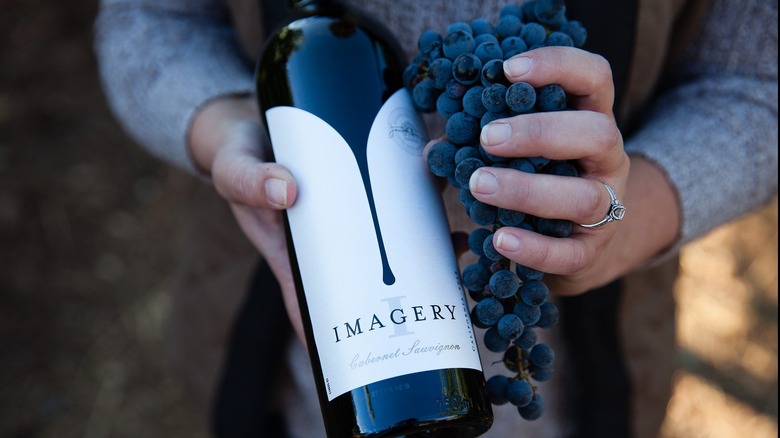
Imagery blends fruit growing in California benchlands and valley floors to create its cabernet sauvignon. Fruit from the valley floor enjoys optimal growing conditions, with plenty of sunlight and warmth, creating juicy, fruit-forward wine. The fruit growing on the higher elevation, benchland vineyards has a greater shift in temperature from day to night, creating ripe fruit that also has freshness. Higher elevations also typically produce lower yields in the vineyard. However, the fruit is more concentrated than the plush valley floor fruit.
The 13.5% alcohol wine includes petite sirah with cabernet sauvignon in its blend. The thick-skinned, black, petite sirah grape lends weight, color, tannin, and earthy character to the wine. Blending the two varieties creates a wine with dark fruit flavors of black cherry, blueberry, and cassis, along with toasted allspice, clove, and peppercorn, with subtle forest-floor earthiness lingering on the finish. The combination makes Imagery's affordable option, typically costing $13 to $15, a great pairing with spicy tandoori pork chops or umami-rich soy-glazed chicken wings.
Jamie Benziger crafts the estate's wines. A second-generation winemaker, she is a member of the long line of Benziger family members to work within the industry. Imagery and its sister estate, Benziger Family Winery, are leaders in sustainable winemaking in California.
Highlands 41 Paso Robles cabernet sauvignon
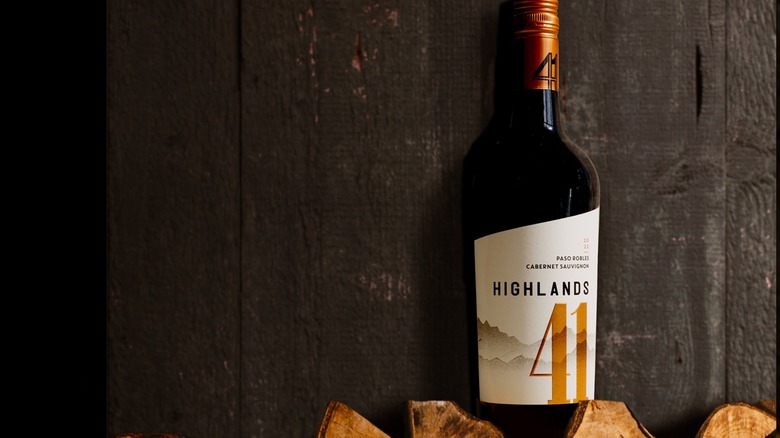
In California's Central Coast, Highlands 41 uses sustainably farmed, 100% estate fruit from Paso Robles in its cabernet sauvignon. A part of Riboli Family Wines, the 13.9% alcohol and a price under $15, it's a great weeknight go-to. Opening the wine, you are met with aromas of blackberry, cherries, and plum, which are joined by mocha and freshly brewed coffee. A palate of black fruits, licorice, and chocolate follows, with a mineral note of crushed rocks from the area's limestone soils. Its bold texture and well-rounded flavors are delicious with fire-grilled, juicy turkey burgers, chicken tacos, or a meat-lovers pizza.
Paso Robles is one of the leading wine regions in the United States in the production of cabernet sauvignon. With a close proximity to the Pacific Ocean, the area has varying microclimates, elevations, and soil types. This is ideal for producing structured cabernet sauvignon that has concentration, texture, and well-balanced flavor. The mixed terroir is similar to Bordeaux, making it an ideal place to grow the French region's signature grape. Over 40% of the fruit grown in the area is cabernet sauvignon.
Man Family Wines 'Ou Kalant' cabernet sauvignon
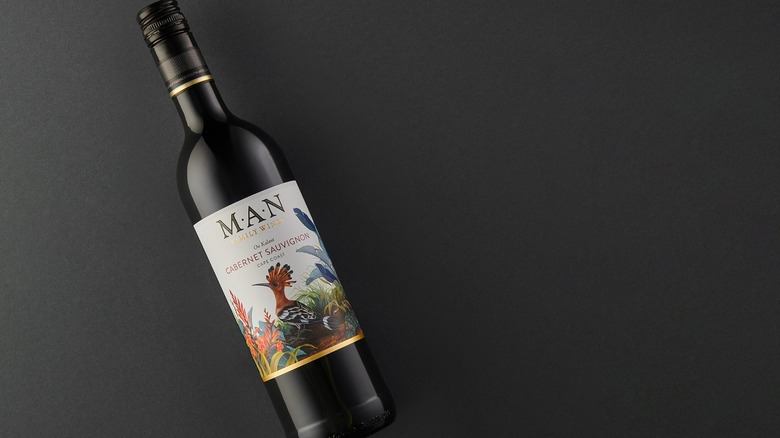
Man Family Wines produces its sustainable 'Ou Kalant' cabernet sauvignon on South Africa's Cape Coast. The wine blends 85% cabernet sauvignon, with alicante bouschet, petit verdot, cinsault, and shiraz. While the blend is unique, bringing in grapes with origins from Portugal, Bordeaux, and the Rhone Valley, each variety serves a purpose adding color, weight, and texture.
The wine ages for 12 months, of which a portion is in French oak, lending a hint of cedar and spice. Attractive notes of blackcurrant, ripe cherries, and berries mingle with cedar, chocolate, and an herbaceous note, with a slight mineral edge throughout. With a medium body, the 13.5% alcohol wine's tannins are well-integrated, harmonizing with the juiciness and freshness of the food-friendly wine. Enjoy the selection with French dip sandwiches or give the vegetarian version with mushrooms a try. The dish will bring out the wine's herbaceous, slightly earthy qualities.
Wineries throughout South Africa are crafting quality wines while working sustainably. Today, 95% of the country's wineries are accredited under the Integrated Production of Wine (IPW) scheme to promote environmentally friendly practices. Man Family of Wines began in 2001. Today, the winery works with a sustainable focus under the IPW scheme, while producing approachable, varietally correct, affordable selections. The average cost of its Integrated Production of Wine (IPW) Certified cabernet sauvignon is around $11.
Trapiche Oak Cask cabernet sauvignon
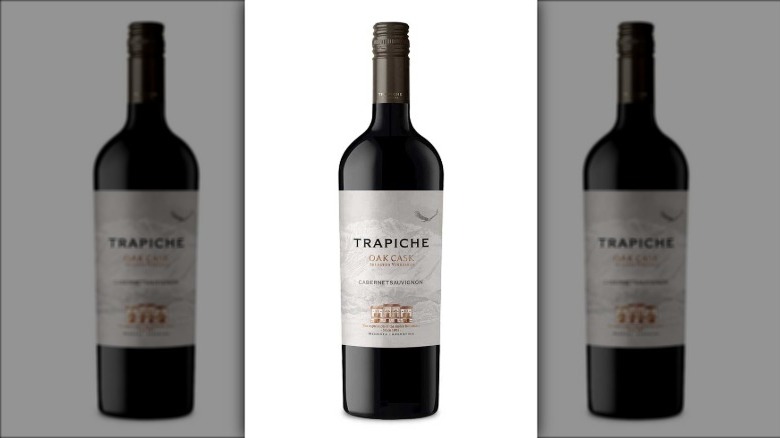
The historic Trapiche winery crafts its affordable, sustainable Oak Cask cabernet sauvignon from Mendoza, Argentina vineyards, sitting at thousands of feet above sea level. The wine ages for 12 months in American and French oak. The looser-grained American oak barrels typically create bolder, more robust wines. Wine that ages in French oak barrels is often more refined, with fine tannins and a silky profile. Combining the two adds depth to the wine while ensuring balance.
Layers of warm cherry compote, black plum, and licorice mingle throughout the wine, harmonizing with notes of toasted spice, tobacco, vanilla, and chocolate. With 13.5% alcohol and an average price under $10, the food-friendly wine pairs well with a bowl of beef stew or slow-cooked pot roast. The meaty dishes will complement the wine's weight and texture.
Argentina has some of the highest elevation wine regions globally. Vines grow at elevations that can exceed 10,000 feet above sea level. As the world continues to become warmer due to climate change, high-elevation wine growing is a way to combat the inevitable. The location means cooler temperatures in general and a greater diurnal shift from warm days to cool nights, creating a long growing season. Sunshine-filled days fully ripen fruit, while nightly temperature dips ensure the grapes maintain necessary acidity. The country's diverse terroir makes it ideal for growing a range of varieties, including cabernet sauvignon.
Alamos cabernet sauvignon
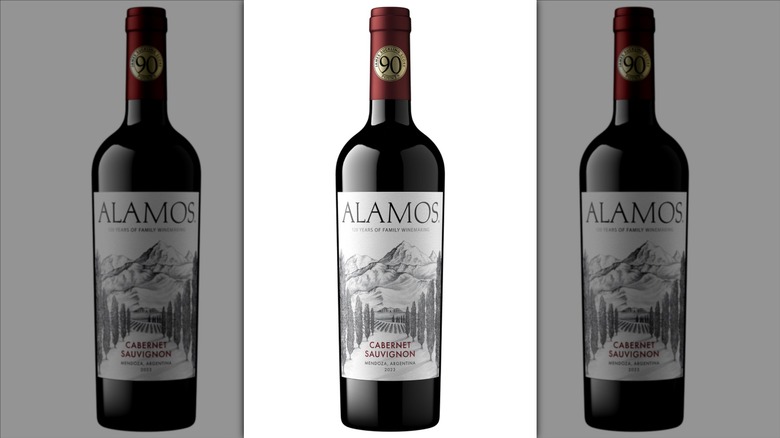
The sustainable Alamos winery has been farming in the Mendoza region in the foothills of the Andes Mountains with a preservationist mindset since 1993. The winery was founded by the Catena family, one of the most prestigious and pioneering winemaking families in the country. Today, Alamos highlights high-elevation, Argentine fruit in its approachable wines from vineyards located 3,000 – 5,000 feet above sea level.
Alamos cabernet sauvignon has an average price of $12, but can often be found at liquor stores or online for under $10. It is an incredible bargain, given the winery's sustainable focus and the quality of its fruit. With 13% alcohol, the wine opens with aromatic notes of woody herbs, including thyme and sagebrush, blackberry, cassis, and a touch of toasted cedar. These aromas merge into flavors of bitter cherry, coffee, toasted allspice and clove, vanilla, and pepper. Easy to enjoy, the wine pairs well with carne asado tacos, oven-baked spare ribs, or smoky brisket.
Murphy Goode cabernet sauvignon
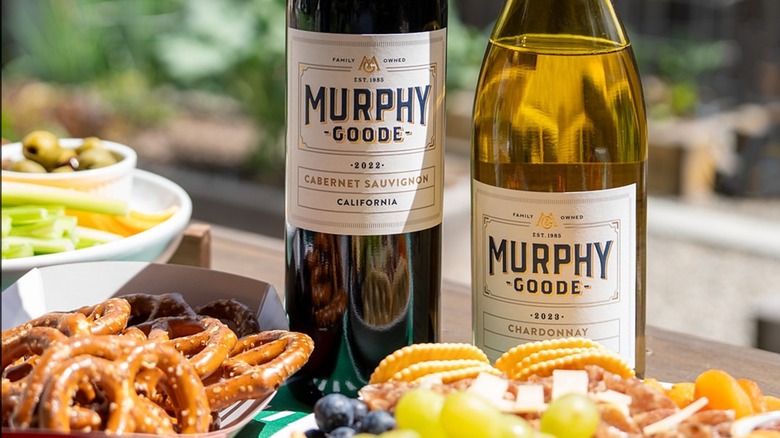
In 1985, three friends came together to pool their talent, passion, and resources to create Murphy Goode Winery in California's Sonoma County. The trio set about to produce high-quality wines that were easy to drink on any given night. Its California appellation cabernet sauvignon displays this concept from the first sip to the last. The wine shows notes of crushed berries, plums, and cherries, mingling with mint, licorice, and milk chocolate. The weight is rich enough to pair with grilled or roasted meats. However, the 13.5% alcohol, medium-bodied wine with fresh acidity and smooth tannin is also balanced enough to sip on its own, without food.
Today, the winery is a part of the Jackson Family Wines portfolio, with the son of one of the founders, Dave Ready Jr., at the helm as winemaker. The family-owned company has done more than simply embrace the concept of working sustainably in each of its wineries. It is ingrained in every aspect of its business, from inexpensive options, like Murphy Goode's $13 cabernet sauvignon, to its offerings that cost several hundred dollars. The company understands that working ecologically produces authenticity in its wines, while creating positive change for future generations.
Methodology
In putting together this recommendation of top cabernet sauvignon wines priced under $15, I drew upon my experience tasting and reviewing wines for the past 20+ years as a wine journalist, Certified Sommelier, and Certified Specialist of Wine. I considered the provenance of each vineyard, venturing beyond our borders, as some of the best wine values are found internationally. I also considered the winery's history and sustainable initiatives. Although these concepts were top of mind, the most important aspect of inclusion was each wine's overall taste. Additionally, each selection is available nationwide, meaning finding one you can enjoy with your dinner tonight should be rather easy.