

5 Ways You're Ruining Your Kitchen Knives
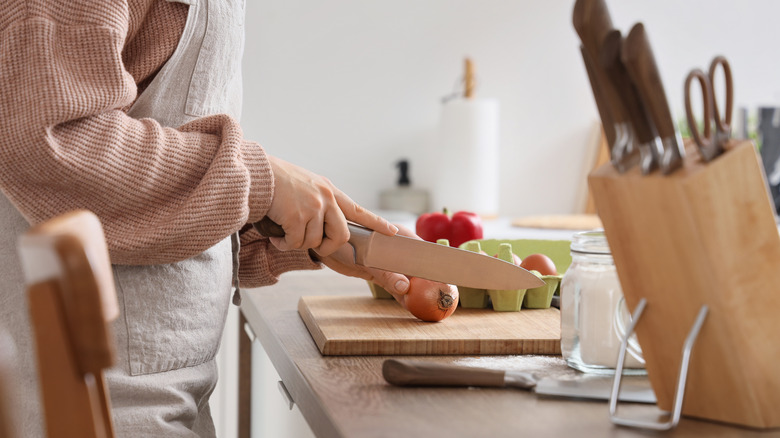
Of the many kitchen utensils and gadgets available, none compare in their usefulness and versatility to a good kitchen knife. A well-maintained kitchen knife, regardless of its price tag, is every cook's best friend. The satisfaction of cutting beautifully thin cucumber slices or carving a chicken to perfection is something every savvy cook is proud to achieve. But this is only possible as long as your knife remains sharp and fulfilling its function, regardless of the type of knife you have.
Now, many might think that keeping a sharp knife is dangerous, but those folks have never had a dull knife slip right into their fingers while slicing an onion or tomato. When a knife loses its edge, it's much more dangerous, never mind more useless. Keeping your favorite knife sharp after multiple years of use requires mindful care and a thoughtful approach to cleaning, storing, and using.
There are things you might be doing inadvertently that are slowly and silently ruining your best kitchen knives. Before you start noticing signs that your chef's knife needs to be replaced, avoid these five common mistakes to keep your kitchen knives sharp and safe. This way, they will last for many years to come.
Putting kitchen knives in the dishwasher
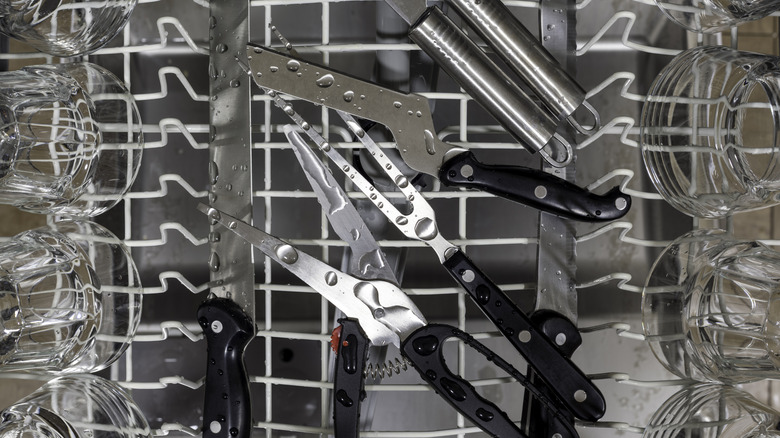
The absolute worst thing you can do if you want to keep your kitchen knives sharp is to put them in the dishwasher when they need cleaning. Although it might seem like a good idea to run them through the machine to sterilize and degrease them, the truth is quite the opposite. First, extremely hot water can create microscopic cracks on the blade, which can eventually lead to corrosion. This is especially true for high carbon steel blades, which are more prone to rusting after becoming damaged. Brittle blades, like those of ceramic knives, can be ruined in just a few dishwasher cycles.
But that's not all. The powerful water jets can make the knives rattle and collide with other utensils in the dishwasher. This can not only damage the integrity of the blade, but it dulls the edges as well. Of course, the harsh chemicals found in dishwasher detergents don't do them any favors either. While they may be great for breaking down grease, these chemicals can also do a number on your kitchen knife handles and blades.
Storing knives in a drawer
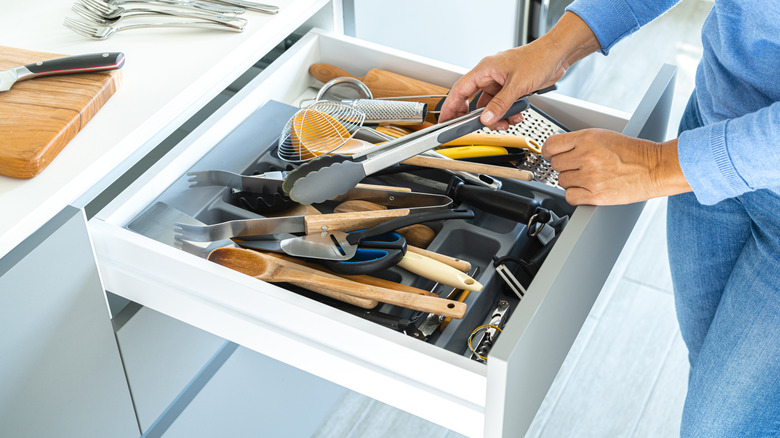
If banging around with other dishware inside a dishwasher is bad for your kitchen knives, then the same goes for storing them in a drawer that's cram-packed with other utensils. There are a few reasons why storing your good kitchen knives in a drawer is not worth the risk. Every time you open or close it, the knives will bump and crash against other utensils (and each other), leading to potential nicks, chips, and further dulling of the blades. And that's not to mention the potential injury when reaching into the drawer, resulting in a potential cut by a blade you didn't mean to grab.
Thankfully, there are safer storage alternatives out there for both you and the knives. A countertop wooden knife block is a tried-and-true classic. On the other hand, some prefer a magnetic strip, which will keep them handy without taking up that precious counter space. If you must store your knives in a drawer, consider investing in a knife holder that will fit inside the drawer.
Leaving kitchen knives soaking in the sink
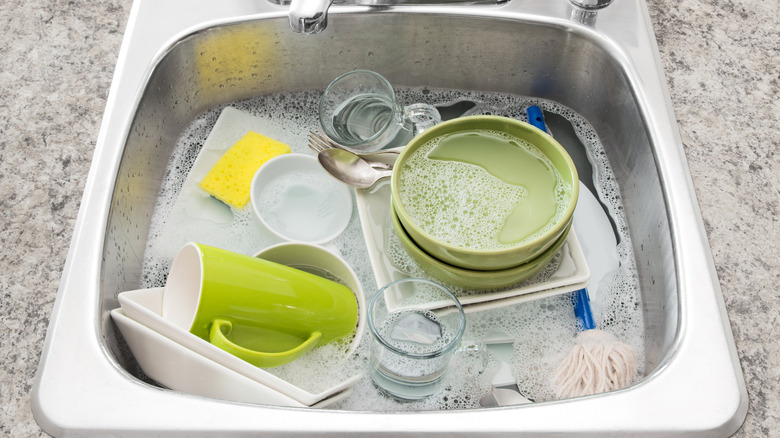
Soaking your kitchen knives for prolonged periods in the sink is another common practice that needs to stop now. As we have seen previously, extended contact with water is detrimental to both the blade and the handle of your knives and placing them in hot water in the sink surrounded by other utensils, plates, and pots is just as bad as putting them in the dishwasher. And, if you think reaching into a drawer is dangerous, picture what sticking your hand into soapy water can do when sharp knives lie just beneath the surface.
The best and safest way to clean your knives — which is also a chef-approved tip to keep your knives sharp — is to wipe down the blade immediately after using a damp dishcloth. Afterward, thoroughly dry your knife with a clean, dry towel rather than setting it aside to air dry on the counter. This will prevent moisture from lingering on the knife and handle.
Using the wrong knife for the wrong thing
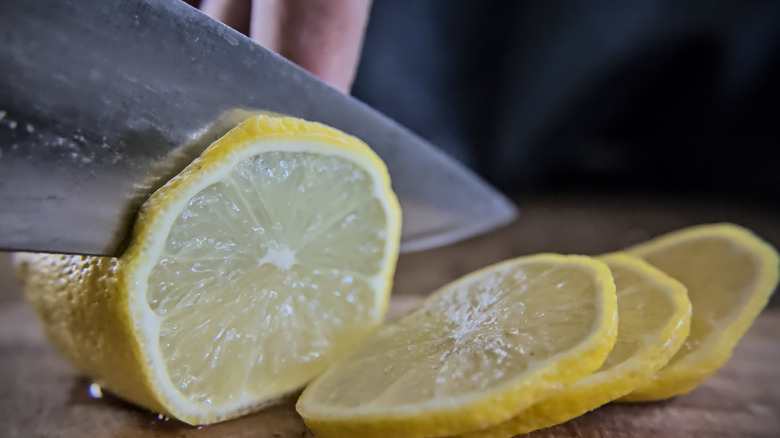
Think about it. The reason there are so many kinds of knives out there is that each is designed for a specific purpose. The difference in shapes and sizes between each type makes them suitable for a number of different tasks, from carving a roast to boning a fish and peeling a potato. This means that using the wrong knife for the wrong kitchen need may prove detrimental to your blade — aside from making the task at hand even harder.
For instance, using the wrong knife to slice acidic foods like tomatoes and citrus can contribute to dulling its edge. It also makes each cut more difficult. And don't even think about using your good chef's knife as a quick substitute for a screwdriver! Using the right tool for the right job will ensure the job gets done, well, right, and the tool stays in proper working order.
Using knives on metal, glass, or stone cutting boards
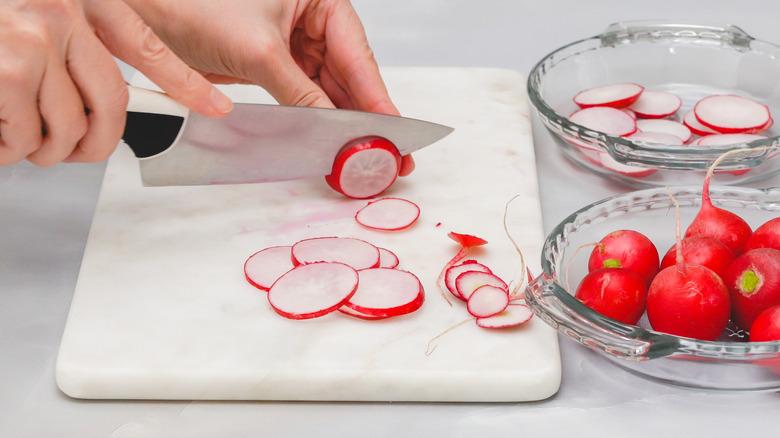
If you didn't already know, using the right cutting board is almost as important as choosing the right knife, especially for the sake of the knife itself. Cutting boards made from metal, glass, and stone might look attractive on the counter, but they spell doom for your precious kitchen knives. Contact with these hard surfaces will warp the knife's edge and make it dull after just a handful of uses. Therefore, it is always best to use cutting boards that are softer than a knife, such as wood or plastic.
Wooden boards are best for your knives as they are softer. In fact, they typically last longer than plastic cutting boards if you know the right tips and tricks. Keep them well-maintained just as you would your knives, and they will serve their purpose for many years. Just as you'd choose a specific knife for each kitchen task, designating a cutting board for each job also makes a lot of sense.