

6 Smart Ways To Keep Gophers Out Of Your Garden
We may receive a commission on purchases made from links.
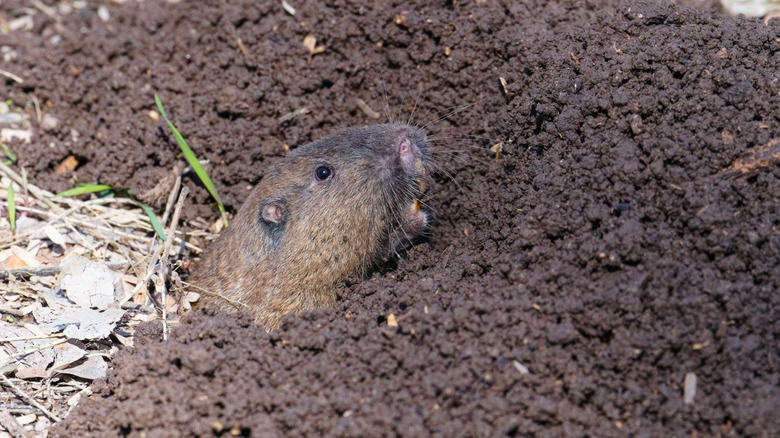
Imagine this: It's a warm summer morning. You've spent the last season preparing, and the early parts of this one fostering plants that have gone from baby sprouts to buds. Now, you are finally ready for some fresh garden recipes. Your gloves are on, and your hat is too, but you see a mound of dirt that looks as freshly churned as the coffee grounds you just threw on the compost pile: the mark of a gopher. Said gopher is not content with just chewing up your tended bed; it's also eaten the first of the fresh greens you were going to add to a summer salad tonight.
Gophers are small, but the damage they do is anything but. Once they've moved in, they're not exactly known for leaving peacefully. And why would they? The soil is healthy, and the food is everywhere!
I know this struggle intimately. As a lifelong farmer and a six-season organic gardener, I have lived experience with all of the ways you can get after your gopher problem. The good news is that there's no shortage of methods for dealing with these pocket-sized pests. Whether you'd rather work with water, dig in some hardware cloth, or allow nature to take its toll, there's a strategy that fits how you want to manage your garden and effort.
Some methods work best as preventative measures before gophers arrive. Others are better suited to tackling a garden guest that's already moved in. Mostly, these suggestions work well in combination with each other. I've pulled together some of my most effective gopher control methods to help you start the season with success. Employ some natural predators or dig in the right tag-along plants; there's much to know about protecting your garden.
1. Flood the gopher tunnel's main trunk
Water, one of nature's most powerful forces, is an invaluable tool against pervasive garden pests. Gophers build sophisticated underground tunnels. Architecturally, these tunnels start off as a main trunk that branches into sideshoots for nesting, sleeping, storage, and gathering of food — and they offer passage into your garden. Fortunately, and because the individual channels stem from a main corridor, you can strategically utilize the structure to your advantage.
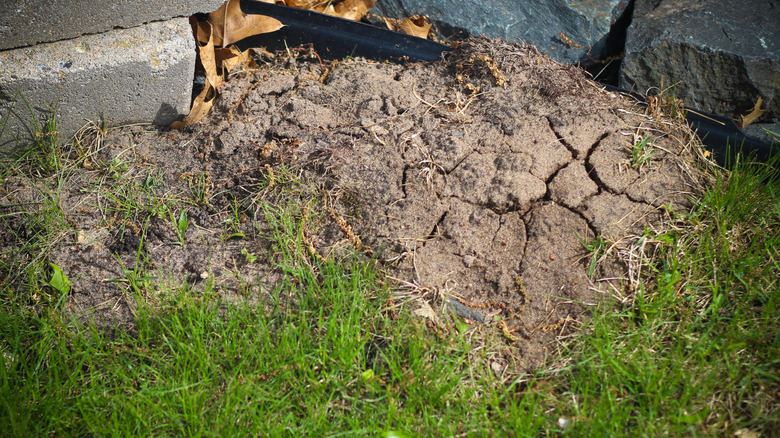
If flooding is your deterrent of choice, you'll need to first find where the gopher tunnel starts. It will be a roughly crescent-shaped mound on the surface. The slanted face of the crescent is the "plug," or the end of the tunnel where gophers shut the door, as you will. Following that face, probe the ground anywhere between 4 to 12 inches deep, until you feel hollowness below. Once the trunk has been identified, insert a garden hose directly into the tunnel and let the water run at a steady flow for as long as you can allow. The more thoroughly the system fills, the better.
In the most humane cases, a flooded tunnel threatens a gopher's nesting area and food storage. This strategy forces them to the surface. There, you can then take care of them as you see fit, or allow predators to do so. In some cases, flooding may drown gophers. The presence of water can also inhibit the diffusion of oxygen throughout the tunnel, making it harder for gophers to breathe. Keep in mind that mulched or overwatered gardens can actually create ideal conditions for gophers to burrow, since the soil becomes softer. Flooding works best as part of a broader strategy that includes physical barriers, repellents, or predators.
2. Increase habit for predators and reduce places for gophers to hide
In our garden, the smartest solutions often end up being the most intuitive. Nothing is more intuitive than letting the natural world work as it should. Gophers are prey animals, and smart ones at that. Or, at least, their preservation instinct is high. When predators are around, they tend to relocate to safer territory, which is why we encourage habitat for natural predators near the garden. It's both sustainable and hands-off.
Gophers face a wide range of threats from the animal kingdom. Ground predators such as snakes, skunks, coyotes, foxes, and weasels will all pursue gophers whenever it's opportunistic for them. You can give them a better chance at catching gophers by constructing habitats that allow these predators to live and hunt around your garden. Take snakes and weasels (or ermines, on our Idaho farm), as an example: These animals have the unique ability to pursue gophers right into their tunnels. By leaving downed trees where they lie or building rock walls, we give these critters a safe place to set up shop, and the abundance of gophers keeps them well-fed and happy.
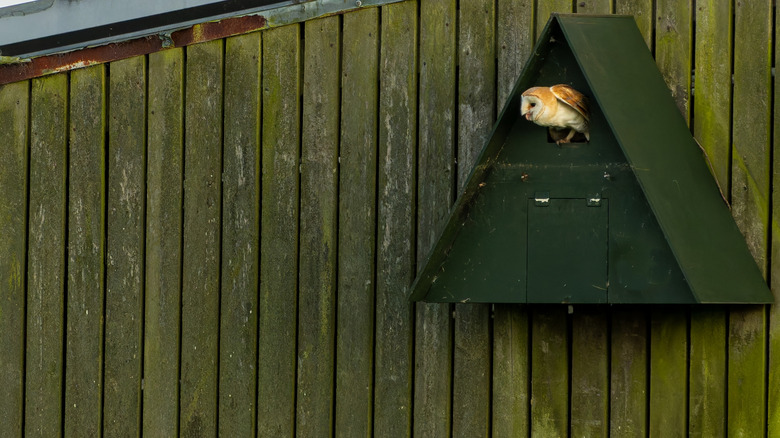
Owls, hawks, and other raptors are also natural air support. You can attract them by maintaining dead snags (old trees) for nesting, building owl boxes, or adding perch points like wooden poles around your garden's perimeter. By some accounts, a pair of barn owls can eat one pocket gopher a day during their nesting season. They do have a wide hunting range, however, so they won't be there to hunt your garden 24/7. It's important to note that there may be differences in how you foster or encourage habitats for predators, depending on where you live and the species that are native to your area.
3. Use gopher wires, baskets, or shields
Both predators and flooding can be fatal to gophers, which may not be the tact you're looking for in your garden. If you want to keep gophers alive but out, then the most effective deterrent will always be a physical barrier between your garden and the gopher.
One solid part of any barrier strategy is using an in-ground perimeter fence. The fence you install should drop at least 2 feet below the soil line. Despite gophers being able to bury their dens up to 6 feet under, we generally accept 24 inches as deep enough to prevent gophers from digging tunnels beneath it.
For bed-level protection, you have to use galvanized steel hardware cloth or tight mesh fencing, laid horizontally under the bed's soil line. Non-galvanized steel isn't an acceptable substitute; it rusts underground and will fail faster. ½-inch, 16/19 gauge mesh is a combination that holds up underground without corroding. For raised beds, line the entire bottom and bend the edges 4 inches up the interior walls. If you skip the last step, you're leaving an opening that gophers can find and exploit.
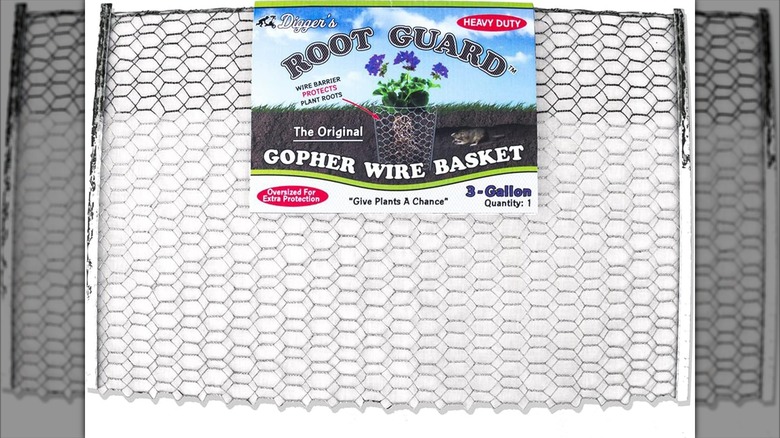
Some garden beds will be too big to overhaul completely. In these instances, wire baskets around shrubs and fruit trees are a practical alternative. Known as root guards, these wire mesh baskets are a one-time application that pays big dividends for future gopher deterrence.
4. Employ sonic repellents
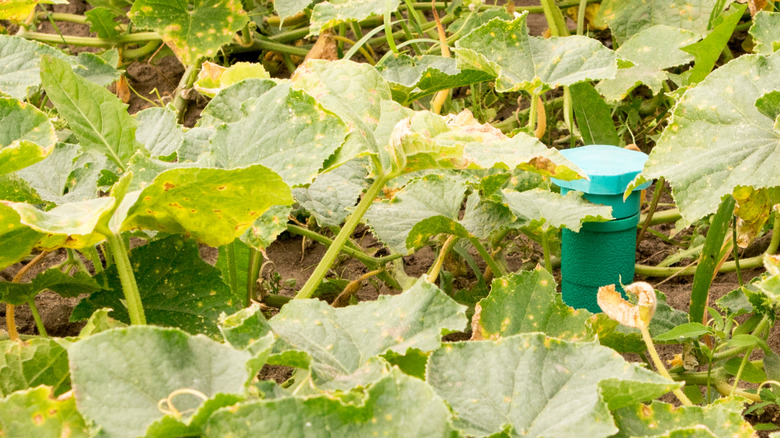
Vibration and sound are two of the primary attributes gophers have for detecting predators. As a garden tool, sonic repellents directly exploit biology by emitting low-frequency pulses through the soil in a way that's supposed to disrupt gophers senses and push them to find quieter terrain. Throughout my career as a gardener, I've used sonic repellents to varying levels of success.
The devices themselves are straightforward. The sonic repellents look like stakes, which are driven into the ground. They emit sonic pulses at regular intervals, around every 20 to 30 seconds, and they sort of sound like blowing party favors. The noise is supposed to travel through the soil rather than the air, creating ground vibration that disturbs gophers. However, the placement of the stakes seems to be a crucial part. Some research suggests they are ineffective, but again, personal and professional experience has yielded mixed results.
Each stake typically covers a radius of 20 to 30 feet, so we use multiple units on our farm. It's best to spread them throughout the garden beds — specifically in any area where a gopher tunnel might be observed — rather than along the perimeter. Accordingly, very hard or dry soil is said to reduce the efficiency of how vibrations travel. If you're in a dry spell, it helps to keep the garden moist, especially around the stakes.
Sonic spikes get their power from a range of methods. Some use D-cell batteries; others have tiny solar-powered designs that offer convenience and permanence. Speaking of permanence, these devices may deter gophers to a degree, but they're not foolproof, nor will they keep gophers out of your garden forever.
5. Plant gopher repellent plants
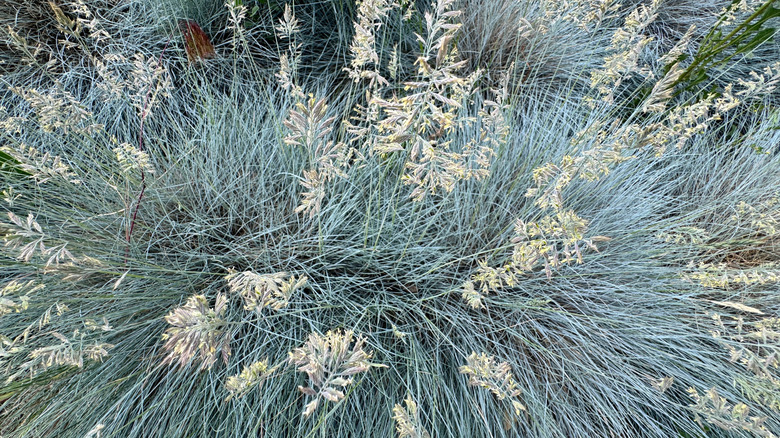
If you're going to be in the garden planting things anyway, then it makes sense to select plants that can keep gophers out of your garden. It's an elegant and seamless solution that doesn't require any extra devices, barriers, or overt violence toward living beings.
In addition to sound and vibration, gophers rely heavily on scent to navigate their tunnels and the world beyond. Ergo, certain plants with exceptionally intense or disagreeable aromas can make your gophers want to go elsewhere. Lavender, rosemary, and marigolds are among the effective options, as are varieties of iris and honeysuckle. What you plant will depend on your zone, season, and garden plan. Still, you're looking for generally strong-scented companion plants that are widely available and can pull double duty as attractive vegetation and active pest control. Another strategy that can work is planting a living border of these around the beds and areas you want to protect.
Castor oil-based repellents work via the same olfactory principle. The smell is deeply offensive to gophers. Using castor oil to treat the soil around areas with noticeable gopher activity can provide support alongside plants. Some companies, like Tomcat, sell premixed formulas that include castor oil as a primary active ingredient for gopher deterrence. Make sure you read the label regarding application amounts and other potentially harmful ingredients. Your soil will take up the castor oil and, while it will make things taste funky to the varmints down below, you'll want to manage whatever downstream effect it has as well.
6. If all else fails, trap them
Sometimes, there's no time for prevention. The season has started, the gophers are treating your garden beds like they're a personal pantry, and your hard work is at risk. I've been there. Gophers can't be allowed to make themselves at home in your garden, but when they try, you have to shift your priority from deterrence to removal. Trapping is the most direct solution. Luckily, it is entirely possible to do it humanely.
At this juncture, it has to be clarified that two types of "humane" traps exist: those that live-catch gophers for relocation, and those that kill them. Of the farmers I know, very few would consider the former option to be effective. One would have to relocate a gopher incredibly far away, upwards of 5 miles minimum, to prevent it from returning to its hard-dug home. Releasing a gopher anywhere near your property is essentially just rescheduling the problem. Still, if you are committed to saving a life, live traps exist. These cage-like devices need bait that's strong enough to lure a gopher from its tunnel, but once they're inside, they're locked away until you release them.
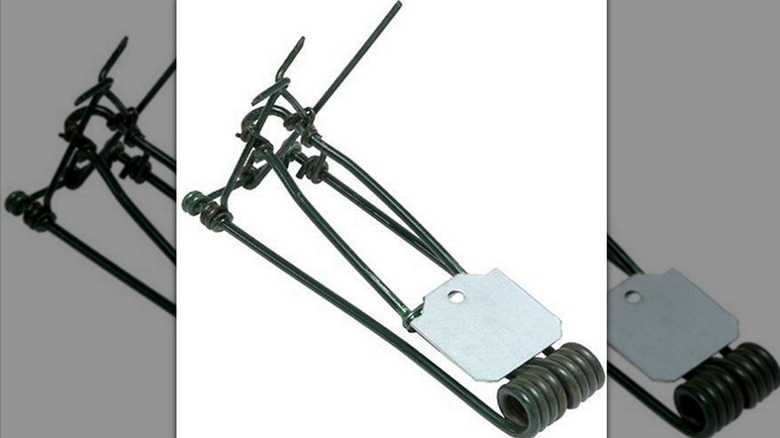
On the flip side, kill traps exist in designs that prevent gophers from suffering. The most trusted name in the space is Macabee, a patented trap that has existed for over 100 years. Other brands like CINCH offer similar products. These models are placed at the plug of a gopher den, and when the animal comes through pushing dirt, the trap is sprung and the act is done in a rapid, powerful, and painless fashion. Violence isn't necessarily the most creative way to keep a pest from demolishing your crops, but it is effective. Because these traps work so well, it's important to check them daily. Leaving a captured gopher unattended for extended periods is both inhumane and counterproductive.