

13 Plants You Should Grow In A Laundry Basket Vegetable Garden
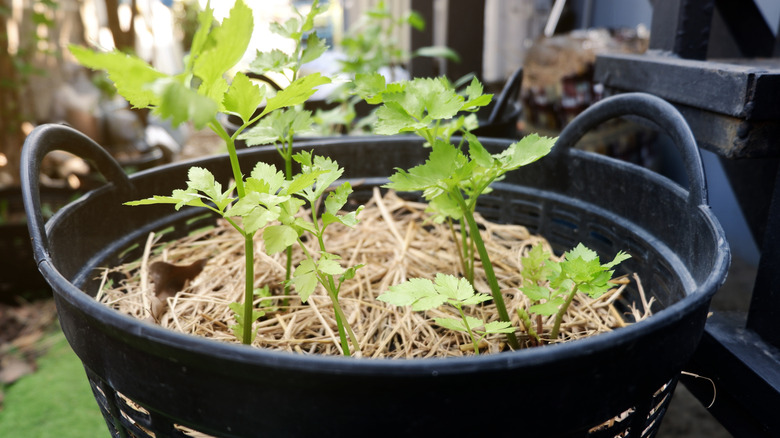
Food insecurity is becoming a reality for many due to the unpredictable geopolitical circumstances that keep driving up grocery prices, so more and more people have begun growing their own food. It's something our ancestors knew how to do until modern conveniences largely separated us from that primal and passed-down knowledge. Some mistakenly believe you need a big plot of land to grow fresh produce, but in reality, you can start your own edible garden in a simple laundry basket.
Made of sturdy plastic, laundry baskets are great containers for growing plants. The holes on the sides are another huge plus, as they provide proper drainage for the water. Still, it doesn't hurt to drill a few extra holes in the bottom of the basket before you begin. The flip side of great drainage, however, is an increased need for water, so laundry basket plants will need to be kept well-hydrated.
Certain plants (like strawberries or potatoes) grow in larger numbers because the holes in the laundry basket provide a space through which they can push their leaves — something they couldn't do inside a closed container. Theoretically, you could grow any plant inside a large enough laundry basket, but we picked 13 that particularly enjoy this kind of growing arrangement.
Potatoes
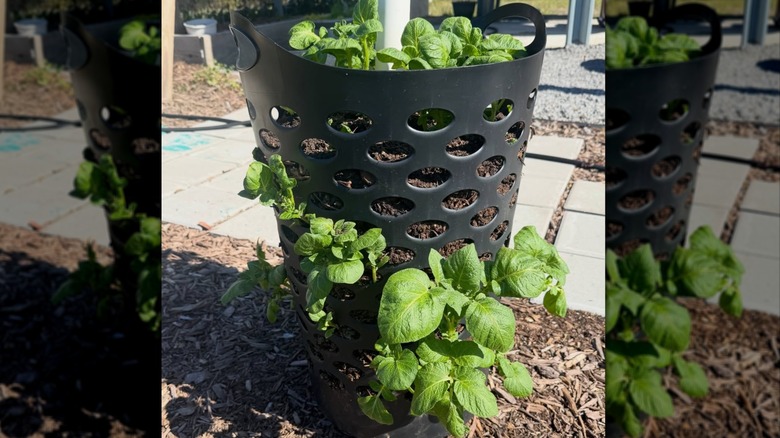
Potatoes are one of the easiest veggies for beginner gardeners. Put a few sprouted spuds in a laundry basket, cover with loose soil, and repeat the process in several layers. Thanks to the holes along the sides, all of the layers will have a chance to grow leaves. To harvest, about 3 months later, just pour out the contents of the basket and pick out your potatoes.
Strawberries
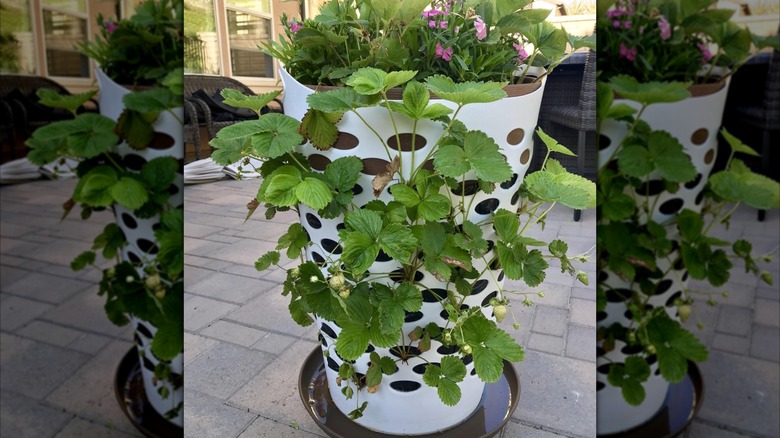
Fresh berries are expensive, so why not grow your own sweet juicy strawberries at a fraction of the cost? Plant them inside a tall laundry basket, mimicking the strawberry tower method. These berries can self-propagate when they have the space (which they definitely do in an open laundry basket), growing much more abundantly than you initially expected.
Onions
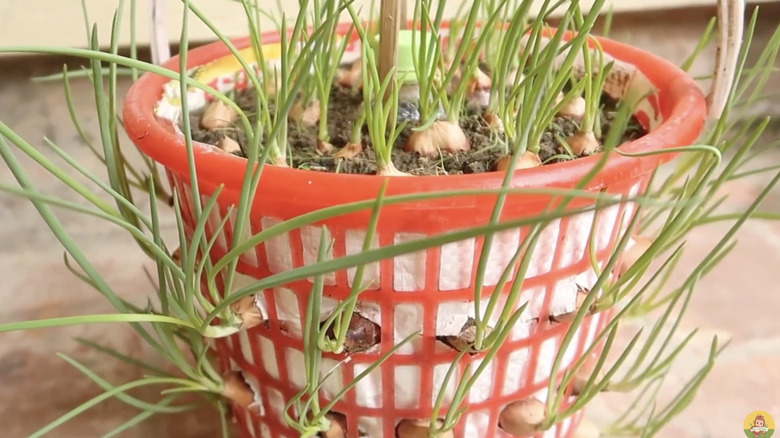
Growing onions in a laundry basket is similar to growing potatoes — if you already have onions at home, you need little else. Layer the sprouted vegetable with soil, and watch the magic happen. You can put some cardboard, paper, or a thin breathable fabric inside the basket to keep more of the soil inside, but make sure to cut the holes where you want the onions to sprout through the sides.
Mushrooms
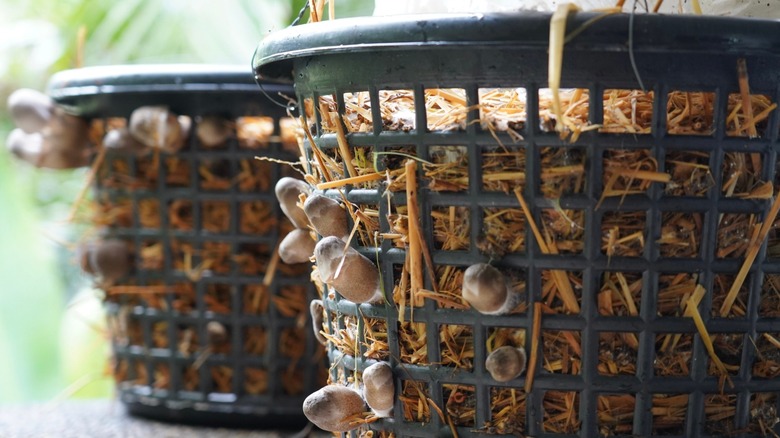
Mushrooms can feel like a luxury ingredient due to their price, but once you realize how easy they are to grow, there's no stopping your mushroom production. Laundry baskets are the perfect vessel, giving the mushrooms plenty of holes to sprout through, which later makes for a simple and plentiful harvest. Among the many types of edible mushrooms, paddy straw (pictured above) and oyster mushrooms are good picks to start with.
Peppers
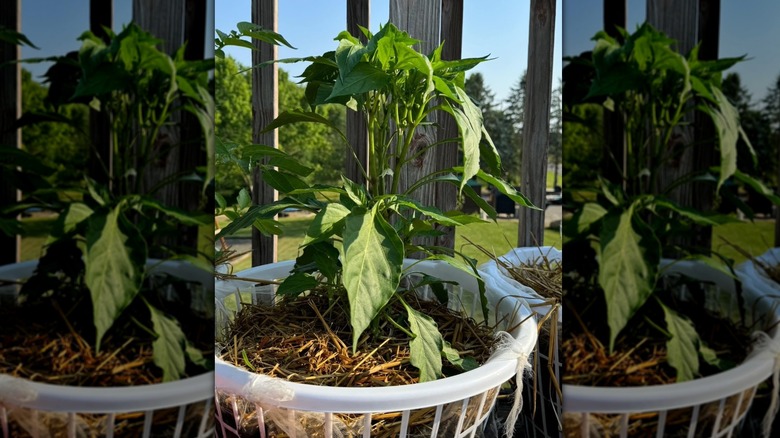
You can easily grow crisp peppers for salads inside a laundry basket, both outdoors and indoors. Planting them indoors is an especially great solution for those who live in apartments and don't have the space for an outdoor garden. Peppers need a lot of sun, at least six hours per day, so be prepared to move them around during the day, following the sun's path.
Lettuce
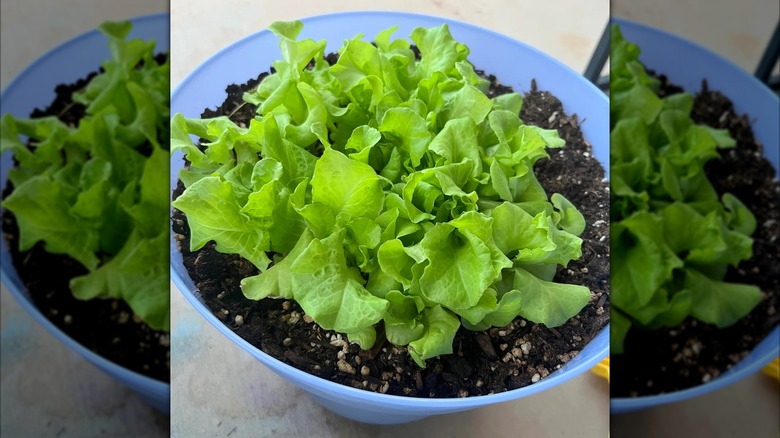
Lettuce is among the fastest growing vegetables that you should add to your garden, especially if you opt for cut-and-come-again varieties. This leafy green thrives in a laundry basket because it's well protected from unfavorable weather conditions and hungry slugs. Plant it alongside spinach and chard to create your very own salad garden on demand.
Herbs
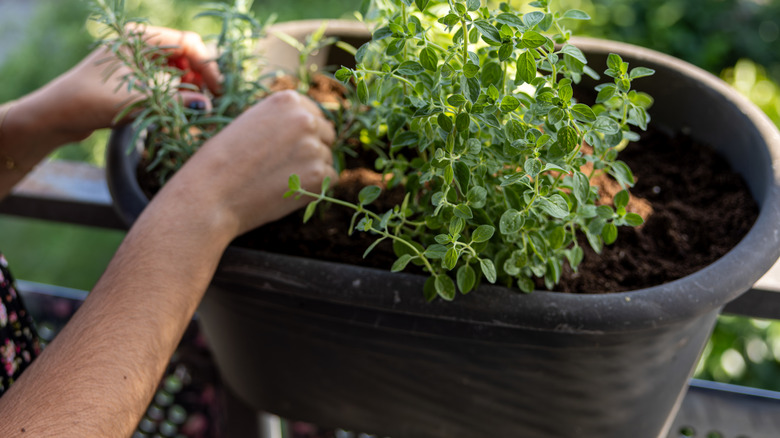
Every recipe can benefit from the addition of homegrown herbs. One medium- to large laundry basket is big enough to plant a variety of herbs that you can regularly harvest fresh as you cook. Just be mindful that you're making neighbors of herbs with similar watering and sunlight preferences. For example, the two Italian classics, oregano and basil, make good neighbors.
Carrots
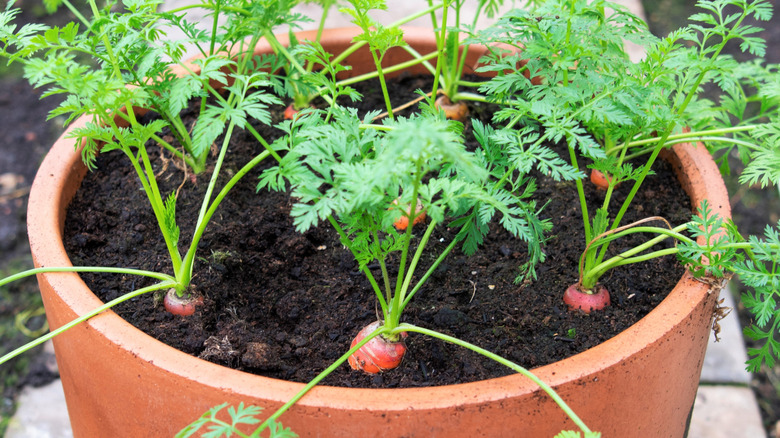
Carrots are usually grown in-ground, but unless you have fantastic soil conditions and zero pests in your backyard, you'll probably find yourself disappointed by the size and shape of your produce. Laundry baskets offer a controlled environment and therefore better veggies in the long run. As long as your basket is deep enough, the carrots will have plenty of room to grow large and thick.
Tomatoes
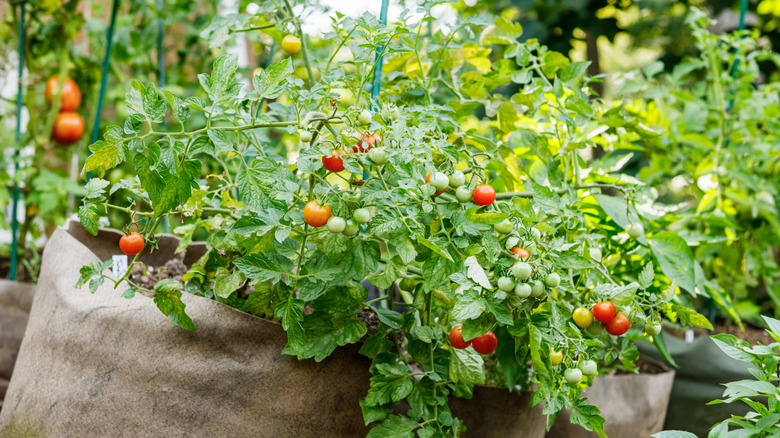
Another salad and sauce ingredient that thrives in laundry baskets is the tomato. This style of container planting is ideal for bushy tomato varieties, such as cherry tomatoes. They are determinate, which means they'll reach a certain height and stop growing, so you won't need to constantly prune them. Tomatoes need a lot of space, though, so one laundry basket can count as a single container for one plant.
Cucumbers
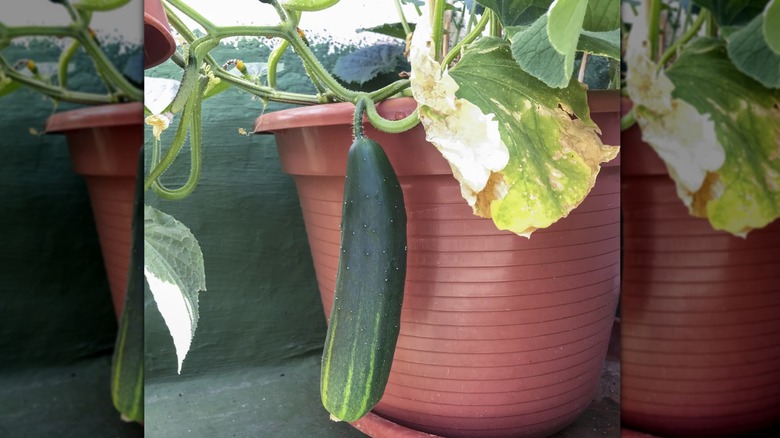
If the thought of growing massive cucumber plants in laundry baskets intimidates you, rest assured that just like tomatoes, cucumbers also come in lower, bush varieties. Those don't need a trellis and will commonly hang their fruit down the sides of the container. Speaking of which, in another similarity to tomatoes, cucumbers need a large basket to grow into a fruitful plant, too.
Okra
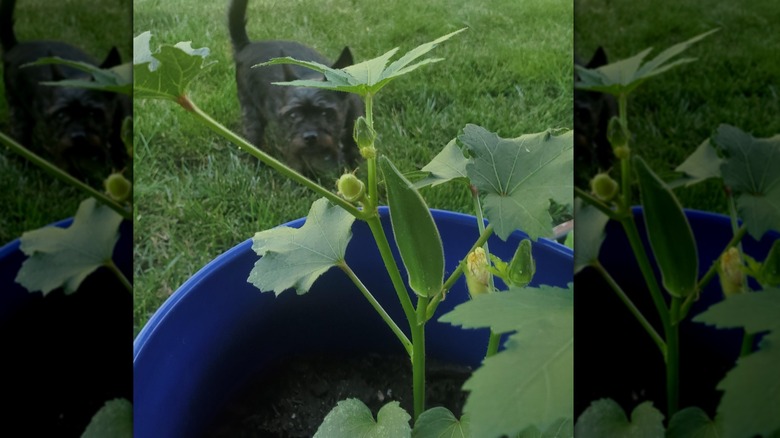
When planted in baskets, okra really benefits from air pruning — that's when the container allows the plant's roots to aerate, which leads to healthier and more abundant roots. Several okra plants can grow together in one large container without an issue, but keep in mind they love temperatures up to 95 degrees Fahrenheit so definitely keep them somewhere sunny. After harvest, you can dive into okra recipes that celebrate this Southern staple.
Blueberries
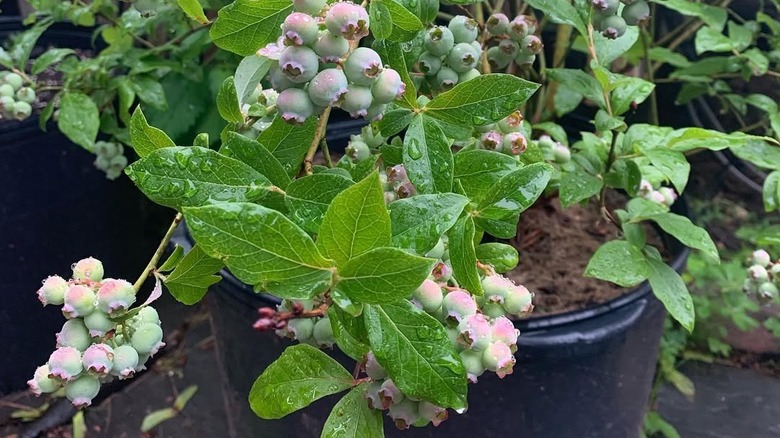
Blueberries need acidic soil, which can be much easier to achieve in containers than in-ground. They also need significantly well-drained soil, so laundry baskets are ideal. Do be warned, though, that blueberries are a high-maintenance plant, requiring years (and other blueberry varieties nearby) to produce fruit. But once that blue bush comes into full harvest, the reward is oh-so worth it.
Edible flowers
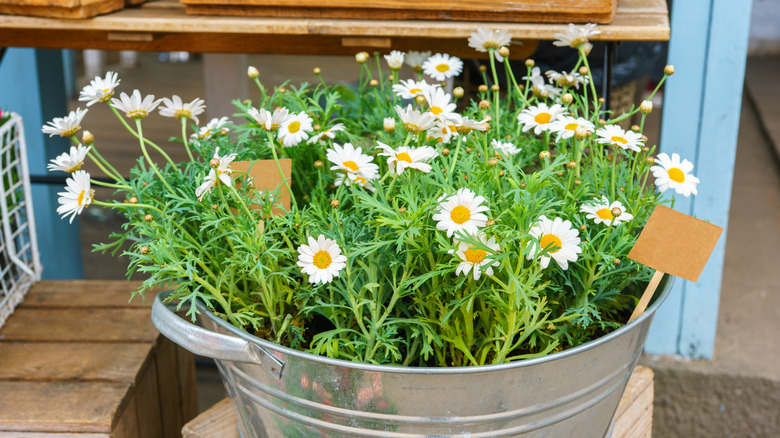
Edible flowers are such a fun way to add color and pizzazz to everyday meals. Borage, daisies, and calendula do great in warmer months, while pansies and violas can withstand the cold. For peak efficiency, plant the edible flowers right beside your veggies in the laundry basket garden. They'll attract pollinators, control certain pests, and overall make your garden look like something out of a fairytale.