

5 Fruits And Vegetables To Stock Up On In The Spring
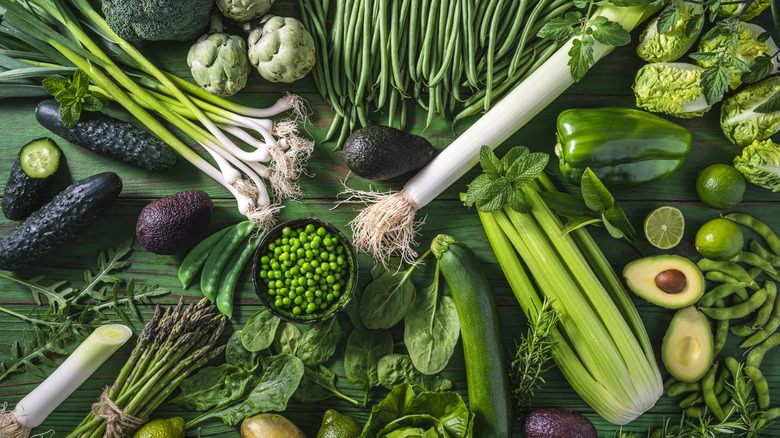
Walk into any supermarket and you'll find a huge range of fruits and vegetables to choose from, regardless of the time of year. While this is partly thanks to the diverse growing regions found in the United States, it also includes imported produce, greenhouse grown produce, and harvests that are refrigerated for months on end. It provides us with a lot of variety, but not always with the best quality fruits and vegetables. Buying produce when it's in season offers the best taste and often the highest nutritional value, not to mention that when there's an abundance, the prices tend to come down.
Spring is a time for new growth, which is why some of the best spring vegetables are green, tender, and nutrient dense, in contrast with the colorful summer harvest or the heftier vegetables you get in fall. Fruits that peak in spring are a little less common. The winter citrus is past its best and the summer fruits haven't had their time in the sun to ripen. However, what you do find will be full of bright flavors.
Asparagus
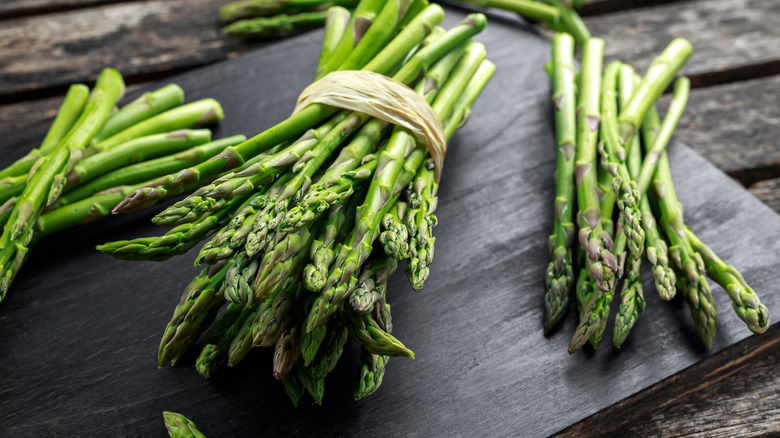
If there's one vegetable that you want to be tender, it's asparagus. This is a vegetable can be found in stores all year round, but the local harvest from March through to June is when you'll get young stems with the best flavor and texture.
Look for stems that are firm and unblemished, with a vibrant color. Thinner stems will be more tender than larger ones, but it's best to buy asparagus based on how you plan to cook it. Thicker stems will hold up better for roasting or grilling, while thinner ones will be better for steaming. To make the most of the tenderness and fresh flavor of the spring harvest, try ribboning asparagus so it can be enjoyed raw.
Green asparagus is the most common type you'll find in stores, but it does also come in white and purple varieties. Purple asparagus is naturally sweeter and lower in fiber, making it more tender. You might be drawn to it for the visual appeal, but be aware that much of the purple color will turn green when cooked. White asparagus has been grown without sunlight for a milder taste. It's considered a delicacy in some parts of Europe, but not commonly found fresh in the U.S.
Artichokes
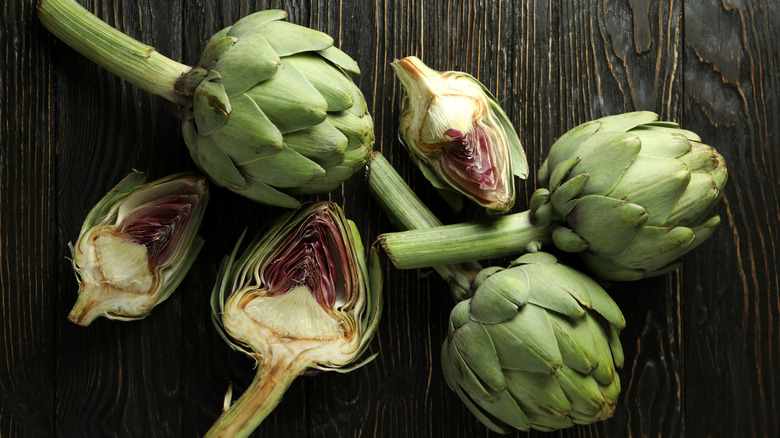
Spring is all about flowers, and that's exactly what you're eating with an artichoke. The choke is the unopened flower bud of the plant, which begins to bloom in early spring. Most artichokes sold in the U.S. come from California, where the mild climate means they grow all year round, but these unique vegetables are at their best from March to May, with a secondary harvest in October.
If you're accustomed to eating canned artichokes (which can be a great shortcut in the offseason), then enjoying a fresh artichoke starts with the selection. It should have a bright color — either green or purple — with no brown patches. Look for those with tightly closed leaves and that feel heavy for their size.
Artichokes can be stuffed, added to pasta, and of course made into dip, but if you get your hands on a fresh spring artichoke, simple is best. When served steamed with just melted butter for dipping, plucking and eating the leaves one by one will allow you to truly enjoy the earthy but slightly sweet flavor. It can be a little intimidating to know how to approach it, but we have a complete guide to preparing and eating whole fresh artichokes.
Ramps
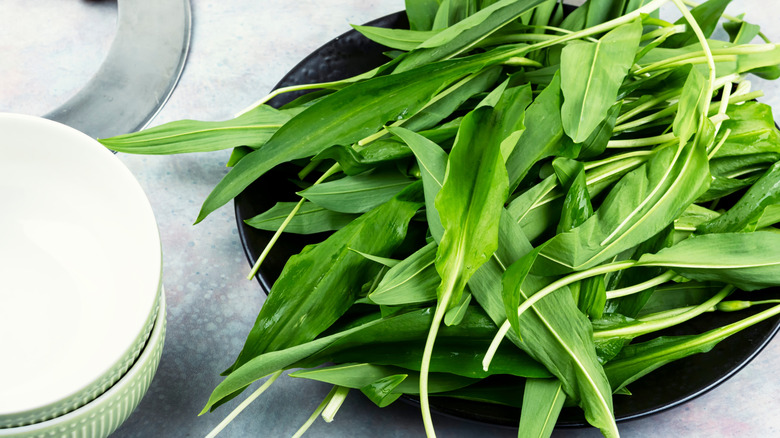
Ramps could be considered the ultimate spring fling. With a short growing window that runs from late March through to May, there's a flurry of excitement each year before they suddenly drop off menus again. These are rarely commercially grown, so what you find at farmers markets is most likely to be sustainably foraged ramps.
Part of the appeal undoubtedly comes down to scarcity, but they also have a unique flavor that other alliums can't match. Although they are technically wild onions, ramps are sometimes referred to as wild garlic or wild leeks, and the taste could be said to combine all three.
If you do get your hands on ramps, plan to use them immediately — they will last at most three or four days in the fridge. The texture is delicate enough to eat raw or gently cooked, adding a bright allium flavor to salads or folded into scrambled eggs. If you want them to be the star of the show, try them grilled or sauteed with just oil, salt, and pepper. To enjoy the special flavor beyond the short harvest season, ramps can be pickled or used in a pesto.
Strawberries
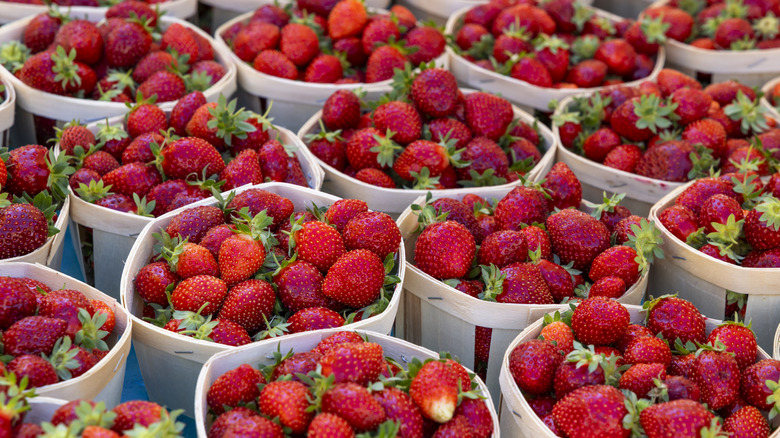
Anyone who's grown their own strawberries will know that they fall into three main varieties, with the main difference being the timing of their harvest. The majority of what's grown for supermarkets in the U.S. is the June-bearing strawberry, but the name is a little misleading. In warmer states like Florida or California, strawberry season can start as early as February, with peak harvests in April and May.
A bright red color that goes all the way to the stem is one good indicator of a ripe strawberry, but it should also be firm to the touch and have a sweet, floral aroma. You're working with a short shelf life here, just two to five days, though storing your strawberries correctly can extend this to about a week.
While they're fresh, make the most of the spring harvest with strawberry shortcake or simple dish of strawberries and cream. For the sweetest flavors, bring your strawberries back to room temperature, as the cold of the fridge can dull both the smell and the taste. If you do happen to miss the freshness window and your strawberries are a little limp, use the opportunity to add them to smoothies or frozen cocktails.
Pineapple
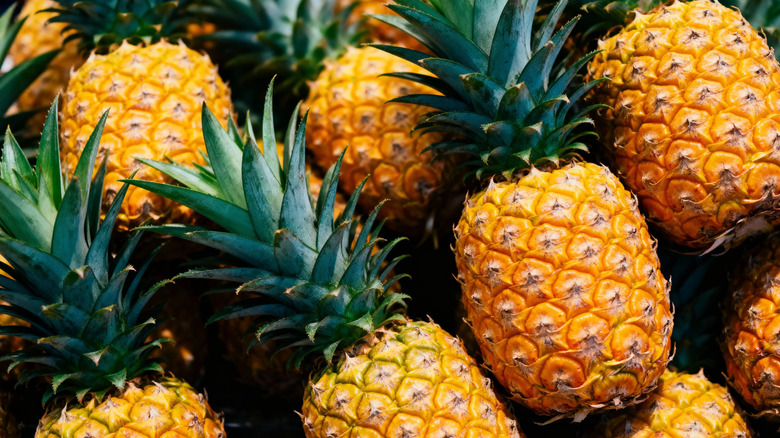
It might come as a surprise to see pineapple on the list. With a classic tropical taste, it's easy to link it with the summer months, but the sweet fruit will start hitting shelves as early as the start of spring. Most U.S.-grown pineapple comes from Hawaii, where the harvest season starts in March, with the best tasting fruit coming between April and July.
Pineapples won't ripen after they've been cut, so especially if you're buying the fruit early in the season, make sure it's ready to eat. The trick to choosing a ripe pineapple is looking at the eyes, which should lie flat against the fruit. The color should be golden yellow rather than green, and there will be a sweet smell coming from the base.
Early spring days can still be cool, so it's the perfect time to lean into just how well pineapple holds up to cooking. Grilled fresh pineapple can be a dessert on its own or can be paired with steak to cut through the meat's richness. As the weather warms up, pineapple adds a tangy kick to fruit salads or this no-churn pina colada sorbet.